

 TRAVEL DRAWINGS
The office engages in a hybrid design process that is directed by analog forms of representation and digital production techniques. Each project is explored using a matrix of different media lenses, including painting, hand drawing, physical models and mock-ups as well as cad, hyper-photorealistic renderings and 3D computer models, wherein application and implication are prioritized. We believe this fusing of media provides a larger, more creative palette from which to work. Travel drawing also serves as a platform of inspiration and a fundamental aspect of research and development.
 This approach stems from my own formal education and the unique 10-year period in contemporary history in which I studied architecture. Occupying both “paper” and virtual / digital environments, I learned the fundamentals at Tulane University using purely traditional architectural methods of representation. By the time I earned my Masters from Columbia University, the pedagogy had radically changed, wherein the old, analog systems of production were abandoned for a purely paperless studio that solely engaged digital technologies such as Maya, Max and Photoshop. Working within both territories, I learned that each medium has a profound effect on the way in which we draw, design and understand architectural space and form.
Meanwhile, after leaving Columbia, I set out to rediscover the practice of drawing on the road and have since made over 800 paintings, sketches and notes of architectural details, buildings, cityscapes, art and culture. These personal “drawings on the road” have evoked an intensive physical and living architectural investigation of how I process and perceive information. In the authentic and active experience of drawing — of physically recording what we see — I believe we develop a new way of seeing. We bring back sketchbooks that are full of information and analysis as well as a better understanding of architectural persistencies that make what we see matter. This level of engagement furthers the architect’s artistic intuition and enables him or her to see anew.
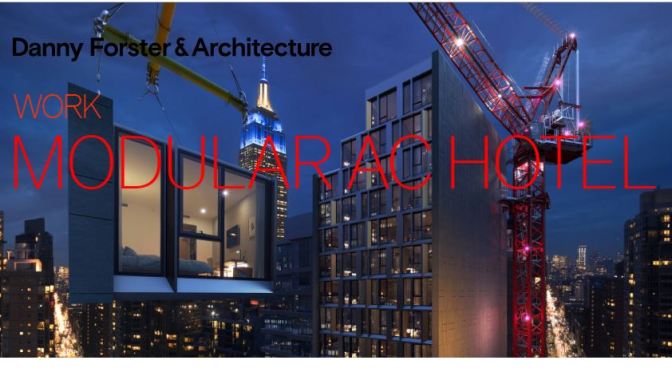
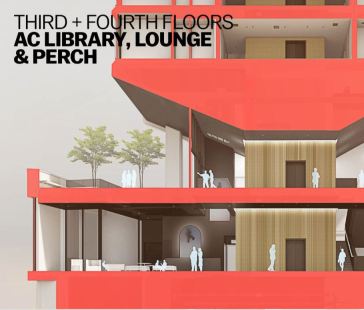 This Volumetric High-Rise Modular Hotel will be the world’s tallest modular hotel and one of the most stylish, combining modular efficiency with architectural flair. AC by Marriott at 842 6th Avenue, New York City, will be the tallest modular hotel in the world when it opens in early 2020. But it won’t just be a step up for modular design, it will be a step forward. The building leverages the advantages of modular construction, uses cutting-edge proprietary technology to address potential drawbacks, and, most importantly, put to rest the idea that a modular building can only be the sum of its factory-made parts.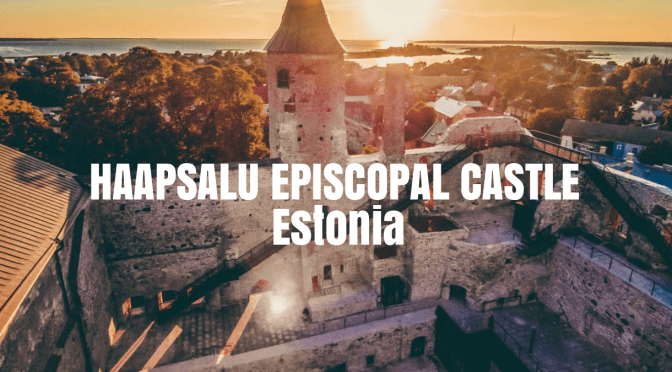
 the long and colourful history of haapsalu episcopal castle began when it was built in the 13th century, but since the 17th century the main castle has been in ruins.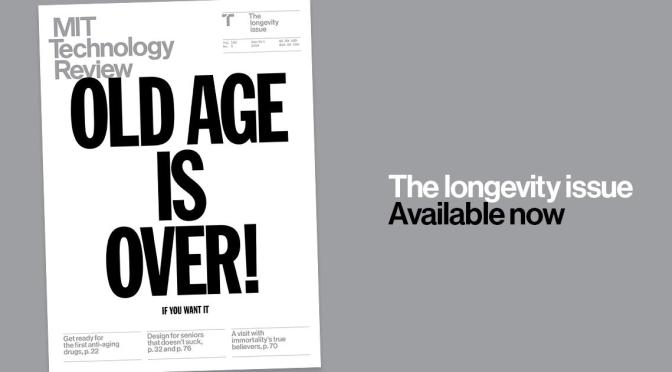
 It’s a familiar tune to engineer Ken Smith, director of the mobility division of the Stanford Center on Longevity. He says one of the biggest mistakes designers make is to assume that around the age of 60 people lose interest in aesthetics and design. This can have dire consequences for products meant to help people with their health. No one wants to stick a golf-ball-size hearing aid the color of chewed gum in their ear, any more than they want to wear a T-shirt that reads “SENIOR CITIZEN.”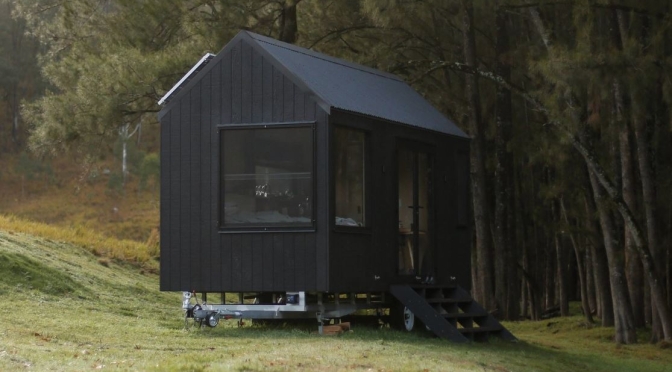
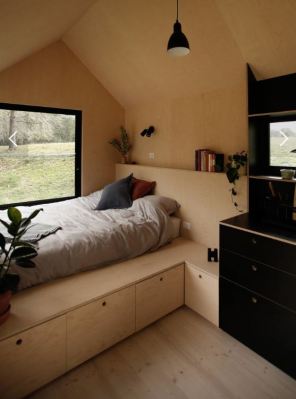 the lightweight timber structure is built on a wheeled chassis and clad in matte black weathertex, a locally sourced material made from forest thinnings and other industry by-products in the production process. the off-grid cabin features built-in joinery that blends seamlessly with the interior lining and cathedral ceiling so that this sense of openness is preserved.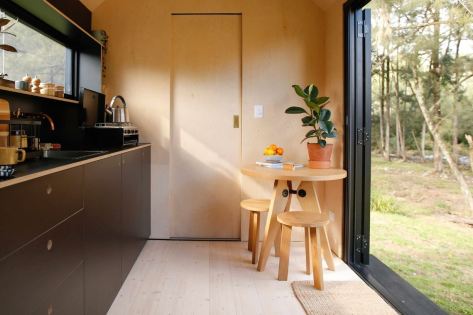
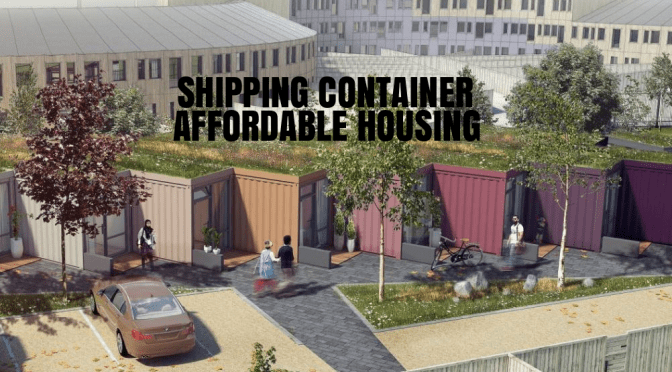
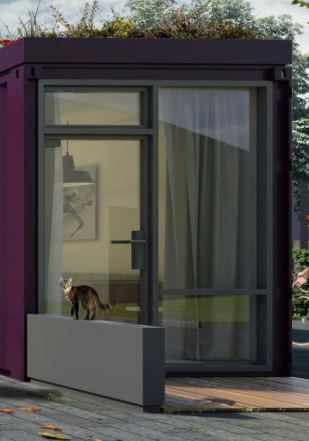 “The scheme provides much-needed single-person accommodations for social rent using converted shipping containers to create contemporary, environmentally-friendly homes in a desirable area near to local amenities and within walking distance of the town center,” explain the architects. The firm developed the design in consultation with local residents and stakeholders, and they previously completed a pop-up container cafe for Kingston University and volumetric student residential projects in Coventry.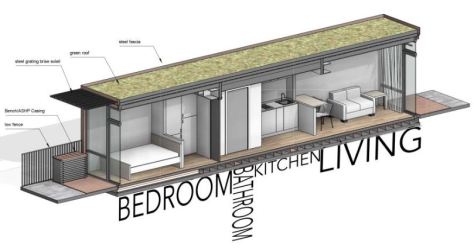

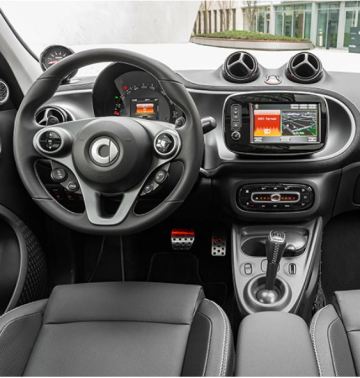 the result of its energetic design, both on the exterior and interior, ensures the smart ‘fortwo cabrio electric drive’ is fun-filled and quirky yet stylishly typical of the brand. at a size of 2.69 meters in length, 1.66m in width and 1.55m in height, the model delivers agile functionality for city mobility, even turning circles in less than 7 meters. however this time, smart has provided all this whilst offering electric economy with accelerating power and a fresh, open-air driving experience.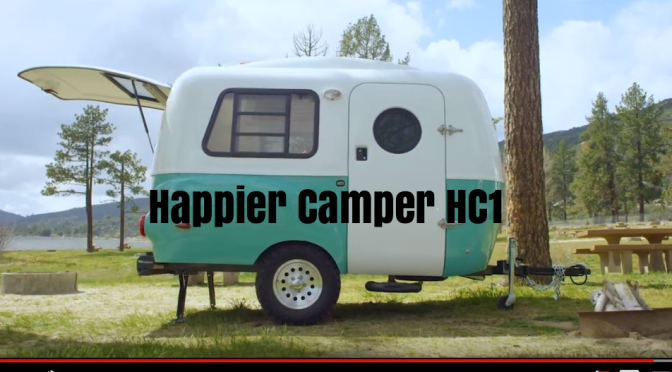
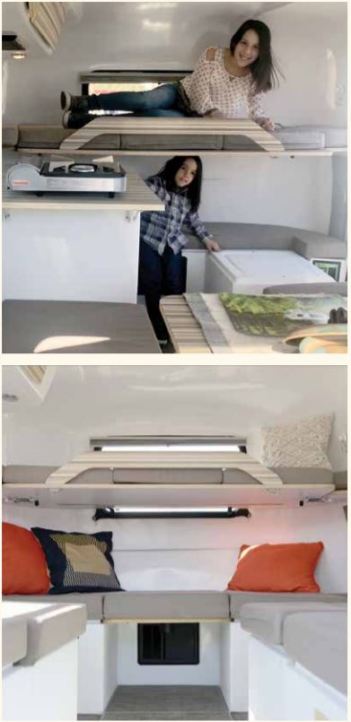 The fiberglass trailer is cute-as-a-button with a large rear hatch, wide entry door, and classic fender design. Available in a plethora of colors (like Pacific blue, Bishop red, Topanga turquoise, and Mojave sage), the two-tone paint job only adds to the adorableness of the camper, as does a port window on the door. It’s a trailer that makes people stop and do a double take, and a welcome break from the tired swoopy graphics found on most RVs.
 The DuoPot’s premium glass body, pure and clear, is a new kind of visual sensation, while the clean chiseled stainless steel inside exudes sophistication and chic. Together, they emanate a quiet beauty that incites love at first sight. But the flippable filter design is really what all the raving is about, with its ability to brew coffee or tea with a simple twist of the wrist! No more hassles with switching your drinking apparatus. No more headaches with finding yet more storage space! Delight your life with ingenuous design and lose yourself in the joy of making that perfect cup.
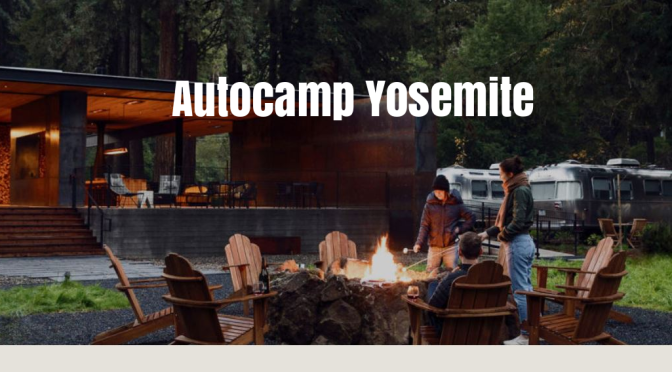
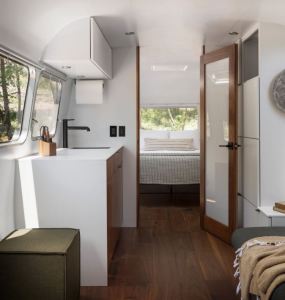 From start to finish, AutoCamp Yosemite took a surprisingly short two years to complete. That’s because they used the same dream team they worked with for their Russian River location—Anacapa Architecture and Geremia Design. Building on the desire to make the space homey and authentic, they took inspiration from the area and brought in local talent and hometown favorites every chance they got. Architect Dan Weber sourced the tents from a company based in his hometown; local designers contributed much of the site’s wall art, decor, and building fabrication; and a vast majority of the furnishings and decor were designed or sourced from the designers’ friends.
 Boomers Daily