From a Wall Street Journal online article:
 Mr. Chambers, a 48-year-old physical therapist in Jersey City, N.J., modified his sleep, diet and exercise routines. Eighteen months later, his performance on a battery of cognitive tests improved, particularly in areas like processing speed and executive function, such as decision-making and planning.
Most surprising, says Dr. Isaacson, is that the MCI patients who followed at least 60% of their recommendations showed cognitive improvement. However, MCI patients who followed less than 60% of the recommendations experienced cognitive declines similar to the control groups, he notes.
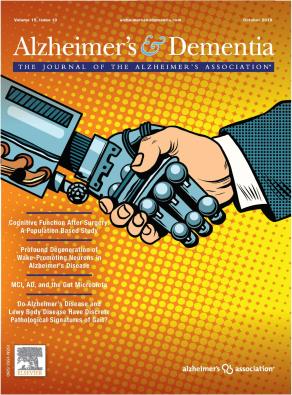
Mr. Chambers is among 154 patients in a study, published Wednesday in Alzheimer’s & Dementia: The Journal of the Alzheimer’s Association, that doctors say shows encouraging results. Among healthy patients, people who made changes in nutrition and exercise showed cognitive improvements on average. People who were already experiencing some memory problems also showed cognitive improvement—if they followed at least 60% of the recommended changes.
To read actual study: https://els-jbs-prod-cdn.literatumonline.com/pb/assets/raw/Health%20Advance/journals/jalz/JALZ_2985-1572445934507.pdf?mod=article_inline
To read more: https://www.wsj.com/articles/the -link-between-diet-exercise-and-alzheimers-11572427802

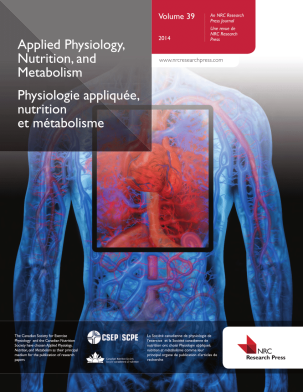 Researchers suggest that intensity is critical. Seniors who exercised using short, bursts of activity saw an improvement of up to 30 percent in memory performance while participants who worked out moderately saw no improvement, on average.
 First place prize awarded to MapHabit: This mobile software provides behavior prompts with customizable picture and keyword visual maps to assist memory-impaired people with accomplishing activities of daily living. The care management platform employs different interfaces depending on whether the user is a person with impaired memory, caregiver or long-term care community manager. Caregivers can monitor adherence to medication schedules or track other activities.
 “The risk for dementia is elevated about twofold in people who have diabetes or
 There may be no easy fix for the loneliness epidemic plaguing the nation, but helping people cope with hearing loss could be one key to tackling this complex problem. Hearing loss affects 1 of every 5 people and is strongly linked to loneliness: Every decibel drop in perception in people under 70 increases the odds of becoming severely lonely by 7%,
  The team found 85% of people first diagnosed with dementia were diagnosed by a non-dementia specialist physician, usually a primary care doctor, and an “unspecified dementia” diagnosis was common.
 In our study, we found significant associations between baseline teeth symptoms and change in episodic memory. Deficits in episodic memory (ie, ability to retain new information) are most common in older adults with mild cognitive impairment making them more likely to progress to Alzheimer’s disease dementia.
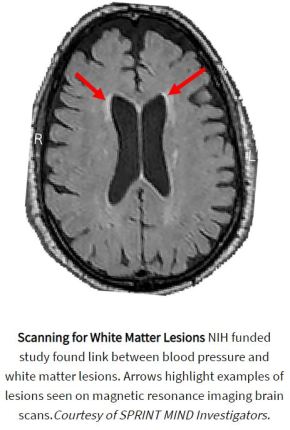 “These initial results support a growing body of evidence suggesting that controlling blood pressure may not only reduce the risk of stroke and heart disease but also of age-related cognitive loss,” said Walter J. Koroshetz, M.D., director of the NIH’s National Institute of Neurological Disorders and Stroke (NINDS). “I strongly urge people to know your blood pressure and discuss with your doctors how to optimize control. It may be a key to your future brain health.”
 Low and high levels of hemoglobin are associated with an increased risk of dementia, including AD, which may relate to differences in white matter integrity and cerebral perfusion.
 A blood test to detect the brain changes of early Alzheimer’s disease has moved one step closer to reality. Researchers from Washington University School of Medicine in St. Louis report that they can measure levels of the Alzheimer’s protein amyloid beta in the blood and use such levels to predict whether the protein has accumulated in the brain. The findings represent a key step toward a blood test to diagnose people on track to develop the devastating disease before symptoms arise.
 Boomers Daily