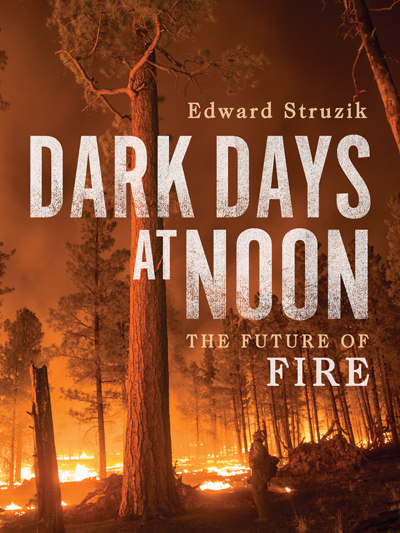
The catastrophic runaway wildfires advancing through North America and other parts of the world are not unprecedented. Fires loomed large once human activity began to warm the climate in the 1820s, leading to an aggressive firefighting strategy that has left many of the continent’s forests too old and vulnerable to the fires that many tree species need to regenerate.
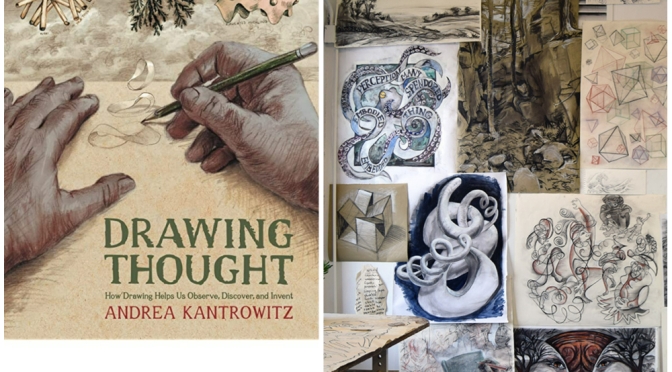
The MIT Press – Drawing is a way of constructing ideas and observations as much as it is a means of expressing them. When we are not ready or able to put our thoughts into words, we can sometimes put them down in arrangements of lines and marks. Artists, designers, architects, and others draw to generate, explore, and test perceptions and mental models.
In Drawing Thought, artist-educator Andrea Kantrowitz invites readers to use drawing to extend and reflect on their own thought processes. She interweaves illuminating hand-drawn images with text, integrating recent findings in cognitive psychology and neuroscience with accounts of her own artistic and teaching practices.
The practice of drawing, with paper and pencil or whatever else is at hand, is a simple and accessible means to become more mindful and aware of our inner and outer worlds. Time slows down when we start drawing. Our attention shifts. Setting aside our worries and fears about the future, we can draw ourselves into stillness. Drawing provides an active way to engage deeply with the present moment, locating our thoughts, perceptions, and feelings, in time and space.
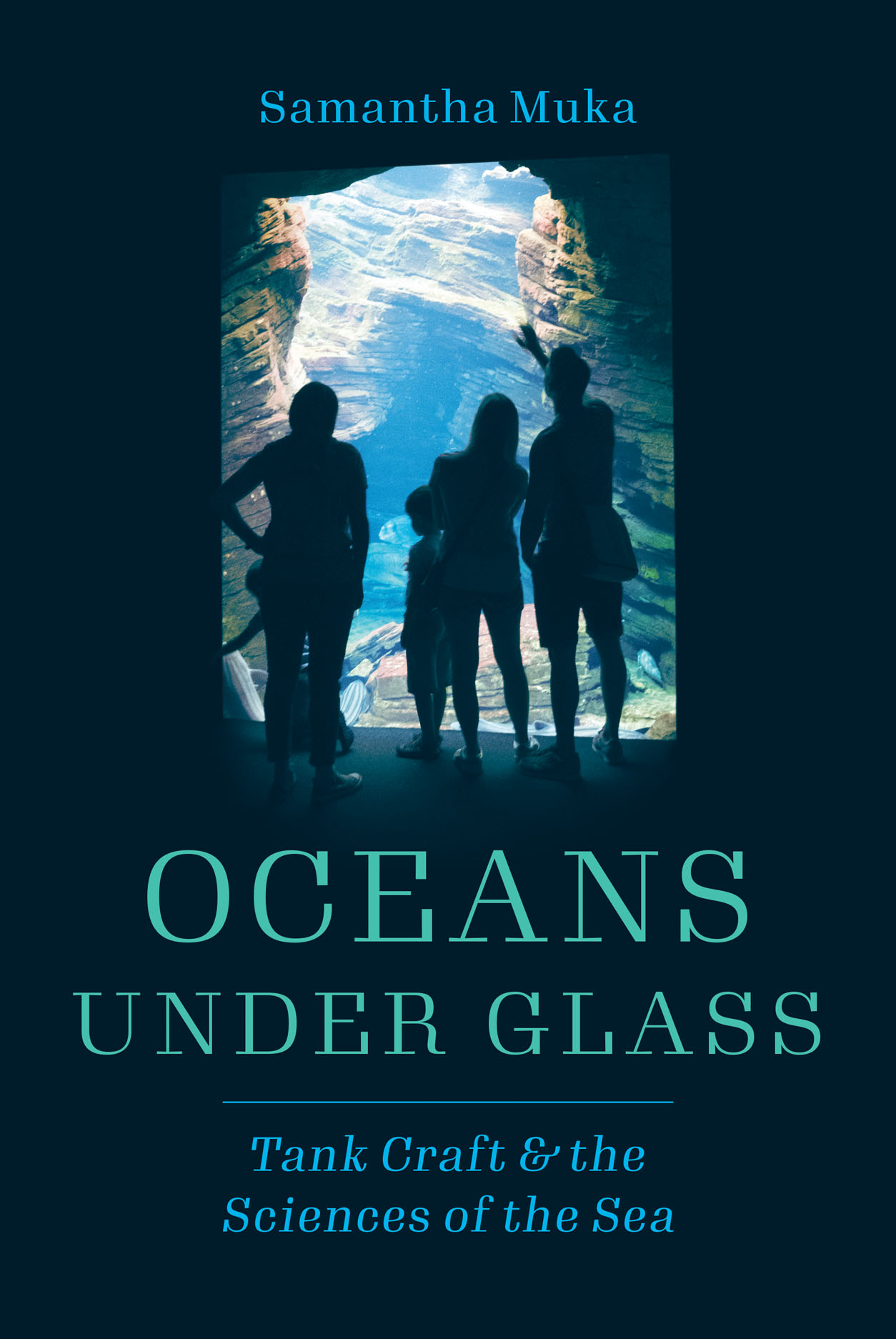
Aquarist knowledge is an often overlooked but vital part of marine research
A welcome dive into the world of aquarium craft that offers much-needed knowledge about undersea environments.
The art of aquarium science
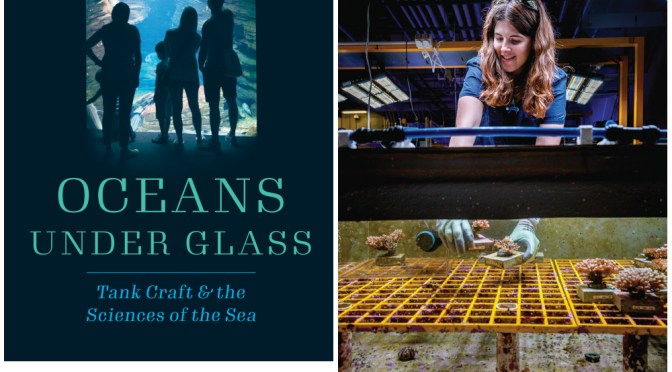
Atlantic coral is rapidly disappearing in the wild. To save the species, they will have to be reproduced quickly in captivity, and so for the last decade conservationists have been at work trying to preserve their lingering numbers and figure out how to rebuild once-thriving coral reefs from a few survivors. Captive environments, built in dedicated aquariums, offer some hope for these corals. This book examines these specialized tanks, charting the development of tank craft throughout the twentieth century to better understand how aquarium modeling has enhanced our knowledge of the marine environment.
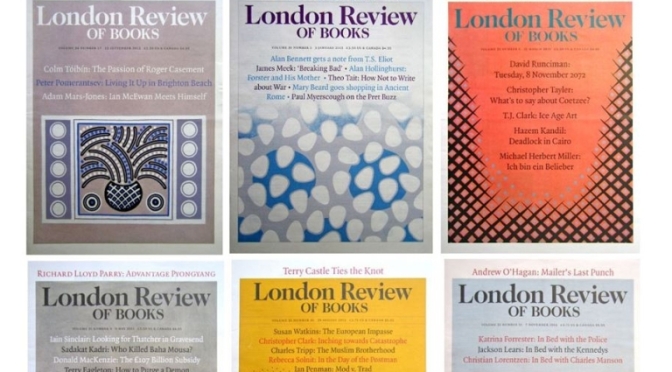
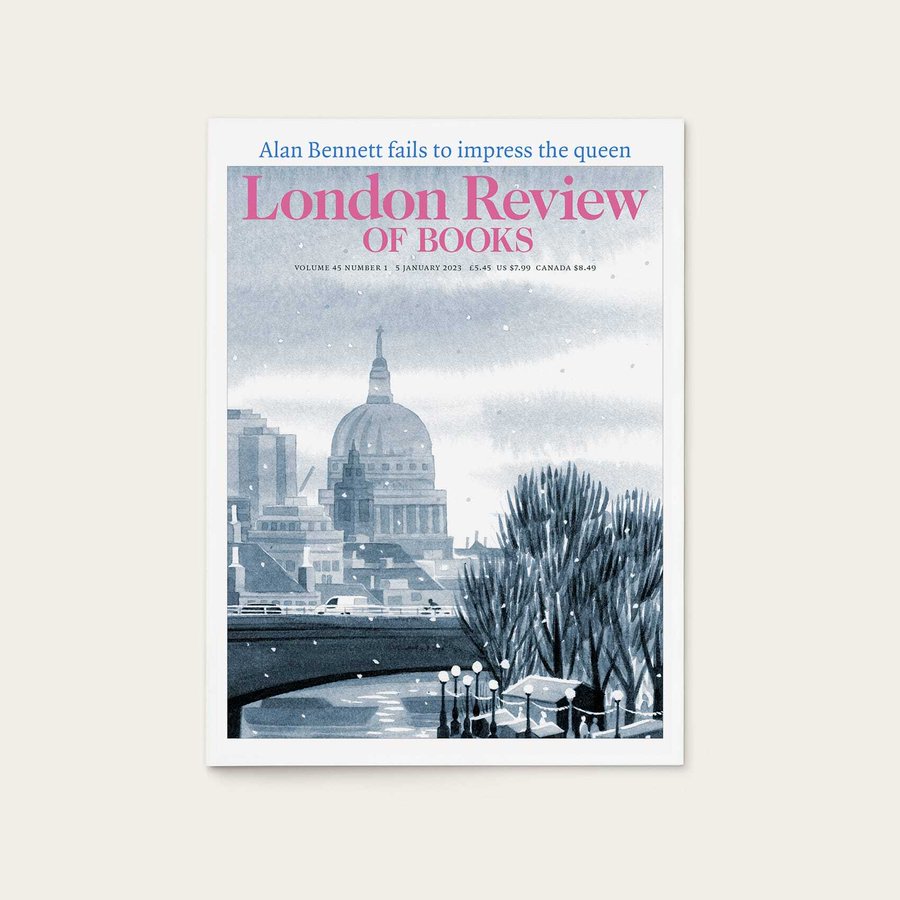
The first issue of LRB volume 45 is now online, featuring Alan Bennett’s diary for 2022, @_jamesmeek on flooding, Anne Enright on Toni Morrison, Jenny Turner @neepmail on Colette, @xlorentzen on Cormac McCarthy and a cover by @Jon_McN.
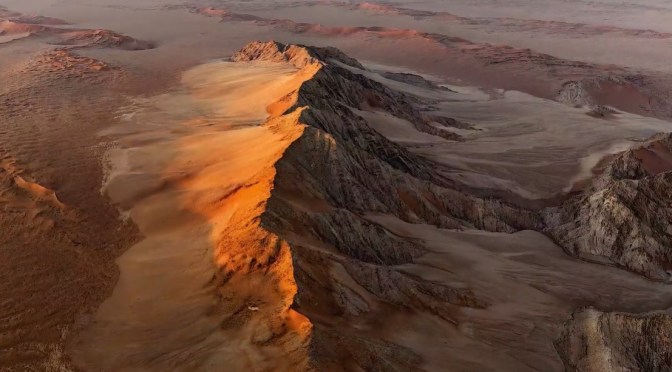
Steidl – In Edward Burtynsky’s recent photographs, produced across the African continent, the patterns and scars of human-altered landscapes initially appear to form an abstract painterly language; they reference the sublime and often surreal qualities of human mark-making.
While chronicling the major themes of terraforming and extraction, urbanization and deforestation, African Studies conveys the unsettling reality of sweeping resource depletion on both a human and industrial scale.
From natural landscapes to artisanal mining and mechanized extraction, several distinct chapters culminate with China in Africa: a series depicting the economic inroads being made by China, including the interiors of gigantic newly built manufacturing plants. This project brings together the work of seven years, presenting the latest installment in Burtynsky’s ongoing œuvre.
Literary Hub (December 19, 2022) – From 35 lists and from 29 publications (yes, there are even more lists out there, but we’re all going to die some day), tallying a total of 887 books. 84 books were highlighted on 4 or more lists, and those are collated those for you here, in descending order of frequency.
An unparalleled novel about money, power, intimacy, and perception. Even through the roar and effervescence of the 1920s, everyone in New York has heard of Benjamin and Helen Rask. He is a legendary Wall Street tycoon; she is the daughter of eccentric aristocrats. Together, they have risen to the very top of a world of seemingly endless wealth–all as a decade of excess and speculation draws to an end. But at what cost have they acquired their immense fortune? This is the mystery at the center of Bonds, a successful 1937 novel that all of New York seems to have read. Yet there are other versions of this tale of privilege and deceit.
On a bitter-cold day, in the December of his junior year at Harvard, Sam Masur exits a subway car and sees, amid the hordes of people waiting on the platform, Sadie Green. He calls her name. For a moment, she pretends she hasn’t heard him, but then, she turns, and a game begins: a legendary collaboration that will launch them to stardom. These friends, intimates since childhood, borrow money, beg favors, and, before even graduating college, they have created their first blockbuster, Ichigo. Overnight, the world is theirs.
The Earth teems with sights and textures, sounds and vibrations, smells and tastes, electric and magnetic fields. But every kind of animal, including humans, is enclosed within its own unique sensory bubble, perceiving but a tiny sliver of our immense world.In An Immense World, Ed Yong coaxes us beyond the confines of our own senses, allowing us to perceive the skeins of scent, waves of electromagnetism, and pulses of pressure that surround us. We encounter beetles that are drawn to fires, turtles that can track the Earth’s magnetic fields, fish that fill rivers with electrical messages, and even humans who wield sonar like bats.






 Science Magazine – December 22, 2022






 Boomers Daily