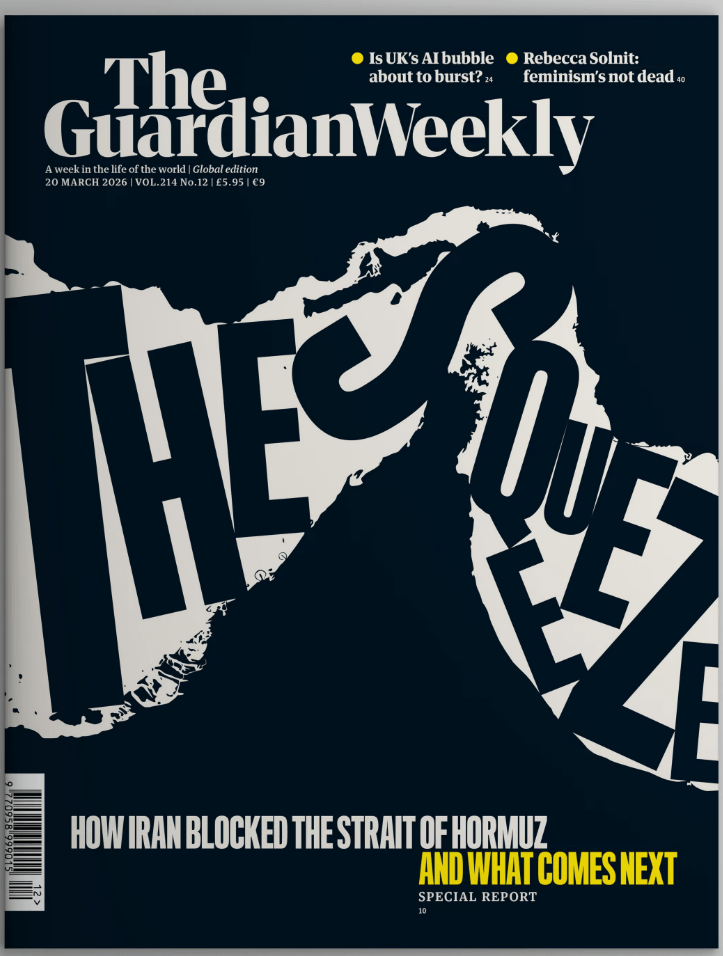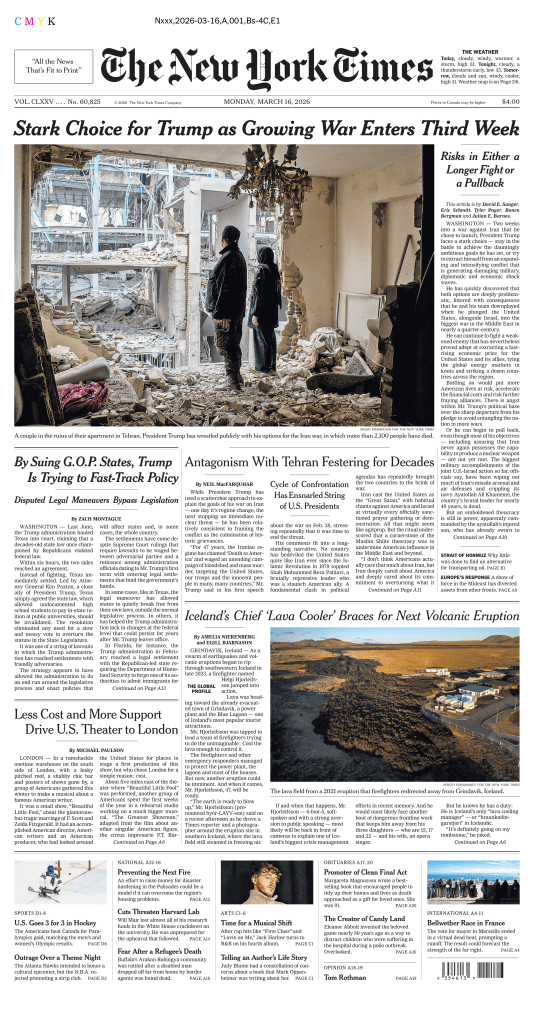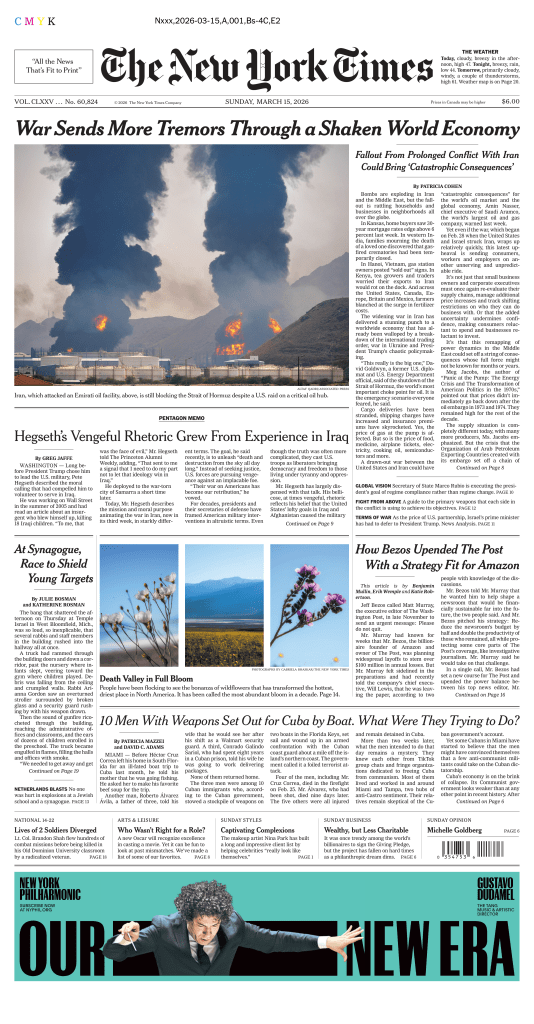
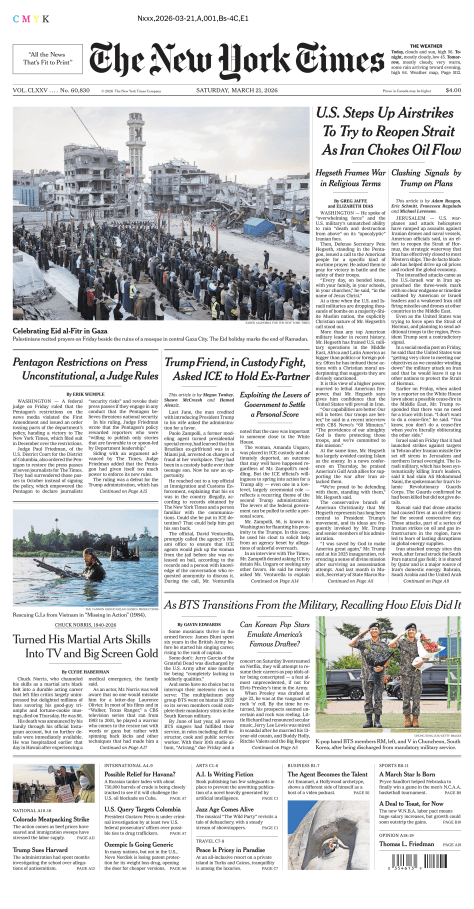
As fighting in the Middle East entered its third week, focus has shifted to Tehran’s closure of a key maritime passage, and the potentially huge global economic impact.
For our big story this week, Jillian Ambrose explains how the war in Iran has effectively blocked the Gulf states from exporting a fifth of the world’s oil supply through the strait of Hormuz. Peter Beaumont sets out the significance of the route and the possible options to counter the blockade, while Hannah Ellis-Petersen reports on the building anger and resentment in the region over being dragged into a war they did not start and had diplomatically tried to prevent.
Peter also looks at “the escalation trap” that lies ahead for both sides in the conflict, and we have on-the-ground reports from Jason Burke in northern Israel and William Christou in southern Lebanon, as well as a stark account of day-to-day life from inside Tehran.
Spotlight | ‘Extraordinary cruelty’ Kaamil Ahmed and Alex Clark examine the evidence that starvation is being used as a weapon of war in Sudan
Technology | Star fruit As Apple reaches its half-century, Chris Stokel-Walker rounds up its biggest triumphs and flops
Feature | Feminism’s not dead! In a stirring riposte to all those who have declared the death of the women’s movement, Rebecca Solnit outlines the advances that have been made and argues it’s no time to give up the fight
Opinion | The British right’s Maga obsession UK conservatives were once hostile to the US, but now are keen to emphasise loyalty to Trump above all else, writesKojo Koram
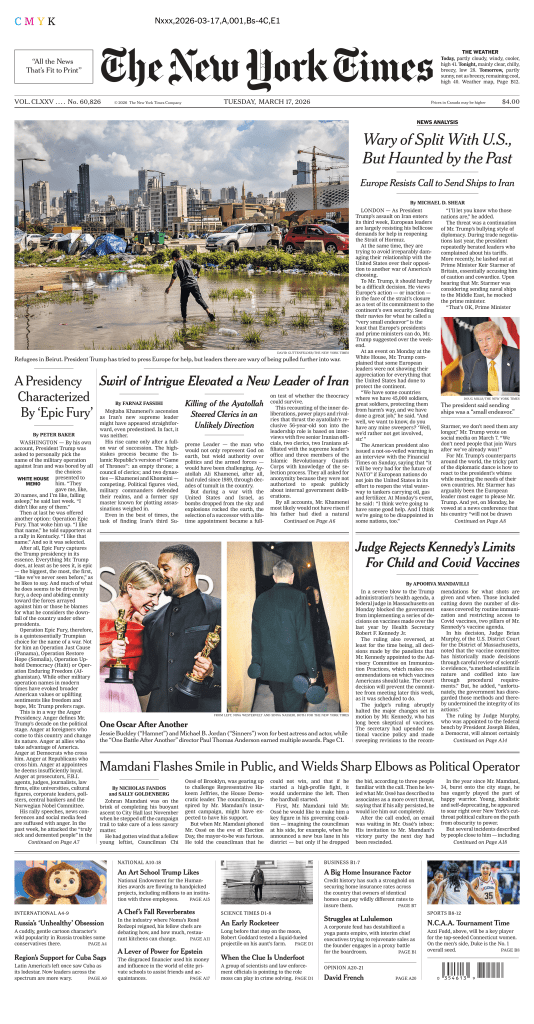
Culture | One win after another After 11 nominations without a single win, film-maker Paul Thomas Anderson deservedly struck gold at the Oscars with One Battle After Another, says Xan Brooks
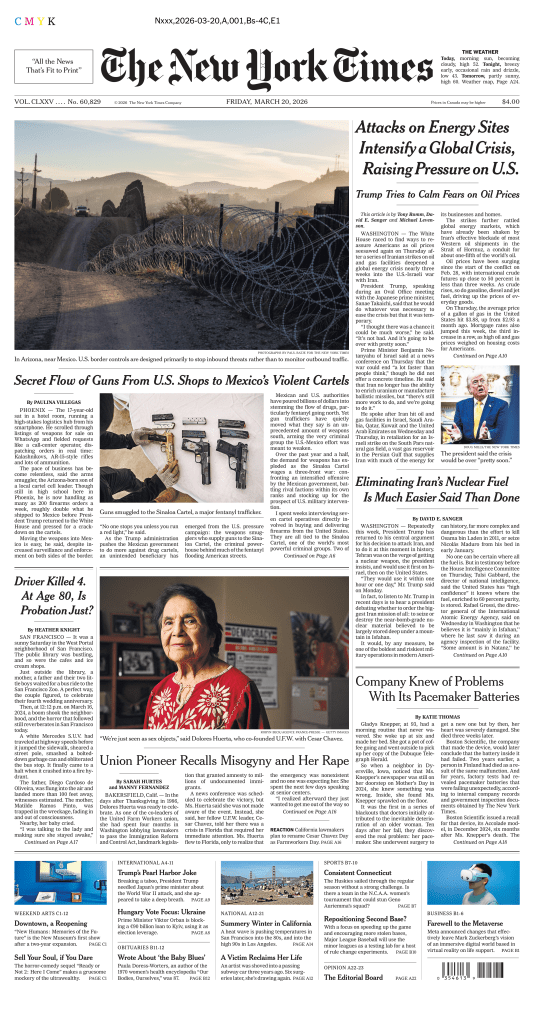
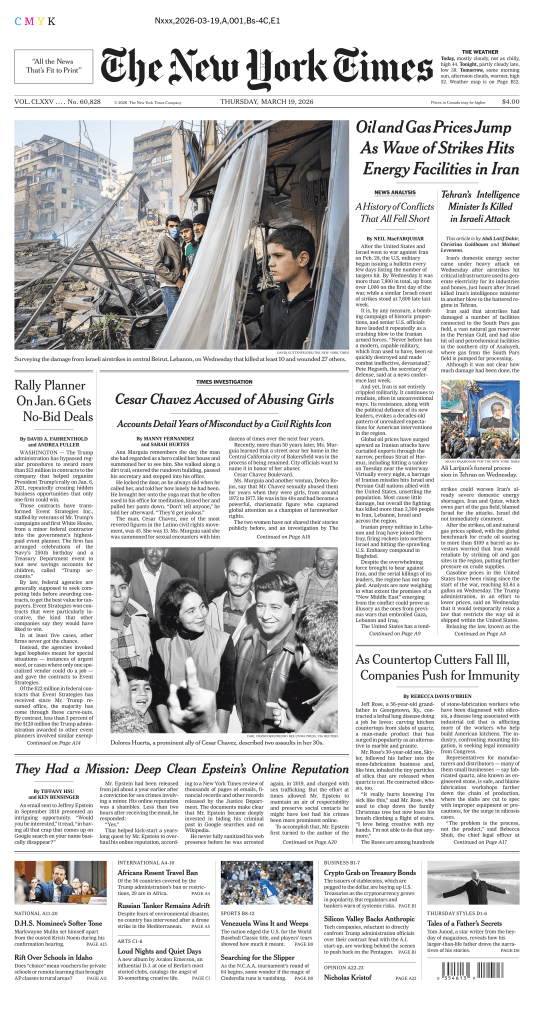
Oil and natural gas prices climbed and European gas prices surged as tit-for-tat attacks on energy infrastructure in the Persian Gulf heightened fears that the war would set off an energy crisis.
European leaders are pushing Prime Minister Viktor Orban to stop blocking a €90 billion loan to Ukraine. But the issue is a rallying cry in remarkably close elections in Hungary set for April 12.
Israel’s attacks are part of Prime Minister Benjamin Netanyahu’s strategy to encourage Iranians to overthrow their rulers. Some see that as wishful thinking.
Israel carried out deadly strikes in Beirut, intensifying its assault against Hezbollah militants. Tehran retaliated for the killing of its de facto leader.
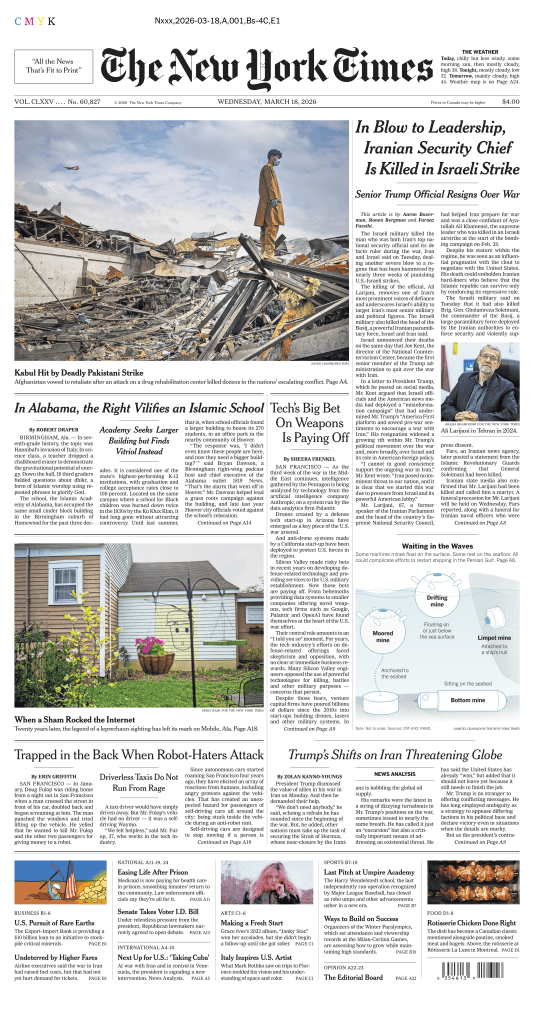
Ali Larijani, Iran’s top security official, was killed in an overnight strike, the Israeli military said. His death would deal another severe blow to Iran’s power structure.
Barraged by Iranian attacks and questioning the value of security ties with the U.S., Gulf countries have turned to Ukraine, Australia and Italy for help.
With a presidential summit most likely delayed, and tensions rising over Iran, vital issues for the U.S. and China are also being cast into uncertainty.
The attack hit a drug rehabilitation facility, Afghanistan said, suggesting that its victims included civilians. Pakistan said it had targeted an ammunitions depot.
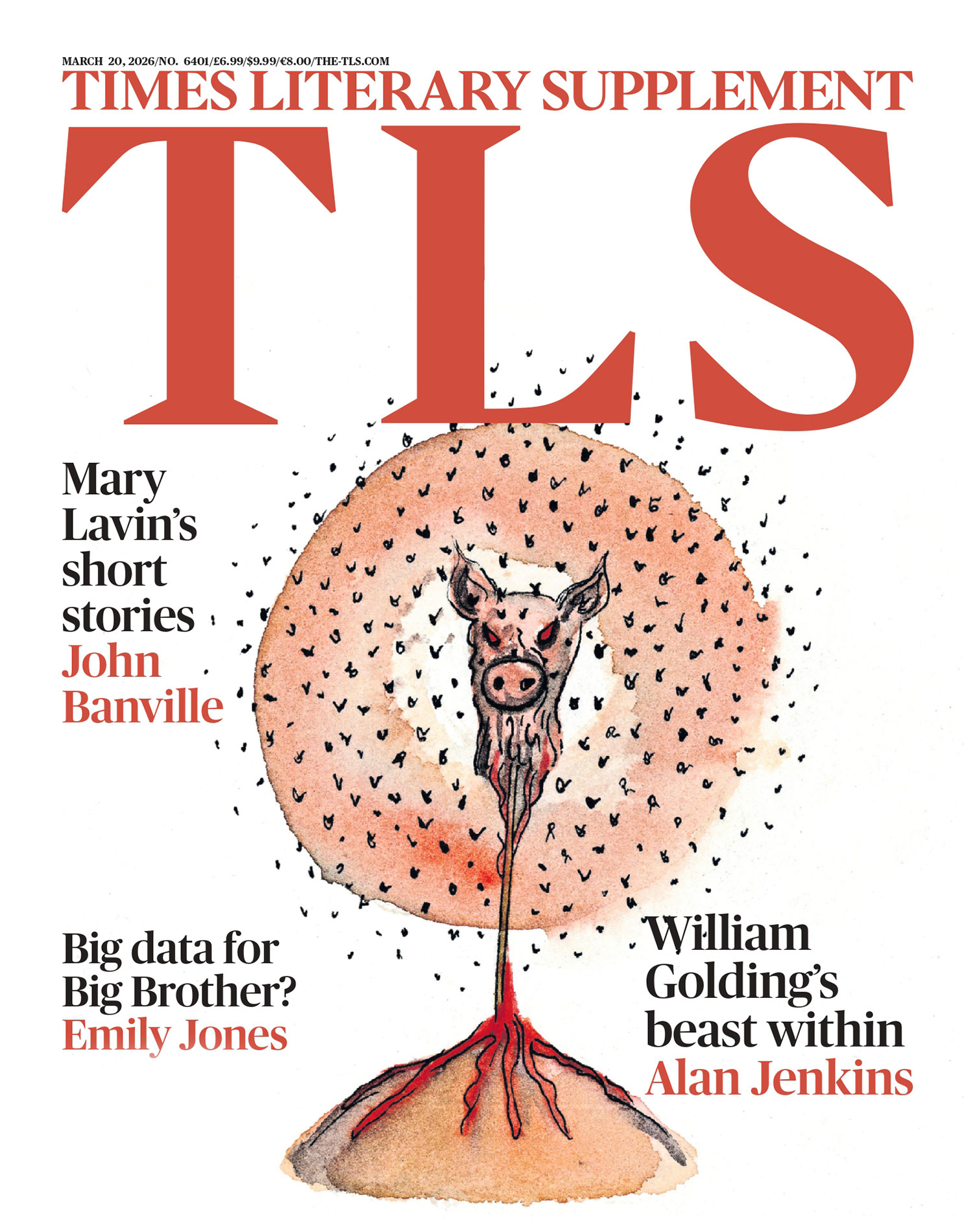
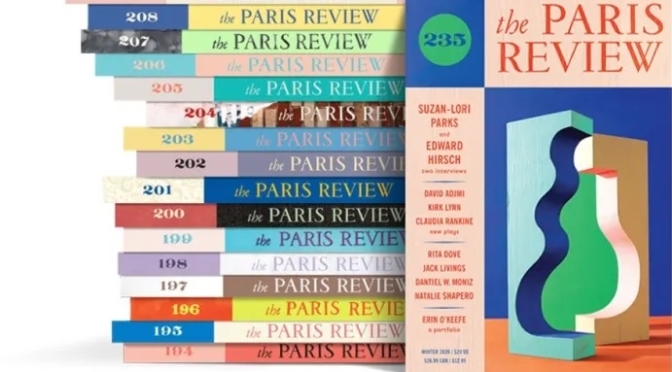
Sarah Schulman on the Art of Nonfiction: “I like to have my say, obviously. And if people would have just let me talk, some of these books wouldn’t have had to be written.”
Darryl Pinckney on the Art of Nonfiction: “There are moments when you run up against a white wall—there’s a white man, white man, white man, white man—and the story somehow has to be uncovered.”
Prose by Ingeborg Bachmann, Dan Bevacqua, Patrick Cottrell, Zans Brady Krohn, Tao Lin, David Szalay, and Yu Hua.
Poetry by Inger Christensen, Rachel Lapides, Enrique Lihn, Joyelle McSweeney, Nakahara Chuya, and Asiya Wadud.
Art by Cecily Brown, Tom Fairs, and Cauleen Smith; cover by Cecily Brown.
Geography and regional rivalries have prevented Gulf countries from finding a true alternative to the strait, which the war with Iran has effectively shut down.
President Trump threatened to “wipe out” oil infrastructure on Kharg Island. The U.S. embassy in Baghdad was hit for the second time, an Iran-backed militia group said.
The threats to shipping in the Strait of Hormuz, including mines laid by Iran, are complicating President Trump’s calculations about how to end the war.
Hegseth Vows to Reopen Key Strait as U.S. Measures Fail to Calm Oil Fears
Defense Secretary Pete Hegseth said that the U.S. military would stop Iran from choking off the Strait of Hormuz but did not say how. Oil prices remained high even after the Trump administration eased restrictions on Russian shipments.
Facing Energy Crisis and Protests, Cuba Acknowledges Talks With U.S
The outreach by President Miguel Díaz-Canel is widely seen as a last-ditch effort to stay in power as the Trump administration ratchets up pressure.