
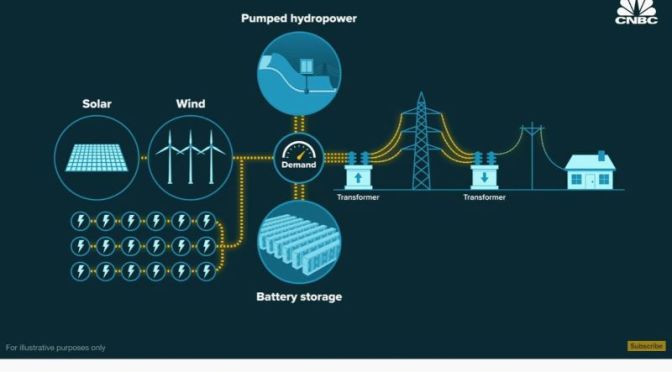
The U.S. electric grid is outdated. Designed for a world that runs on fossil fuels, our grid needs some major tech upgrades in order to transition to a more distributed, all-renewable system. That means smart, internet connected hardware working in tandem with advanced data analytics software to ensure that supply and demand are balanced, even when the sun isn’t shining or the wind isn’t blowing.
Tag Archives: Batteries
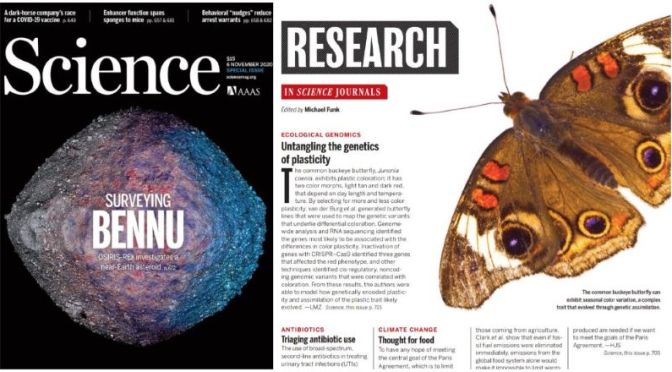
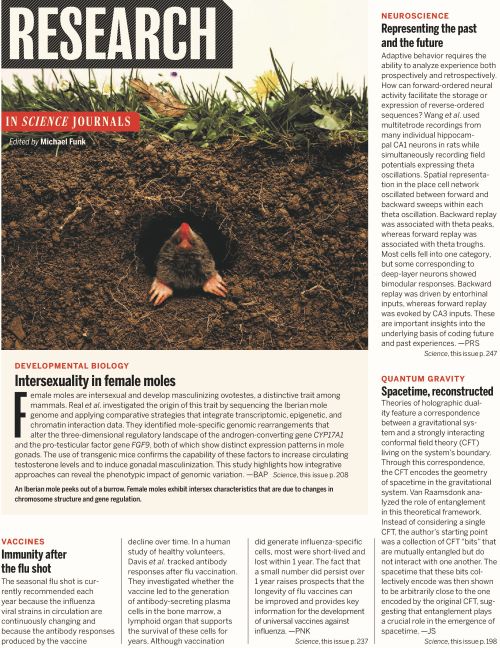
TOP JOURNALS: RESEARCH HIGHLIGHTS FROM SCIENCE MAGAZINE (NOV 6, 2020)

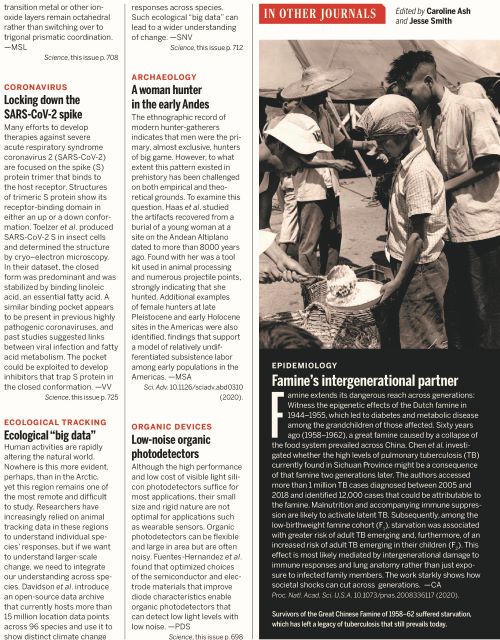
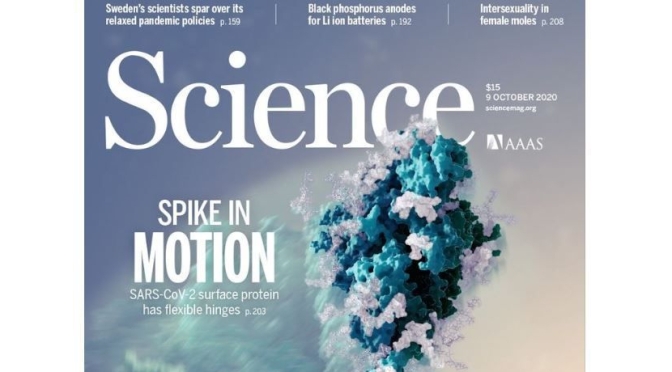
TOP JOURNALS: RESEARCH HIGHLIGHTS FROM SCIENCE MAGAZINE (OCT 9, 2020)

Top New Science Podcasts: Better Battery Charging, Understanding Mice & Electricity From Thin Air
 This week, machine learning helps batteries charge faster, and using bacterial nanowires to generate electricity from thin air.
In this episode:
00:46 Better battery charging
A machine learning algorithm reveals how to quickly charge batteries without damaging them. Research Article: Attia et al.
07:12 Research Highlights
Deciphering mouse chit-chat, and strengthening soy glue. Research Highlight: The ‘silent’ language of mice is decoded at last; Research Article: Gu et al.
09:21 Harnessing humidity
A new device produces electricity using water in the air. Research Article: Liu et al.
16:30 News Chat
Coronavirus outbreak updates, the global push to conserve biodiversity, and radar reveals secrets in an ancient Egyptian tomb. News: Coronavirus: latest news on spreading infection; News: China takes centre stage in global biodiversity push
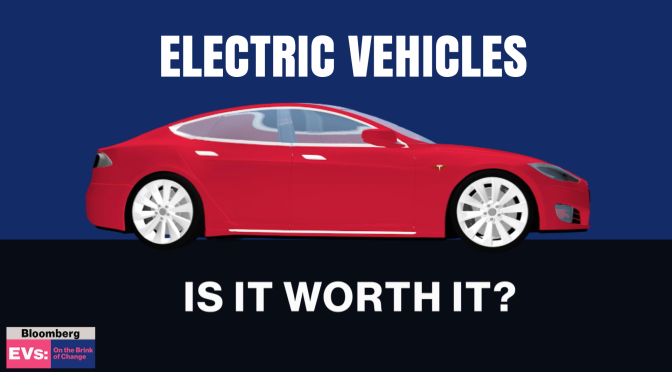
Technology: “What Goes Into Electric Vehicles”
Feb.18 — In the series “EVs: The Brink of Change”, Bloomberg’s Alix Steel breaks down electric vehicles – what’s in them, how they work, their range, and cost of certain models.
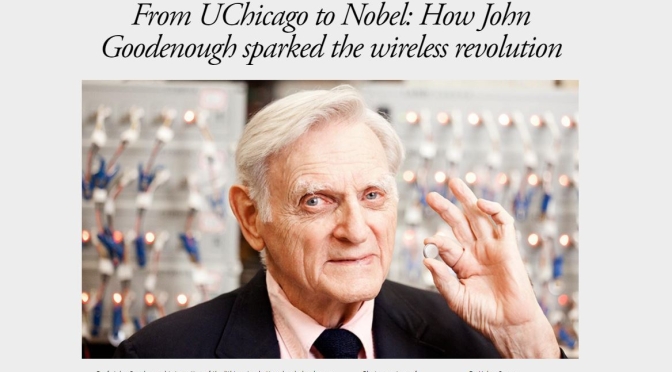
Science Profiles: 97-Year Old Professor John B. Goodenough Becomes Oldest Nobel Prize Winner In Chemistry
From a UChicago News online article:
 Three-quarters of a century later, at age 97, Goodenough will become the oldest person to receive the Nobel Prize in Chemistry. At a Dec. 10 ceremony in Sweden, he will be honored for pioneering breakthroughs that led to the widespread use of the lithium-ion battery—and helping spark the wireless revolution. The descendants of his batteries now power modern smartphones and hold the potential to one day sustainably harvest solar and wind power.
John B. Goodenough can still remember, word for word, what a University of Chicago professor told him when he arrived on campus following World War II: “I don’t understand you veterans,” said John A. Simpson, a new UChicago instructor who had just helped achieve the first nuclear reaction. “Don’t you know that anyone who has ever done anything significant in physics had already done it by the time he was your age—and you want to begin?”
 Boomers Daily