Each year, just about 30,000 metric tonnes of plastic pollution enter Indonesia’s waters. How does one man plan to clean it up?
In Indonesia, the ocean plays a critical role in people’s livelihood; from their food to their careers. But that important life source is under threat from overwhelming amounts of plastic. Unfortunately, this pollution is fueled from one of Indonesia’s most popular tourist destinations, Bali.
This, combined with plastic from the rest of the world, washes up on beaches, gets hooked by local fishermen, and damages marine ecosystems. This film follows Wayan, a 90-year-old Balinese fisherman using all his resources and knowledge to tackle this growing problem, one net of trash at a time. This is Voice Above Water, a production from Turning Tides Films.
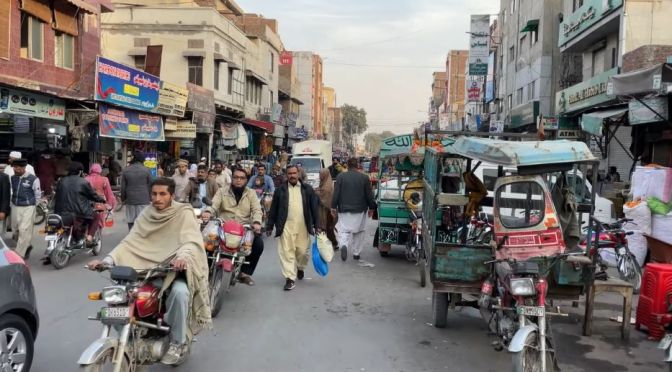
Rawalpindi, is the capital city of Rawalpindi Division located in the Punjab province of Pakistan. Rawalpindi is the fourth-largest city proper in Pakistan after Karachi, Lahore and Faisalabad respectively while the larger Islamabad-Rawalpindi metropolitan area is the country’s third largest metropolitan area.
Faisalabad, formerly known as Lyallpur, named after the founder of the city is the third-most-populous city in Pakistan after Karachi and Lahore respectively, and the second-largest in the eastern province of Punjab.
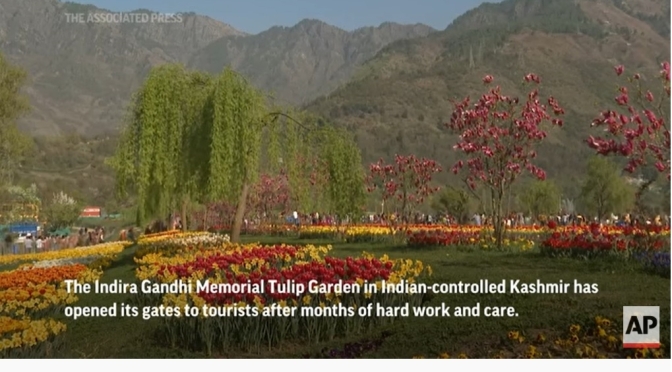
It’s bloom season at one of Asia’s largest tulip gardens in Indian-administered Kashmir. Due to sustained low numbers of COVID-19 cases in India, thousands of tourists are visiting the garden where more than 1.5 million tulips, hyacinths and daffodils are on display. (April 1)
The city is a cultural center in the North of Pakistan with over 11 million inhabitants. It’s vibrant, bustling and full of historic buildings and traditions. Eva meets unique characters from Lahore who take her on a tour through their city. The ancient Wazir Khan Mosque is a must-see, and don’t miss a spontaneous visit to a local barber shop 😉. And look forward to meeting @Zenith Irfan, who was the first Pakistani woman to cross the country on a motorcycle, earning her the nickname “motorcycle woman”.
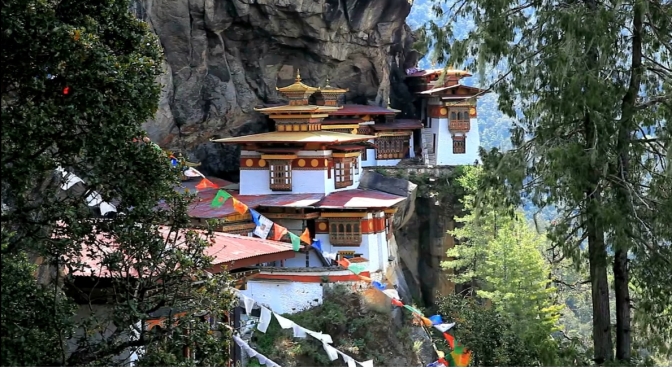
Bhutan, a Buddhist kingdom on the Himalayas’ eastern edge, is known for its monasteries, fortresses (or dzongs) and dramatic landscapes that range from subtropical plains to steep mountains and valleys. In the High Himalayas, peaks such as 7,326m Jomolhari are popular trekking destinations. Paro Taktsang monastery (also known as Tiger’s Nest) clings to cliffs above the forested Paro Valley.
Thimphu, Bhutan’s capital, occupies a valley in the country’s western interior. In addition to being the government seat, the city is known for its Buddhist sites. The massive Tashichho Dzong is a fortified monastery and government palace with gold-leaf roofs. The Memorial Chorten, a whitewashed structure with a gold spire, is a revered Buddhist shrine dedicated to Bhutan’s third king, Jigme Dorji Wangchuck.
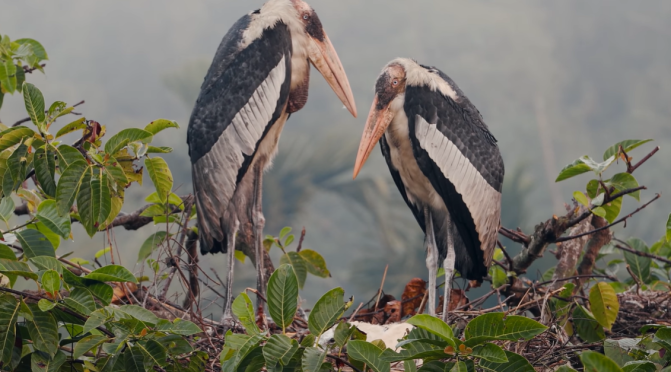
A wildlife photographer travels to India intent on documenting the rarest stork on earth but soon discovers a conservation hero and her inspiring efforts to rally a community to save it.
The Greater Adjutant is a large scavenging stork that was once widely distributed across India and Southeast Asia but is now confined to a last stronghold in Assam, India, with small populations persisting in Cambodia’s northern plains region. The species is classified as Endangered by the IUCN with a rapidly declining population of around 1,200 individuals. The key threats to the species are direct human persecution, particularly at nesting colonies, habitat destruction, including felling of nest-trees, and drainage, conversion, pollution and degradation of wetlands. Historically, adjutants bred during the dry season, taking advantage of abundant prey steadily trapped by receding water levels, and scavenging the remains of now extirpated megafauna. Today, the last adjutants survive alongside humans, congregating at garbage dumps and nesting colonially in rural villages. The majority world’s remain population lives around the city of Guwahati and relies on a single garbage dump for food and nearby villages for nesting. As the adjutant’s nesting colonies occur outside of state protected areas in Assam, community conservation initiatives are the only hope for saving the bird from extinction. Through the efforts of a remarkable conservation leader, Dr. Purnima Devi Barman, and the movement she has inspired, the birds are now protected, celebrated, and increasing their numbers locally. Despite this success and the momentum to conserve the species, the Greater Adjutant’s existence remains precarious.
Bangladesh is struggling just to stay afloat. Literally: By 2050, it’s estimated that climate issues will displace one in seven of the country’s inhabitants.
This film takes the viewer on a journey through Bangladesh, exploring why overflowing rivers flood three-quarters of the country every year. We see how flooding threatens the country’s food security, how soil erosion thrusts thousands into homelessness, and how climate refugees are forced to flee their homes in a desperate act of survival.
Along the way, we meet communities adapting to rising sea climate change by growing food on water. This is a strategy which could prove very useful in the near future, as rising sea levels threaten to inundate 11% of the country’s land in the next 30 years.
This documentary brings us to the front lines of the battle against catastrophic climate change in Bangladesh. It also tells the stories of activists who are bringing the dangers posed by man-made threats to light.
Wepreview this week’s Asean summit, which arrives at a turbulent time for the region, and discuss the possibility of an EU diplomatic mission in Kabul. Plus, can the weather bring viewers back to Fox News?







 Boomers Daily