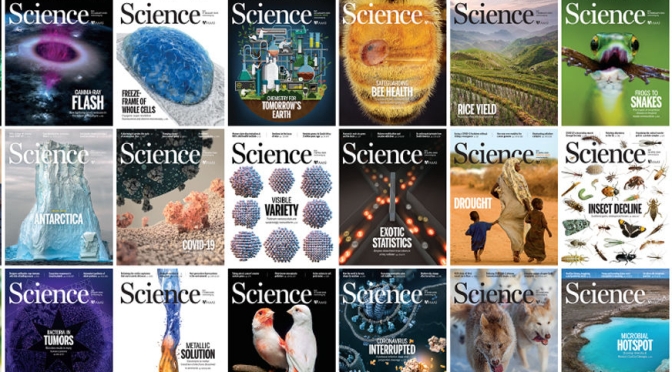
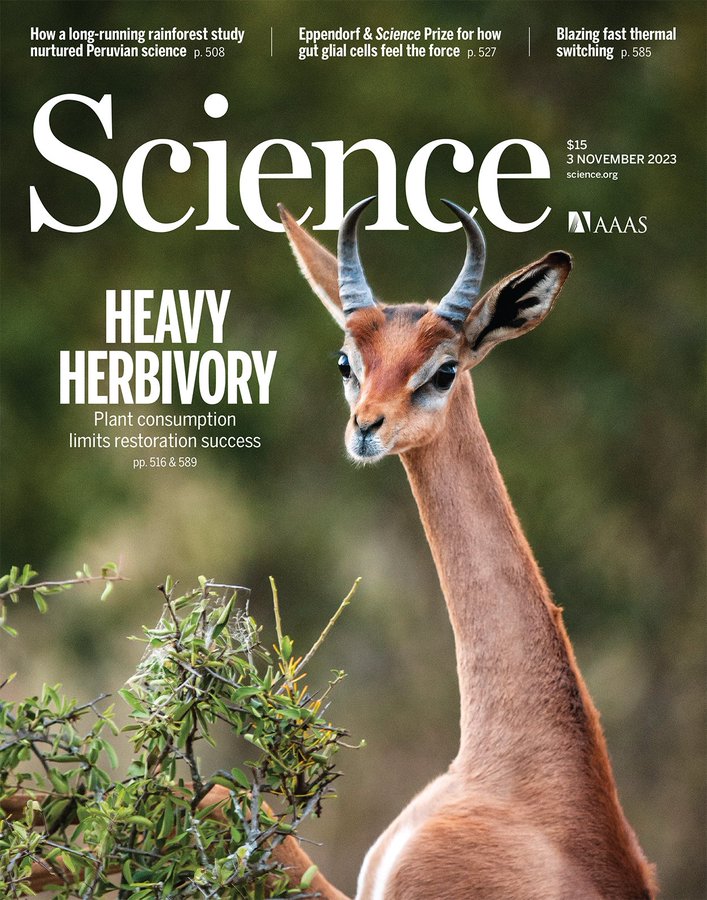
Science Magazine – November 3, 2023: The new issue features Heavy Herbivory – Plant consumption limits restoration success; How a long-running rainforest study nurtured Peruvian science; No easy way to explain cosmic expansion mystery; Ancient fish reveal the origin of the shoulder in vertebrates, and more…
The Economist Magazine (November 2, 2023): The latest issue features The contradiction at the heart of the world economy – Threats abound, including higher-for-longer interest rates; Why Israel must fight on – Unless Hamas’s power is broken, peace will remain out of reach; unless Hamas’s power is broken, peace will remain out of reach; Donald Trump’s tariff plans would inflict grievous damage on America and the world – You may think his worst ideas won’t get far. Sadly, on trade he has been singularly influential…
The world economy is defying gravity. That cannot last. Threats abound, including higher-for-longer interest rates
Even as wars rage and the geopolitical climate darkens, the world economy has been an irrepressible source of cheer. Only a year ago everyone agreed that high interest rates would soon bring about a recession. Now even the optimists have been confounded. America’s economy roared in the third quarter, growing at a stunning annualised pace of 4.9%. Around the world, inflation is falling, unemployment has mostly stayed low and the big central banks may have stopped their monetary tightening. China, stricken by a property crisis, looks likely to benefit from a modest stimulus. Unfortunately, however, this good cheer cannot last. The foundations for today’s growth look unstable. Peer ahead, and threats abound.
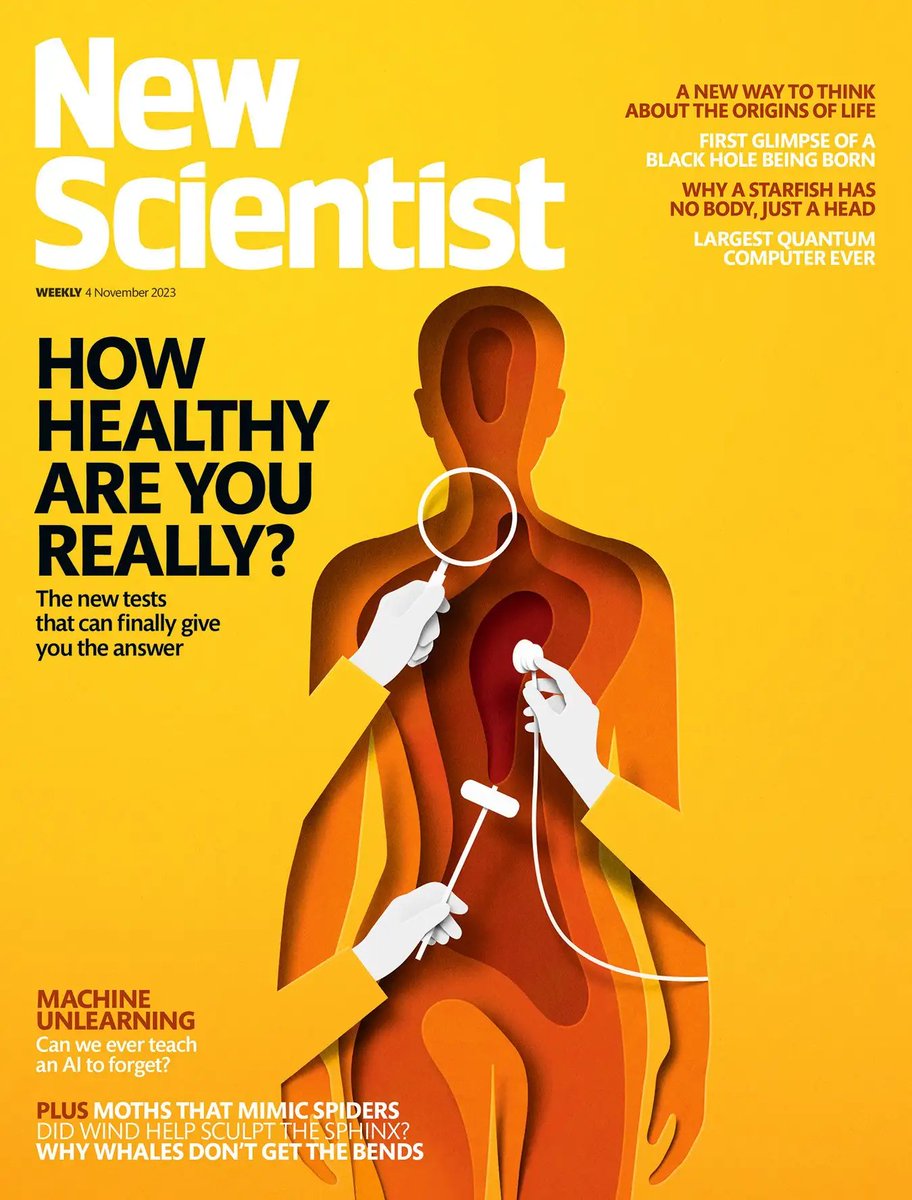
New Scientist Magazine (November 4, 2023): This issue features How healthy are you really? – New tests to give you the answer; The origins of Life; Machine Unlearning – Can we ever teach an AI to forget?; Moths that mimic spiders; Did wind help sculpt the Sphinx; and more…
The Globalist Podcast (November 2, 2023) – International Crisis Group’s Palestine analyst, Tahani Mustafa, joins Georgina Godwin to discuss the purpose of US Secretary of State Antony Blinken’s second visit to Israel and the reported increase in settler violence in the West Bank.
Plus: we explain the biggest challenges addressed at London’s AI Safety Summit and why Switzerland is handing out iodine pills.
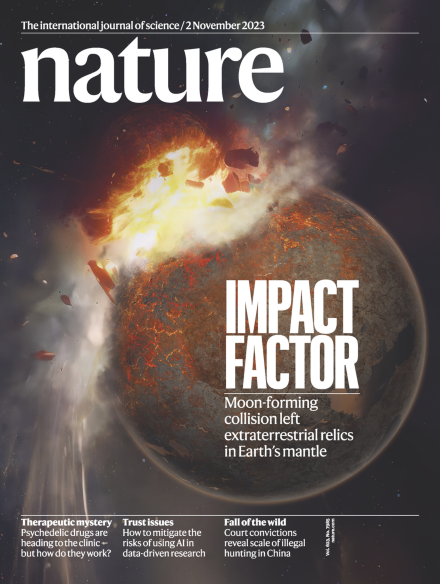
nature Magazine – November 2, 2023: The latest issue cover features an artist’s impression of the collision between the protoplanet Theia and proto-Earth about 4.5 billion years ago. It has been suggested that it was this ‘Giant Impact’ that formed the Moon, but direct evidence for the existence of Theia remains elusive.
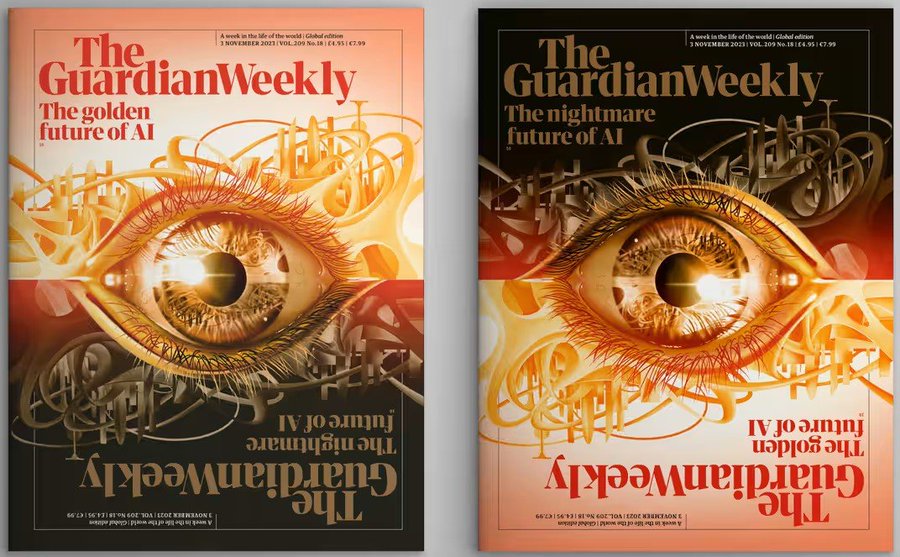
The Guardian Weekly (November 3, 2023) – The new issue features Bletchley Park, the main center of allied second world war codebreakers,and it’s no coincidence that the English country house was chosen as the venue for this week’s landmark summit on safety in artificial intelligence. The age of AI brings opportunities but also significant risks, as a number of experts in the field outlined in an open letter last week.
Global technology editor Dan Milmo discusses the pros and cons with one of the technology’s leading thinkers, Demis Hassabis, the CEO of Google DeepMind, who says the rise of AI must be thought of as seriously as the climate crisis. Then, Observer columnist Sonia Sodha argues that calling for AI to be reined in is not simply a sign of luddism.
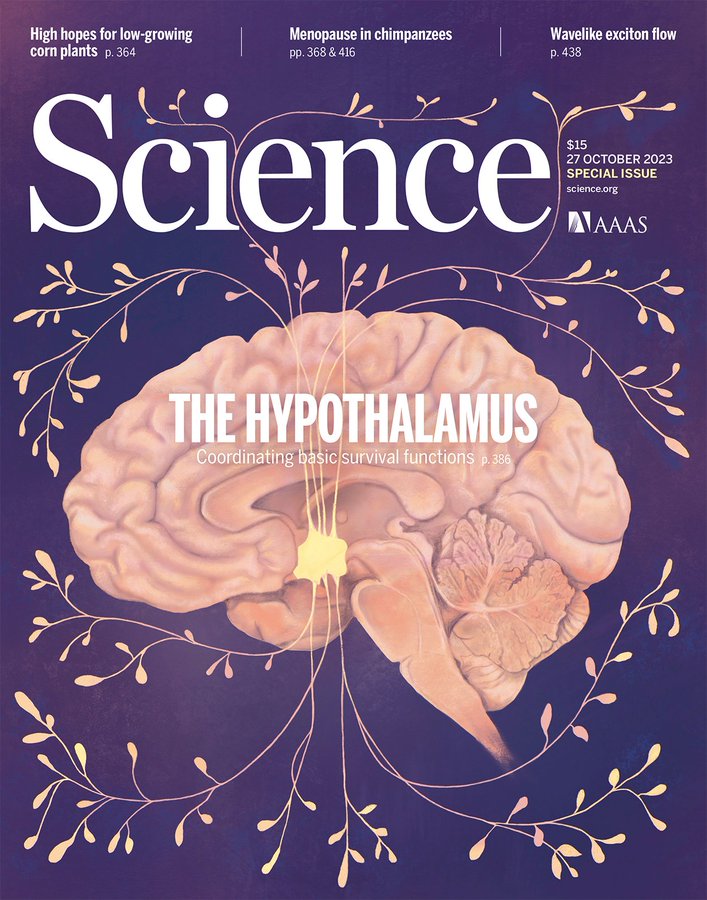
Science Magazine – October 27, 2023: The new issue features The Hypothalamus – Coordinating basic survival functions; High hopes for low-growing corn plants; A quantum process in a laser microchip….
If you pause for a second and think about the activities that occupy most of your day, presumably sleeping, eating, and engaging in social interactions are among the first that come to your mind. Perhaps surprisingly, a small area buried deep inside the brain, called the hypothalamus, is responsible for coordinating neuronal signals related to these activities. By controlling the homeostasis of the neuroendocrine, limbic, and autonomic nervous systems, the hypothalamus is a key brain region for many physiological and pathological processes. Despite its small size, the hypothalamus has a complex cellular organization and circuitry that determine its structural and functional organization. It is composed of 11 nuclei grouped by their location and has vast, mostly bidirectional connections with many neuronal and endocrine systems.
Plants bred or engineered to be short can stand up better to windstorms. They could also boost yields and benefit the environment
To an interstate traveler—or anyone lost in a corn maze—the most impressive feature of corn is its stature. Modern corn can grow twice as tall as a person, but height has drawbacks, making the plants vulnerable to wind and more difficult for farmers to tend. Plant scientists think corn can be improved by making it shorter, and leading seed companies are doing that through both conventional breeding and genetic engineering. Bayer has launched a short variety in Mexico, another company is selling its versions in the United States, and more are getting involved.
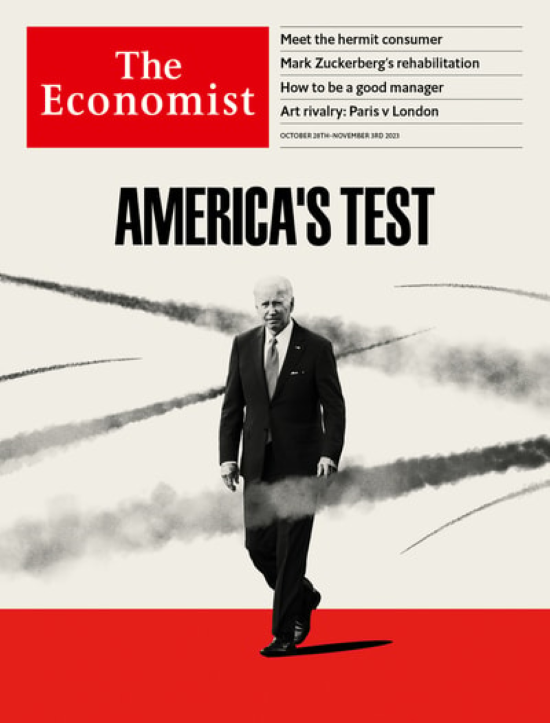
The Economist Magazine (October 28, 2023):The latest issue features America’s Test – How will it manage the Israel-Hamas war?; Argentina’s troubling election result; Should governments be ‘policing’ AI? and the ‘Art Rivalry’ between Paris and London….











 New Scientist Magazine (November 4, 2023): This issue features How healthy are you really? – New tests to give you the answer; The origins of Life; Machine Unlearning – Can we ever teach an AI to forget?; Moths that mimic spiders; Did wind help sculpt the Sphinx; and more…






 Boomers Daily