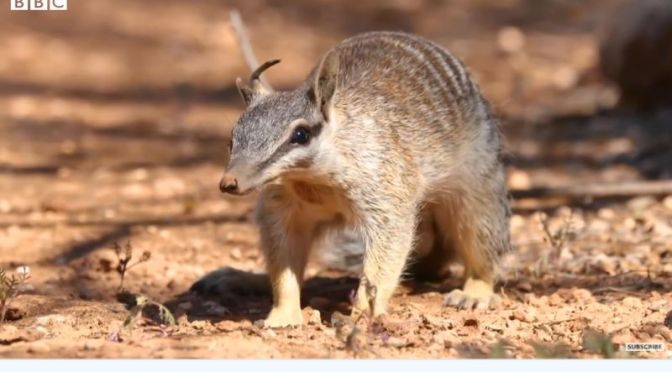
The numbat – a small and little-known Australian marsupial – is one of the world’s most endangered animals. Conservationists are working hard to save them by building vast, predator-free sanctuaries.
The numbat is an insectivorous marsupial. It is diurnal and its diet consists almost exclusively of termites. It was once widespread across southern Australia, but is now restricted to several small colonies in Western Australia. It is therefore considered an endangered species and protected by conservation programs.
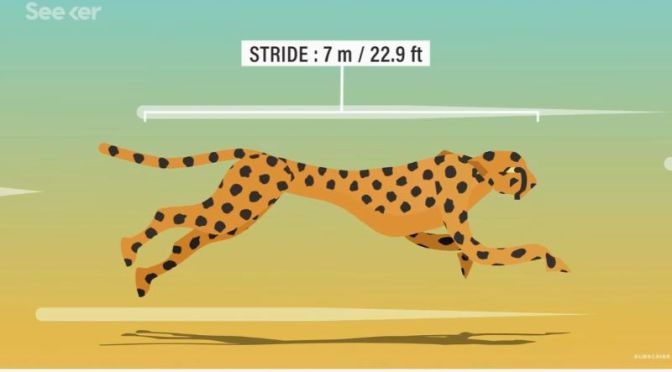
Cheetahs are the fastest land animals on Earth. So what’s the secret to their incredible speed?
A cheetah has a short muzzle, small canines, and other features to help reduce the overall weight of its head. All this results in a skull that weighs around 500 grams. That’s just over a pound. Now, cheetahs need this light skull to make space for a large nasal cavity. Because cheetahs need LOTS of oxygen. To help meet this need, they have large nostrils that allow for quick and large intakes of air while the cheetah’s large chest holds its lungs and heart, which work together to help circulate the oxygen throughout its body. And that’s crucial, since a cheetah can take anywhere between 60 to 150 breaths per minute. This is a drastic increase, since at rest, a cheetah takes in about 9 breaths per minute. That means that when these cats really get going, their breathing rate goes up to SIXTEEN TIMES faster. What’s even more fascinating is that while running, you’ll notice that a cheetah’s head doesn’t move. It stays incredible still.
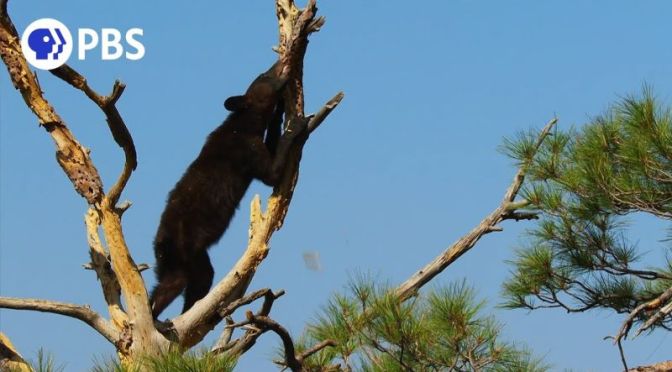
There are many reasons Big Bend is good for bears and this is one of them.
Big Bend National Park is in southwest Texas and includes the entire Chisos mountain range and a large swath of the Chihuahuan Desert. The Ross Maxwell Scenic Drive leads to the ruins of Sam Nail Ranch, now home to desert wildlife. The Santa Elena Canyon, carved by the Rio Grande, features steep limestone cliffs. Langford Hot Springs, near the Mexican border, has pictographs and the foundations of an old bathhouse.
“Sunday Morning” takes us to Florida’s Ten Thousand Islands. Videographer: Charles Schultz.
The Ten Thousand Islands are a chain of islands and mangrove islets off the coast of southwest Florida, between Cape Romano and the mouth of the Lostmans River. Some of the islands are high spots on a submergent coastline. Others were produced by mangroves growing on oyster bars.
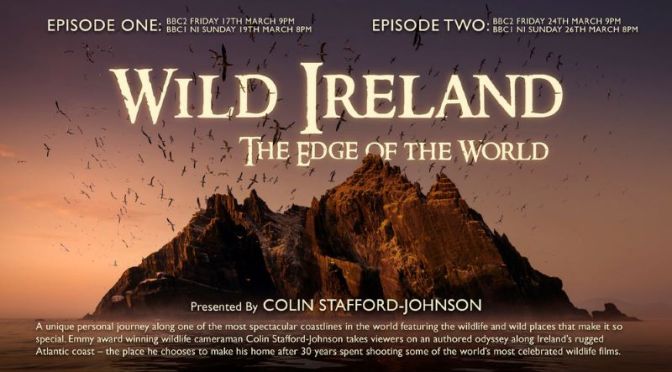
Emmy-award-winning nature cameraman Colin Stafford-Johnson takes a long trip along Ireland’s coastline, one of the most beautiful in the world. As he travels he visits wild locations and happens across a variety of wildlife, which are all captured using the latest in filming techniques and technology, such as high-speed footage and Cineflex. Also in his journey Colin will visit a gannet colony, see humpback whales and basking sharks surface, and uncover some of the early Christian history of the island, amongst much more.
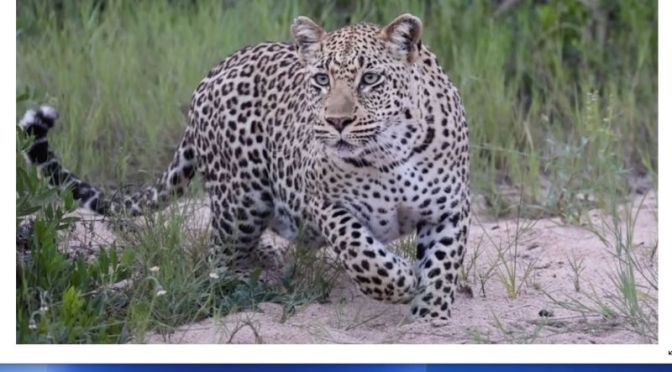
The Island female hunt and kill an impala. We also spend time with the Marthly pride, a herd of elephants and two fighting Natal Spurfowls. … From MalaMala Game Reserve to wherever you are in the world, we’ll bring you moments from our daily safaris in one of Africa’s most iconic private game reserves.
Mala Mala is a game reserve located within the Sabi Sand Game Reserve, Mpumalanga province, South Africa. It is the largest and the oldest private big five game reserve in South Africa, It covers around 130 km² or 15 000 hectares of land
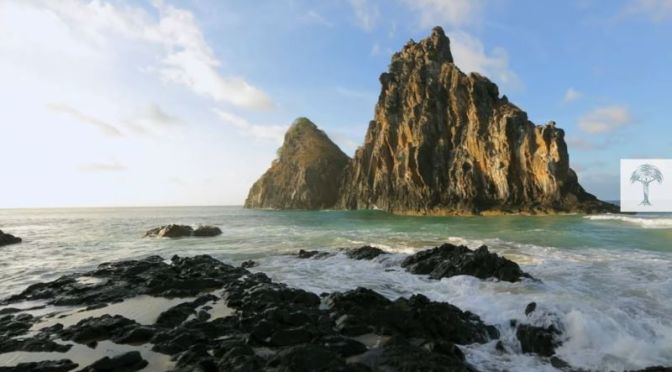
On the wild and windy coast of Brazil, survival is a tricky business. As well as evading giant waves and changing tides, Sally Lightfoot crabs are ambushed by eels and octopuses.
The journey to their feeding grounds is fraught with danger – even for a creature that can walk on water. In unique footage of these incredible crustaceans, we show you how Sally Lightfoot crabs eat, escape and survive in these harsh conditions – and where they may have got their name. Check out our World’s Weirdest Animals playlist for more amazing creatures and don’t forget to subscribe and hit the alert button to keep up with our latest content!
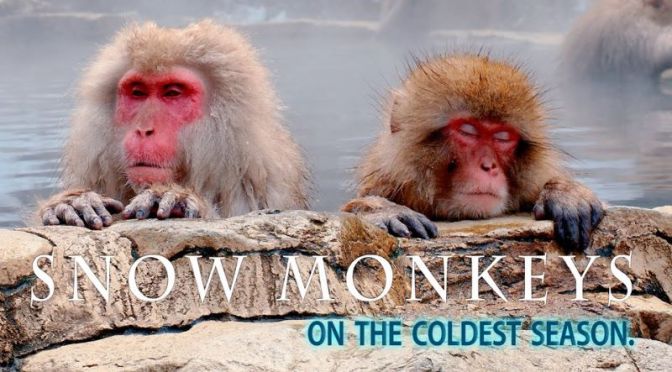
Jigokudani Monkey Park is located in Yamanouchi, Nagano Prefecture, Japan. It is part of the Joshinetsu Kogen National Park, and is located in the valley of the Yokoyu-River, in the northern part of the prefecture.
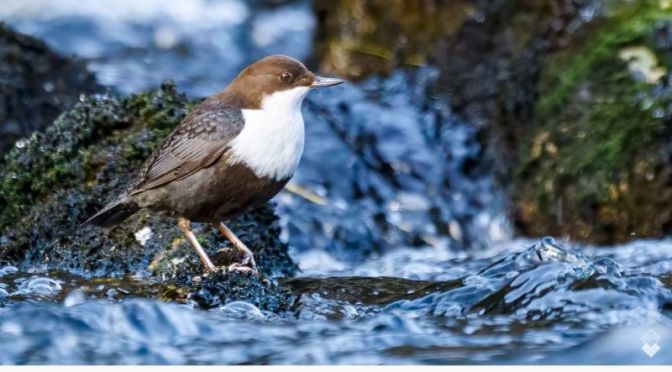
In this episode, I’m shooting bird photography in Hardanger again. It’s winter and close to Christmas time, the weather variates between mild and cold temperatures. But there are still birds to photograph!


 Boomers Daily