Ron DeSantis, Ted Cruz, Mike Pompeo, Nikki Haley and other Republicans with a potential eye on 2024 gathered in Las Vegas at a moment of deep vulnerability for Donald Trump.
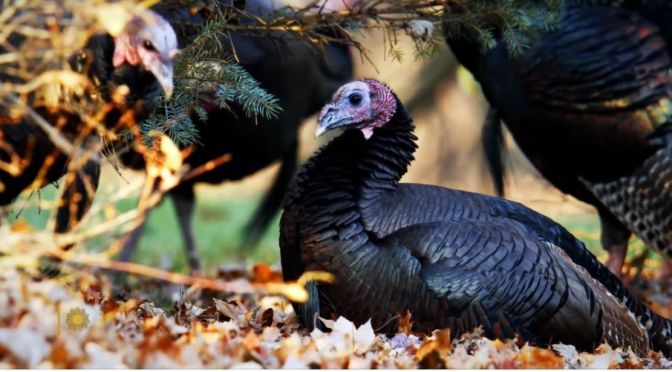
CBS Sunday Morning – We leave you this Sunday morning with some very lucky turkeys living it up at Swan Creek Metropark in Toledo, Ohio. Videographer: Alex Goetz.
Ohio’s largest gamebird can be viewed almost everywhere, nowadays – woodlands, prairies and even areas of suburbia. Seen and heard in just about in every Metropark and sometimes frequenting the Windows on Wildlife at Wildwood and Swan Creek Preserve in the city, a wild turkey could soon be visiting a backyard feeding station near you.
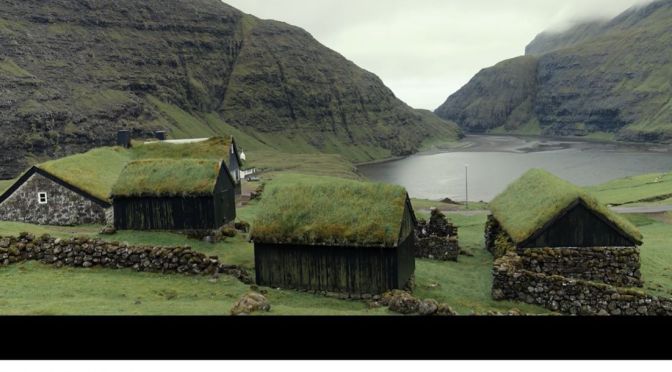
The Faroe Islands is a self-governing archipelago, part of the Kingdom of Denmark. It comprises 18 rocky, volcanic islands between Iceland and Norway in the North Atlantic Ocean, connected by road tunnels, ferries, causeways and bridges. Hikers and bird-watchers are drawn to the islands’ mountains, valleys and grassy heathland, and steep coastal cliffs that harbor thousands of seabirds.
Stephanie Davis – “Just a little travel video of my time in the Faroe Islands. A difficult place to video and photograph since the weather is so unpredictable, and it rains an awful lot.”
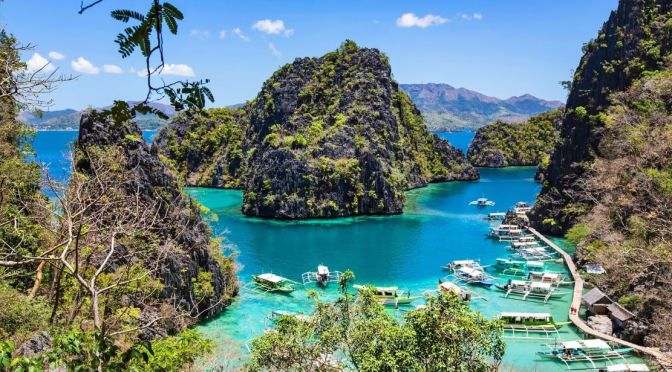
Coron is the third-largest island in the Calamian Islands in northern Palawan in the Philippines. The island is part of the larger municipality of the same name. It is about 170 nautical miles southwest of Manila and is known for several Japanese shipwrecks of World War II vintage.
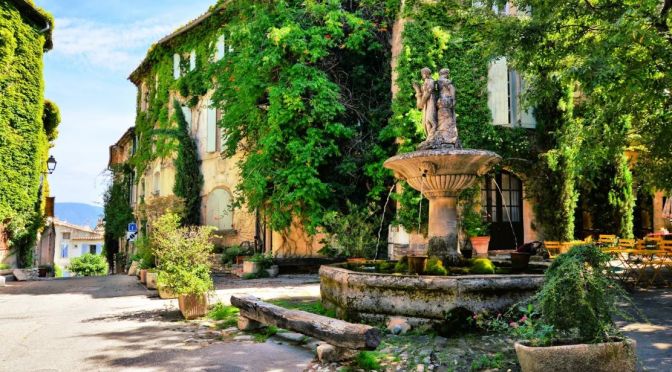
Saignon has the most distinctive outline of any Luberon village, with its rock squared off by nature as if to look from afar like an impregnable castle. It acts as a signpost high above the town of Apt, hence perhaps the name Saignon, which comes from signum, Latin for ‘sign’.
THREE CASTLES
Saignon was like a look-out for danger riding along the valley towards Apt, and the church bells were the alarm. Because of this important role this was a privileged village and no fewer than three castles sprung up within its confines, built by three different lords, which when you look at the size of Saignon is truly remarkable. The wealth of the village 800 years ago can be seen in the architecture that still stands, and it is a lovely village to stroll around, with its winding narrow streets and fountains.
Financial and bureaucratic barriers in the United States mean that the next generation of Covid vaccines may well be designed here, but used elsewhere.
After 30 years of deadlock, a new U.N. climate agreement aims to pay developing countries for loss and damage caused by global warming. But huge questions remain about how it would work.
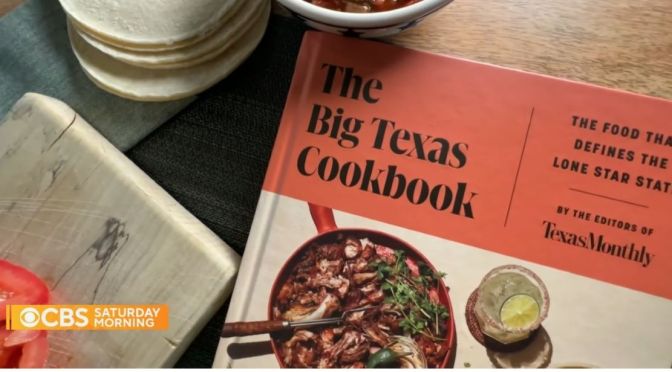
“CBS Saturday Morning” co-host Jeff Glor takes a trip to Texas to try recipes featured within “The Big Texas Cookbook.”
The editors of Texas Monthly celebrate the ever-evolving culinary landscape of the Lone Star State in this stunning cookbook, featuring more than 100 recipes, gorgeous color photos, and insightful essays.
When it comes to food, Texas may be best known for its beloved barbecue and tacos. But at more than 29 million people, the state is one of the most culturally diverse in America—and so is its culinary scene. From the kolaches introduced by Czechs settlers to the Hill Country in the 1800s to the Viet-Cajun crawfish that Vietnamese immigrants blessed Houston with in the early 2000s, the tastes on offer here are as vast and varied as the 268,596 square miles of earth they spring from.
In The Big Texas Cookbook, the editors of the award-winning magazine Texas Monthly have gathered an expansive collection of recipes that reflects the state’s food traditions, eclectically grouped by how Texans like to start and end the day (Rise and Shine, There Stands the Glass), how they revere their native-born ingredients (Made in Texas), and how they love the people, places, and rituals that surround their favorite meals (On Holiday, Home Plates). Getting their very own chapters—no surprise—are the behemoths mentioned above, barbecue and Tex-Mex (Smoke Signals, Con Todo). With recipes for über-regional specialties like venison parisa, home cooking favorites like King Ranch casserole, and contemporary riffs like a remarkable Lao beef chili, The Big Texas Cookbook pays homage to the cooks who long ago shaped the state’s food culture and the ones who are building on those traditions in surprising and delightful ways.
Packed with atmospheric photos, illustrations, and essays, The Big Texas Cookbook is a vivid culinary portrait of the land, its people, and its past, present, and future.
Luxury, romance and a fairytale atmosphere — that’s how we imagine life at the medieval Eltz Castle. But what is it really like to live there? Spoiler: there are 80 rooms, all of which require a little maintenance. DW’s Hannah Hummel asks owner Jakob Graf zu Eltz about life at the castle back then and now. The castle resident has even set up his home office there. Would that be something for you, too?
Eltz Castle is different. It remained unscathed by wars. It has been owned and cared for by the same family from when it was built until today. Its architecture has no comparison and many of the original furnishings of the past eight centuries still remain in place. It houses rustic suits of armour, swords and halberds as well as magnificent courtly gold and silver artefacts. It towers high on a large rock set deep in a valley. It stands in the midst of the Eltz Forest, a nature reserve of serene beauty, which offers numerous hiking trails and outdoor areas for sports and recreation for all age groups.
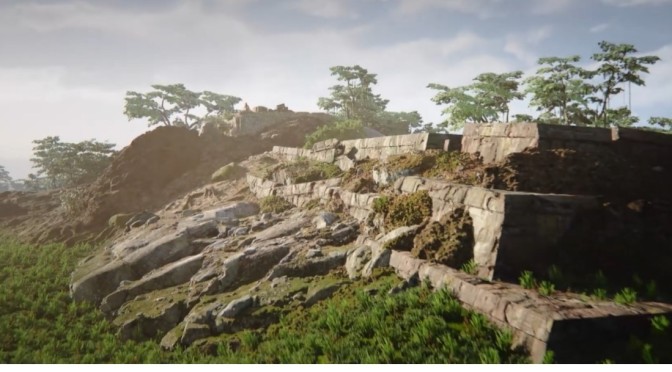
National Geographic UK – Modern technology has enabled archaeologists to virtually peel back a forest to discover the lost Maya city, an ancient civilisation that existed for up to 3,000 years and stretched from the pacific coast to the gulf coast of Mexico.
The technology, known as LIDAR, shot lasers from a plane through the tree canopy which bounced off of the ground to create an image of the earth below. The images were then used to map and uncover the hidden historical structures that make up the ancient Maya city.
According to a report in The New York Times, a fortified Maya settlement thought to be the capital of the Sak Tz’i’ dynasty is being investigated on private land in southern Mexico by a team of researchers including Charles Golden of Brandeis University. The site is thought to have been occupied as early as 750 B.C. until the end of the Classic period, around A.D. 900.
Golden said that the ruins cover about 100 acres and include an acropolis dominated by a 45-foot-tall pyramid, temples, plazas, reception halls, a palace, ceremonial centers, and a ball court measuring about 350 feet long by 16 feet wide. Inscriptions from other sites had linked the kingdom of Sak Tz’i’ to the Maya cities of Piedras Negras, Bonampak, Palenque, Tonina, and Yaxchilan.











 Boomers Daily