
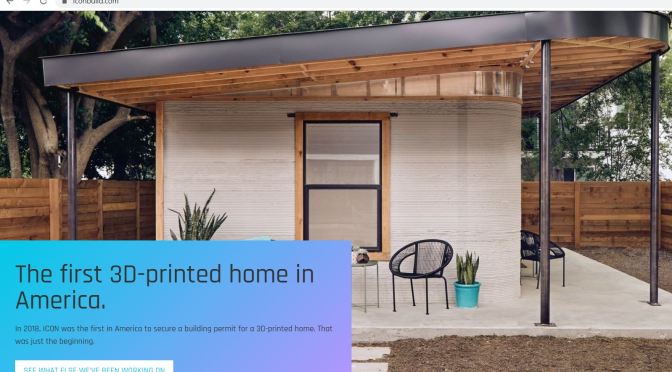
From an Austin.Curbed.com online article:
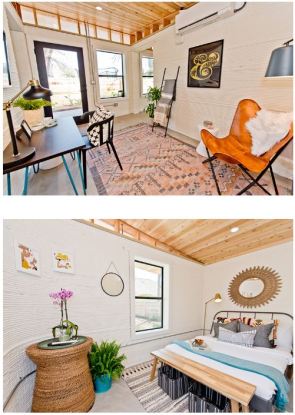 ICON, which uses robotics, software, and advanced materials (including its proprietary “Lavacrete”) to remove numerous barriers in the contemporary building industry, debuted its first 3D printer and the country’s first permitted, 3D-printed home in at SXSW 2018 in Austin.
Community First Village, run by Mobile Loaves and Fishes to provide permanent, personal housing and services for homeless people in Austin, had quite the breakthrough day Monday. Partnering with Austin-based Icon and and Cielo property group, it opened the second phase of its development with a 3D-printed prototype house that will serve as a welcome center for the community. The 500-square-foot building took a total of 27 hours to print.
To read more: https://austin.curbed.com/2019/9/10/20858924/austin-homeless-tiny-house-3d-printing

 “We are extremely proud of what we have accomplished, from the ability to 3D bioprint human cardiac tissue last summer to a mini heart with full structure now. These milestones are a testament to the hard work of our team and the proprietary process we have developed that enables this type of scientific achievement,” said Birla in a press release. “We believe we are at the forefront of whole heart bioengineering, a field that has matured quickly over the last year, and well-positioned to continue our rapid scientific advancement.”
 Researchers say they’ve successfully plunged human livers to subzero temperatures and then warmed them back up.
 Vim’s solution curates top providers and pairs patients with those providers, leveraging a combination of online booking and referral coordination. On the provider side, it
  Vim says it has access to 10,000,000 patient profiles and 150,000 providers through major U.S.-based health plan partners. In the next 12 months, it loftily intends to “meaningfully reduce” the $1 trillion of excess cost in health care in the U.S. by targeting inconsistencies in treatment.
 …this prototype is powered by a 10.5 amp hour (AH) lithium battery, which can reach speeds of just over 12 miles per hour and power the vehicle for around 12 miles on a single charge.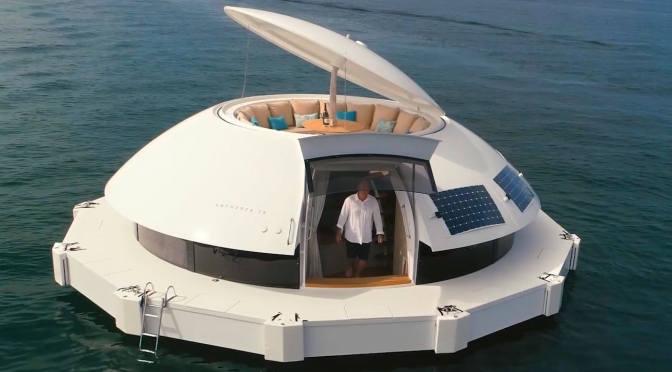
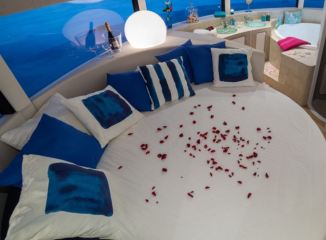 The domed capsule is the brainchild of naval architect Jean-Michel Ducancelle, who was
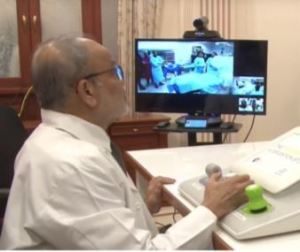 “Remote procedures have the potential to transform how we deliver care when treating the most time-sensitive illnesses such as heart attack and stroke. The success of this study paves the way for large-scale, long-distance telerobotic platforms across the globe, and its publication in Lancet’s EClinicalMedicine demonstrates the transformative nature of telerobotics,”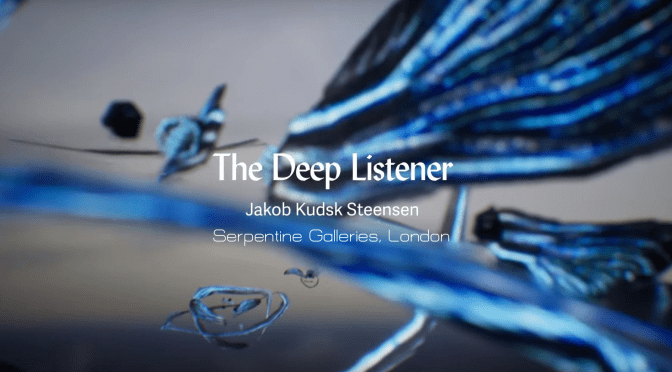
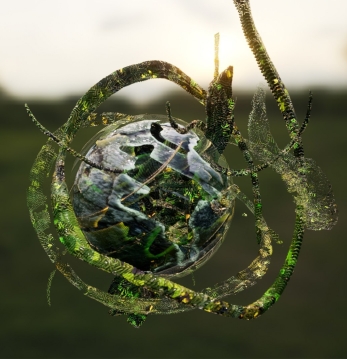 Designed as an augmented reality and spatial audio work downloadable as an app for mobile devices, it is both a site specific public artwork and a digital archive of these species, using tools and platforms from a range of fields including video games, computer generated images and film. Inspired by ecological science-fiction and scientific research, Kudsk Steensen creates a form of ‘slow media’ that uses the technological to foster attention rather than distraction.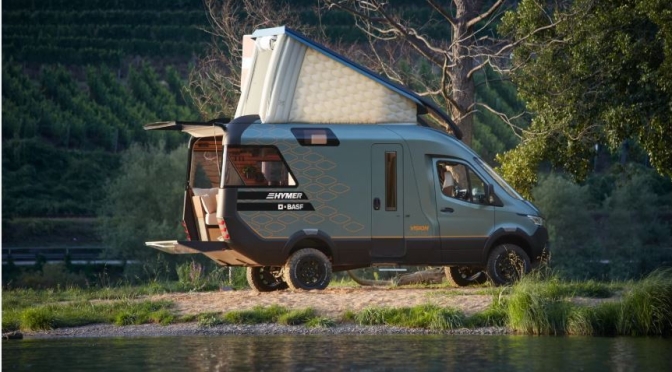
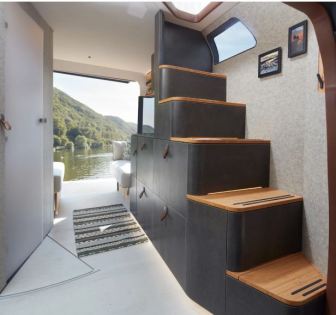 This year at Düsseldorf, the Erwin Hymer Group debuted the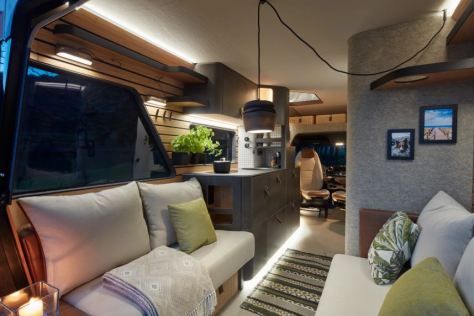

 AI spacefactory — the architects behind the
 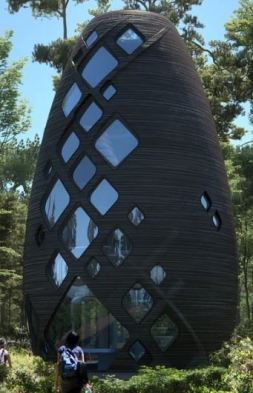 developed from the same designs and 3D printing technologies behind the
  Boomers Daily