
 Listen to the latest from the world of science, with Benjamin Thompson and Nick Howe. This week, improving computers’ image identification, and a new method for growing crystals.
In this episode:
00:44 Upgrading computer sight
Researchers have designed a sensor that allows machines to assess images in nanoseconds. Research Article: Mennel et al.; News and Views: In-sensor computing for machine vision
06:51 Research Highlights
Calorie restriction’s effects on rat cells, and the dwindling of sandy seashores. Research Highlight: Old age’s hallmarks are delayed in dieting rats; Research Highlight: Sandy beaches are endangered worldwide as the climate changes
08:53 Crafting crystals
To understand the structure of materials, researchers often have to grow them in crystal form. A new method aims to speed up this process. Research article: Sun et al.
14:48 News Chat
Coronavirus outbreak updates, and climate change’s role in the Australian bush fires. News: Coronavirus: latest news on spreading infection; News: Climate change made Australia’s ‘unprecedented’ bushfires 30% more likely


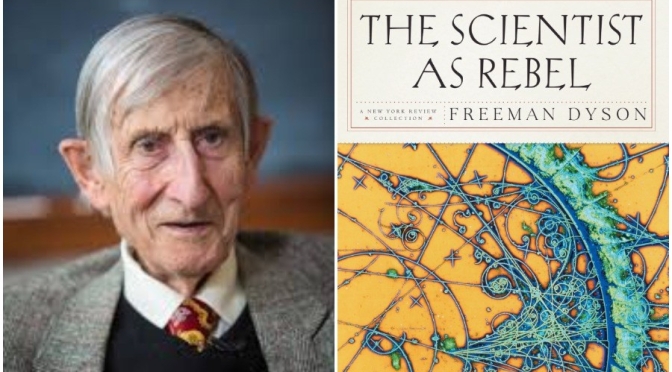
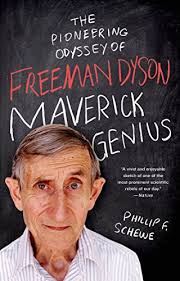 “Life begins at 55, the age at which I published my first book,” he wrote in “From Eros to Gaia,” one of the collections of his writings that appeared while he was a professor of physics at the Institute for Advanced Study — an august position for someone who finished school without a Ph.D. The lack of a doctorate was a badge of honor, he said. With his slew of honorary degrees and a fellowship in the Royal Society, people called him Dr. Dyson anyway.
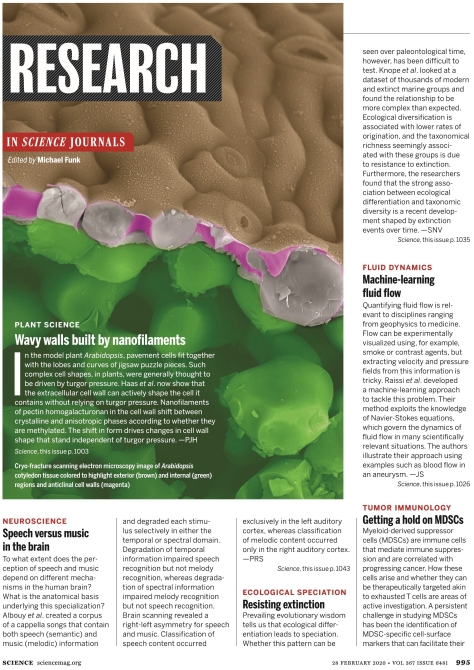
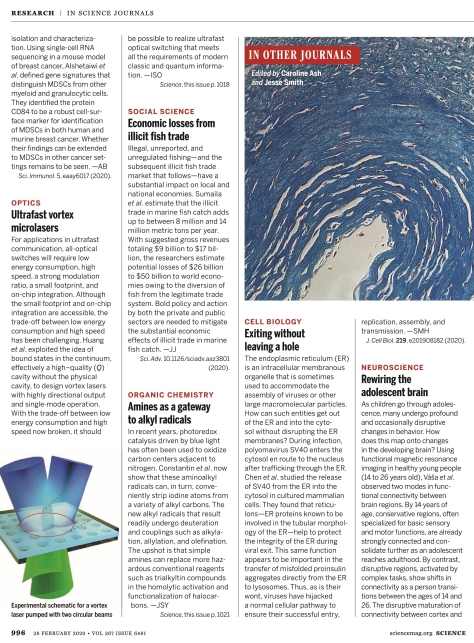
 This week on the podcast, Contributing Correspondent Lizzie Wade joins host Sarah Crespi to discuss a turning point for one ancient Mesoamerican city: Tikal. On 16 January 378 C.E., the Maya city lost its leader and the replacement may have been a stranger. We know from writings that the new leader wore the garb of another culture—the Teotihuacan—who lived in a giant city 1000 kilometers away.
 Boomers Daily