


First up this week, Senior Correspondent Daniel Clery talks with host Sarah Crespi about how Breakthrough Listen—a privately funded initiative that aims to spend $100 million over 10 years to find extraterrestrial intelligent life—has changed the hunt for alien intelligence.
And as part of a special issue on the Genotype-Tissue Expression (GTEx) project, Brandon Pierce, a professor in the Departments of Public Health Sciences and Human Genetics at the University of Chicago, joins Sarah to discuss his group’s work on variation in the protective caps at the end of our chromosomes. The gradual shortening of these caps, also known as telomeres, has been associated with aging. Read more from the GTEx special issue.

Nature looks at: Keeping electronics from overheating, Covid-19 changes, and how to include minority populations in genetic analyses.
In this episode:
00:46 Cool computers
Keeping components cool is a major hurdle when it comes to increasing electronic power. This week, we find out about a new way to integrate tiny microfluidic channels directly into circuits, to help keep them cool. Research Article: van Erp et al.
06:57 Coronapod
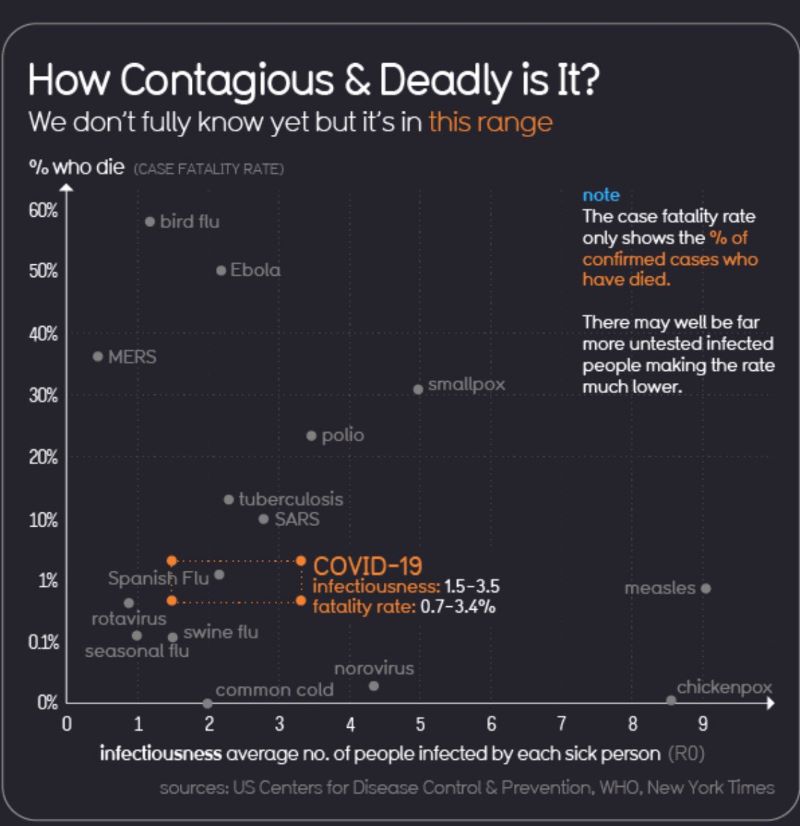
By comparing coronavirus genomes taken from people around the world, researchers are getting an idea of how SARS-CoV-2 is changing as it spreads. We discuss a particular genetic mutation that rapidly became dominant early in the pandemic, and the effect it may have had on the outbreak. News: The coronavirus is mutating — does it matter?
21:41 Research Highlights
How rock avalanches can cause destructive air blasts, and melting glaciers cause lakes to grow. Research Highlight: The violent blasts that can add to an avalanche’s devastation; Research Article: Shugar et al.
23:59 The people left out of genetic studies
Minority populations are often underrepresented in genetic study recruitment. However, even when data about them is collected it may go unused. We find out why, and what can be done about it. Comment: Don’t ignore genetic data from minority populations
30:51 Briefing Chat
We discuss some of the latest stories highlighted in the Nature Briefing. This week we discuss how bacterially-infected mosquitoes could curb dengue fever, and some surprisingly large black holes. Nature News: The mosquito strategy that could eliminate dengue; Nature News: ‘It’s mindboggling!’: astronomers detect most powerful black-hole collision yet

The coronavirus pandemic led to shortages in the blood supply across the U.S. Scientists around the world are working on a potential solution. The Future of Everything looks at the process of making artificial blood.
Illustration: Timothy Wong
Nature reviews: Engineering yeast to produce medicines, immunity to Covid-19, and the mechanism of anaesthetic action.
In this episode:
00:44 Making medicine with yeast
The tropane alkaloids are an important class of medicine, but they are produced agriculturally leaving them vulnerable to extreme weather and world events. Now, researchers have engineered yeast to produce these important molecules. Research Article: Srinivasan and Smolke
06:36 Coronapod
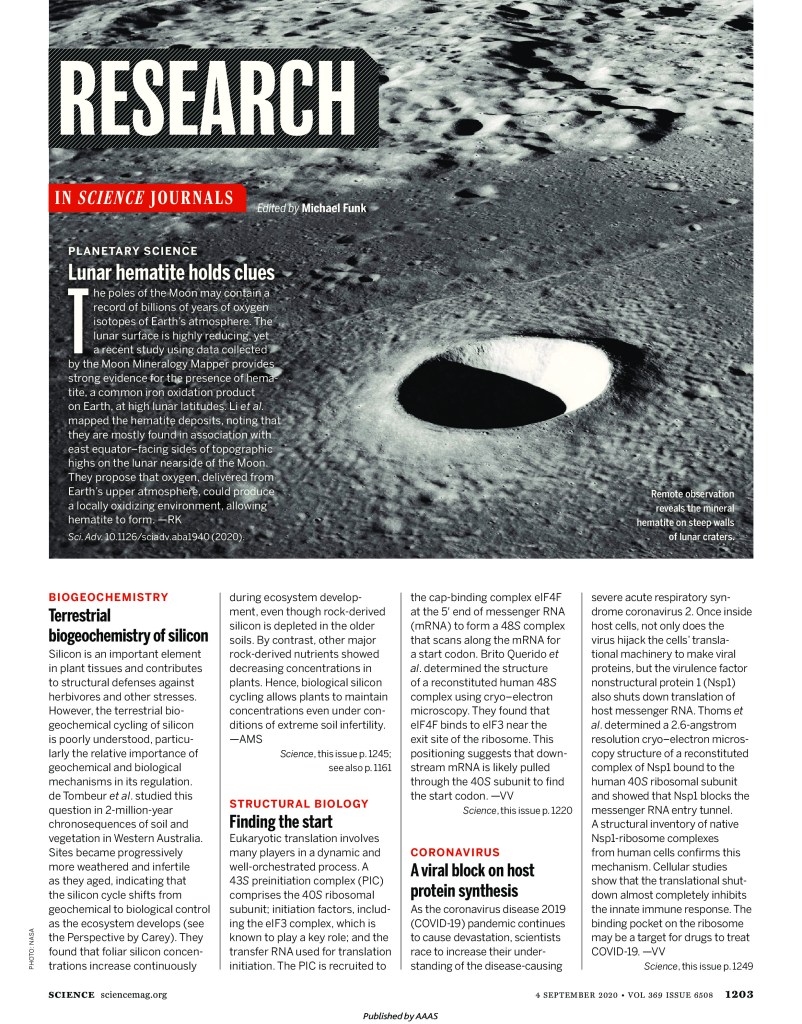
We discuss the complex story of immunity to COVID-19, and how this may affect vaccine development. News Feature: What the immune response to the coronavirus says about the prospects for a vaccine
16:33 Research Highlights
The neurological reason for overindulgence, and the bacteria that harness copper electrodes. Research Highlight: The brain circuit that encourages eating for pleasure; Research Highlight: Microbes with mettle build their own electrical ‘wires’
19:07 The molecular mechanisms of general anaesthetics
Despite over a century of use, there’s a lot we don’t know about how anaesthetics function. This week, researchers have identified how some of them they bind to a specific neuronal receptor. Research Article: Kim et al.
26:34 Briefing Chat
Whilst the Nature Briefing is on its summer holidays, we take a look at some other science from around the web. This time we discuss Elon Musk’s latest showcase of a brain-chip, and the physics behind how boats can float upside down on levitating liquid. New Scientist: Elon Musk demonstrated a Neuralink brain implant in a live pig; Business Insider: Elon Musk’s AI brain chip company Neuralink is doing its first live tech demo on Friday. Here’s what we know so far about the wild science behind it.; Research Article: Apffel et al.; Video: The weird physics of upside down buoyancy
Global satellite data indicate wildfires are becoming bigger and more intense. WSJ talks with NASA’s Doug Morton to understand the science behind what’s making the planet more flammable and making fires harder to control.
Noah Berger/Associated Press
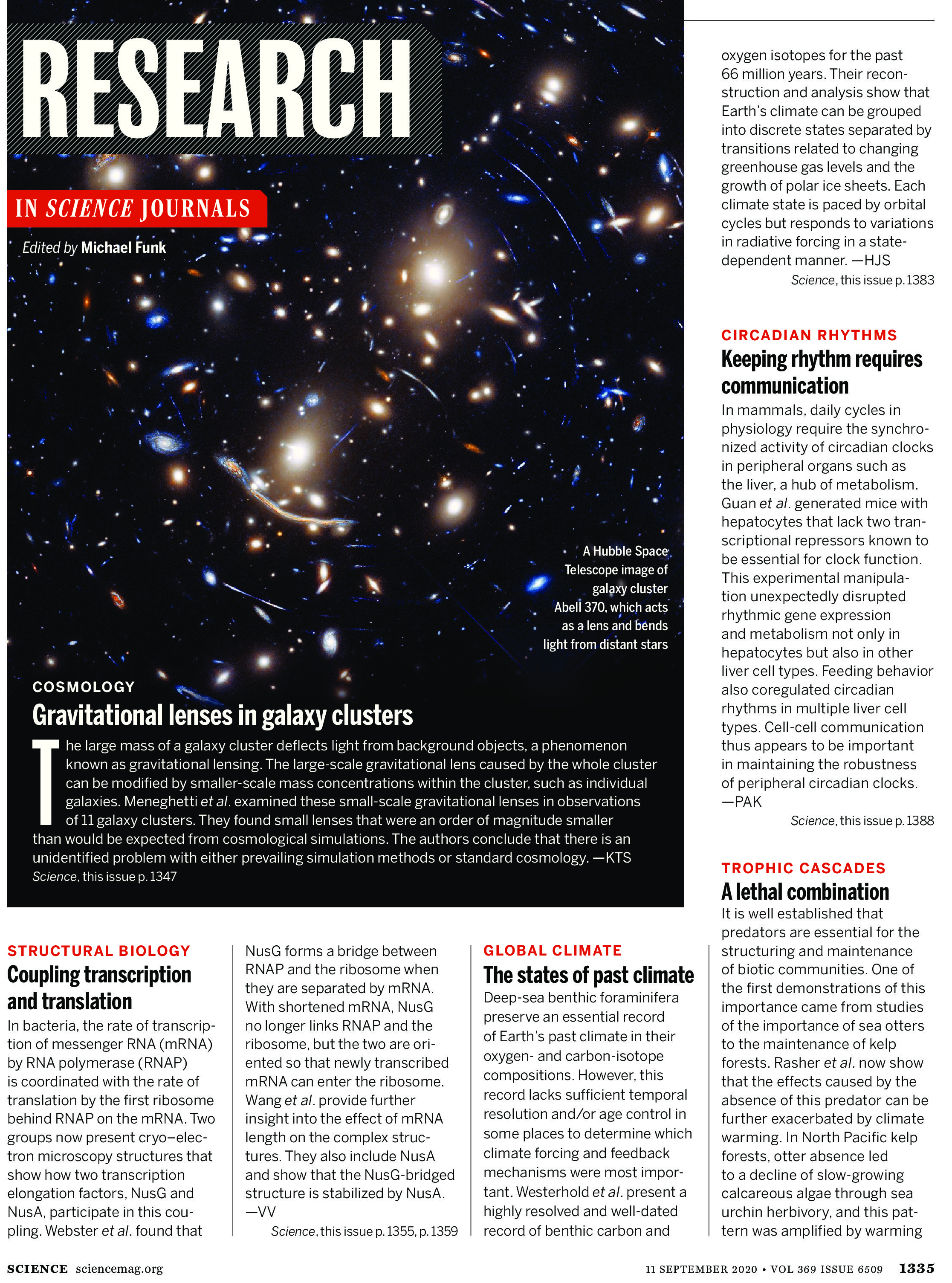
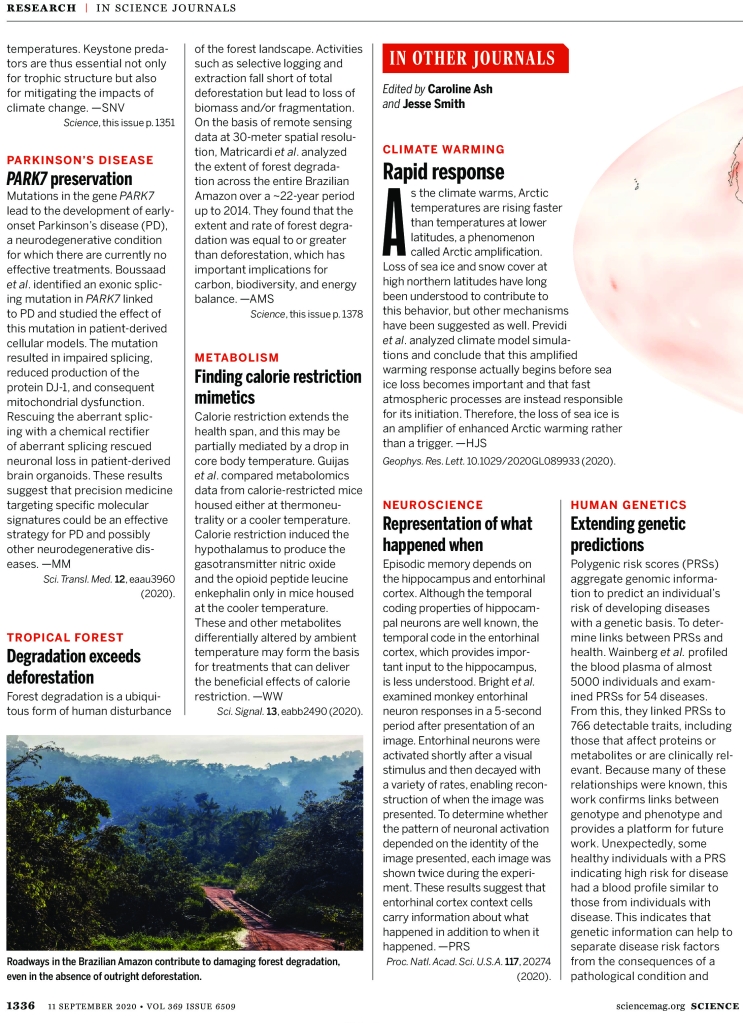
Staff Writer Paul Voosen talks with host Sarah Crespi about how Arctic sea ice is under attack from above and below—not only from warming air, but also dangerous hot blobs of ocean water.
Next, Damien Fordham, a professor and global change ecologist at the University of Adelaide, talks about how new tools for digging into the past are helping catalog what happened to biodiversity and ecosystems during different climate change scenarios in the past. These findings can help predict the fate of modern ecosystems under today’s human-induced climate change. And in our books segment, Kiki Sanford talks with author Carl Bergstrom about his new book: Calling Bullshit: The Art of Skepticism in a Data-Driven World.






 Boomers Daily