From the RizzoliUsA.com website:
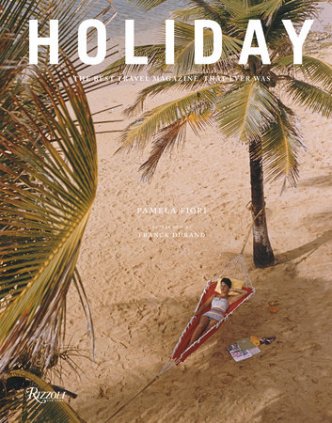 The first book on magazine sensation Holiday, which between 1946 and 1977 was one of the most exciting publications in the world. Renowned for its bold layouts, literary credibility, and ambitious choice of photographers and artists, Holiday portrayed the romance of travel like no other periodical.
At Holiday magazine’s peak, urbane editor, Ted Patrick, and visionary art director, Frank Zachary, invited postwar America to see and read about the world. On the journey, readers joined the magazine’s renowned roster of talent. Some of the most celebrated writing by Jack Kerouac, Ernest Hemingway, Graham Greene, Joan Didion, Truman Capote, Colette, and E. B. White (his piece “Here Is New York” was commissioned for Holiday in 1949) first appeared in its pages. Henri Cartier-Bresson documented a breathtaking Paris and other cities; Slim Aarons captured the glamour of travel around the world; and Al Hirschfeld and Ludwig Bemelmans contributed showstopping illustrations of places and personages.
Pamela Fiori writes about the magazine’s history, giving it context during the era of the jet age, world turbulence, and the rise of Madison Avenue advertising. Holiday was a vibrant original, inspiring travel magazines that followed and leaving glorious photography and art as well as thought-provoking journalism in its wake.
To read more: https://www.rizzoliusa.com/book/9780847866250/

 PayScale reports real-time salary data from over 54 million reports from job seekers, fact checking the data against private and public compensation data.
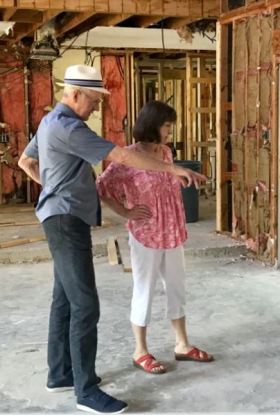 Leaving nothing to chance, the Cavners are making a number of modifications they might never need. For instance, neither uses a wheelchair, but contractors are making all doorways 3 feet wide for accessibility throughout — just in case. The master bath roll-in shower, flat and rimless, will provide room to maneuver and the master bath vanity is also at wheelchair-accessible height. Kitchen drawers, rather than cabinets, will allow easy access in a wheelchair. The Cavners are closely watching details of the renovation, but it wasn’t a hard decision.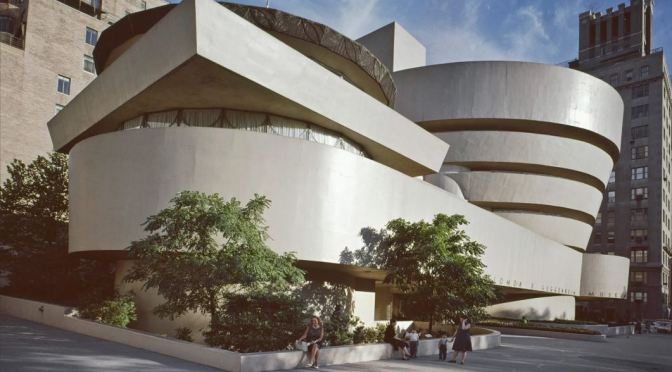
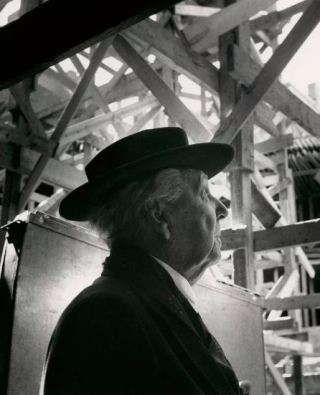 This year marks the 60th anniversary of Frank Lloyd Wright’s building for the Solomon R. Guggenheim Museum. Since opening its doors on October 21, 1959, the architectural icon has inspired countless visitors and is widely seen as Wright’s masterpiece.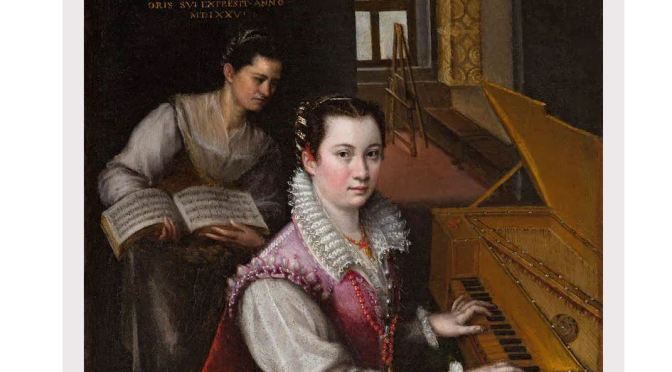
 Born in Bologna in 1552, Lavinia Fontana is often considered to be the first professional woman painter; she was the first to be accepted into the Accademia di San Luca in Rome, and supported her family throughout her life by gaining prestigious commissions for portraits in the city. This self-portrait has been interpreted as a wedding painting; it was completed in the year of Fontana’s marriage to Giovan Paolo Zappi, a fellow artist who became her agent and manager.
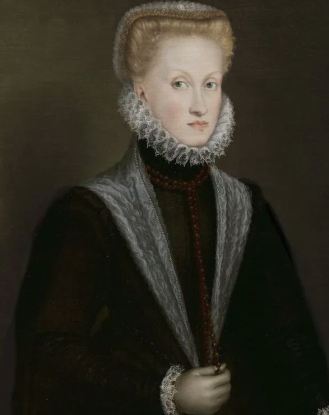
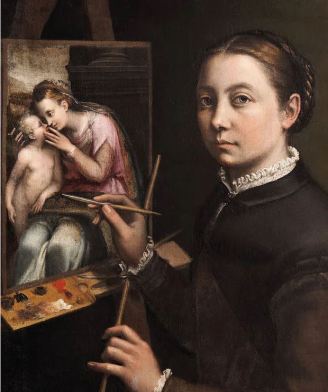 Sofonisba Anguissola was born into an aristocratic family from Cremona in around 1532; she travelled to Rome as a young woman, where her talent was recognised by Michelangelo, and in 1559 became lady-in-waiting to Elisabeth de Valois, Queen of Spain (and a keen amateur painter). She became a court painter to Philip II, and remained at court for some 15 years – at least until her marriage to a Sicilian nobleman after Elisabeth’s death in 1568, for which Philip II provided the dowry. Here she portrays Anna of Austria, who became Queen of Spain after Philip remarried in 1570.
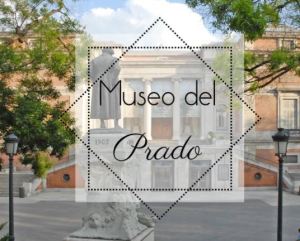 Part of the Prado’s bicentenary celebrations, this exhibition looks at two of the most significant women artists of the Renaissance. Though born into very different social classes, both Lavinia Fontana and Sofonisba Anguissola rose to heights of prestige that had not previously been scaled by women painters – Fontana at the Vatican, and Anguissola at the Spanish court.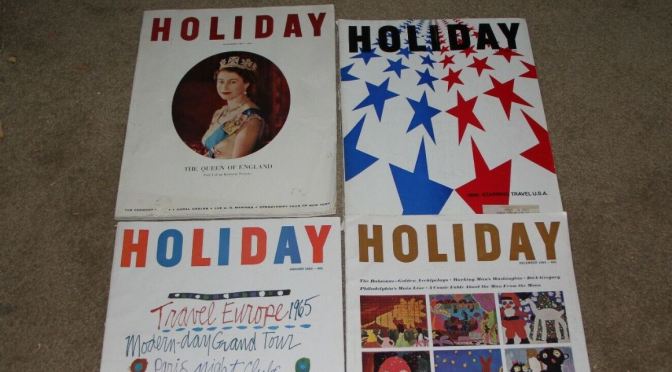

 At Dr. Soong’s hospital, withholding the results of urine cultures, unless doctors actually called the microbiology lab to request them,
 Most Americans probably aren’t aware of the decline in the number of individuals training to become transplant physicians and how it will affect the future of medicine. Neither are the 2020 presidential hopefuls, all of whom have policies they believe best provide health care coverage for Americans without acknowledging or calling attention to the fact that soon there may not be enough doctors to do the work once more people are insured. We need a plan for that.
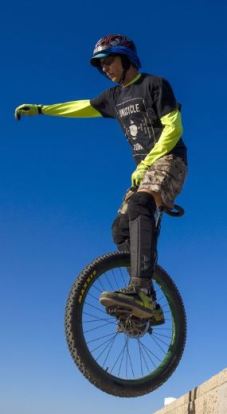 Now 63, Mr. Peterson has progressed from bike paths to rugged mountain trails and is known for his caped helmet emblazoned with his nickname, UniGeezer. Based on his GPS and bike computer, he estimates he’s logged nearly 30,000 miles, or 24 million pedal revolutions, since he started.
 Brian Kalt, an expert on US constitutional law and the presidency, talks to Jonathan Kay about the 25th Amendment and whether it can be used to remove a president. Professor Kalt recently published a book called
 Syndicated columnist Mark Shields and New York Times columnist David Brooks join Judy Woodruff to discuss the week’s political news, including how the impeachment inquiry is affecting President Trump’s support among Republicans, fallout from Trump’s handling of northern Syria and the military advance by Turkish President Recep Tayyip Erdogan and the changing dynamics of the 2020 presidential race.
 Boomers Daily