
 Science Editor-in-Chief Holden Thorp joins host Sarah Crespi to discuss his editorial on preventing vaccine hesitancy during the coronavirus pandemic. Even before the current crisis, fear of vaccines had become a global problem, with the World Health Organization naming it as one of the top 10 worldwide health threats in 2019. Now, it seems increasingly possible that many people will refuse to get vaccinated. What can public health officials and researchers do to get ahead of this issue?
Also this week, Sarah talks with Science Senior Correspondent Jon Cohen about his story on Chinese scientist Shi Zhengli, the bat researcher at the center of the COVID-19 origins controversy—and why she thinks President Donald Trump owes her an apology.
Finally, Geert Van der Snickt, a professor in the conservation-restoration department at the University of Antwerp, talks with Sarah about his Science Advances paper on a new process for peering into the past of paintings. His team used a combination of techniques to look beneath an overpainting on the Ghent Altarpiece by Hubert and Jan Van Eyck—a pivotal piece that showed the potential of oil paints and even included an early example of painting from an aerial view.

 The CEOs of four of the most powerful companies in the world testified before Congress yesterday. While the hearing was supposed to be about anti-trust laws, it quickly devolved into a scattered display of partisanship.
 This week’s Nature podcast looks at how skin’s unusual response to stretching is finally explained, a coronavirus update and the latest in a huge effort to map DNA.
 The Economist updates Covid-19 rates spiking around the world, McDonald’s fast food profits plunge and other top international business and economic news.
 With bravery, optimism and often a wry smile, Australian entrepreneurs have forged a progressive and innovative tourism industry, that offers travelers unparalleled experiences from the ocean to the outback.
 The Republicans have reached a deal on coronavirus relief, but it could mean much less unemployment money for Americans. Can they convince Democrats? Major League Baseball is already postponing games due to COVID-19 infections. And do we need another lockdown to beat COVID-19?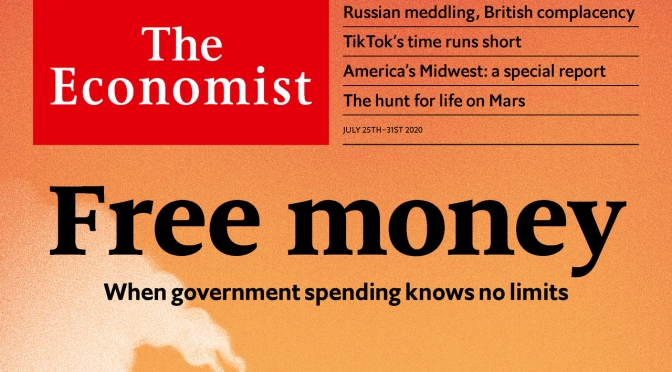

 Monocle’s Markus Hippi is joined by a line-up of guests from Switzerland, London and Tokyo for the weekend’s liveliest discussion.
 NPR News Now discusses continued criticism of federal agents in states, Spain’s new lockdown measures and other international news.
 Boomers Daily