

White House press secretary and two aides have tested positive for coronavirus, U.S. faces shortage of up to 8 billion meals in next 12 months, and Georgia pastor shocks pregnant Waffle House waitress with $12G tip.

White House press secretary and two aides have tested positive for coronavirus, U.S. faces shortage of up to 8 billion meals in next 12 months, and Georgia pastor shocks pregnant Waffle House waitress with $12G tip.
Monocle’s Georgina Godwin heads to southwest London to visit The Urban Wine Company, that harvests its bounty from vines across the city.

The Urban Wine Company™ was born out of an idea a few years back. Neighbours Richard and Paul were relaxing underneath a vine enjoying a glass of wine that had been flown half-way across the world. Realising they were sat in an urban garden of Eden surrounded by grape vines, they asked the impossible…
“Would it be possible to make a wine made from London grapes?”

So, in September 2009 they set about harvesting grapes grown in gardens, allotments, behind supermarkets and even at the side of railways. They teamed up with winemaking experts to produce the very first batch of ‘Chateau Tooting’. Pleasantly surprised, if not a little amazed by its ‘Drinkability’ The Urban Wine Company™ was formed. Not only had a fantastic tasting wine been created using grapes grown in a city centre, something unique had also been born.

NPR News Now: Trump Covid-19 condition, Supreme Court convenes, Senate Judiciary Committee, and other top news.

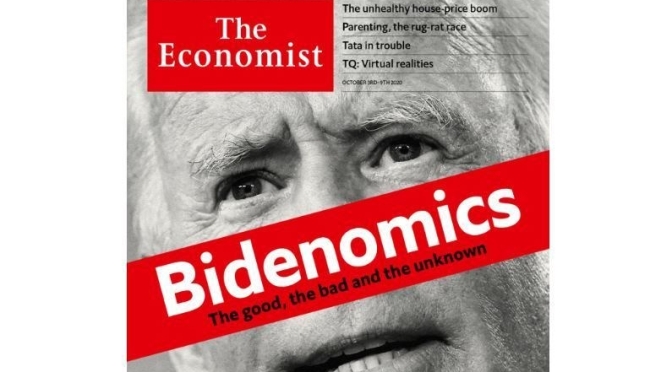
A selection of three essential articles read aloud from the latest issue of The Economist. This week: Bidenomics, Chinese officials want to erase many villages (12:00) and ethnic minorities in Britain (19:10).

Monocle’s Emma Nelson speaks to Vincent McAviney and Rob Cox, plus we hear from The Saturday Paper’s Karen Middleton, and check in with Tokyo and Ljubljana.

Radio News 24/7 | Deutsche Welle reports: President Trump transferred to Walter Reed Medical Center, Germany marks 30th year of reunification, and other top world news.

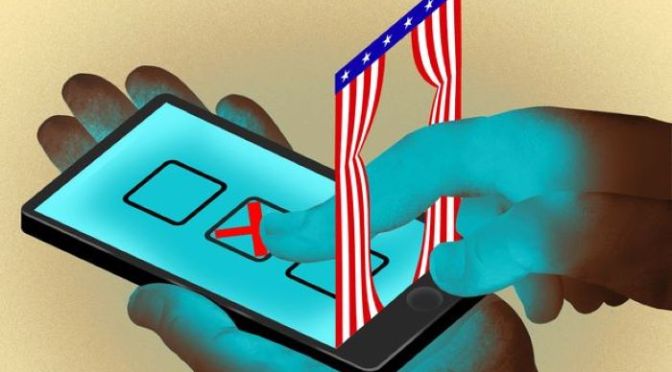
The U.S. is holding the general election during a pandemic. Many voters are eager to vote by mail, while others remain wary of mail-in ballots. Just about everyone longs for a faster, more secure method to cast their vote without exposing themselves to SARS CoV 2, the virus that causes Covid-19.
Many wonder why, if we do everything else on our phones, including banking, we can’t vote with them. Some communities already tried blockchain assisted mobile voting but with mixed results. Many academics are stridently opposed to mobile voting. This episode will consider whether new technologies can help us find a more secure way to vote.

OvernightPresident Trump and First Lady Melania Trump announced that they have tested positive for the coronavirus. In a statement shortly thereafter, the White House physician said the Trumps “are both well at this time” and will remain at home.
The president is 74 years old, which generally puts him at higher risk for severe illness from the virus, according to CDC guidelines.
Guests: Axios’ Sam Baker, Alayna Treene and Ashley Gold.

Investigative journalist Charles Piller joins host Sarah Crespi to discuss his latest Science exclusive: a deep dive into the Food and Drug Administration’s protection of human subjects in clinical trials. Based on months of data analysis and interviews, he uncovered long-term failures in safety enforcement in clinical trials and potential problems with trial data used to make decisions about drug and device approvals.
Sarah also talks with Klaus-Robert Müller, a professor of machine learning at the Technical University of Berlin, about an artificial intelligence (AI) trained in the sport of curling—often described as a cross between bowling and chess. Although AI has succeeded in chess, Go, and poker, the constantly changing environment of curling is far harder for a nonhuman mind to adapt to. But AIs were the big winners in competitions with top human players, Müller and colleagues report this week in Science Robotics.

NPR News Now reports: Stop-Gap Spending Bill signed into law, Presidential Debate Commission devises new tools, and other top news.




 Boomers Daily