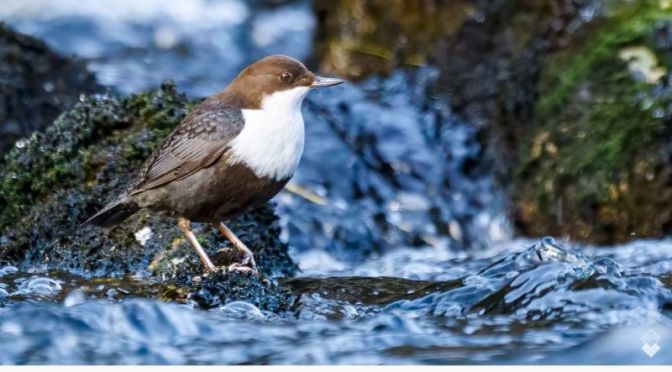
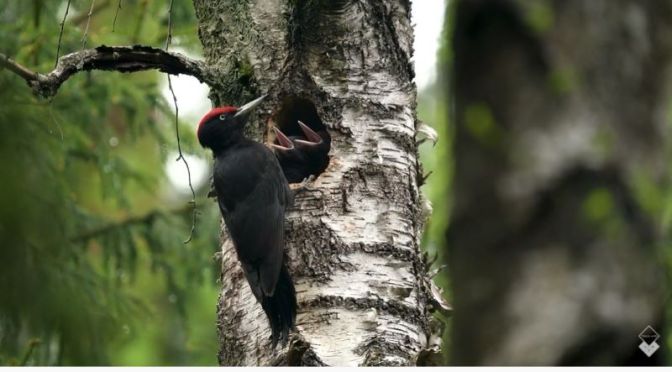
In this episode, I’m shooting bird photography in Hardanger again. It’s winter and close to Christmas time, the weather variates between mild and cold temperatures. But there are still birds to photograph!
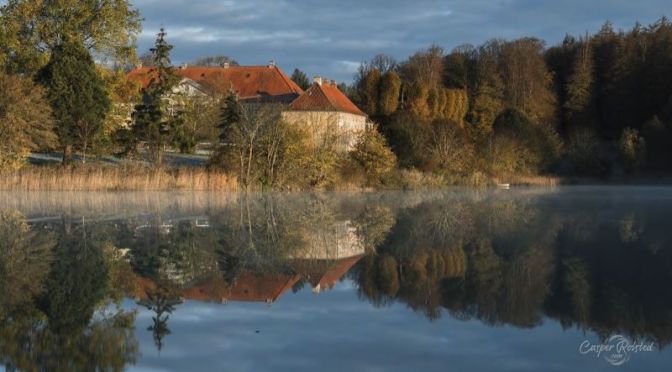
Every season has its own beauty. This is the second of four shortfilms that will showcase the seasons of Denmark. The focus in these films will be on the landscapes – primerely the changing nature.
Autumn in Denmark is characterized by lot of gray and rainy days – but the nature is beautiful with lovely warm colors.
In this timelapse film from Denmark you will experience the following locations:
Svanninge Bakker This is a large area of woodland and hilly natural landscapes on Funen.
Mandemarke Bakker, Møns Klint and Liselund park. These beautiful areas on the island Møn are remarkable and a must-see for all nature lovers. The white chalk slopes is unique in the Danish nature and the surrounding area has a unique nature and wildlife.
Skjoldungernes Land National Park This national park is located in central Zealand, 30 km from Copenhagen. It is characterized by large deciduous forests and the Roskilde Fjord with islands, islets and a unique birdlife.
Teaser advert for the ‘Yorkshire Frontiers’ film, which is the longest time lapse film made on earth, due for release late 2021.
Due to be released in 2021, our aim is to create the longest ever time-lapse film, right here in ‘God’s own country’! With over 2 years of video production and over 500,000 images this is an epic film worthy of a place in the Guinness book of records. The film also features ultra slow motion wildlife photography and stunning aerial footage of Yorkshires greatest landmarks from North, East, South and West Yorkshire.
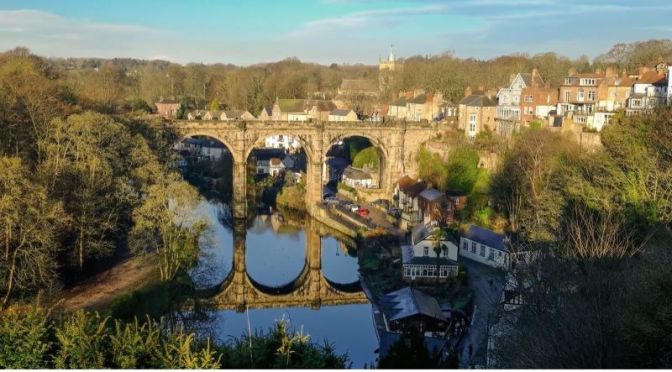
Yorkshire is a historic county in northern England. It’s known for its Roman and Viking heritage, as well as its Norman castles, medieval abbeys, Industrial Revolution-era cities and 2 national parks. The county town of York, founded by the Romans, is home to 13th-century cathedral York Minster, Tudor houses and medieval walls. The interactive Jorvik Viking Centre recalls the area’s 9th-century Norse occupation.
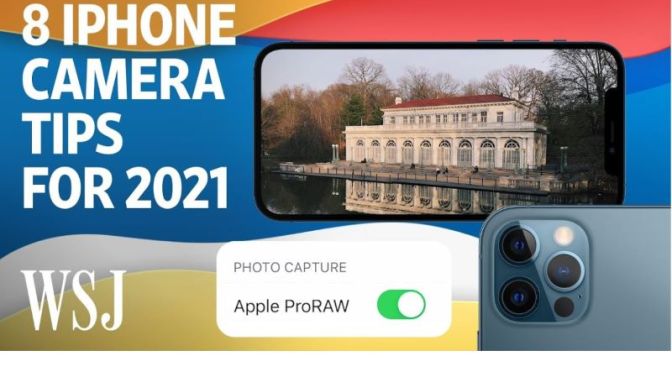
Apple has quietly given its Camera app a major overhaul — with great tricks hidden in its interface. WSJ’s Kenny Wassus demos the new features, from simultaneous video and photo capture to Burst Mode and the new Pro Raw format.
Photo illustration: Kenny Wassus
Video Timeline: 0:00 – 0:44 Introduction 0:45 – 1:17 Hidden Camera Levels 1:18 – 1:44 Quick Video Capture 1:45 – 2:10 Burst Mode 2:11 – 2:37 Preserve Creative Control 2:38 – 3:06 Reveal Exposure Control 3:07 – 3:37 24 FPS Video Recording 3:38 – 4:10 Mirror Selfie 4:11 – 5:39 Apple Pro Raw
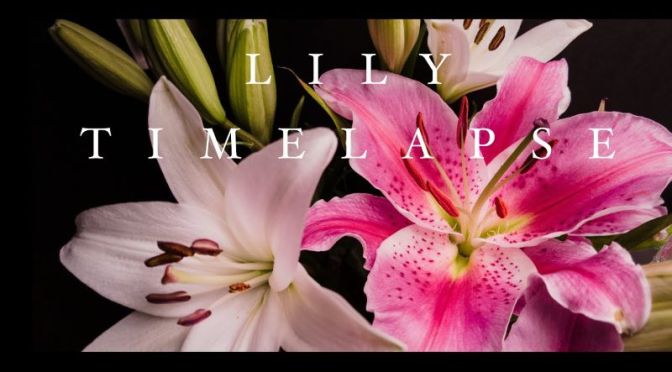
A short video of pink and white lilies blooming over the course of a week. The video is comprised of roughly 1,300 photos, compiled at 24 frames per second. Hope you enjoy it. Music is “Overlook” by Roary (via Musicbed)
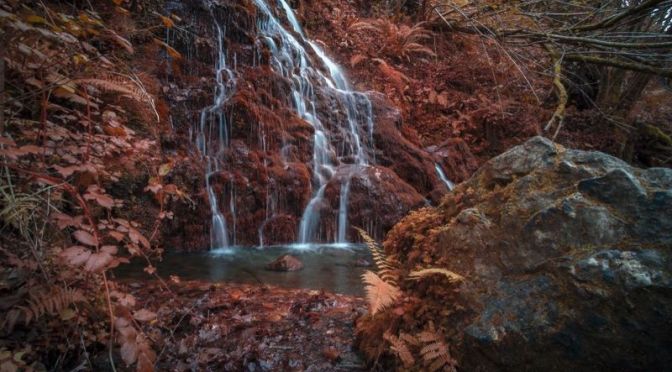
An audiovisual poem, a fantastic story towards a dream place. We try to create an Atmosphere of Orange-Red-Yellow tones, thus giving a different image and turning the places into magic. Nature is shown in another way, one more reason to be conserved and pampered, since it is inhabited by a multitude of species, including “the slug”,
Navarra (Navarre) is a geographically diverse region in northern Spain. A medieval Basque kingdom, it was annexed by Castile in the 16th century. Dotted with remote villages, its capital and largest city is Pamplona, famous for its annual running of the bulls. Pamplona has 16th-century fortifications, the Gothic Santa María la Real Cathedral and the Museo de Navarra, with archaeological and art collections.
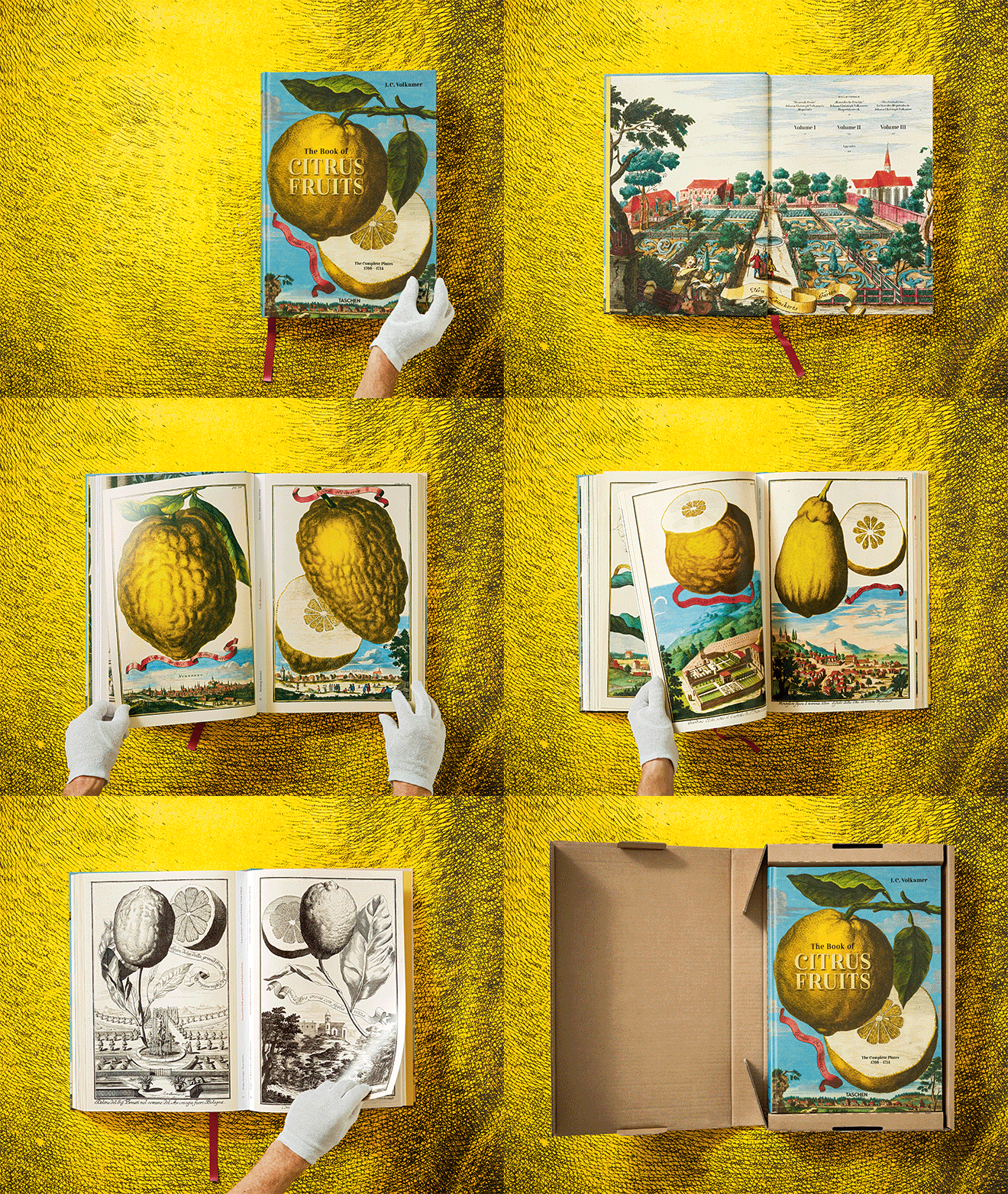
Ordering plants by post mostly from Italy, Germany, North Africa, and even the Cape of Good Hope, the Nuremberg merchant Volkamer was a devotee of the fragrant and exotic citrus at a time when such fruits were still largely unknown north of the Alps.
Famous First Edition: First printing of 5,000 numbered copies
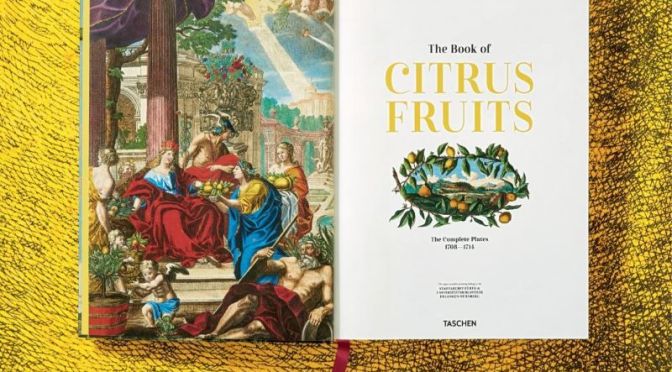
Have you ever thought of citrus fruits as celestial bodies, angelically suspended in the sky? Perhaps not, but J. C. Volkamer (1644–1720) did—commissioning an extravagant and breathtaking series of large-sized copperplates representing citrons, lemons, and bitter oranges in surreal scenes of majesty and wonder.
His garden came to contain a wide variety of specimens, and he became so obsessed with the fruits that he commissioned a team of copperplate engravers to create 256 plates of 170 varieties of citrus fruits, many depicted life size, published in a two-volume work.
In both volumes, Volkamer draws on years of hands-on experience to present a far-reaching account of citrus fruits and how to tend them—from a meticulous walk-through of how to construct temporary orangeries, glasshouses, and hothouses for growing pineapples to commentary on each fruit variety, including its size, shape, color, scent, tree or shrub, leaves, and country of origin.
In each plate, Volkamer pays tribute to the verdant landscapes of Northern Italy, his native Nuremberg, and other sites that captured his imagination. From Genovese sea views to the Schönbrunn Palace, each locale is depicted in the same exceptionaldetail as the fruit that overhangs it. We witness branches heavy with grapefruits arching across a sun-bathed yard in Bologna and marvel at a huge pineapple plant sprouting from a South American town. The result is at once a fantastical line-up of botanical beauty and a highly poetic tour through the lush gardens and places where these fruits grew.
Few colored sets of Volkamer’s work are still in existence today. This publication draws on the two recently discovered hand-colored volumes in the city of Fürth’s municipal archive in Schloss Burgfarrnbach. The reprint also includes 56 newly discovered illustrations that Volkamer intended to present in a third volume.
The author
Iris Lauterbachstudied art history and romance languages and literature in Mainz, Pavia and Paris and obtained her doctorate in 1985. Since 1991 she has been a member of the research department of the Central Institute for Art History in Munich and teaches the history of garden architecture at the Technical University in Munich. Her main areas of research include France during the 18th century and the history of European garden art from the 16th to the 20th century, while she has also carried out extensive research about the restitution of artworks that were looted during the Second World War.



 Boomers Daily