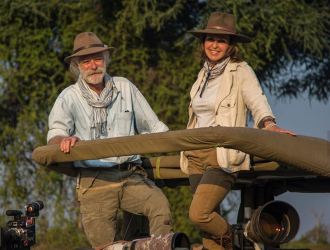
Beverly Joubert and Dereck Joubert on OKAVANGO: RIVER OF DREAMS (DIRECTOR’S CUT), a documentary premiering at the 2020 Sundance Film Festival.
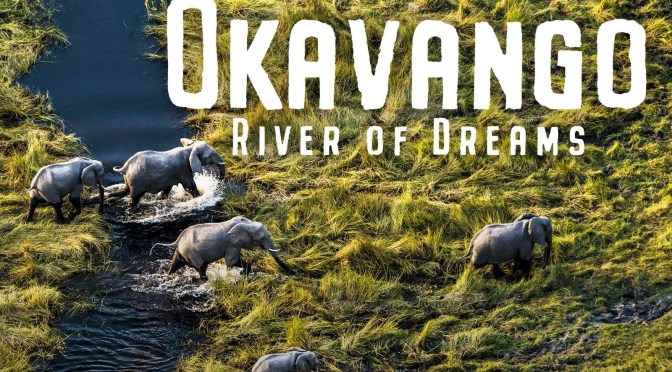
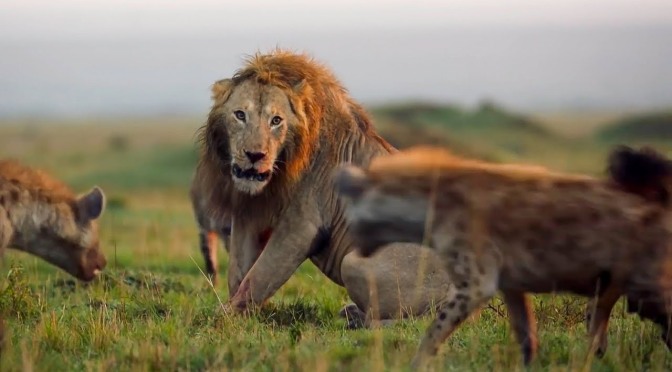
Okavango: River of Dreams, follows a cast of wildlife whose destiny is forever linked to this unique desert oasis and its extraordinary journey as it winds its way to the Kalahari Desert, the only river in the world to disappear inland.
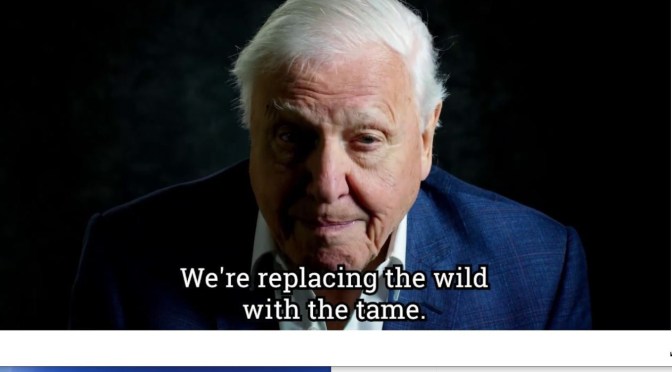
Sir David Attenborough has warned that “human beings have overrun the world” in a trailer for his new film.
The feature-length documentary, titled David Attenborough: A Life On Our Planet, looks back on the defining moments of his life and the environmental devastation that has taken place during that time. As well as highlighting some of the issues that climate change poses, he also explores some of the potential solutions.
In the trailer, the veteran broadcaster, 93, said: “I’ve had the most extraordinary life. It is only now that I appreciate how extraordinary.”
This winter, NASA is sending a team of scientists, a host of ground instruments, and two research aircraft to study the inner workings of snow storms. The Investigation of Microphysics Precipitation for Atlantic Coast-Threatening Snowstorms, or IMPACTS, field campaign will be the first comprehensive study of East Coast snowstorms in 30 years.
Music credit: “Snowfall” by Andy Blythe [PRS], Marten Joustra [PRS], “Snow Blanket” by Benjamin James Parsons [PRS] from Universal Production Music
Credit: NASA’s Goddard Space Flight Center/Scientific Visualization Studio
Katie Jepson (USRA): Lead Producer, Narrator
Ellen T. Gray (ADNET): Lead Writer
Jacquelyn DeMink (USRA): Lead Animator
Kathryn Mersmann (USRA): Project Support
LK Ward (USRA):Project Support
Aaron E. Lepsch (ADNET): Technical Support
This video is public domain and along with other supporting visualizations can be downloaded from NASA Goddard’s Scientific Visualization Studio at: https://svs.gsfc.nasa.gov/13519
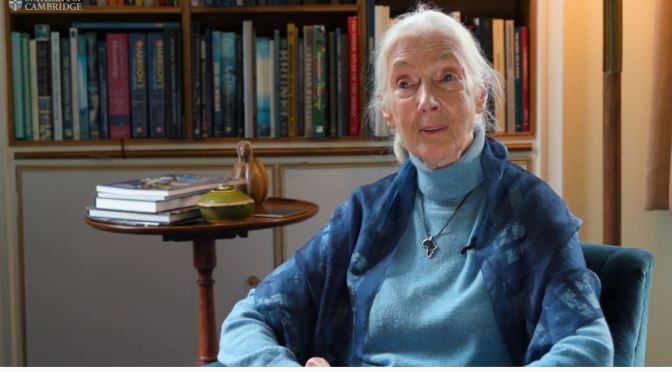
In a new film released as part of Cambridge University’s focus on Sustainable Earth, Dr Jane Goodall DBE talks about the environmental crisis and her reasons for hope. “Every single day that we live, we make some impact on the planet. We have a choice as to what kind of impact that is.”
At the age of 26, Jane Goodall travelled from England to what is now Tanzania, Africa, and ventured into the little-known world of wild chimpanzees. Among her many discoveries, perhaps the greatest was that chimpanzees make and use tools. She completed a PhD at Newnham College in Cambridge in 1966, and subsequently founded the Jane Goodall Institute in 1977 to continue her conservation work and the youth service programme Roots & Shoots in 1991.
She now travels the world as a UN Messenger of Peace. “The human spirit is indomitable. Throughout my life, I’ve met so many incredible people – men and women who tackle what seems impossible and won’t give up until they succeed. With our intellect and our determined spirit, and with the tools that we have now, we can find a way to a better future.”
Cambridge University’s focus on Sustainable Earth looks at how we transition to a carbon zero future, protect the planet’s resources, reduce waste and build resilience.
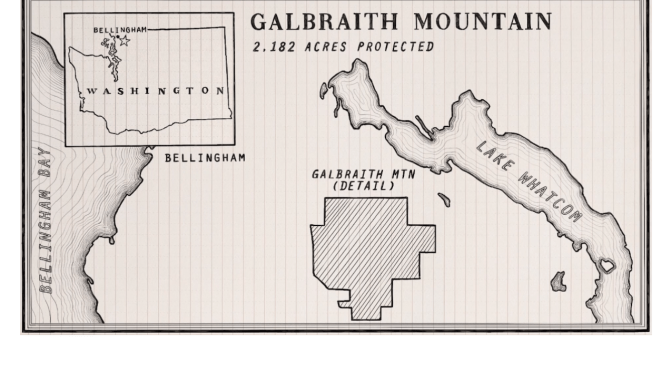
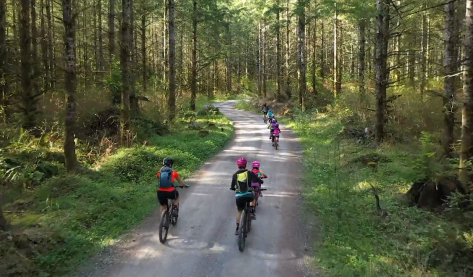
To permanently protect 2,240 privately-owned acres of Galbraith Mountain next to Bellingham, WA, and secure legal rights to extensive, multipurpose, non-motorized recreational activities on that land.
Crossing all continents and climates (from the jungles of Costa Rica to the ice fields in Alaska’s Kenai Fjords National Parks), as well as experiences (a wine route through Switzerland or moose spotting on the Teton Crest Trail in Wyoming,) there is a trail for everyone in these pages. So pack your gear and lace your boots: this comprehensive and innovative guide will lead you to experience the best hikes of your life!
Filled with beautiful National Geographic photography, wisdom from expert hikers like Andrew Skurka, need-to-know travel information, and practical wildlife-spotting tips, this inspirational guide offers the planet’s best experiences for hikers and sightseers. From short day hikes–California’s Sierra High Route, Lake Agnes Teahouse in Alberta, Norway’s Mt. Skala–to multiday excursions like Mt. Meru in Tanzania and multi-week treks (Egypt’s Sinai Trail, Bhutan’s Snowman Trek, and the Bibbulum Track in Australia), you’ll find a hike that matches your interests and skill level.
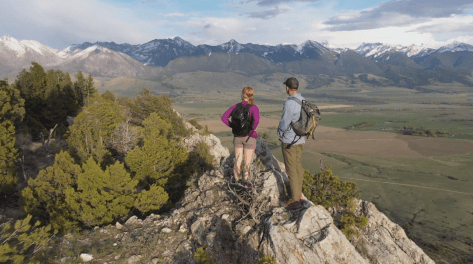
Protecting Wild Lands and Waters of Yellowstone Gateway
To protect the Yellowstone Gateway from the threat of industrial-scale gold mining by securing a permanent mineral withdrawal that prevents mining activity in 30,000 acres of National Forest lands in the Absaroka Beartooth mountains.
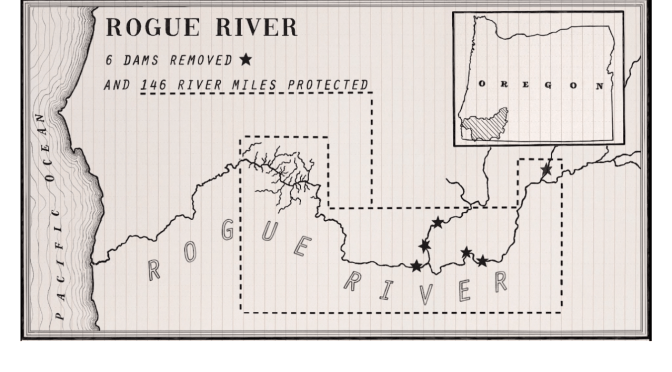
On October 2, 2018 – the 50th anniversary of the Wild and Scenic Rivers Act – a bill to protect wild rivers and lands in Oregon moved one step closer to the finish line. The Oregon Wildlands Act (S.1548) passed through the Senate Committee on Energy and Natural Resources suggesting it is ready for the spotlight – approval from the full Senate and House and a signature by the President.
Senators Wyden and Merkely’s Oregon Wildlands Act brings together longstanding efforts to protect outstanding rivers and wild landscapes in Oregon. If passed, the bill would protect 90,000 acres of Wilderness in the Devil’s Staircase and Wild Rogue areas, add 256 miles of Oregon rivers to the Wild & Scenic system, safeguard 128,000 acres of the Rogue and Molalla Rivers as Recreation Areas and withdraw an important section of the Chetco River from new mining claims.
Fifty years ago the Lower Rogue River was one of the original eight rivers designated under the Wild and Scenic Rivers Act. The Oregon Wildlands Act would grant nearly 100 miles of tributaries of the Lower Rogue River with the same protections. And, protecting the Rogue, it’s tributaries and it’s surrounding wild landscapes is good for business. According to a 2009 economic report, river-based recreation on and near the Wild & Scenic Rogue River accounted for nearly $30 million in economic output and 445 full and part time jobs.



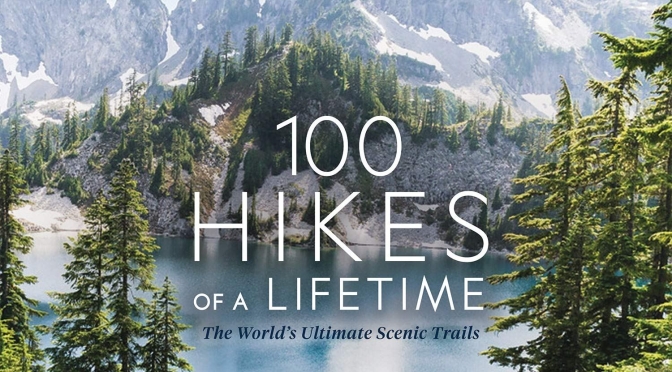
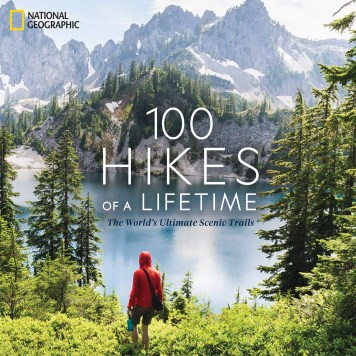 Crossing all continents and climates (from the jungles of Costa Rica to the ice fields in Alaska’s Kenai Fjords National Parks), as well as experiences (a wine route through Switzerland or moose spotting on the Teton Crest Trail in Wyoming,) there is a trail for everyone in these pages. So pack your gear and lace your boots: this comprehensive and innovative guide will lead you to experience the best hikes of your life!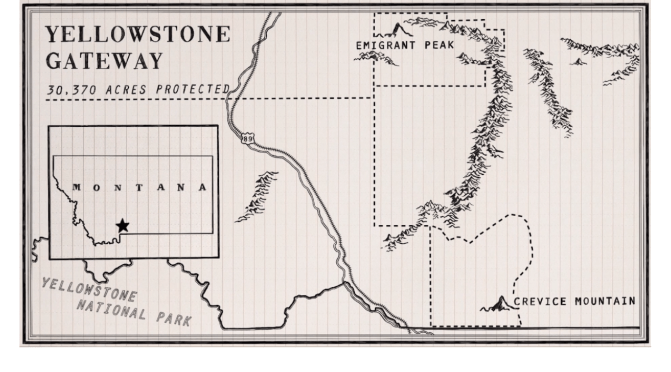
 On October 2, 2018 – the 50th anniversary of the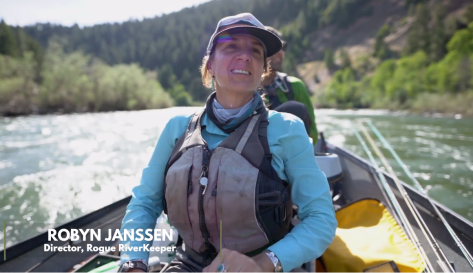
 Boomers Daily