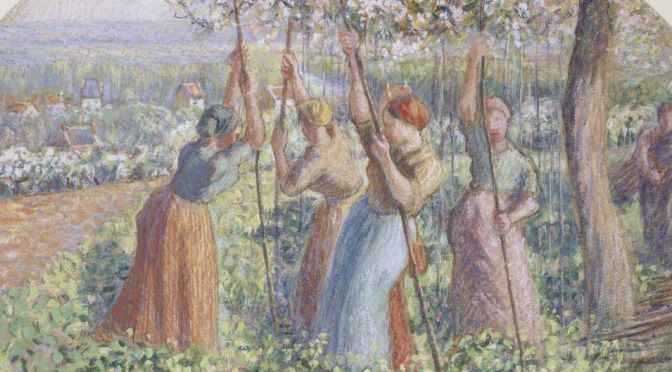
This major exhibition, of works drawn from the Ashmolean’s collections as well as international loans, will span Pissarro’s entire career.
Camille Pissarro (1830–1903) is one of the most celebrated artists of nineteenth-century France and a central figure in Impressionism. Considered a father-figure to many in the movement, his work was enormously influential for many artists, including Claude Monet and Paul Cézanne. It opens in spring 2022.
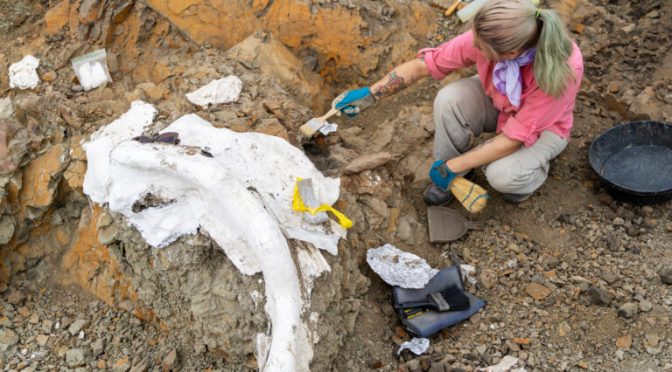
“It’s Cretaceous crime scene work: We have a body — how did it get here?” Kelsie Abrams, Fossil Lab Manager for the UW’s Burke Museum of Natural History and Culture, left her climate-controlled lab to wield jackhammers and shovels on a dusty hillside of the Hell Creek Formation in remote eastern Montana, possibly the best place in the world to find fossils from the Late Cretaceous. In this short film, follow Abrams and the dig team from the field to the lab, as they unravel mysteries from the end of the age of dinosaurs.
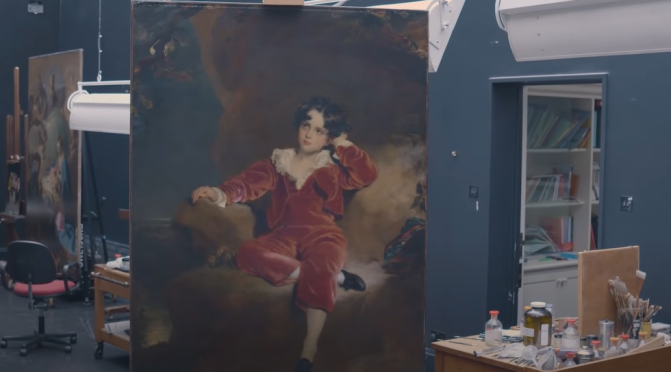
Restorer Paul Ackroyd gets ‘The Red Boy’ ready to be displayed in the Gallery.
The Red Boy, or Master Lambton, are popular names for a portrait made in 1825 by Sir Thomas Lawrence. It is officially entitled with the name of its subject, Charles William Lambton, who was the elder son of John Lambton.
Paul Ackroyd, restorer, is cleaning ‘The Red Boy’, an iconic painting by Sir Thomas Lawrence. It was so popular it was the first-ever painting to feature on a British postage stamp.
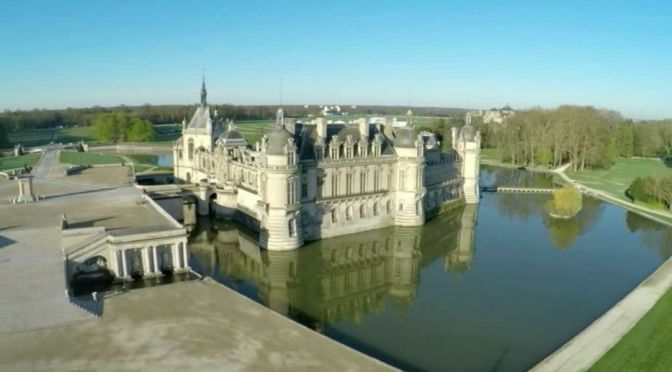
Every year, almost half a million visitors flock to Chantilly, one of France’s most beautiful castles. Located an hour from Paris and built in 1358, its princes greeted Louis XIV for sumptuous banquets. In the 19th century, Henri D’Orléans, Duke of Aumale, restored the château and turned it into an exceptional museum, containing the second-largest collection of paintings in France after the Louvre and more than 45,000 books. From restorers to gardeners and horseriders: behind the scenes, more than 100 people work every day on the upkeep of Chantilly. FRANCE 24 takes you to meet them.
The Getty Center, in Los Angeles, California, is a campus of the Getty Museum and other programs of the Getty Trust. The $1.3 billion Center opened to the public on December 16, 1997 and is well known for its architecture, gardens, and views overlooking Los Angeles.
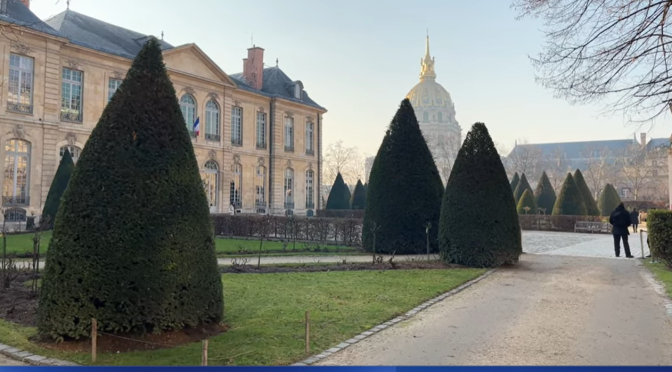
The Musée Rodin in Paris, France, is a museum that was opened in 1919, primarily dedicated to the works of the French sculptor Auguste Rodin. It has two sites: the Hôtel Biron and surrounding grounds in central Paris, as well as just outside Paris at Rodin’s old home, the Villa des Brillants at Meudon, Hauts-de-Seine.
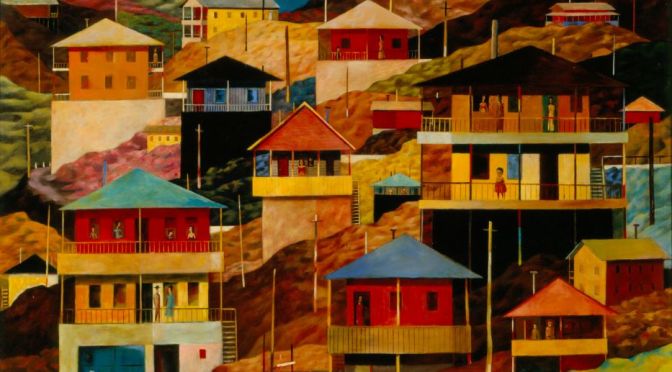
Philip C. Curtis saw the desert through a lens of magic realism.
Landscape remains one of the most popular subjects for artists visiting and residing in Arizona. Philip C. Curtis, while not known as a landscape painter, draws extensively on that subject. Curtis came to the state in 1937 to establish the Phoenix Federal Art Center under the Federal Art Project, a New Deal program. He left two years later to head a similar facility in Des Moines, Iowa, but returned to Arizona in 1947.
Settling in Scottsdale, he painted surreal compositions, with figures in Victorian costumes set in the desert. Arizona’s landscapes were a rich source of inspiration for him, and while his canvases do not portray any recognizable geological features, his work may be contextualized within the work of a broad spectrum of artists who came to the state. Curtis saw the desert through a lens of magic realism. This differed from Maxfield Parrish, Eugene Berman, and other artists who preferred more representational modes.
What was Jasper Johns’s reaction to seeing Paul Cézanne’s The Large Bathers? Curator Carlos Basualdo recalls standing in front of the painting and Johns’s fascination with the finished and unfinished aspects of the artwork.
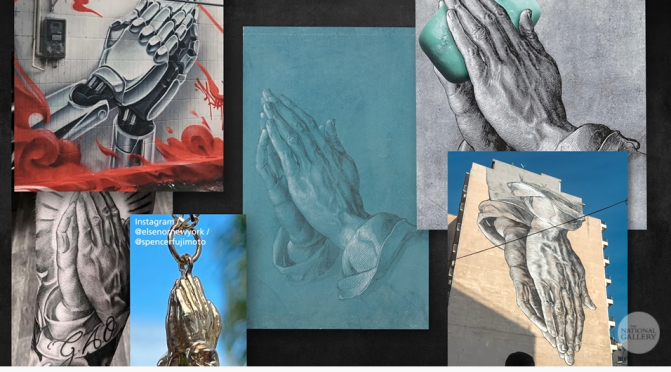
Even if you don’t know the name, chances are you’ve seen a reproduction of one of his prints. What is it about his work that has made it last? Through paintings, drawings, prints, and letters, our exhibition ‘Dürer’s Journeys: Travels of a Renaissance Artist’ brings to life this art history megastar and the people and places he visited.
“I think it just shows very well how Rubens worked, how he got the inspiration from antiquity, but he transforms it into something completely new and very alive.”
The Flemish Baroque painter Peter Paul Rubens is most famous for his dynamic, colorful renderings of religious scenes and mythological stories. Yet Rubens’s work was also deeply inspired by the art of the past. He was a keen student of classical antiquity, engaging with ancient sculptures, coins, gems, and cameos both at home and in his travels through Italy. His friendships with antiquarians, patrons, and scholars provided a network for vibrant intellectual exchanges that informed the artist’s work.
In this episode, Getty curators Anne T. Woollett, Davide Gasparotto, and Jeffrey Spier discuss their exhibition Rubens: Picturing Antiquity, which explores how Rubens was affected by and, in turn, transformed the classical past in his paintings, drawings, and designs. The exhibition, which received major support from Jo Carole and Ronald S. Lauder and generous support from the Leonetti/O’Connell Family Foundation, is on view at the Getty Villa through January 24, 2022.