
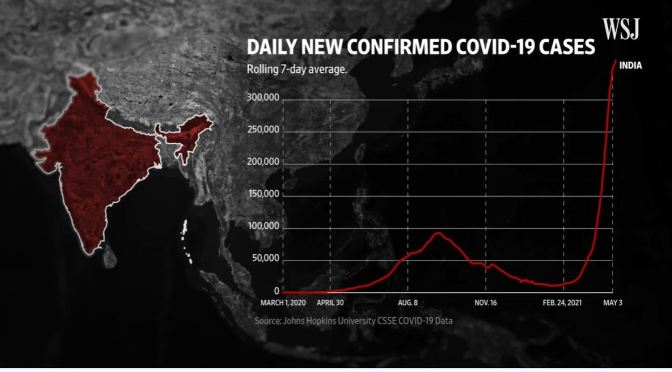
India has put vaccine distribution to other countries on hold as the country battles the world’s fastest-growing Covid-19 surge. The delay in distribution is hampering the global vaccination effort. Photo illustration: Laura Kammermann
Category Archives: Medicine
Medicine: ‘How Vaccines Actually Work’ (Video)
Vaccines are medicines that train the body to defend itself against future disease, and they have been saving human lives for hundreds of years. Vaccines are medicines that train the body to defend itself against future disease.
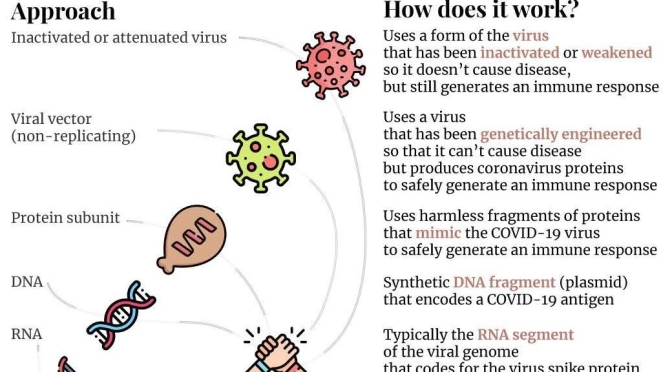
Covid-19 Infographic: The Different Vaccine Types

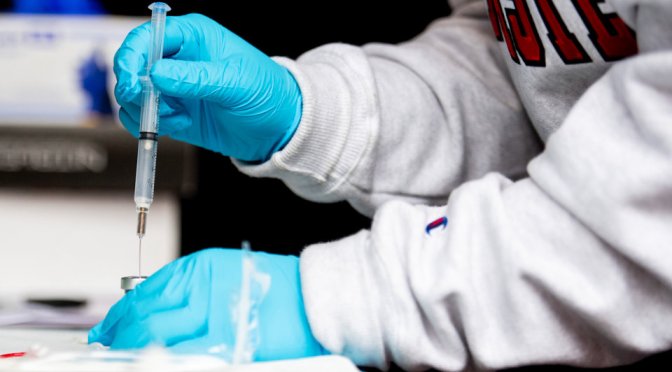
Analysis: Can Colleges Require Covid Vaccines?
A growing number of colleges around the country will require students to get Covid-19 vaccinations before returning to campus. But the policies are igniting a debate over whether businesses and institutions like schools can make vaccines a condition of attendance. Photo: Northeastern University
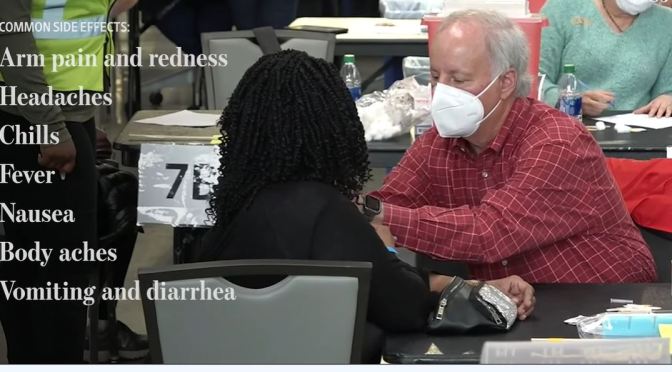
Covid-19: Vaccine Side Effects, Explained (WSJ)
As more U.S. adults get their Covid-19 vaccines, a variety of side effects are emerging. WSJ’s Daniela Hernandez speaks with an infectious disease specialist on what is common, what isn’t and when to seek medical attention. Photo: Associated Press
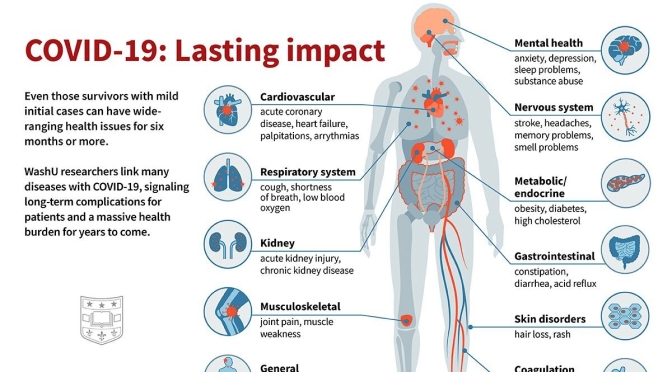
Infographic: Lasting Impacts Of Covid-19

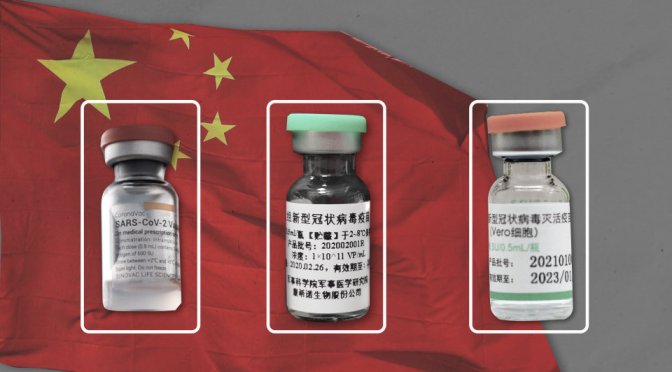
Covid-19: Why China May Mix & Match Vaccines (WSJ)
Chinese Covid-19 vaccines offer relatively low levels of protection compared with some of their foreign rivals. Here is why China is joining other countries in considering mixing and matching vaccines as a key to overcoming multiple vaccination challenges at once. Illustration: Ksenia Shaikhutdinova
Global Health Essays: ‘The Politics Of Stopping Pandemics’ (New Yorker)
He identifies a cluster of non-medical drivers of deadly outbreaks—war, political instability, human migration, poverty, urbanization, anti-science and nationalist sentiment, and climate change—and maintains that advances in biomedicine must be accompanied by concerted action on these geopolitical matters.
War and Pestilence ride together as two of the Four Horsemen of the Apocalypse, and there is no shortage of historical precedent to demonstrate the aptness of the allegory. The great influenza pandemic that began in 1918 was propelled, in part, by troop movements and population shifts at the end of the First World War. Both the First and the Second World Wars produced typhus epidemics. Armed conflicts cause malnutrition, poor pest control, and sanitation problems; even the soil often becomes contaminated. Medical facilities are destroyed; doctors and nurses, diverted to combat duty, are unable to provide care, and vaccination and other mass-treatment programs usually falter.
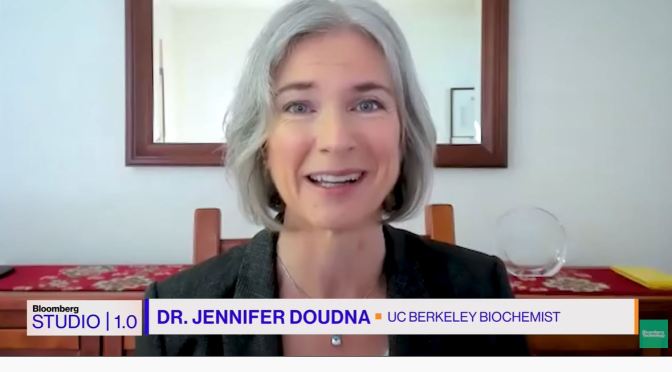
CRISPR Technology: Dr. Jennifer Doudna On Its Medical Ethics (Video)
Dr. Jennifer Doudna first made her name uncovering the basic structure and function of the first ribozyme, a type of catalytic ribonucleic acid (RNA) that helps catalyse chemical reactions. This work helped lay the foundation for her later helping to pioneer CRISPR-Cas 9, a tool that has provided the means to edit genes on an unprecedented scale and at minimal cost. In addition to her scientific contributions to CRISPR, Doudna is known for spearheading the public debate to consider the ethical implications of using CRISPR-Cas9 to edit human embryos.
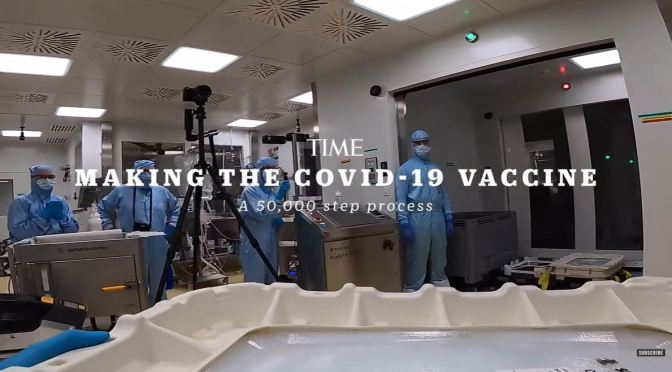
Covid-19: Inside The BioNTech Lab Producing The World’s Top Vaccine
Exclusive: Inside the facilities making the world’s most prevalent COVID-19 vaccine https://ti.me/3grX0v9
 Boomers Daily