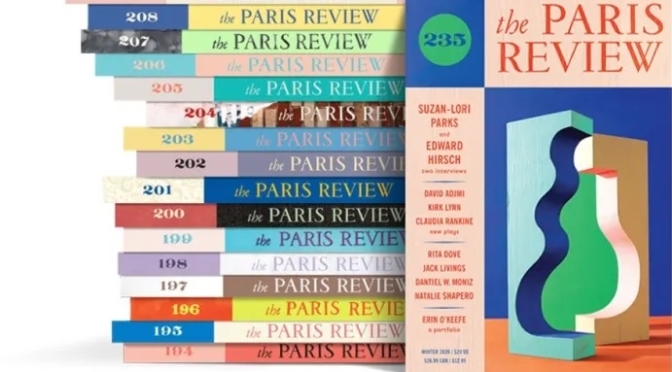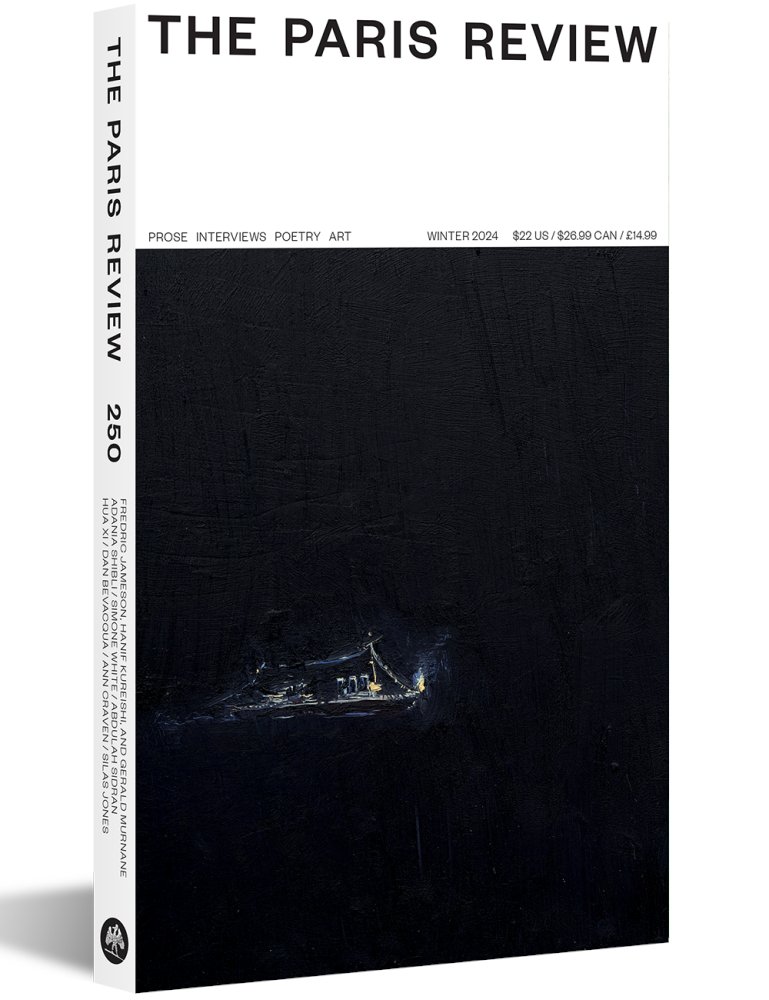
THE PARIS REVIEW (MARCH 18, 2025): The Spring 2025 issue features

THE PARIS REVIEW (MARCH 18, 2025): The Spring 2025 issue features

MODERN AGE – A CONSERVATIVE REVIEW (March 12, 2025): The latest issue features ‘The Art of Civilization’; No Canon, No West; Kitsch- An Essay in Definition; Flannery O’Connor’s Century…
Civilization is a product of canons. The Bible is a canon, and while the Iliad and Odyssey were not quite sacred scripture to the ancient Greeks, the Homeric epics went a long way toward establishing what it meant for a man or a city to be part of the Greek world. That world was almost a synonym for civilization itself. What was not Greek was barbarian.
Noam Chomsky has attained fame in two different areas. He is a world-renowned authority in linguistics and also a major public intellectual. But while in the former area his achievements are universally recognized, even by those who disagree with him, this is not so for his work as a public intellectual, where he is idolized by some, respected by others, tolerated by yet others, and execrated by more than a few.
O’Connor’s work, fiction and not, is Catholic, gothic, Southern, and timeless.
∙

LOS ANGELES REVIEW OF BOOKS (March 11, 2025): The Spring 2025 issue features…
TABLE OF CONTENTS
Features
The Pool at The LINE by Maya Binyam
Dark Waters and Sorcerer by Sam Bodrojan
Nonfiction
Points of Entry: On Lebanon and broken glass by Mary Turfah
Rising from Her Verses: The poetry and politics of Julia de Burgos by Sophia Stewart
Mann Men: Exploring an oeuvre of men in crisis by Clayton Purdom
Jolted out of Our Aesthetic Skins: Mario Kart and fiction in Las Vegas by Simon Wu
Beautiful Aimlessness: The cultural footprint of Giant Robot by Oliver Wang
In Its Purest Form: Reading Lolita on its 70th anniversary by Claire Messud
Perfect Momentum: How to crash someone else’s car by Dorie Chevlen
Comic
Mafalda by Quino, translated by Frank Wynne
Fiction
The Tragedy Brotherhood by O F Cieri
The Eagle’s Nest by Devin Thomas O’Shea
Excerpt
The Heir Conditioner: from Mother Media by Hannah Zeavin
Poetry
Minister of Loneliness by Ansel Elkins
Iterations by Tracy Fuad
Moon over Brooklyn by Daniel Halpern
You by Laura Kolbe
Third Act by Tamara Nassar
Still, my brother’s flag flies by Jorrell Watkins

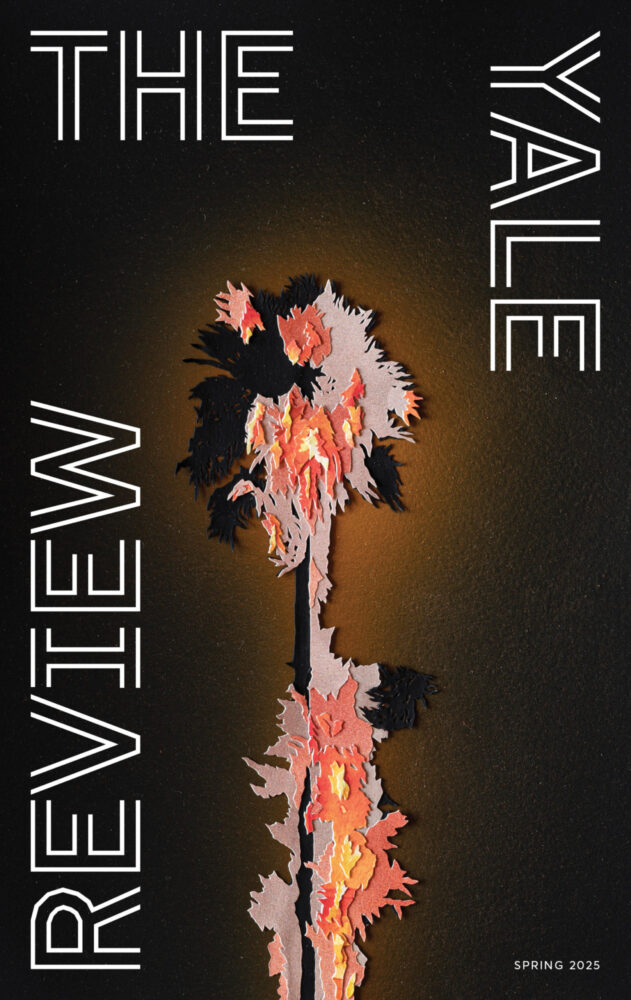
THE YALE REVIEW (March 11, 2025): The latest issue features…
Do we want art to transform our lives?
Capturing Los Angeles in crisis by Sasha Rudensky
Is life online real? by Jesse Damiani

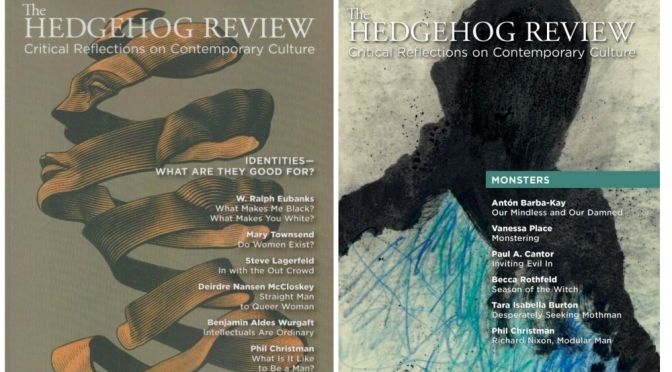
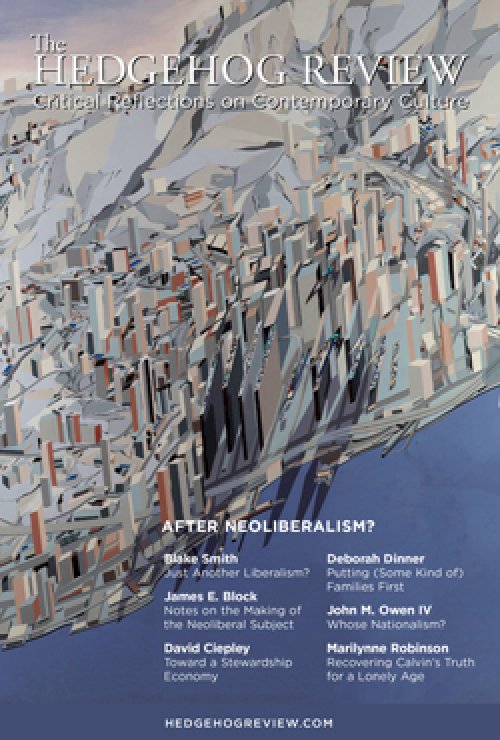
THE HEDGEHOG REVIEW (February 28, 2025): The latest issue features ‘After Neoliberalism?’ – The old order may be dying, but the shape of a new one is still unclear.
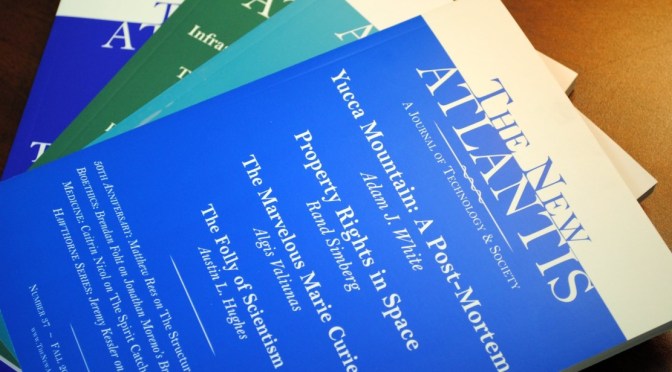
THE NEW ATLANTIS JOURNAL (January 14, 2025): The latest issue features…
The gatekeepers are dying. Why is everything so mid?
Introducing “How the System Works,” a series on the hidden mechanisms that support modern life
There’s no time like the present to revisit the warning of forgotten media theorist Harold Innis: “Enormous improvements in communication have made understanding more difficult.”
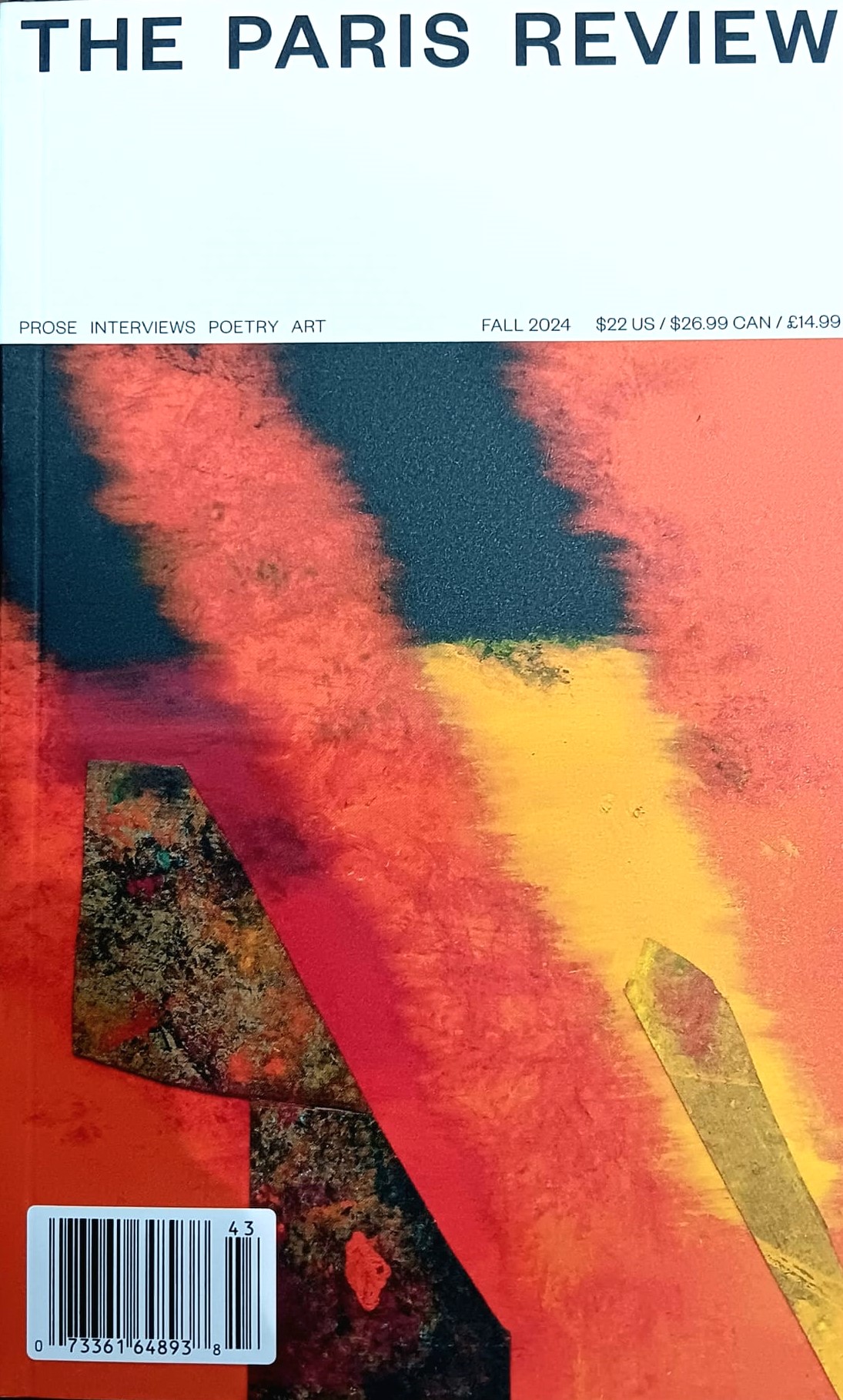
Paris Review Summer 2024 (September 10, 2024) — The new issue features:

Paris Review Summer 2024 (September 10, 2024) — The new issue features:

James Schuyler on Frank O’Hara: “I still can see Frank, standing on that street corner outside a pastry shop, holding a neatly tied-up box of God knows what—éclairs, perhaps.”
James Schuyler was born in Chicago in 1923, grew up in Washington, D.C., and East Aurora, New York, and spent most of his adult years in New York City and Southampton, Long Island. Although he is perhaps less widely known than the fellow New York School poets with whom he is associated, John Ashbery, Frank O’Hara, Barbara Guest, and Kenneth Koch, he published six full-length books of poetry during his lifetime—beginning with Freely Espousing, published by Doubleday and Paris Review Editions in 1969—as well as two novels, and a third written in collaboration with Ashbery. In 1981 he won the Pulitzer Prize for his collection The Morning of the Poem (1980). Mental illness plagued him intermittently, and there were times when his life threatened to veer out of control, but friends repeatedly rallied around him, and the years before his death in 1991 were happy and productive.

Paris Review Summer 2024 — The new issue features:
Mary Robison on the Art of Fiction: “The first thing they’d say was ‘This is a nice story—where’s your novel?’ And I would just lie my head off. ‘Oh, it’s at home. It’s almost there!’”
Elaine Scarry on the Art of Nonfiction: “A lot of my troubles in life have come from taking literally what I should have understood as figurative.”
Prose by Peter Cornell, Rodolfo Enrique Fogwill, Renee Gladman, Nancy Lemann, Banu Mushtaq, K Patrick, and Anne Serre.
Jhumpa Lahiri on the Art of Fiction: “My question is, What makes a language yours, or mine?”
Alice Notley on the Art of Poetry: “Writing is not therapy. That’s the last thing it is. I still have my grief.”
Prose by Elijah Bailey, Julien Columeau, Joanna Kavenna, Samanta Schweblin, Eliot Weinberger, and Joy Williams.
Poetry by Gbenga Adesina, Elisa Gabbert, Jessica Laser, Maureen N. McLane, Mary Ruefle, Julian Talamantez Brolaski, and Matthew Zapruder.
Art by Farah Al Qasimi and Chris Oh.

Paris Review Spring 2024 — The new issue features interviews with Jhumpa Lahiri and Alice Notley, prose by Joy Williams and Eliot Weinberger, poetry by Mary Ruefle and Jessica Laser, art by Chris Oh and Farah Al Qasimi, two covers by Nicolas Party, and more…
Jhumpa Lahiri on the Art of Fiction: “My question is, What makes a language yours, or mine?”
Alice Notley on the Art of Poetry: “Writing is not therapy. That’s the last thing it is. I still have my grief.”
Prose by Elijah Bailey, Julien Columeau, Joanna Kavenna, Samanta Schweblin, Eliot Weinberger, and Joy Williams.
Poetry by Gbenga Adesina, Elisa Gabbert, Jessica Laser, Maureen N. McLane, Mary Ruefle, Julian Talamantez Brolaski, and Matthew Zapruder.
Art by Farah Al Qasimi and Chris Oh.