
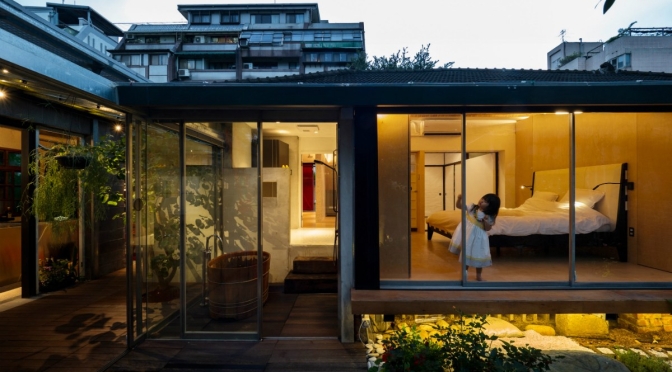
From an InsideFestival.com online release:
 “The jury was unanimous in celebrating this inventive solution to reconfiguring a dilapidated Japanese colonial house.
A dynamic whole in constant flux, the house in unusually in tune with the differing and sometimes contradictory needs of a young family. Every space can be negotiated and adapted, encouraging the house to be an incubator for positive difference in the family unit.
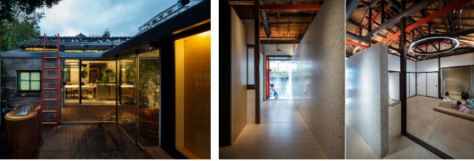
Sensitivity abounds, both in the design process and the outcome. Local craftspeople were drafted in when needed; recycled elements were mixed freely with new. The result has a uniquely sloppy fit for its inhabitants, a fit that can evolve freely over time.
Ladders to the roof level encourage ongoing hide and seek. Internal space leaks into a garden, itself an outdoor room. Light penetrates in unexpected ways, and occasional views of the sky offset the otherwise congested urban setting.
Against the background of rapid development in Taipei, this project has the potential to be a ‘prototype’ that may help reevaluate the existing stock of Japanese houses.”
Website: https://www.insidefestival.com/interior-of-the-year-2019

 The percentage of boomers who own a pet grew from 50% to 54% between 2008 and 2018. Among the oldest boomers — those between 70 and 74 — the percentage of pet owners rose from 41% to 45%. In contrast, the percentage of pet owners between the ages of 18 to 39 dropped from 63% to 61% during that time frame. Among consumers 40-54, the percentage of pet owners held steady at 64%.
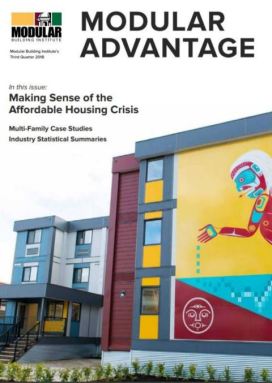 The reality, however, is that modular, prefabricated housing can exceed the limitations put upon it by popular conceptions of trailer parks and postwar government housing. Not only are they certainly faster – an important factor in cost, as the cost of land and construction have as much as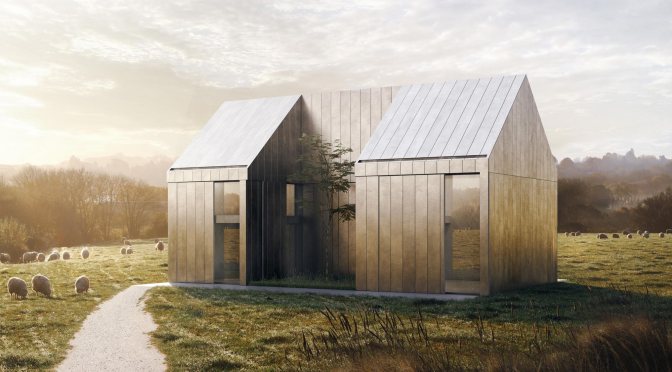
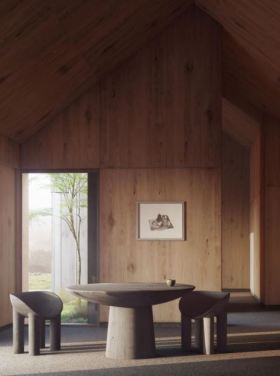 Most notable is Toogood’s sensitive approach to materials. She offers two different, equally alluring solutions to the exterior cladding and the internal finishes. Both external cladding options, raw galvanised steel and dark charred timber, are suggestive of industrial or agricultural structures, making it something of a thrill to see them in a domestic setting. The building clad in raw galvanised steel will have a refined, cream-coloured interior, whilst the structure clad in dark charred timber will have an exposed plywood interior finish.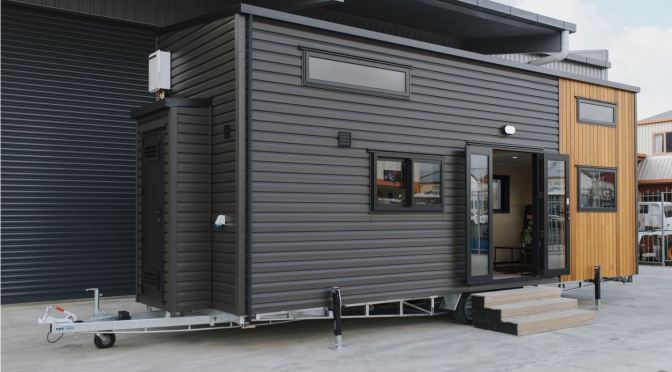
 This model is going to be completely off-grid in its seaside location. On the roof are 6 x Trina 270w Honey Poly Module panels. A storage box over the tow bar stores the inverter and 4 x C&D 12V 192Ah c20 FT Lead Carbon Cyclic Batteries that will power the home. A new feature in this home (requested by the client) was a folding shelf in the bathroom above the toilet.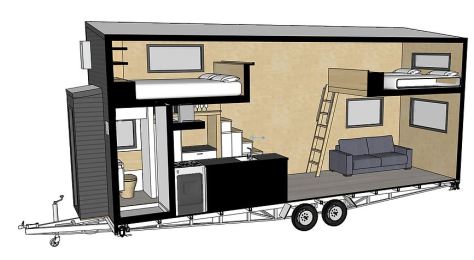
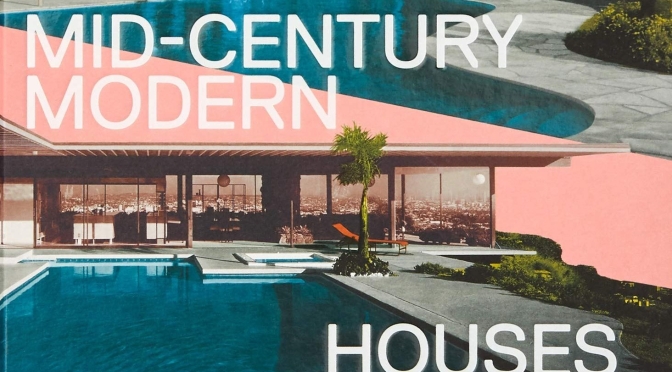
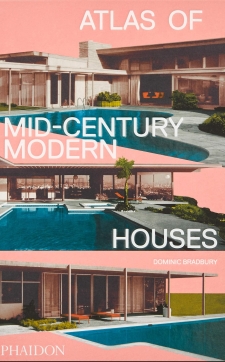 “If one imagines a list of the greatest, most influential houses of the twentieth century, it seems highly likely that the mid-century period will dominate,” writes Bradbury in the book’s introduction, going on to name such famous edifices as the three famous glass houses by Philip Johnson, Ludwig Mies van der Rohe, and Lino Bo Bardi, respectively; Richard Neutra’s Kaufmann House; and Luis Barragán’s Cuadra San Cristóbal. “One could, of course, go on.…” he writes.
 Designed to universally retrofit onto most curtain rods, the SwitchBot comes with two hooks that hold it in place and a wheel that moves the bot left or right. Place the SwitchBot between the first and second loops of your curtain or blind, and the bot can now, on command, run up and down the curtain rod, maneuvering your curtains open or closed. SwitchBot runs on an app, but even supports voice commands via your phone or smart speaker, effectively allowing you to have your own “Let there be light” moment by commanding the curtains to open at will. IFTTT and shortcuts support even lets you sync SwitchBot with your alarm, or with the time of the day, thanks to the bot’s in-built light sensor.
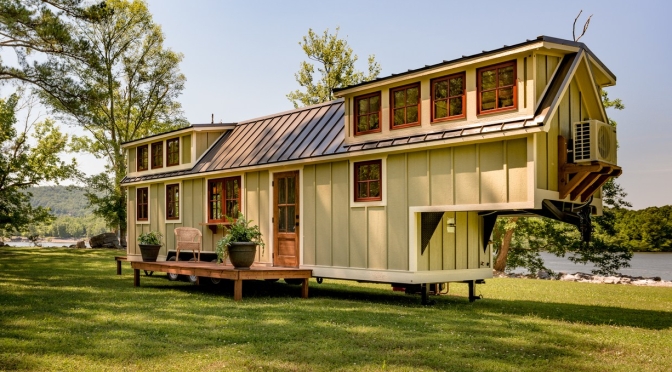
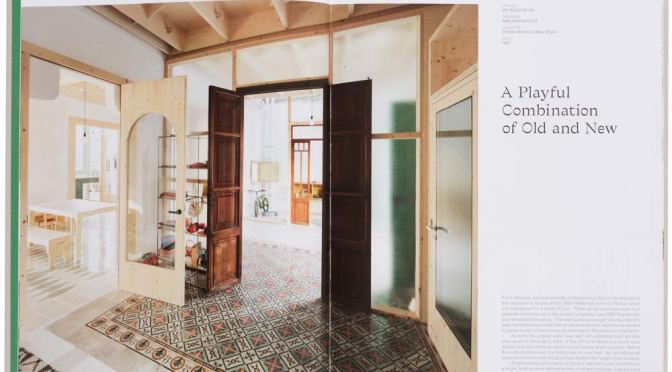
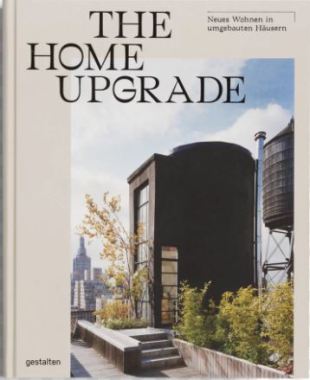 The Home Upgrade looks beyond big budget projects and explores homes where the seemingly impossible has been achieved. For architects striking out on their own, such projects offer the opportunity to flex their muscles and lead a project for the first time. A home in Brooklyn, featured in the book, was refurbished after Hurricane Sandy ravaged the Eastern Seaboard in 2012. The living space was raised above the high-water line, an answer to the grim fact that once-in-a-generation occurrences are a new reality.

 Boomers Daily