

Simone Biles’s withdrawal from competitions at the Tokyo Olympics has put renewed focus on mental health in sports. WSJ looks at how the stigma and treatment for athletes’ state of mind has shifted. Photo: Mike Blake/Reuters
Category Archives: Health

Infographic: Fighting Fatty Liver Disease


Melanoma: How To Catch Skin Cancer Early (Mayo)

Views: Tufts ‘Health & Nutrition Letter’ (Aug ’21)


Covid-19: How The Delta Variant Spread Globally
Covid-19’s Delta variant is proliferating world-wide threatening unvaccinated populations and economic recovery. WSJ breaks down events in key countries to explain why Delta spreads faster than previously detected strains. Composite: Sharon Shi
Research: ‘The Science Of Healthy Aging’ (Scripps)
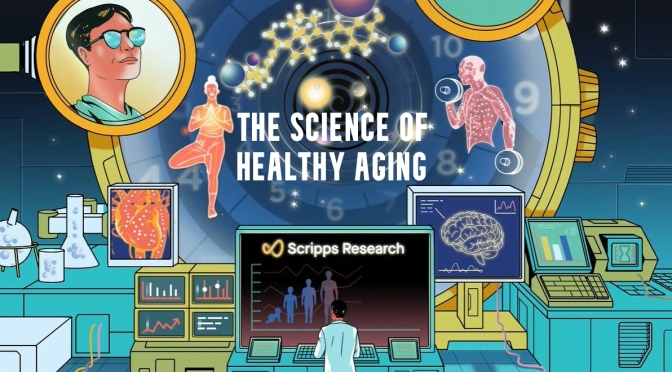
Although growing older comes with a number of major life changes, science can help inform the things we do in the here in and now to forestall the most serious features of the aging self, promoting healthspan and not just lifespan.

- Build Muscle – Muscle mass is one the best predictors of health and longevity. Muscle tissue is known to release its own chemicals called myokines, which can have benefits that span cognition, immunity and anti-cancer activity. By performing regular, resistance-based exercise that prioritizes strength, we can delay the loss of bone density and risk of physical injuries.
- Vitamin D – Commonly known as the sunshine vitamin, vitamin D is in fact a critical hormone that helps maintain healthy bones, boost our immune system and improve our cardiovascular function. With age, the production of vitamin D in the skin can become less efficient, so if we don’t spend enough time outdoors, our risk of vitamin D deficiency may increase.
- Neurodegenerative Diseases – One of the most unsettling aspects of aging is the potential for neurodegenerative disease. These conditions are increasingly prevalent in those with diabetes, suggesting that the brain’s blood flow and energy supply may be compromised. Research indicates that regular physical exercise, a healthy whole foods diet and staying intellectually active could at least slow the rate of decline.
- Mindfulness – As we get older, major arteries can become thicker and less flexible, leading to increased blood pressure and undue strain on the heart. A regular mindfulness practice such as yoga or meditation has been shown to stem the release of stress hormones like cortisol and adrenaline. By freeing us from this “fight-or-flight” state, this habit can improve blood flow and reduce the risk of heart attack and stroke.
- Stay Social – As social animals, maintaining a strong sense of community and close personal relationships into old age are underestimated contributors to longevity. While social isolation in seniors can result in significant physical and mental decline, research suggests that close loved ones offer important emotional support and behavioral modifications that can overcome periods of high stress.
- Metabolism – “My metabolism is slowing down!” That’s what we often hear, as the aging body becomes less effective at using energy, placing us at risk of obesity and type 2 diabetes. By maintaining our muscle mass and reducing sugar consumption, we can support hormonal health, preserve our metabolism and keep our vitality into those advanced years. As scientists continue to find ways to extend our lives, paying attention to these keys to healthy aging can help increase the quality of those extra years.
Views: Is U.S. Healthcare System Broken? (Harvard)


Here’s a question that’s been on my mind and perhaps yours: Is the US healthcare system expensive, complicated, dysfunctional, or broken? The simple answer is yes to all.
Below are 10 of the most convincing arguments I’ve heard that our system needs a major overhaul. And that’s just the tip of the iceberg. Remember, an entire industry has evolved in the US just to help people navigate the maddeningly complex task of choosing a health insurance plan.
The cost is enormous
- High cost, not highest quality. Despite spending far more on healthcare than other high-income nations, the US scores poorly on many key health measures, including life expectancy, preventable hospital admissions, suicide, and maternal mortality. And for all that expense, satisfaction with the current healthcare system is relatively low in the US.
- Financial burden. High costs combined with high numbers of underinsured or uninsured means many people risk bankruptcy if they develop a serious illness. Prices vary widely, and it’s nearly impossible to compare the quality or cost of your healthcare options — or even to know how big a bill to expect. And even when you ask lots of questions ahead of time and stick with recommended doctors in your health insurance network, you may still wind up getting a surprise bill. My neighbor did after knee surgery: even though the hospital and his surgeon were in his insurance network, the anesthesiologist was not.
Access is uneven
- Health insurance tied to employment. During World War II, healthcare was offered as a way to attract workers since employers had few other options. Few people had private insurance then, but now a layoff can jeopardize your access to healthcare.
- Healthcare disparities. The current US healthcare system has a cruel tendency to delay or deny high-quality care to those who are most in need of it but can least afford its high cost. This contributes to avoidable healthcare disparities for people of color and other disadvantaged groups.
- Health insurers may discourage care to hold down costs. Many health insurance companies restrict expensive medications, tests, and other services by declining coverage until forms are filled out to justify the service to the insurer. True, this can prevent unnecessary expense to the healthcare system — and to the insurance company. Yet it also discourages care deemed appropriate by your physician.
Infographic: What Is Cardiac Rehabilitation?

Analysis: The Cognitive Effects Of Covid-19
Covid-19 is complex. It can affect the nervous system, leading to language disorders, strokes and seizures. Scientists are still trying to understand why. 75% of people hospitalised with the virus continue to suffer from secondary symptoms at least six months after they recover. Many find it hard to function in their daily lives. Researchers hope understanding Covid’s impact on the brain could pave a way for treatment.
Health: Hip Replacement Surgery Success Rates
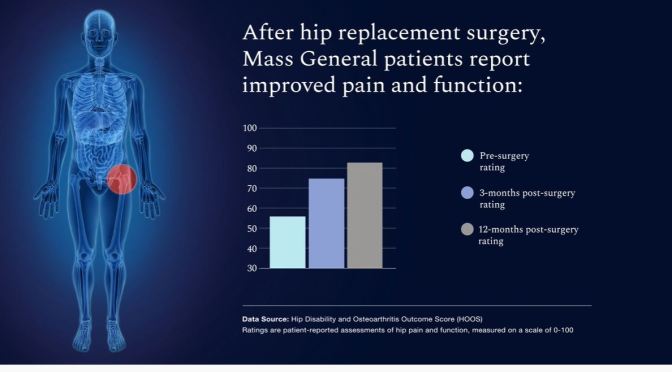
The mission of COMPASS is to provide patients with access to comprehensive quality and safety data across a variety of Massachusetts General Hospital surgical specialties. In this video, learn about performance data for Mass General hip replacement surgery including its success rate and recovery and rehabilitation.
 Boomers Daily