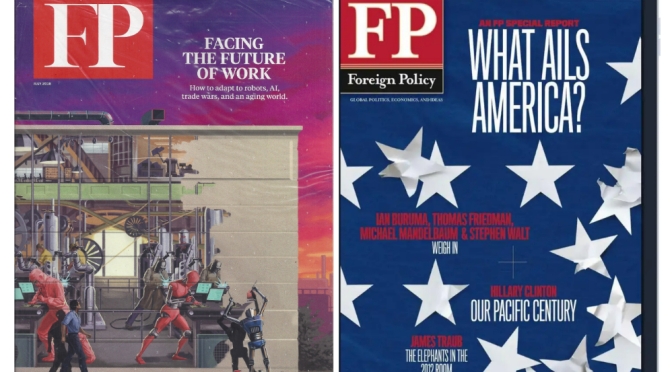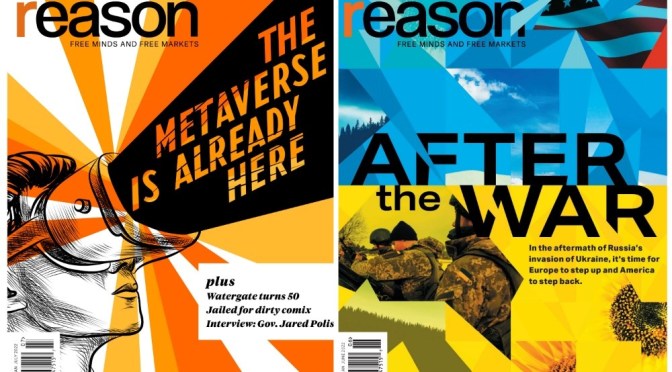
What went wrong—and what we have to do now. D.D. Guttenplan Share Facebook Twitter Email Flipboard Pocket An expense of spirit: Harris gets cozy with Liz Cheney.
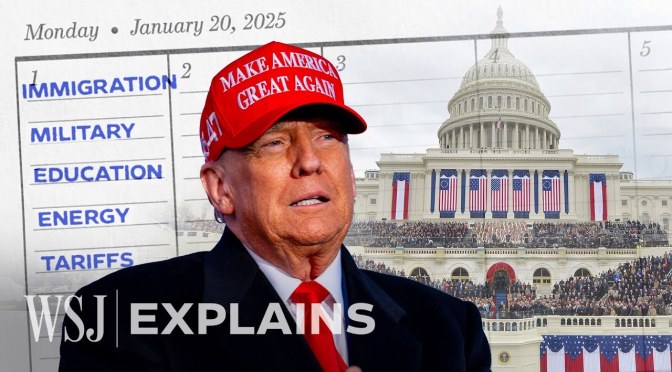
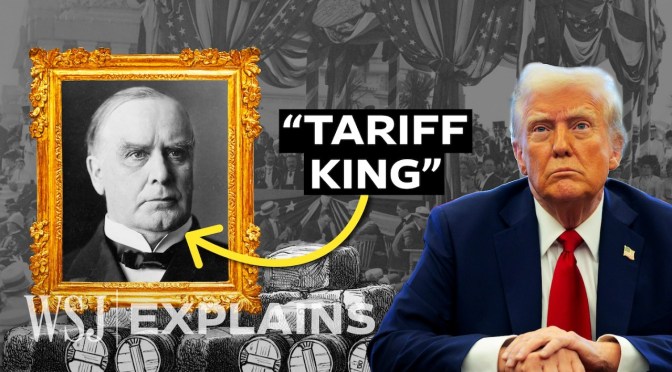
Wall Street Journal (November 22, 2024):President-elect Donald Trump has a long list of policy objectives that he wants to implement quickly including border policy for immigration, closing the Department of Education, implementing tariffs and more.
Video timeline: Chapters: 0:00 Trump’s second term 0:38 Immigration 2:23 Military 3:06 Education 4:34 Energy 5:32 Tariffs 6:48 Checks and balances
For most of Trump’s objectives for his second term, there are limitations including checks and balances within the process or limitations directly from Congress. WSJ explains which of these plans he can carry out on his own, which he’ll need help from Congress for, and what might end up in the courts.
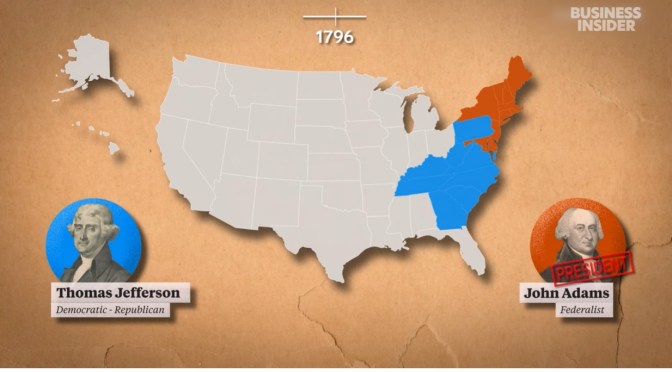
Business Insider (November 15, 2024): The United States has had 60 presidential elections starting in 1789. New parties have come and gone, while new states expanded the electoral map.
Video timeline: 0:00 – Intro 0:28 – First Party System (1792-1824) 1:30 – Second Party System (1828-1854) 2:40 – Third Party System (1854-1895) 5:46 – The Early 1900s (Progressive Era) 7:14 – Fifth Party System – FDR/New Deal Coalition 9:48 – Sixth Party System (1964-present) 16:42 – Credits
Maps show us how each state has voted over time — and who have been the winners and losers along the way.
The Journal Podcast (WSJ) November 6, 2024: Republican former president Donald Trump defeats Democratic Vice President Kamala Harris, reclaiming the White House.
WSJ’s Alex Leary reports on Trump’s winning strategy and the campaign that fueled it.
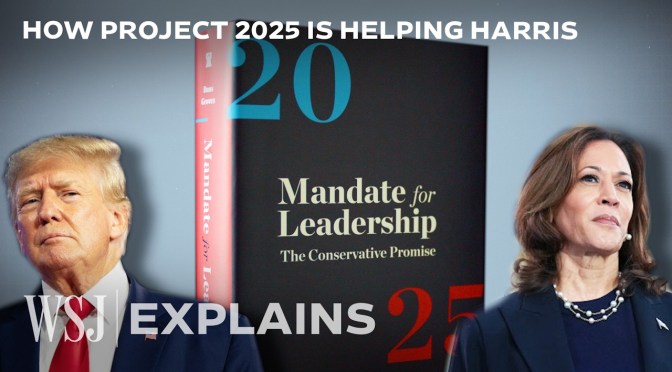
The Wall Street Journal (October 3, 2024): Project 2025–a once obscure conservative policy book—has emerged as a defining element of the 2024 presidential race between Donald Trump and Kamala Harris.
The former president has gone to great lengths to distance himself from the far-right policy playbook, while it has become a political lightning rod for the Democrats. WSJ takes an inside look at how the controversial agenda is transforming campaign strategies and voter decisions.
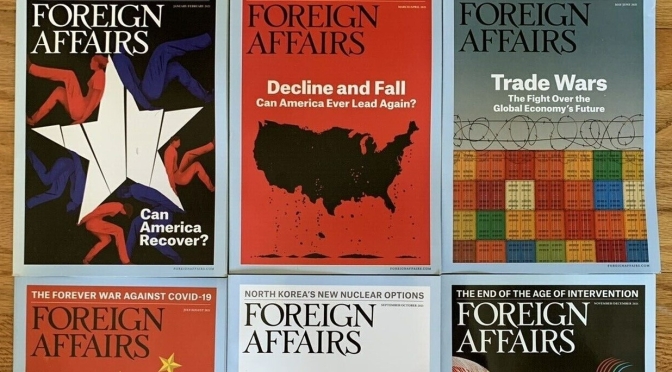
No bloc of countries has, for the past 75 years, been as umbilically tied to the United States as Europe. First, its western half and, since the end of the Cold War, much of its eastern half have prospered under the world’s most extensive bonds in trade, finance, and investment. Europe could also depend on the U.S. military’s iron commitment—enshrined in the 75-year-old NATO alliance—to come to its defense. Together with a few other nations, the United States and Europe defined many of the institutions that comprise what we call the Western-led order. The U.S.-European alliance has arguably been the bedrock of the global system as we know it today.
Without Washington’s embrace, the continent could revert to an anarchic and illiberal past. By HAL BRANDS
Which is the real Europe? The mostly peaceful, democratic, and united continent of the past few decades? Or the fragmented, volatile, and conflict-ridden Europe that existed for centuries before that? If Donald Trump wins the U.S. presidential election in November, we may soon find out.
News, Views and Reviews For The Intellectually Curious