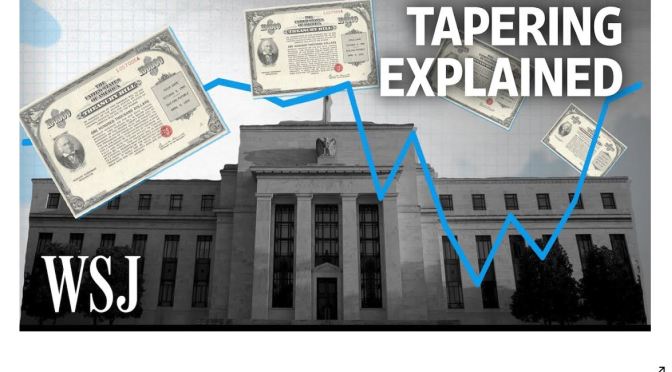
The Federal Reserve says it will accelerate the wind-down of its bond-buying program, the biggest step the central bank has taken in reversing its pandemic-era stimulus. Here’s how tapering works, and why it sends markets on edge. Photo illustration: Adele Morgan/WSJ
Category Archives: Finance
Analysis: Decentralized Finance, Reducing Child Poverty, The Word ‘Like’
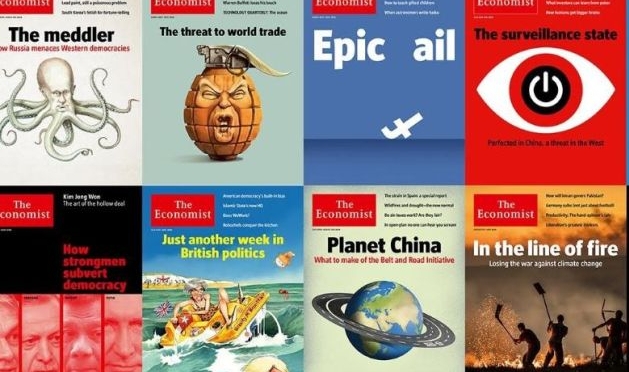
A selection of three essential articles read aloud from the latest issue of The Economist. This week, the dream and danger of decentralised finance, how America is substantially reducing child poverty (10:02) and a defence of, like, “like” (18:57)
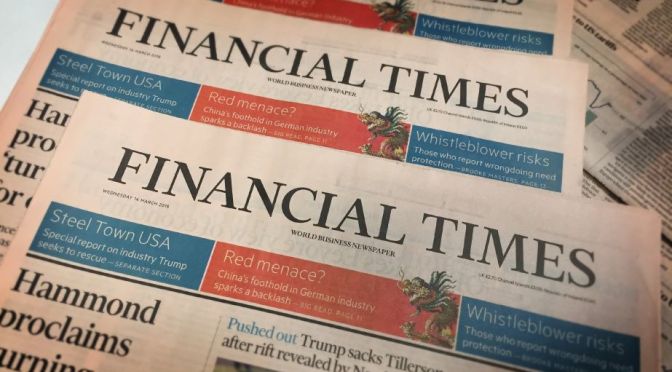
Front Page Views: The Financial Times – Aug 10
Crypto Markets: Altcoins Eat Away At Bitcoin Share
The cryptocurrency market was worth more than $1.6 trillion by the end of the July 2021. And bitcoin controls more than 47 percent of that market, according to Tradingview.com, down from more than 70 percent at the start of 2021. Altcoins, or alternatives to bitcoin, have surged in number and value since 2018. Crypto networks with advanced technologies such as Ethereum, Polygon and Uniswap have captured more and more of the crypto market. And there’s also stablecoins, utility coins and meme currencies like Dogecoin. Here’s how altcoins work, and why they’re becoming a larger and larger force in the crypto market. CHAPTERS: 00:00 — Introduction 01:37 — What are altcoins? 04:07 — Who are the top players? 06:36 — What’s next?
Front Page Views: The ‘Financial Times’ (July 27)
Front Page Views: The ‘Financial Times’ (July 26)
Finance: Why The Fed Will Create A Digital Dollar
The Federal Reserve is trying to figure out how to keep cash relevant in a cashless world. It’s considering digitizing the U.S. dollar, giving people money they can access on their phone and bypassing electronic payments that can be slow and costly for businesses. Illustration: Jacob Reynolds/WSJ
Economics: Is Inflation Making A Comeback? (WSJ)
Recently, the U.S. inflation rate reached a 13-year high, triggering a debate about whether the country is entering an inflationary period similar to the 1970s. WSJ’s Jon Hilsenrath looks at what consumers can expect next. Photo: Alexander Hotz
Money & Investments: Bitcoin – Explained (Video)
Bitcoin and other cryptocurrencies set out to upend the financial order and replace conventional money. Bitcoin has certainly disrupted the global financial system, but can it ever live up to the hype? Read our latest report on cryptocurrency: https://econ.st/3wnYfRr
Finance: The $1 Trillion Market For ‘Green Bonds’
So-called green bonds have become more popular in recent years, and this fast-growing segment of the $128.3 trillion global bond market could grow even more. When an issuer sells a green bond, they’re making a nonbinding commitment to earmark the sale’s proceeds for environmentally friendly projects. That could include renewable energy projects, constructing energy efficient buildings or making investments in clean water or transportation. Green bonds fall under the wider umbrella of sustainable bonds, which include fixed-income instruments whose proceeds are set aside for social or sustainability projects. Big household names such as Apple and PepsiCo are diving into this space. A handful of massive banks and governments around the world are also issuing sustainable bonds, including China, Russia and the European Union. This may be contributing to the space’s rapid growth. A report from Moody’s said new sustainable bond issuance may top $650 billion in 2021. That would represent a 32% jump from 2020.