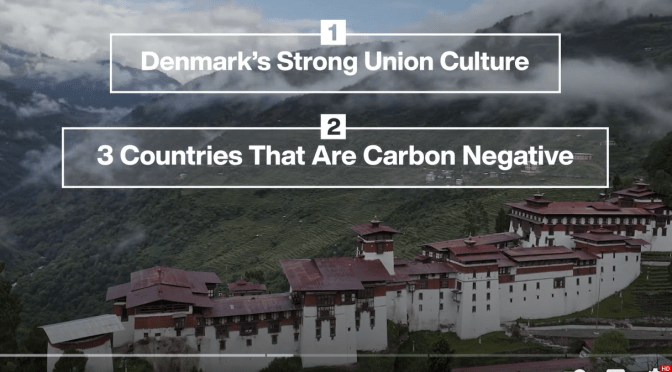
This week we’re highlighting 4 top stories: 3 carbon negative countries, 3D printed homes in Africa, union culture in Denmark and 5 ways that interest rates affect you.
Video timeline: 00:00 – Intro 00:14 – Denmark’s Strong Union Culture 03:29 – 3 Carbon Neutral Countries 04:55 – Africa’s Affordable 3D Printed Homes 06:08 – How Interest Rates Affect You
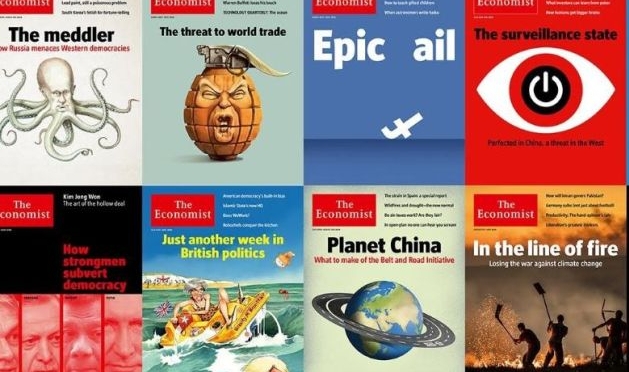
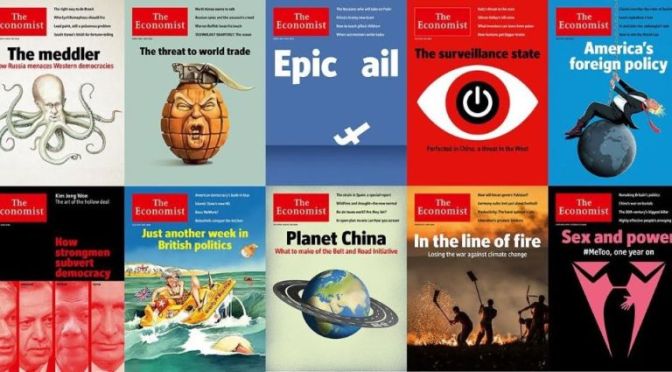
It is usually a bad sign if talks start with one side brandishing a gun. But Russia’s aggression towards Ukraine has given the West an opportunity to enhance European security. Our cover this week https://t.co/bVeGyggqJppic.twitter.com/BRVUMvnaHV
Americans fear that their democracy is under threat. Renewal will not happen for as long as Donald Trump remains the Republican leader. But the party can change. Our cover this week https://t.co/iLROqsBqnrpic.twitter.com/N3NHMHYai3
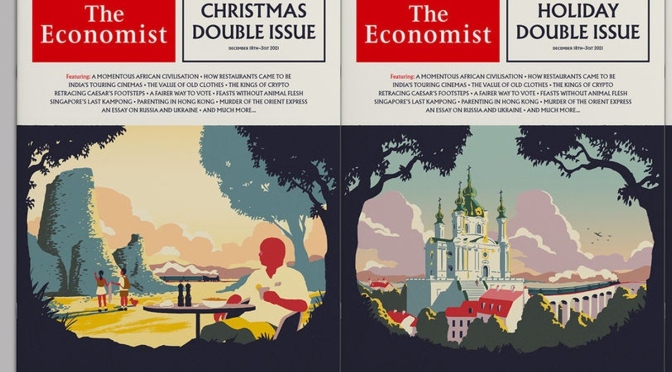
From a great and vanished African civilisation to NASA’s quest to find funnier, kinder astronauts and the mathematical formula that could save democracy—our double issue has plenty to read over Christmas. Clues to 18 special articles are on the cover https://t.co/HFiIRBPF56pic.twitter.com/V9mRUL3Ije
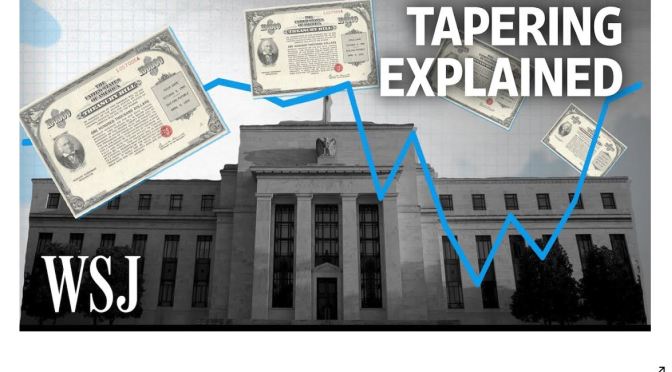
The Federal Reserve says it will accelerate the wind-down of its bond-buying program, the biggest step the central bank has taken in reversing its pandemic-era stimulus. Here’s how tapering works, and why it sends markets on edge. Photo illustration: Adele Morgan/WSJ
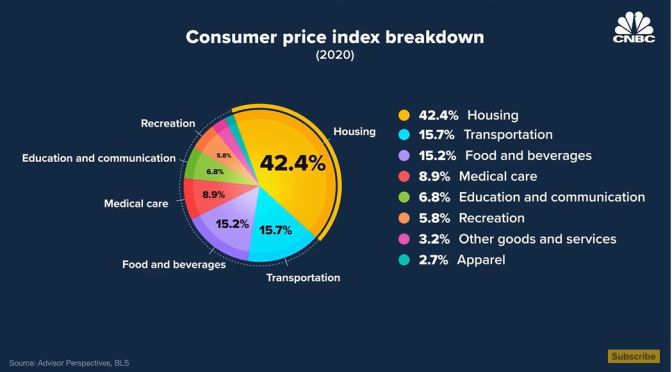
Fresh numbers from the fall of 2021 suggest that rents will increase at a rapid pace in the coming years. That’s a problem for Americans; many spend 30% or more of their income on rent. A decade-long slowdown in house building is coming to a close, which could help renters.
But the new developments in construction are generally for high-end and luxury apartment units. Experts say the market conditions are pushing people further away from their jobs and weighing on the economy writ large. Market indicators suggest that rent hikes are coming in 2022.
Average rents for a one-bedroom apartment in the booming suburbs of Phoenix, Arizona, have more than doubled year over year, according to data from Apartment Guide. Meanwhile, rents in Manhattan have reached fresh records as life returns to the cities, according to Zumper.
The problems aren’t confined to the usual suspects, however. Rents for single-family homes across the country jumped more than 9% on average in August 2021 from the prior year, according to a report from the analytics firm CoreLogic.
Rents are moving fastest in the buzzy enclaves across the South and West. For Maria Arredondo, a teacher based in Austin, Texas, a sudden rent hike of nearly $400 forced her to make a move. “If I had signed the lease … it would be taking a lot of my savings. And so I decided to move to a new building, losing about 150 square feet,” she told CNBC. Mark Zandi of Moody’s Analytics said the strains on the housing construction market were building well before the pandemic took hold in the states.
“There’s a lot of evidence that the lack of housing closer to where the demand is and urban cores is having a meaningful negative consequence on long-term economic growth.“ Generous monetary and fiscal policies have juiced demand for goods and services coming out of the pandemic. All that extra money sloshing around the economy is bubbling up into the rent. The fresh demand is giving investors a reason to jump into the market.
Experts say that’s boosting desperately needed supply. But there’s a catch: The homes being built are priced into the high end of the market. As a result, the evidence suggests that renters will be paying more for shelter this decade.
The venture-capital industry is being supersized. There are risks—but it is also a chance to make the industry bigger and better. Our cover this week https://t.co/r7BPIeqIMfpic.twitter.com/3fRKfksj5s
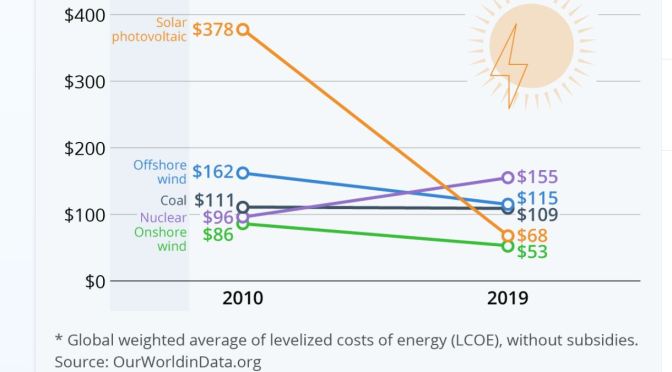
The price of #renewable energy is dropping, but are more countries picking up these sources?
Well, we still have a long way to go, but figures covered by @OurWorldInData reveal that at least when it comes to cost, things are certainly moving in the right direction.#COP26
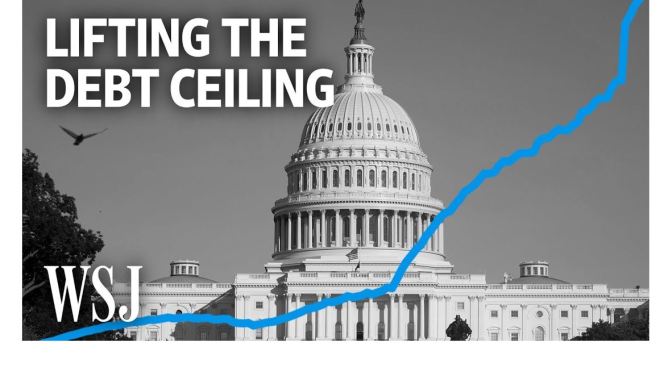
As lawmakers prepare for another hike in the U.S. debt ceiling, WSJ’s Greg Ip explains why it’s economically feasible for the U.S. to keep borrowing, as long as interest rates stay low.
News, Views and Reviews For The Intellectually Curious


 Boomers Daily