

The Hobbit and The Lord of the Rings – If you’ve read the British author J.R.R. Tolkien’s books before, or seen the movies, you’ll be familiar with the fantasy worlds he created. But where did the inspiration for these creations come from? To this day, this question is still widely debated. British author and Tolkien expert John Garth has embarked on a journey to find out.
Category Archives: Books

Culture & Photography: ‘Japan – 1900’ (Taschen)
1868 saw Japan open its doors to the outside world, putting an end to more than 200 years of national seclusion and heralding a new era that brought the country firmly into the modern age.

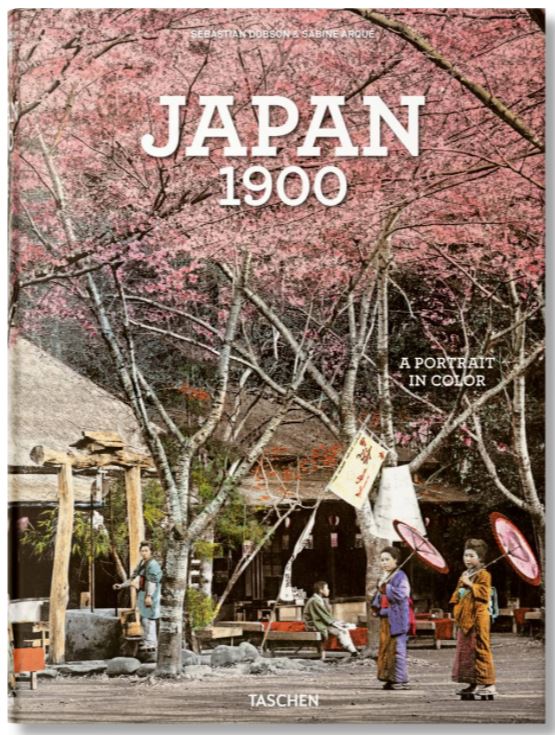


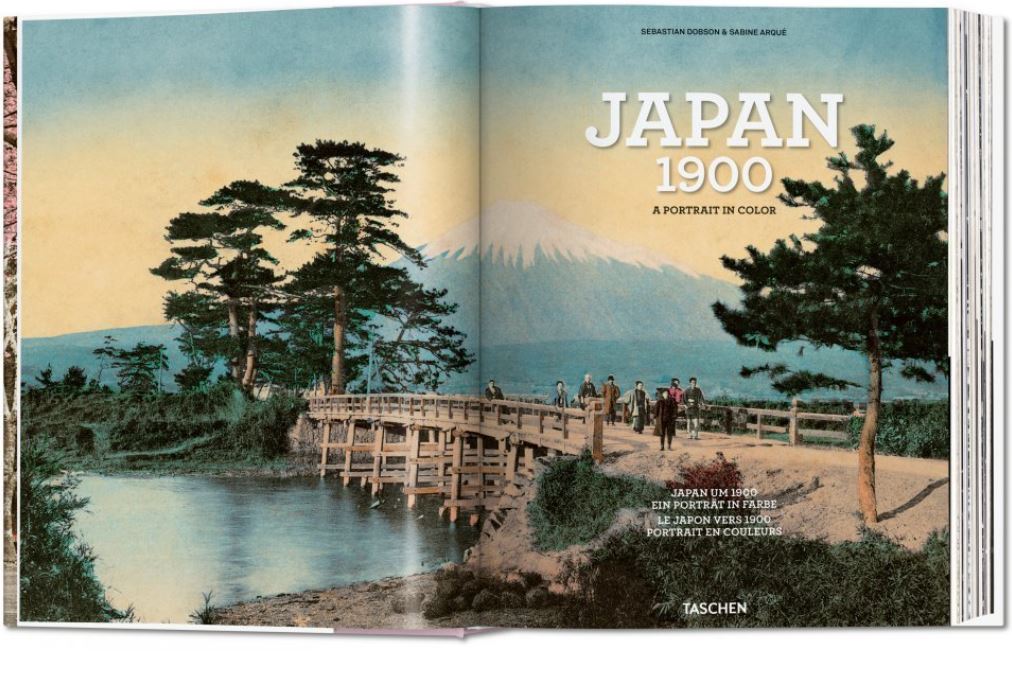
Curating some of the first photographic images of the country, Sabine Arqué and Sebastian Dobson unveil an epic panorama of 1900s Japan, guiding us from Beppu’s hot springs to bustling Osaka, from the historic capitals of Nara and Kyoto to their modern successor, Tokyo.

Preview: ‘The New York Times Book Review – 125 Years Of Literary History’
ABOUT THE NEW YORK TIMES BOOK REVIEW
From the longest-running, most influential book review in America, here is its best, funniest, strangest, and most memorable coverage over the past 125 years.
Since its first issue on October 10, 1896, The New York Times Book Review has brought the world of ideas to the reading public. It is the publication where authors have been made, and where readers first encountered the classics that have enriched their lives.
Now the editors have curated the Book Review’s dynamic 125-year history, which is essentially the story of modern American letters. Brimming with remarkable reportage and photography, this beautiful book collects interesting reviews, never-before-heard anecdotes about famous writers, and spicy letter exchanges. Here are the first takes on novels we now consider masterpieces, including a long-forgotten pan of Anne of Green Gables and a rave of Mrs. Dalloway, along with reviews and essays by Langston Hughes, Eudora Welty, James Baldwin, Nora Ephron, and more.
With scores of stunning vintage photographs, many of them sourced from the Times’s own archive, readers will discover how literary tastes have shifted through the years—and how the Book Review’s coverage has shaped so much of what we read today.
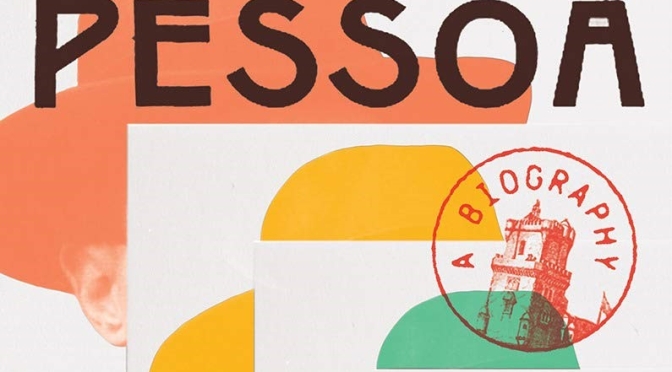
Book Review: ‘Pessoa – A Biography’ (NY Times)

Books: ‘Revolutionary World – Global Upheaval In The Modern Age’ (LSE)
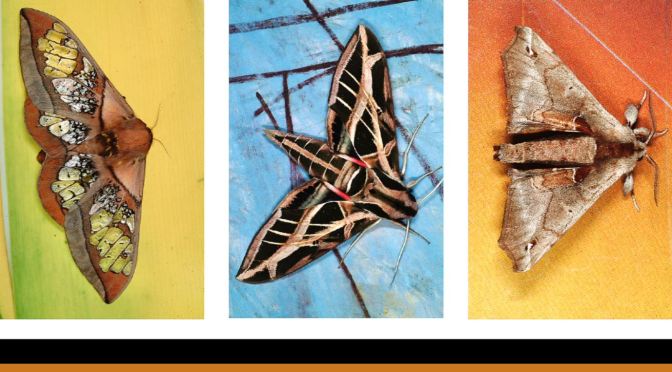
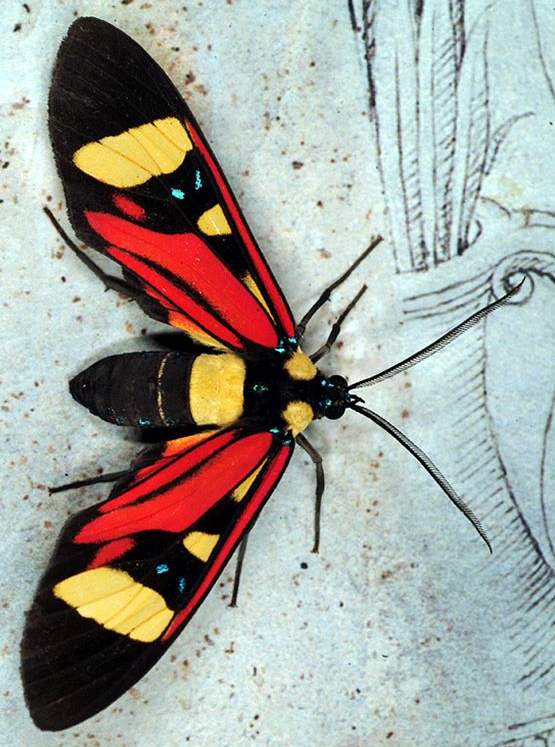
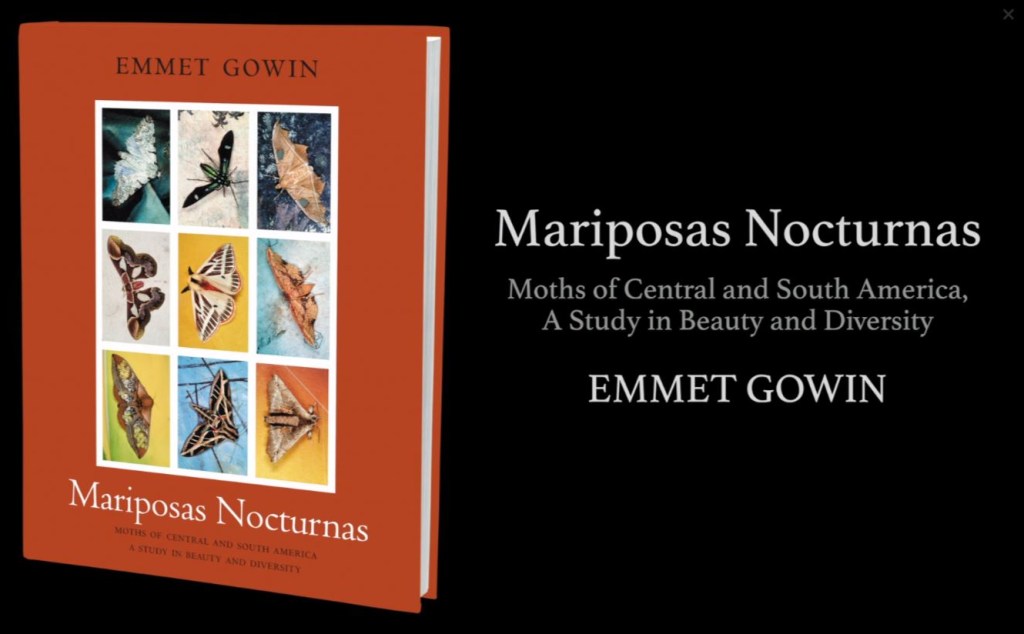
Photography: The World’s Most Stunning Moths


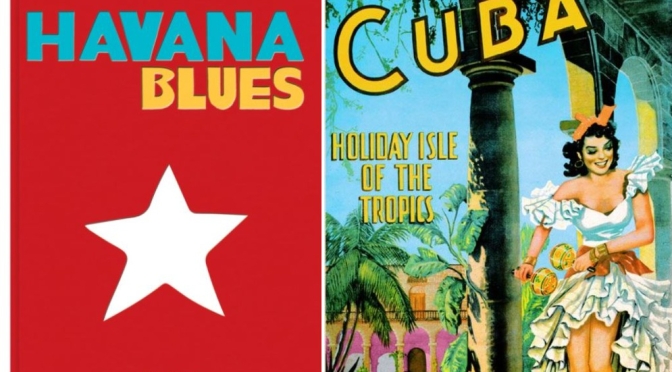
Travel & Culture Books: ‘Havana Blues’ (July 2021)
Crumbling pastel-colored facades line its streets, parked vintage cars evoke times past, live music permeates the air. Welcome to Havana, home to an overwhelming energy. Situated along the Straits of Florida, the capital of Cuba has been through several identities: Spanish colonial settlement, mobster rule in the 1930s, glamour of the 1950s, Cuban revolution and, most recently, a cultural renaissance.


Havana’s bold, provocative approach to art, cuisine and entertainment—as well as the eclectic blend of African, French, Spanish and North American influences—including its range of architecture styles from the sixteenth century to the modern day, confer this epic city with a legendary status on par with the world’s greatest cities. While some of the building are in disrepair, the beauty of the baroque, neoclassical and art deco features triumphs.
The iconic Copa Room cabaret that hosted Ginger Rogers and Abbott and Costello still stands. The Gran Teatro de la Habana, built in the early twentieth century, is now home to the Cuban National Ballet. Habana Vieja is undergoing a massive restoration to its former glory. Havana could be seen as a work-in-progress, but it is more a testament to its never-ending determination to improve and progress, which might be the allure that attracts so many visitors. So take a seat at an authentic paladar (family-run restaurant) and enjoy the vibrant evolution of Havana.
Pamela Ruiz came to Cuba in the 1990s and fell in love, both with the country and her husband, Cuban artist Damian Aquiles. Formerly a location scout for photography shoots, she soon began to turn her attention to art, specifically bridging the international art world and Cuba.

Architecture: ‘Life’s A Beach – Homes, Retreats and Respite by the Sea’
Life’s A Beach takes readers into beach homes around the world – from the hills of New Zealand to beaches of Brazil to the remote islands of the Aegean – exploring the many ways to decorate a cozy home by the sea.

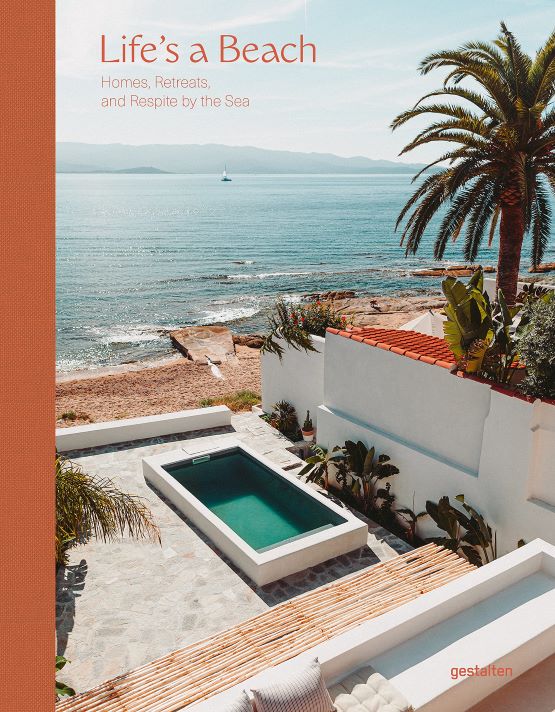


Handmade touches, natural materials and eclectic interiors all imbue a sense of wellbeing, and are found throughout the homes in Life’s a Beach. From humble little beach cottages to extraordinary modern bungalows, these spaces are designed for respite and relaxation, and for enjoying the beachy surrounds.
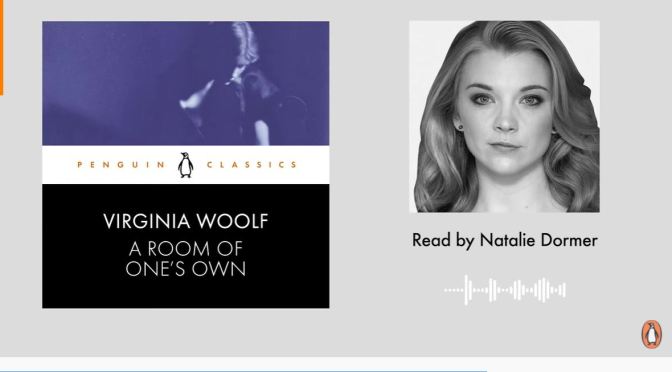
Literary: Virginia Woolf’s ‘A Room Of One’s Own’ Read By Natalie Dormer
Listen to the first chapter of Virginia Woolf’s classic A Room of One’s Own, read by Natalie Dormer.
Download the full audiobook here: https://adbl.co/3grA9PY
A Room of One’s Own, based on a lecture given at Girton College Cambridge, is one of the great feminist polemics. Woolf’s blazing writing on female creativity, the role of the writer, and the silent fate of Shakespeare’s imaginary sister remains a powerful reminder of a woman’s need for financial independence and intellectual freedom. This Penguin Classic is performed by Natalie Dormer, best known for her standout role as Queen Margaery in Game of Thrones, as well as her roles in The Hunger Games and Captain America: The First Avenger.
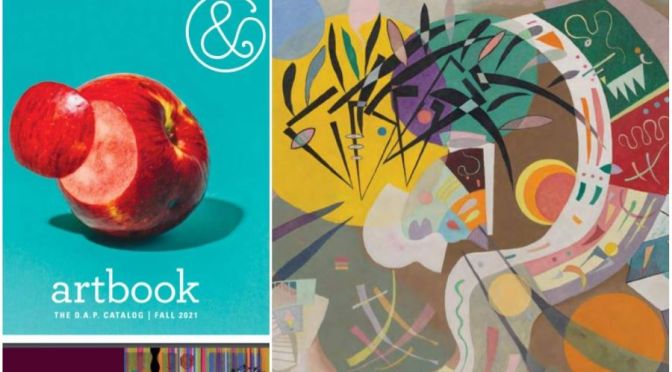
Top New Catalogs: ‘Artbook – Fall 2021’
Page through the forthcoming Fall 2021 catalog, featuring 500 new books on art, photography, design, architecture, film, music and visual culture.


 Boomers Daily