Category Archives: Books

New Books: ‘San Francisco – Portrait Of A City’ (2022)

Starting with an early picture of a gang of badass gold prospectors who put this beautiful Northern California city on the map, this ambitious and immersive photographic history of San Francisco takes a winding tour through the city from the mid–nineteenth century to the present day.

The Streets of San Francisco

An epic pictorial history of the City by the Bay

Enjoy eye-catching views of the city’s most enduring landmarks and symbols: the Golden Gate BridgeChinatown, the picturesque trams that wind up and down the famously steep hills, the popular waterfront, its beautiful bay, and its spectacular cityscapes and vistas. San Francisco’s counterculture movements that shaped our collective consciousness are also featured prominently: the beats of North Beach, the hippies of Haight-Ashbury, the gay communities of Castro, and the Black Panthers of neighboring Oakland. Some of the city’s most famous residents also make appearances: Robin Williams, The Grateful Dead, Angela Davis, Janis Joplin, Sylvester, and Allen Ginsberg, among others.

This book features hundreds of newly found images from dozens of archives including museums, universities, libraries, galleries, private collections, and historical societies, from 19th-century daguerreotypes to mid-century Kodachromes to 21st-century digital pictures. Master photographers include, among others: Stephen Shore, Imogen Cunningham, Fred Lyon, Steve Schapiro, Minor White, Dorothea Lange, Albert Watson, Robert Frank, Garry Winogrand, William Claxton, Fred Herzog, Ansel Adams, Jim Marshall, and many local shooters. Also includes introductory essays and captions by Bay Area–based author Richie Unterberger and a “Best of San Francisco” books, music, and movies section and biographies of the photographers. Tony Bennett famously sang, “I left my heart in San Francisco,” and this meticulously researched and conceived portrait will equally inspire and make you fall in love with the spirit of the City by the Bay.

Read more

Preview: New York Times Book Review – April 24

Read more

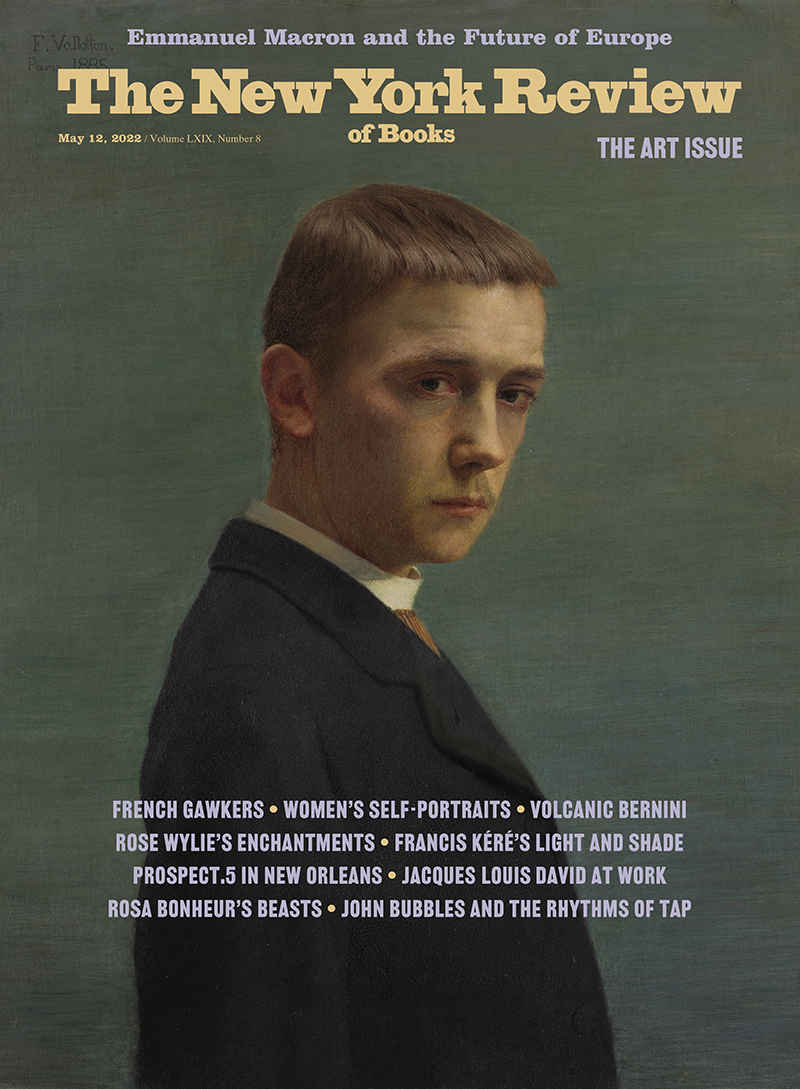
Preview: New York Review Of Books – May 12, 2022


May 12, 2022 issue cover

Painting Herself

From the beginning, female self-portraitists have chosen to show themselves at work, as if to demonstrate that they could handle a brush as well as male artists.

The Mirror and the Palette: Rebellion, Revolution, and Resilience: Five Hundred Years of Women’s Self Portraits

by Jennifer Higgie

The Self-Portrait

by Natalie Rudd


Preview: ‘Great Escapes Alps. The Hotel Book’

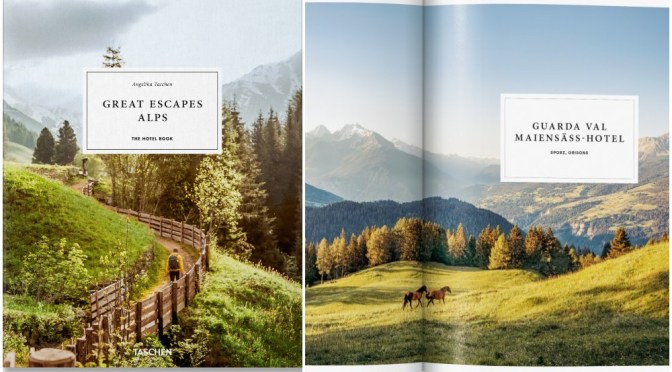
Flowering mountain slopes and traditional meadows. Icy glaciers and majestic summits. With their untouched nature and raw beauty, the Alps have always been a source of fascination. Angelika Taschen presents the best accommodation for Alpinists – historic inns, guesthouses, monasteries, mountain huts, chalets, palazzi, design hotels, even a youth hostel.

A Mountain Tour of the Alps

The Alps are Europe’s biggest and greatest mountain range. Formed millions of years ago, they became a popular destination for travelers in the late eighteenth century – first for adventurers and explorers, then for artists and writers, and finally for everyone who wanted to spend summer in the fresh air of this wonderful scenery or take part in winter sports. Angelika Taschen has followed in their footsteps and collected the finest hotels in the Alpine nations of Germany, Austria, Switzerland, France, and Italy.

They include the Kranzbach near Garmisch-Partenkirchen, built for a British aristocrat, Gasthof Hirschen in the Bregenzerwald, where art-loving visitors have been welcomed since 1755, and the Seehof near Salzburg with its emphasis on contemporary art and fine cuisine. The journey goes to Waldhaus Sils in Sils Maria, where many creative guests have found inspiration, to the Schatzalp in Davos, which Thomas Mann immortalized in literature in “The Magic Mountain”, and to picturesque bed & breakfasts with a personal touch such as Brücke49 in Vals and Maison Bergdorf in Interlaken.

High above Chamonix, mountaineers have stayed overnight for more than 140 years at Refuge du Montenvers with its view of the Mer de Glace, the largest glacier in France. In the exclusive Megève, too, which Baroness Noémie de Rothschild put on the tourist map, travelers experience the Alps à la française in the chalet hotel L’Alpaga; and a bit of Italian dolce vita is provided by stunning addresses in the South Tyrol such as the Ottmangut in Merano, Villa Arnica in Lana with its nostalgic atmosphere, and Pension Briol near Barbiano, constructed in 1928 in the Bauhaus style and extended in 2021 with the addition of two extremely modern buildings.

This opulent book of photographs presents the Alpine range and accommodation in large-format images, short texts, and useful details on prices and how to get there. Walkers, skiers, gourmets, and lovers of good living will find valuable tips and very special accommodation: former monasteries where guests still find peace and seclusion, a mountain hut at the heart of the Dolomites, and a youth hostel occupying what was once a sanatorium, a rare example of modern architecture in Switzerland that was declared a heritage monument in 2002.

Read more

Previews: Times Literary Supplement – April 22, 2022

@TheTLS reviewing Robert Trumball’s From Life to Survival, and discussing those two rude boys of modern thought, Sigmund Freud and Jacques Derrida.

Read more

Previews: Times Literary Supplement – April 15, 2022

Read more

Previews: London Review Of Books – April 21, 2022

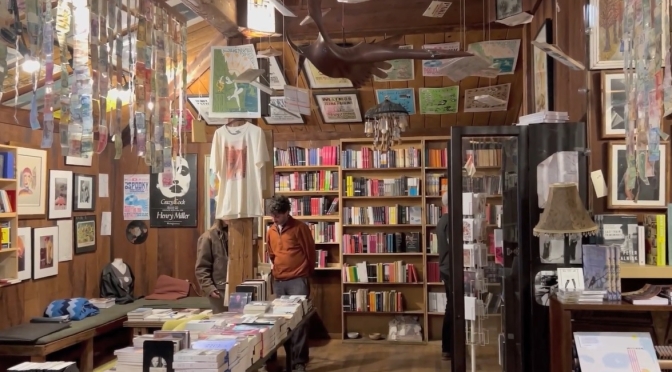
Big Sur Views: The Henry Miller Memorial Library

The Henry Miller Memorial Library is a nonprofit arts center, bookstore, and performance venue in Big Sur, California, documenting the life of the late writer, artist, and Henry Miller. Emil White built the house for Miller in the mid-1960s.

Henry Valentine Miller was an American novelist. He broke with existing literary forms and developed a new type of semi-autobiographical novel that blended character study, social criticism, philosophical reflection, stream of consciousness, explicit language, sex, surrealist free association, and mysticism.

Reviews: Top New Science Book Picks (Nature)

Book cover

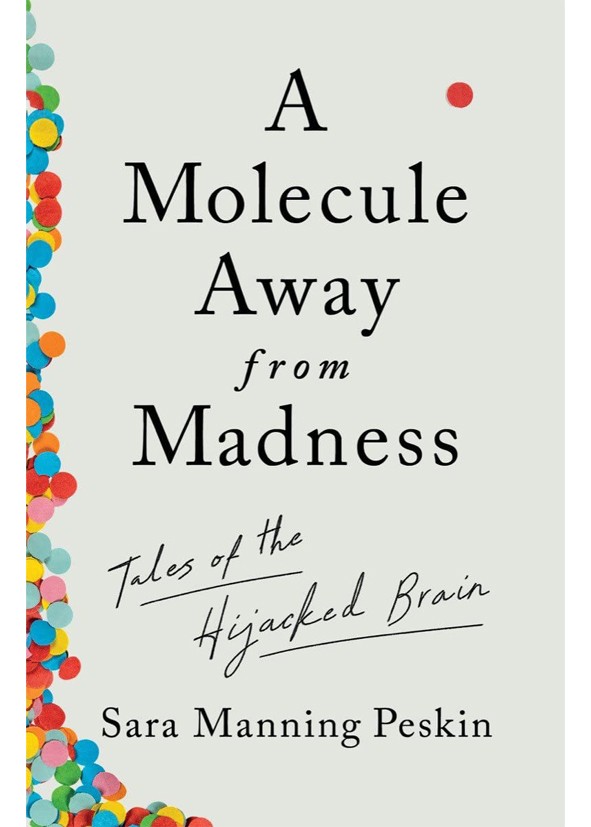
A Molecule Away from Madness

Sara Manning Peskin W. W. Norton (2022)

Even before COVID-19 increased the risks of cognitive impairments, it had been estimated that 152.8 million people globally would be living with dementia by 2050. Yet treatment for Alzheimer’s disease has hardly improved since it was discovered in 1901, notes neurologist and dementia specialist Sara Manning Peskin. Now, most clinical trials tackling dementia are “deeply rooted in molecular data”. Peskin’s powerful study — immersed in her patients’ stories — analyses neurology’s attempt to reach oncology’s molecular understanding.

Book cover

The Insect Crisis

Oliver Milman Atlantic (2022)

Insect decline is obvious — but hard to quantify. Environmental journalist Oliver Milman suggests a drop of more than 90% in some places, in his vivid alarm call. The causes are unclear, but include habitat destruction by intensive farming, pesticide use and climate change. Insects’ “intricate dance” with Earth’s environment makes them crucial to human food supplies. We should learn to eat them, not meat, suggests Milman: that will help to save them by freeing farmland from crops needed to feed livestock.

Book cover

Insulin — The Crooked Timber

Kersten T. Hall Oxford Univ. Press (2022)

Insulin was first used to treat human diabetes 100 years ago, after it was isolated by two medical scientists in 1921. Historian of science Kersten Hall describes this transformative event, together with insulin’s development as the first drug produced by genetic engineering and its lucrative exploitation — using a blend of profound research, lively writing and personal knowledge of diabetes. He argues that the history is a tale not of geniuses or saints, but rather one of “monstrous egos, toxic insecurities and bitter career rivalry”.

Book cover

How to Solve a Crime

Angela Gallop Hodder & Stoughton (2022)

More than a century ago, criminologist Edmond Locard established forensic science on the principle that “every contact leaves a trace”. The field’s current sophistication and contribution to justice would be beyond his “wildest imaginings”, writes forensic scientist Angela Gallop. She tells gripping stories from her own and others’ experience, beginning with thirteenth-century Chinese investigator Sung Tz’u. He identified a farmer’s killer by asking fellow villagers to put their sickles on the ground; flies alighted on one blade bearing traces of blood.

Book cover

The Sloth Lemur’s Song

Alison Richard William Collins (2022)

Anthropologist and conservationist Alison Richard has been absorbed by Madagascar for half a century. She writes that the country’s “animals and plants offer a wonderful array of rabbit holes down which a person fascinated by the natural world could disappear for a lifetime”. Why, for example, does its largest lemur sing spellbindingly across the treetops with its mate for many minutes? And what environmental conditions created the island’s unique — now disastrously threatened —