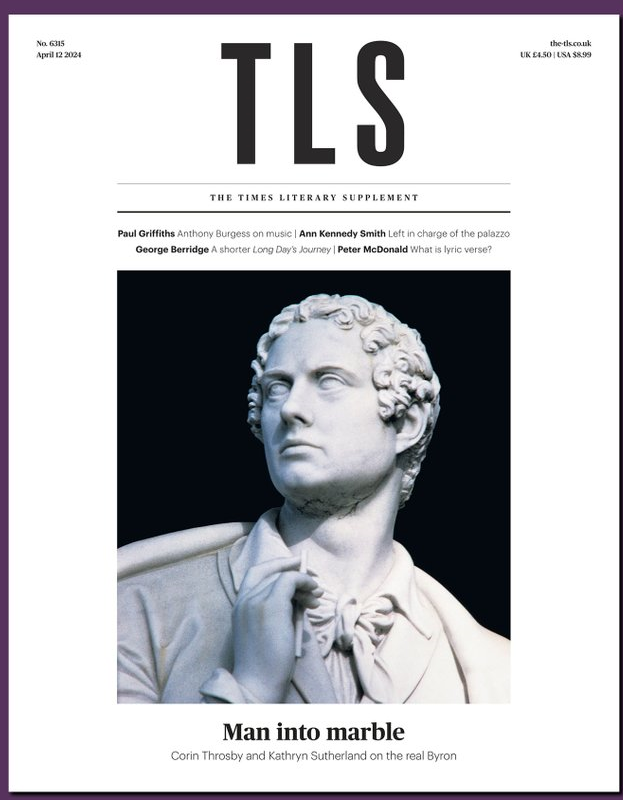
Times Literary Supplement (April 10, 2024): The latest issue features ‘Man Into Marble’ – Corin Throsby and Kathryn Sutherland on the real Byron; Anthony Burgess on music; Left in charge at the palazzo; Revolutionary Russia; A shorter Long Day’s Journey and What is lyric verse?…
This week’s @TheTLS marks the bicentenary of Byron’s death, including two newly published letters. Also: Stephen Lovell on revolutionary Russia; me on Long Day’s Journey into Night; @Tiny_Camels on Jennifer Croft; @akennedysmith on 1950s Venice; @rinireg on eclipses – and more pic.twitter.com/nx02ouQKFO
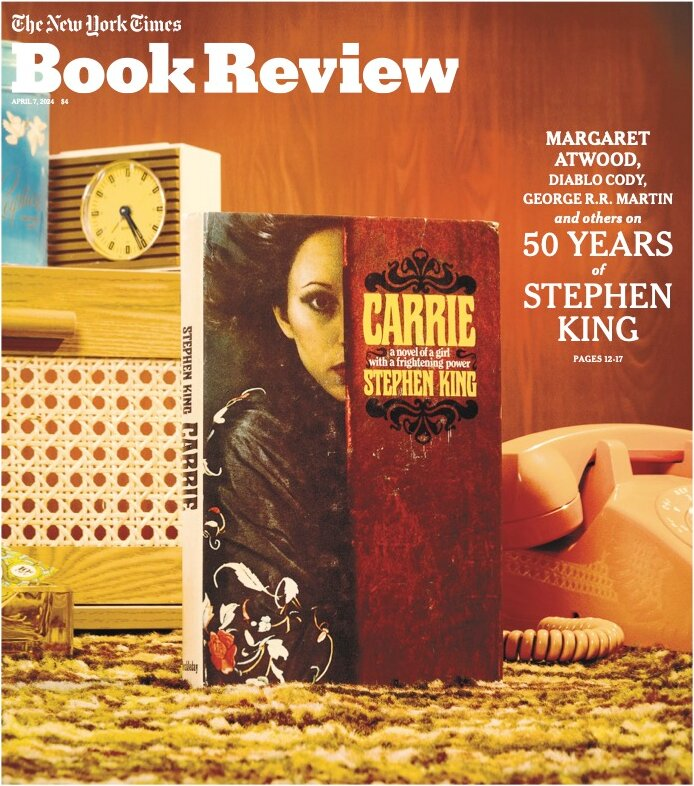
THE NEW YORK TIMES BOOK REVIEW (April 5, 2024): The latest issue features Stephen King’s first novel, “Carrie,” published 50 years ago. The Book Review editors weren’t sure what to do with it, so they handed it to their mystery columnist, Newgate Callendar. He called it “brilliant” but conceded, “Maybe, strictly speaking, it is not a mystery.” Still, he added, “That this is a first novel is amazing. King writes with the kind of surety normally associated only with veteran writers.”
“Carrie” was published in 1974. Margaret Atwood explains its enduring appeal.
By Margaret Atwood
Stephen King’s “Carrie” burst upon an astonished world in 1974. It made King’s career. It has sold millions, made millions, inspired four films and passed from generation to generation. It was, and continues to be, a phenomenon.
“Carrie” was King’s first published novel. He started it as a men’s magazine piece, which was peculiar in itself: What made him think that a bunch of guys intent (as King puts it) on looking at pictures of cheerleaders who had somehow forgotten to put their underpants on would be riveted by an opening scene featuring gobs of menstrual blood? This is, to put it mildly, not the world’s sexiest topic, and especially not for young men. Failing to convince himself, King scrunched up the few pages he’d written and tossed them into the garbage.
As “Carrie” turns 50, George R.R. Martin, Sissy Spacek, Tom Hanks, the Archbishop of Canterbury and others recall the powerful impact the writer’s work has had on their lives.
Tom Hanks
Actor, “The Green Mile”
In the late ’70s the image of Carrie covered in blood at the high school dance was already part of the national narrative — in a fun way. Struggling to afford the rent and the diapers while navigating those first years of a creative journey in the big city, I had not seen the movie nor read the book. Then a copy of “The Stand” was being gobbled up by our gang — read in a fever pitch on every subway ride and first thing in the morning. Once done, the copy was passed along to the next pair of eyes and promptly devoured.
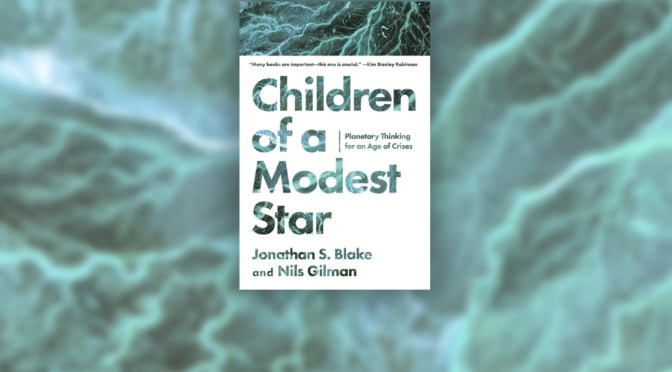
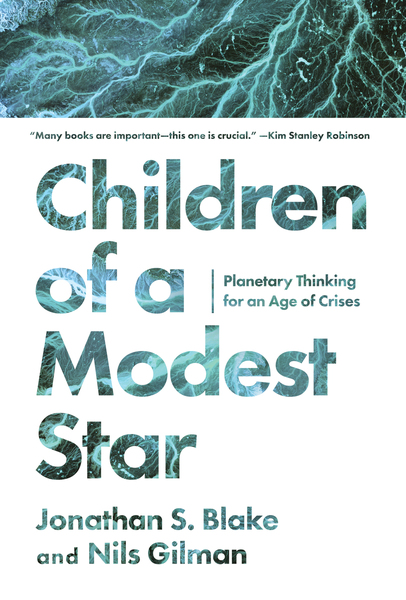
Stanford University Press (April 5, 2024): Jonathan S. Blake and Nils Gilman introduce their new book Children of a Modest Star: Planetary Thinking for an Age of Crises.
A clear-eyed and urgent vision for a new system of political governance to manage planetary issues and their local consequences.
Deadly viruses, climate-changing carbon molecules, and harmful pollutants cross the globe unimpeded by national borders. While the consequences of these flows range across scales, from the planetary to the local, the authority and resources to manage them are concentrated mainly at one level: the nation-state. This profound mismatch between the scale of planetary challenges and the institutions tasked with governing them is leading to cascading systemic failures.
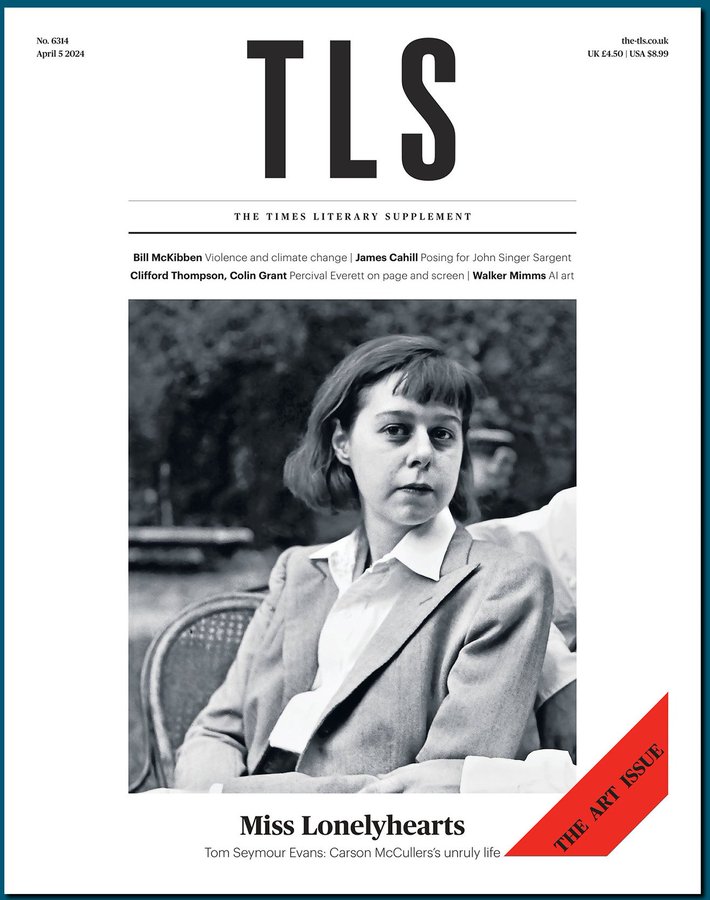
Times Literary Supplement (April 3, 2024): The ‘The Art Issue’ features ‘Miss Lonelyhearts’ – Tom Seymour Evans: Carson McCullers’s unruly life; Violence and Climate Change; Posing for John Singer Sargent and Huckleberry Jim – Mark Twain’s escaped slave wrests control of his story…
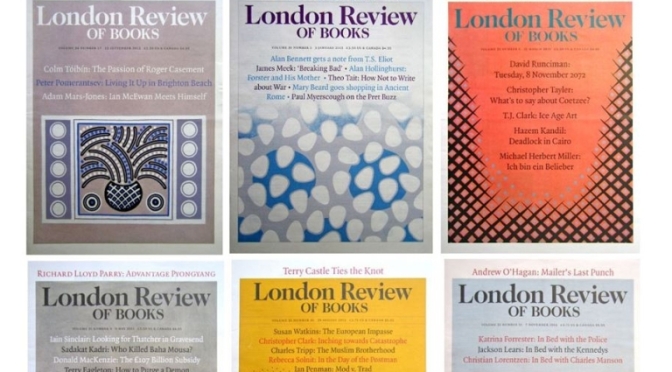
London Review of Books (LRB) – March 27, 2024: The latest issue features Brandon Taylor – Two Years With Zola,,,
Mary Wellesley – Mother Tongue: The Surprising History of Women’s Words by Jenni Nuttall
Moshé Machover, James McAuley, Avital Balwit, Brian Vickers, Pat Butcher, Joe Oldaker, Arthur M. Shapiro, Penny Collier, John Potts
Mike Jay – Mapping the Darkness: The Visionary Scientists Who Unlocked the Mysteries of Sleep by Kenneth Miller
T.J. Clark – Poem: ‘Clapham in March’
Michael Ledger-Lomas: Andrew Lang: Writer, Folklorist, Democratic Intellect by John SloanTroubled by Faith: Insanity and the Supernatural in the Age of the Asylum by Owen Davies
Michael Hofmann – The Islander: A Biography of Halldór Laxness by Halldór Guðmundsson, translated by Philip Roughton
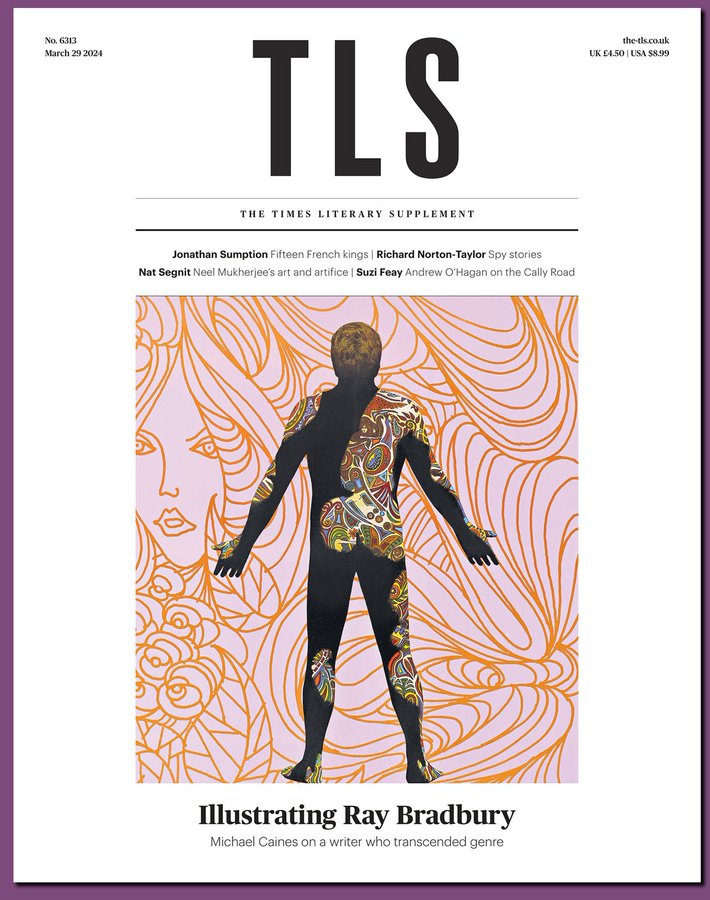
Times Literary Supplement (March 27, 2024): The latest issue features ‘Illustrating Ray Bradbury’ – Michael Caines on a writer who transcended genre; Fifteen French Kings; Spy stories; Neel Mukherjee’s art and artifice; Space colonization and Andrew O’Hagan on the Cally Road….
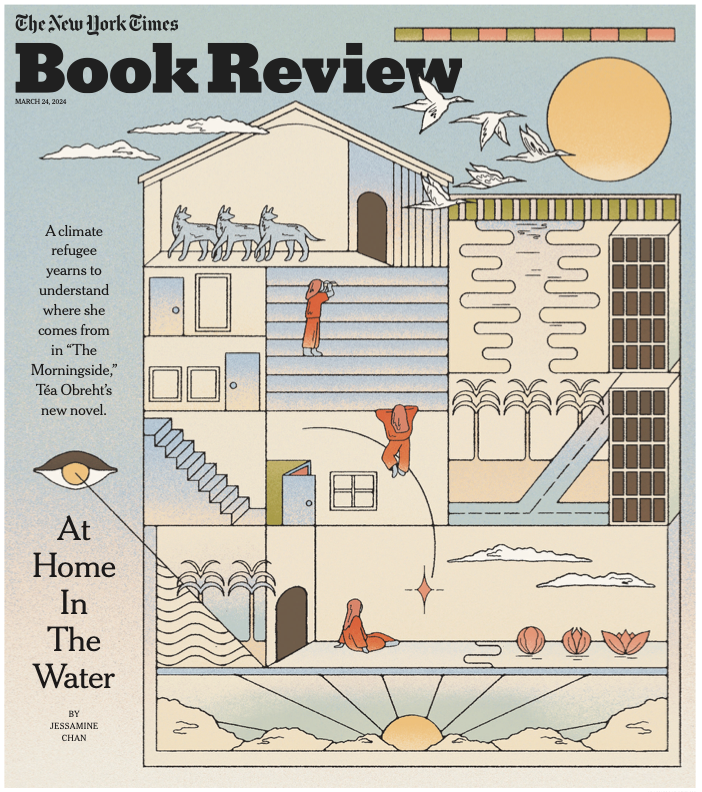
“The Morningside” reckons with climate change and its fallout while finding hope in the stories we preserve.
By Jessamine Chan
THE MORNINGSIDE, by Téa Obreht
The elegant, effortless world-building in Téa Obreht’s haunting new novel, “The Morningside,” begins with a map. Island City resembles Manhattan, but alarmingly smaller, the borders of the city redrawn by the rising water. There’s the River to the east, the Bay to the west. Here, hurricanes and tides have made building collapse a constant danger, the freeway is visible only on low-tide days, food is government rations, the wealthy have fled “upriver to scattered little freshwater townships,” and gigantic birds called rook cranes are everywhere.
CHASING BEAUTY: The Life of Isabella Stewart Gardner, by Natalie Dykstra
Bright, impetuous and obsessed with beautiful things, Isabella Stewart Gardner led a life out of a Gilded Age novel. Born into a wealthy New York family, she married into an even wealthier Boston one when she wed John Lowell Gardner in 1860, only to be ostracized by her adopted city’s more conservative denizens, who found her self-assurance and penchant for “jollification” a bit much.
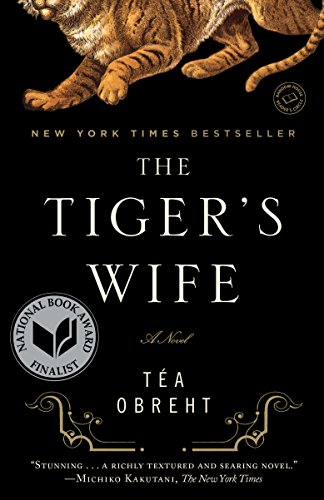
Téa Obreht’s stunning debut novel, “The Tiger’s Wife,” is a hugely ambitious, audaciously written work that provides an indelible picture of life in an unnamed Balkan country still reeling from the fallout of civil war. At the same time it explores the very essence of storytelling and the role it plays in people’s lives, especially when they are “confounded by the extremes” of war and social upheaval and need to somehow “stitch together unconnected events in order to understand” what is happening around them.
Verbose robots, and why some people love Bach: Books in Brief
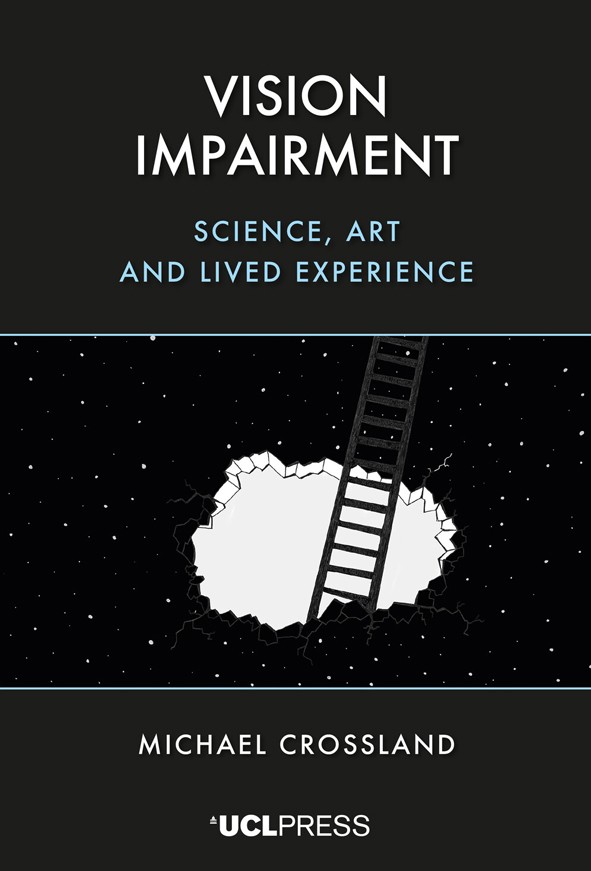
Vision Impairment
Michael Crossland UCL Press (2024)
On a typical day in his clinic, London-based optometrist Michael Crossland assesses both young children and centenarians with low vision. Severe vision impairment affects 350 million people around the world, many of whom in poorer countries lack access to any eye care. His fascinating, sometimes moving, account — mixing ophthalmology with the stories of his patients and many others — reveals that life with vision impairment can be “just as rich and rewarding as life with 20/20 vision”.
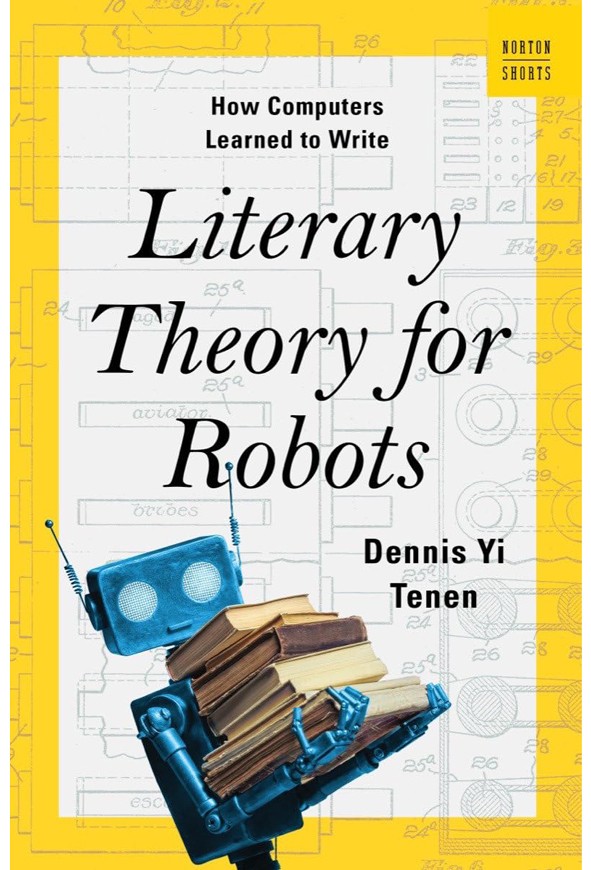
Literary Theory for Robots
Dennis Yi Tenen W. W. Norton (2024)
Artificial intelligence (AI) is rooted in the humanities, argues Dennis Yi Tenen, a comparative-literature professor and former Microsoft engineer. Chatbots are trained using electronic versions of tools such as “dictionaries, style guides, schemas, story plotters [and] thesauruses” that were historically part of the collective activity of writing. Indeed, a statistical model called the Markov chain, crucial to AI, arose from an analysis of vowel distribution in poems by Alexander Pushkin. Tenen’s cogitation is a witty, if challenging, read.
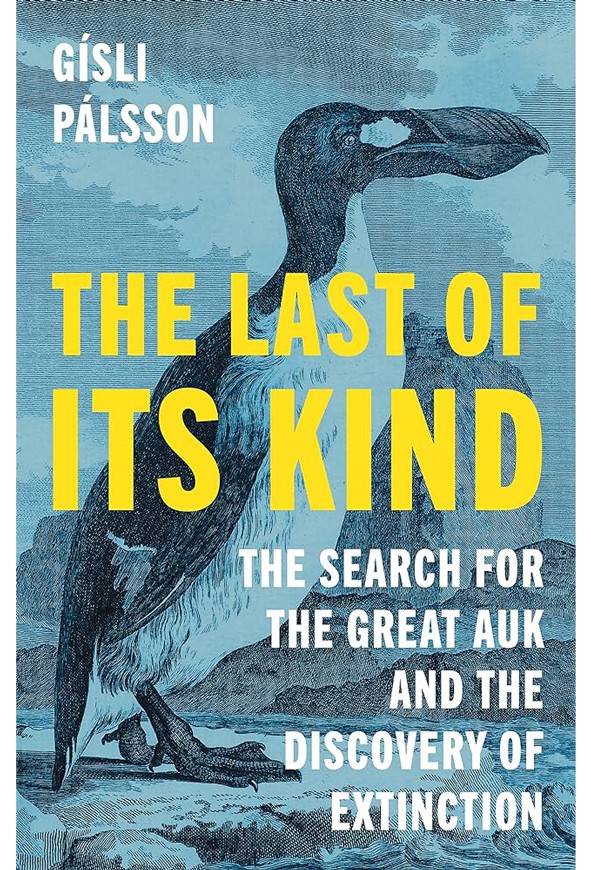
The Last of Its Kind
Gísli Pálsson Princeton Univ. Press (2024)
Living species could never become extinct, thought naturalist Carl Linnaeus. Charles Darwin disagreed, saying extinction was a natural process. Then ornithologists John Wolley and Alfred Newton began studying great auks, flightless birds living on remote islands in the North Atlantic Ocean. They visited Iceland in 1858 to see great auks, but instead met locals who described killing off the birds — revealing how humans could extinguish a species. Anthropologist Gísli Pálsson tells the engaging story of this “key intellectual leap”.
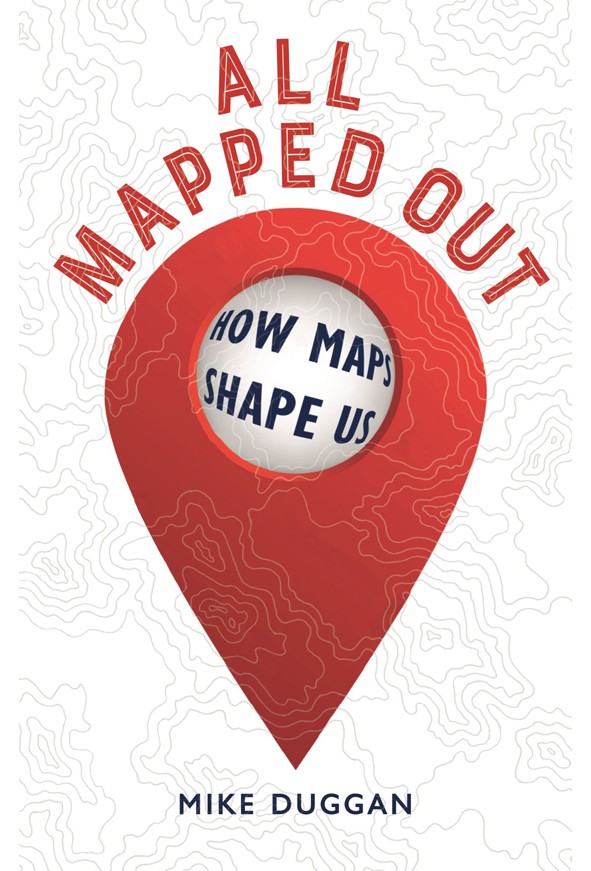
All Mapped Out
Mike Duggan Reaktion (2024)
Cultural geographer Mike Duggan works in partnership with the UK national mapping agency, Ordnance Survey, to study everyday digital-mapping practices. Important as it is, digital mapping is not superseding analogue maps, he observes in his global history of cartography, which begins with Palaeolithic carvings. Sales of Ordnance Survey paper maps are rising, perhaps because of their convenience. “Although digital maps are improving constantly in accuracy and design, they do not always live up to those promises.”
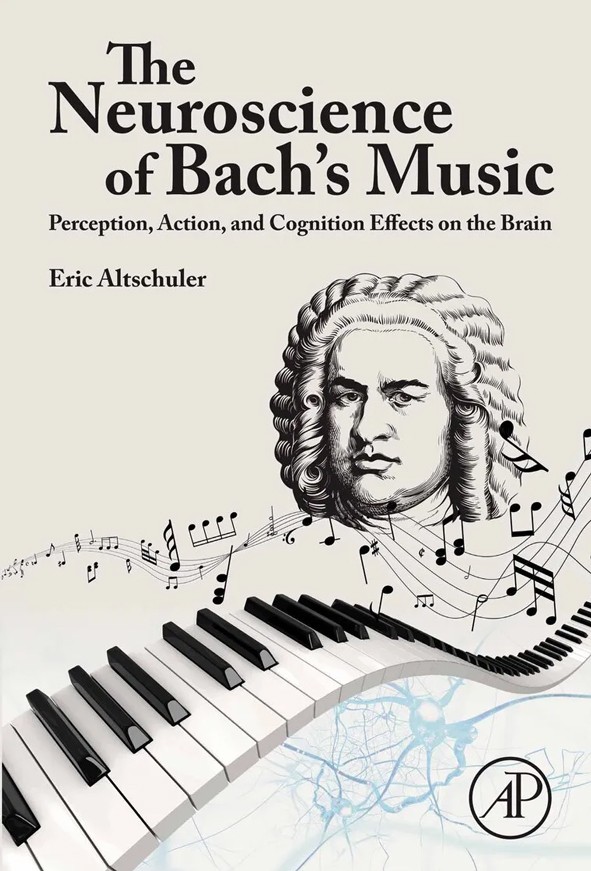
The Neuroscience of Bach’s Music
Eric Altschuler Academic (2024)
Physician and neuroscientist Eric Altschuler regards J. S. Bach as the greatest composer ever, as do many others. Altschuler’s pioneering study — illustrated with numerous musical examples — aims to show how Bach-centred neuroscience “can help us better appreciate perceptual and cognitive affects in Bach” and create better performances of the composer’s work. It also teaches us how music perception is not localized to one region of the brain but occurs throughout it, and varies from person to person.
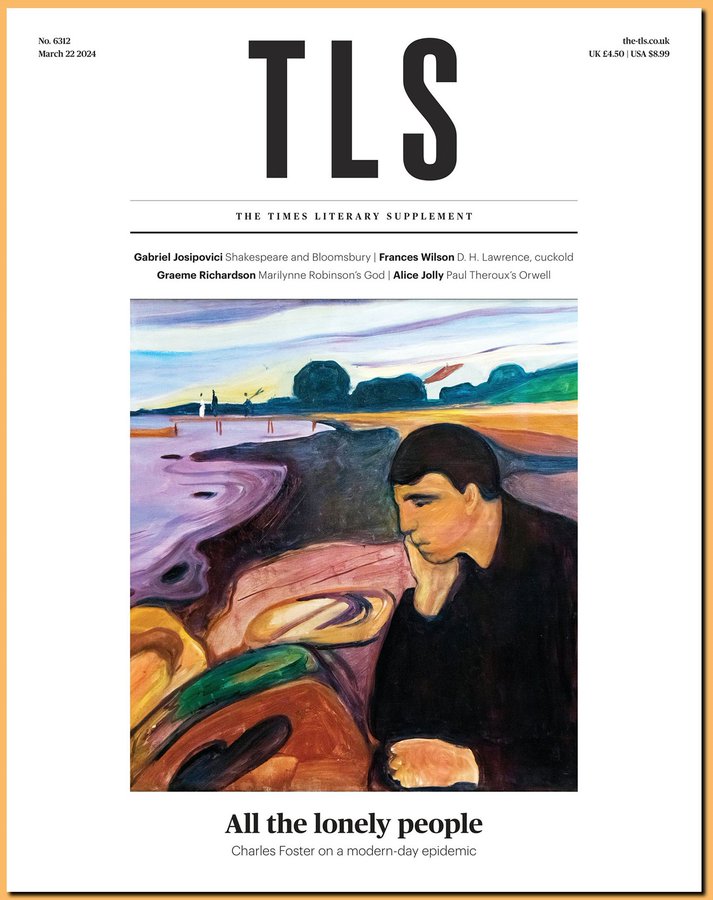
Times Literary Supplement (March 22, 2024): The latest issue features ‘All the Lonely People’ – Charles Foster on a modern-day epidemic; Shakespeare and Bloomsbury; D.H. Lawrence, cuckhold; Marilynne Robinson’s god; Paul Theroux’s Orwell…
This week’s @TheTLS, featuring @tweedpipe on loneliness; Andrew Holter on Helen Keller; Gabriel Josipovici on Shakespeare, Bloombsbury and Beckett; @rwilliamsparis on Annie Ernaux and photography; @JollyAlice on Paul Theroux; Simone Gubler on fatphobia – and much more pic.twitter.com/nlzNR1MW0B
















 Boomers Daily