

Category Archives: Beverages
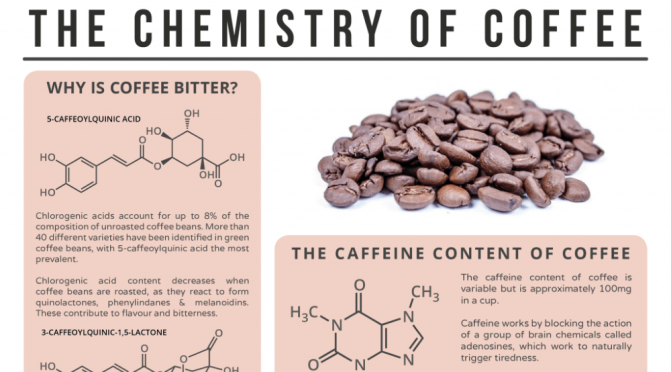
Beverage Science: Inside The Chemistry Of Coffee

Produced by the PBS Digital Studio / American Chemical Society
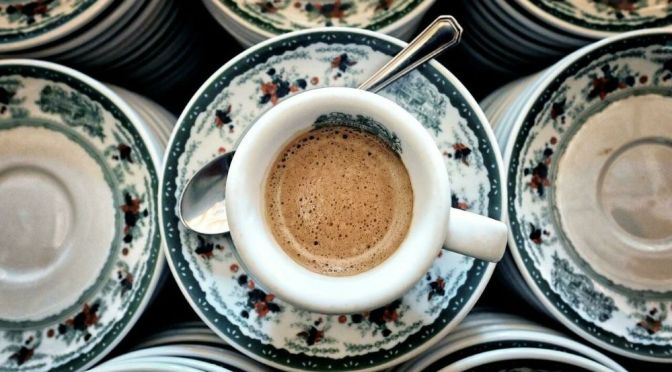
Coffee Culture: Italy’s ‘Magical’ Espresso Ritual
A shot of dark, velvety coffee is more than just a quick caffeine hit: #Italy‘s #espresso is a prized social and cultural ritual the country considers a national heritage worthy of #UNESCO status.
Espresso is a coffee-brewing method of Italian origin, in which a small amount of nearly boiling water is forced under 9–10 bars of pressure through finely-ground coffee beans. Espresso coffee can be made with a wide variety of coffee beans and roast degrees.
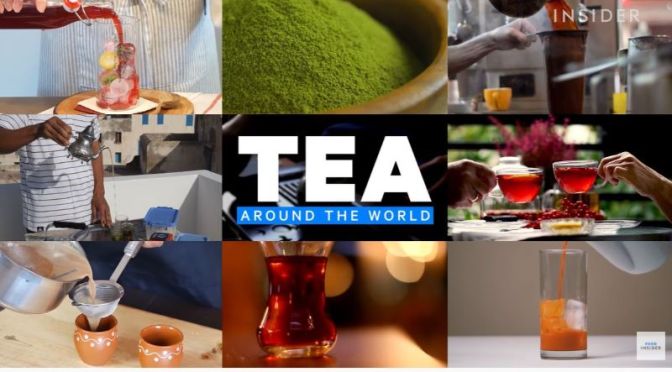
Food & Beverage: ‘How Tea Is Enjoyed Around World’
Tea is deeply rooted in many cultures. It tends to be more than just a beverage in countries around the world, but a moment of togetherness and connection. From the very first cup of tea, dating back to ancient China in 2732 BC, tea and tea culture have impacted the very way countries socialize. There are many rituals and traditions for tea as well as many different types. From Taiwan’s bubble tea to Argentina’s yerba mate, we look at TK ways teas are enjoyed around the world.
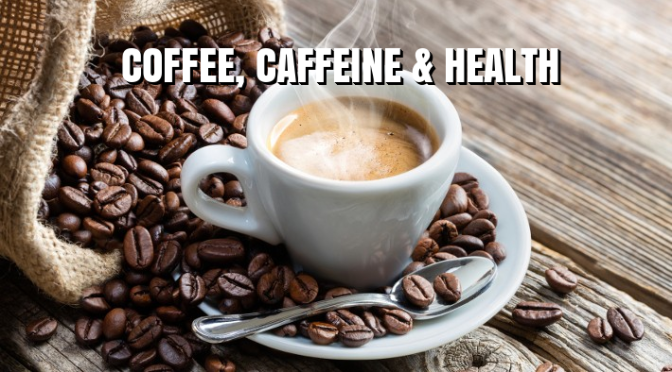
Health: New Studies Find “Coffee & Caffeine” Lower Heart Disease, Cancer Risk
NEW ENGLAND JOURNAL OF MEDICINE (JULY 23, 2020): A large body of evidence suggests that consumption of caffeinated coffee, the main source of caffeine intake in adults in the United States, does not increase the risk of cardiovascular diseases and cancers. In fact, consumption of 3 to 5 standard cups of coffee daily has been consistently associated with a reduced risk of several chronic diseases.
 Coffee and tea have been consumed for hundreds of years and have become an important part of cultural traditions and social life.5 In addition, people use coffee beverages to increase wakefulness and work productivity. The caffeine content of commonly used sources of caffeine is shown in Table 1. For a typical serving, the caffeine content is highest in coffee, energy drinks, and caffeine tablets; intermediate in tea; and lowest in soft drinks. In the United States, 85% of adults consume caffeine daily,6 and average caffeine intake is 135 mg per day, which is equivalent to about 1.5 standard cups of coffee (with a standard cup defined as 8 fluid oz [235 ml]).7 Coffee is the predominant source of caffeine ingested by adults, whereas soft drinks and tea are more important sources of caffeine ingested by adolescents,
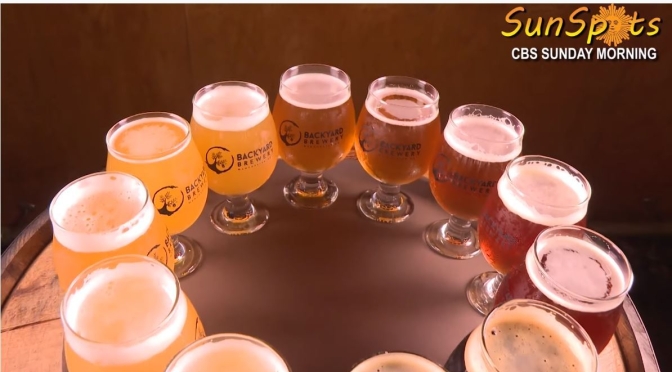
Alcoholic Beverages: “The Explosion Of Craft Beers”
Domestic sales of craft beers have grown to more than $27 billion annually, representing about a quarter of the American beer market. “Sunday Morning” producer Sara Kugel talked with Marcus Doucet, who opened Manchester, N.H.’s Backyard Brewery, one of more than 7,000 craft breweries in the U.S.
 Boomers Daily