
From a Penguin Random House release:
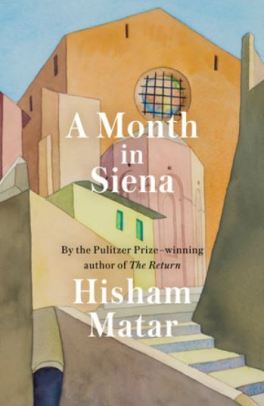 Including beautiful full-color reproductions of the artworks, A Month in Siena is about what occurred between Matar, those paintings, and the city. That month would be an extraordinary period in the writer’s life: an exploration of how art can console and disturb in equal measure, as well as an intimate encounter with a city and its inhabitants. This is a gorgeous meditation on how centuries-old art can illuminate our own inner landscape—current relationships, long-lasting love, grief, intimacy, and solitude—and shed further light on the present world around us.
From the Pulitzer Prize–winning author of The Return comes a profoundly moving contemplation of the relationship between art and life.
Listen to an excerpt below:
After finishing his powerful memoir The Return, Hisham Matar, seeking solace and pleasure, traveled to Siena, Italy. Always finding comfort and clarity in great art, Matar immersed himself in eight significant works from the Sienese School of painting, which flourished from the thirteenth to the fifteenth centuries. Artists he had admired throughout his life, including Duccio and Ambrogio Lorenzetti, evoke earlier engagements he’d had with works by Caravaggio and Poussin, and the personal experiences that surrounded those moments.
To read more: https://www.penguinrandomhouse.com/books/609913/a-month-in-siena-by-hisham-matar/

 In this gorgeously illustrated collection of airline route maps, Mark Ovenden and Maxwell Roberts look to the skies and transport readers to another time. Hundreds of images span a century of passenger flight, from the rudimentary trajectory of routes to the most intricately detailed birds-eye views of the land to be flown over. Advertisements for the first scheduled commercial passenger flights featured only a few destinations, with stunning views of the countryside and graphics of biplanes. As aviation took off, speed and mileage were trumpeted on bold posters featuring busy routes. Major airlines produced highly stylized illustrations of their global presence, establishing now-classic brands. With trendy and forward-looking designs, cartographers celebrated the coming together of different cultures and made the earth look ever smaller.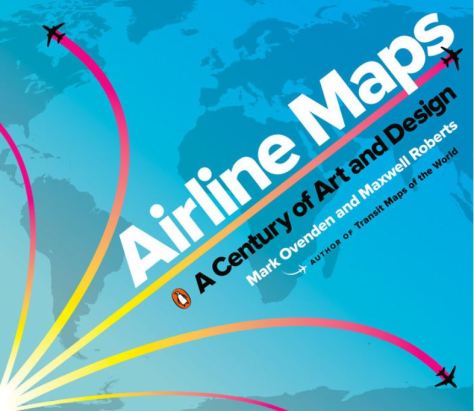

 In a statement on the artist’s website, the Maelstrom series is described as “a cursory glimpse of the exchange, cycle and balance of power fundamental to the functioning of our planet and its oceans… Maelstrom encourages the viewer to reflect upon our own naivety and place as a species within the greater natural balance of power.”
 “I suppose I started off with a fairly literal view of the world,” he says. “But, quite early on, it became clear to me that there was much more going on than simply the picture I was seeing; that the natural world had an agenda of its own; that it was going to live out life, regardless of how we viewed it and how we used it; and, indeed, regardless of the fancy metaphors that we used.”
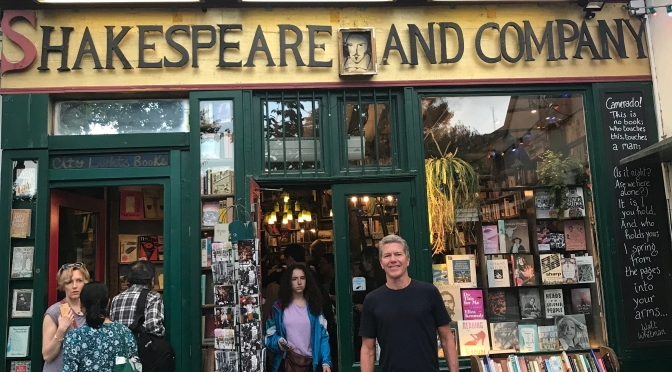
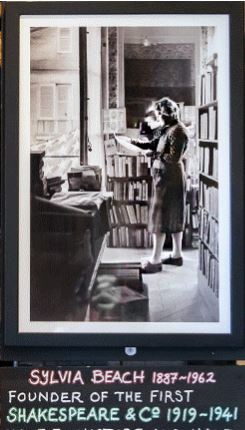 One hundred years ago this month, you opened the shutters of a small bookshop on rue Dupuytren. Its name was Shakespeare and Company. I often wonder if, on that first morning, you could ever have imagined how important your story would be.

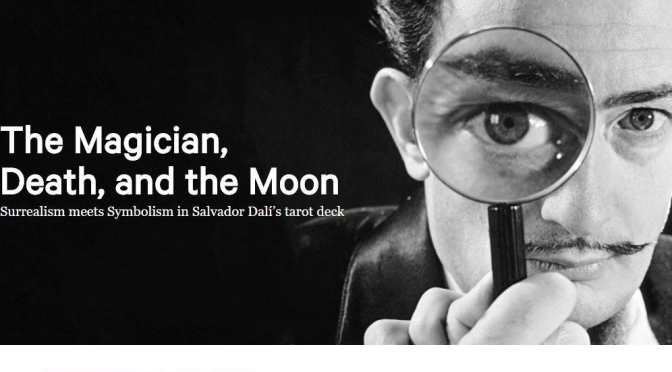
 Dalí poses as the Magician, his wife Gala becomes the Empress, and the death of Julius Caesar is reinterpreted as the Ten of Swords in the artist’s extraordinary custom tarot deck. First published in a 1984 limited edition that has since long sold out, this lush box set brings back all 78 cards, each dazzling in color, along with a companion book on the making-of and practical instructions.
 We conclude that Pollock avoided the appearance of the hydrodynamic instabilities, contrary to what was argued by previous studies. Pollock selected the physical properties of the paint to prevent filament fragmentation before deposition, and applied it while moving his hand sufficiently fast and at certain heights to avoid fluid filaments from coiling into themselves. An understanding of the physical conditions at which these patterns were created is important to further art research and it can be used as a tool in the authentication of paintings.
 Considered one of the most prominent American painters of the 20th century, the life and work of Jackson Pollock have been the subject of books, movies, and documentaries [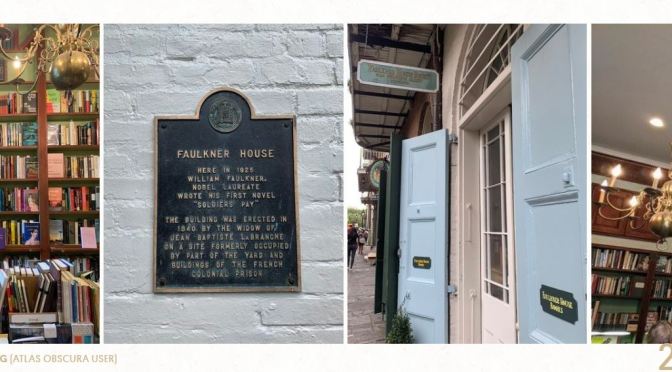
 Inside, the small store has a good selection of literary fiction ranging from classics to current publications. There is also a great selection of books about New Orleans and local culture. There is, of course, a dedicated area, almost shrine-like, for Faulkner’s works, and the shop owner will let you take a look at those more expensive books, “if you want to get in trouble with your wallet.”
 Boomers Daily