
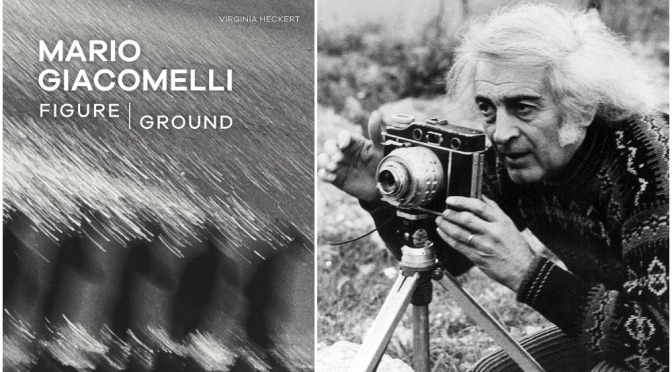
In this virtual art opening and gallery walk-through, Getty curator Virginia Heckert guides you through two exhibitions of photography: Mario Giacomelli: Figure/Ground and The Expanded Landscape. The galleries reveal Giacomelli’s stunning, high-contrast black and white images made in and around the photographer’s hometown of Senigallia on the Adriatic coast of Italy in the late 20th century. Also presented are works in The Expanded Landscape, which focuses on contemporary photographers whose innovative approaches and insightful observations expand concepts of “landscape.” Learn more about the exhibition: https://www.getty.edu/art/exhibitions…
Category Archives: Arts & Literature
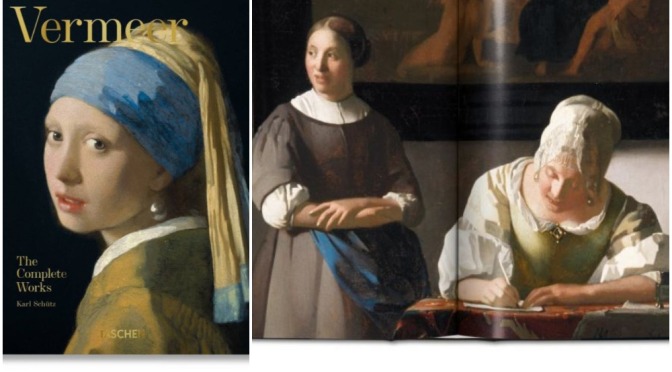
New Art Books: ‘Vermeer – The Complete Works’
In his lifetime, however, the fame of Johannes Vermeer (1632–1675) barely extended beyond his native Delft and a small circle of patrons. After his death, his name was largely forgotten, except by a few Dutch art collectors and dealers.
Despite numbering at just 35, his works have prompted a New York Times best seller; a film starring Scarlett Johansson and Colin Firth; record visitor numbers at art institutions from Amsterdam to Washington, DC; and special crowd-control measures at the Mauritshuis, The Hague, where thousands flock to catch a glimpse of the enigmatic and enchanting Girl with a Pearl Earring, also known as the “Dutch Mona Lisa”.
Outside of Holland, his works were even misattributed to other artists. It was not until the mid-19th century that Vermeer came to the attention of the international art world, which suddenly looked upon his narrative minutiae, meticulous textural detail, and majestic planes of light, spotted a genius, and never looked back.
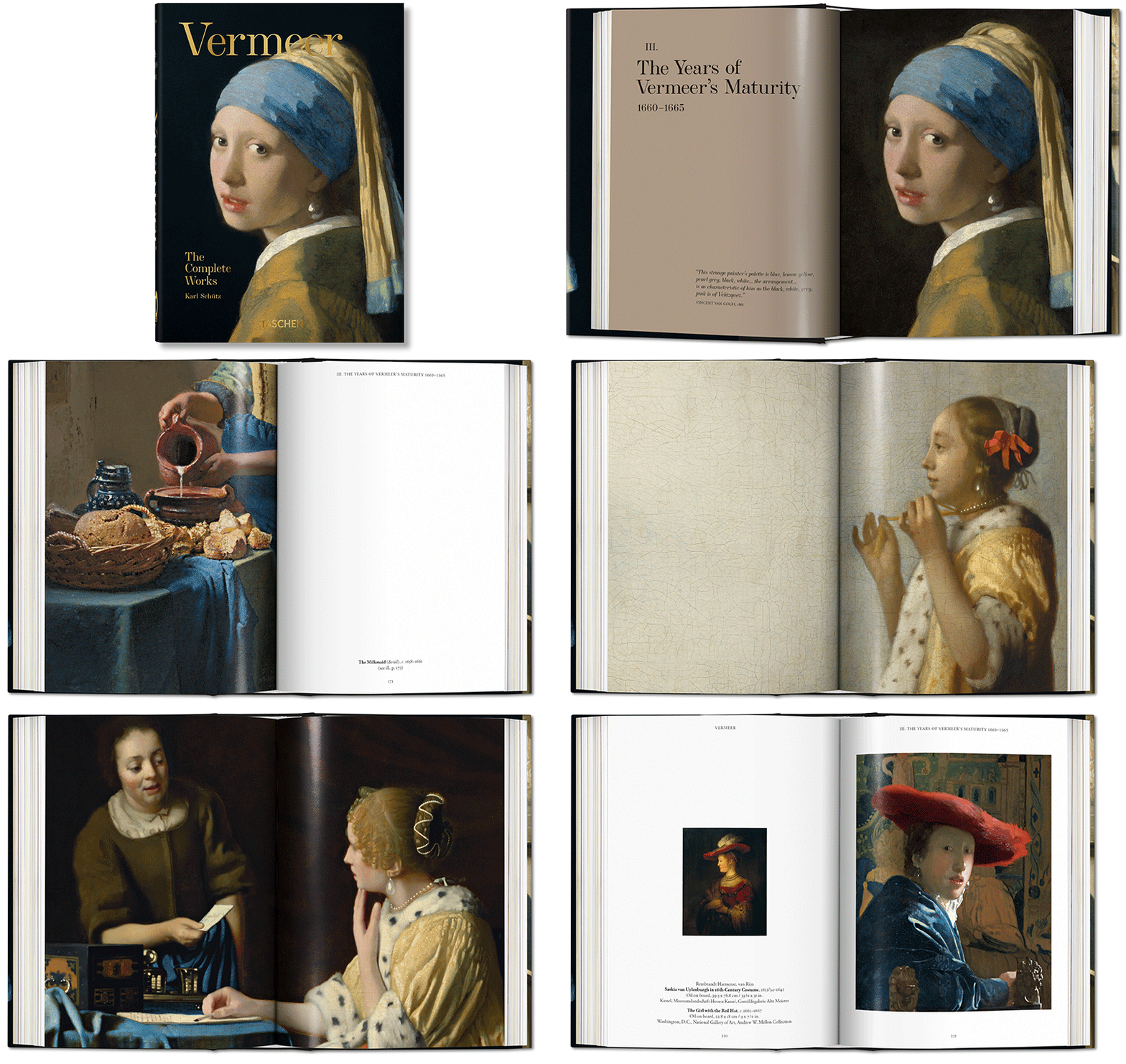
This 40th anniversary edition showcases the complete catalog of Vermeer’s work, presenting the calm yet compelling scenes so treasured in galleries across Europe and the United States into one monograph of utmost reproduction quality. Crisp details and essays tracing Vermeer’s career illuminate his remarkable ability not only to bear witness to the trends and trimmings of the Dutch Golden Age but also to encapsulate an entire story in just one transient gesture, expression, or look.
The author
After completing his studies of art history and archaeology at the University of Vienna, Karl Schütz joined the staff of the Gemäldegalerie of the city’s Kunsthistorisches Museum, serving from 1972 as a curator and from 1990 to 2011 as its director. His particular scholarly interests include Netherlandish and Flemish painting, early-16th-century German painting, courtly portraiture, and the history of the Gemäldegalerie collection.
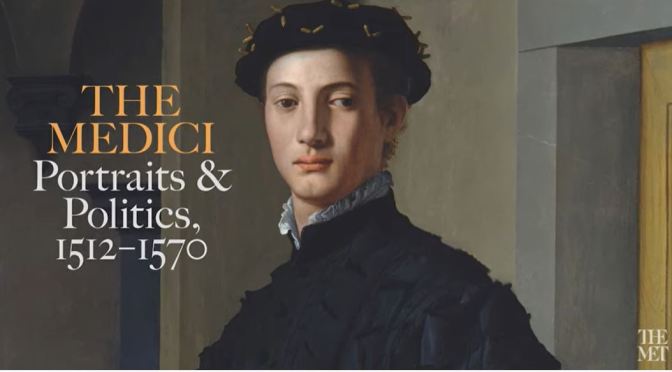
Met Museum Exhibit Tour: The Medici – Portraits And Politics, 1512-1570 (Video)
Join exhibition curator Keith Christiansen and Renaissance art historians Linda Wolk-Simon and Davide Gasparatto in conversation about the exhibition “The Medici: Portraits and Politics, 1512–1570,” and the development of the Florentine identity through portraits under Cosimo I de’ Medici’s rule. Film made possible by the generous support of The Brownstein Family Foundation, a Patron Member of The Friends of the Bargello. Learn more about the exhibition “The Medici: Portraits and Politics, 1512–1570” on The Met’s website: https://www.metmuseum.org/MediciPortr…
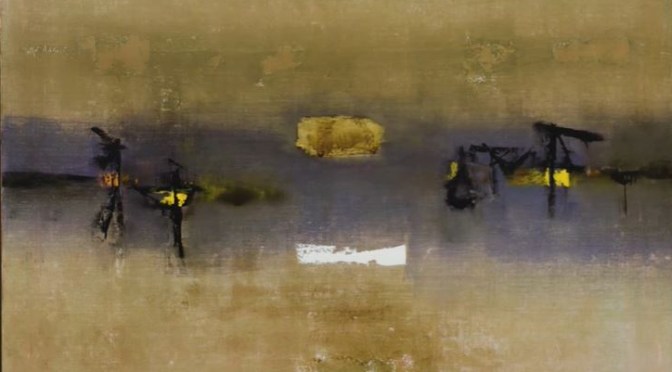
Art: Vasudeo S. Gaitonde’s “Painting 4” – The Abstract Artist ‘Haven From Chaos’
Cara Manes, Associate Curator in the Department of Painting and Sculpture, discovers a haven from the chaos of the everyday amid the “silence” and imperfection of Vasudeo S. Gaitonde’s “Painting, 4.”
Vasudeo S. Gaitonde was regarded as one of India’s foremost abstract painters. He received the Padma Shri Award in 1971.
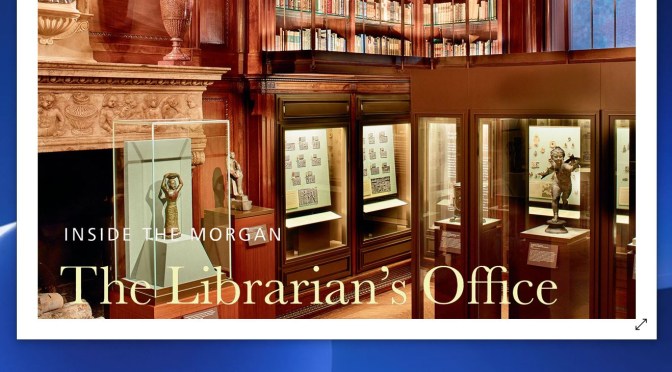
Books: “Inside The Morgan – The Librarian’s Office”
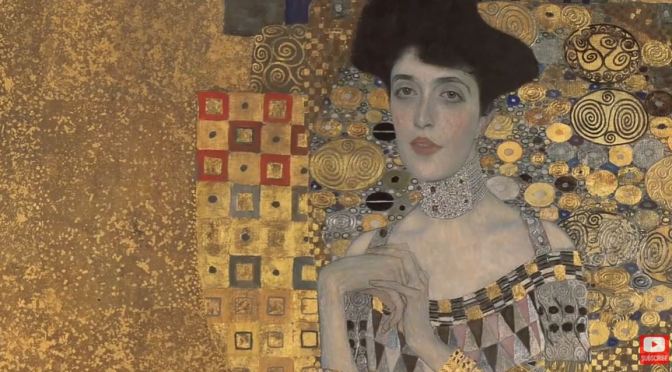
Symbolist Views: Austrian Painter Gustav Klimt
Gustav Klimt was an Austrian symbolist painter and one of the most prominent members of the Vienna Secession movement. Klimt is noted for his paintings, murals, sketches, and other objets d’art. Klimt’s primary subject was the female body, and his works are marked by a frank eroticism.

Montana Views: John Maclean’s Backstory Memoir ‘Home Waters’
John Maclean’s family was the topic of “A River Runs Through It,” the novella that became a hit film. Now, his own new book tells the backstory of the captivating drama. Jeff Glor takes a look at Maclean’s love for Montana’s great outdoors.
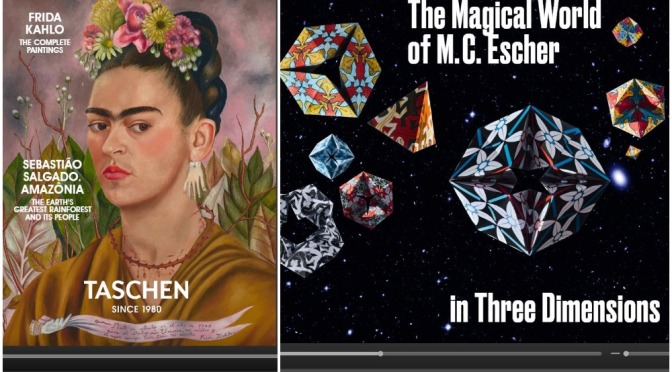
Top New Book Catalogs: ‘Taschen – Summer 2021’

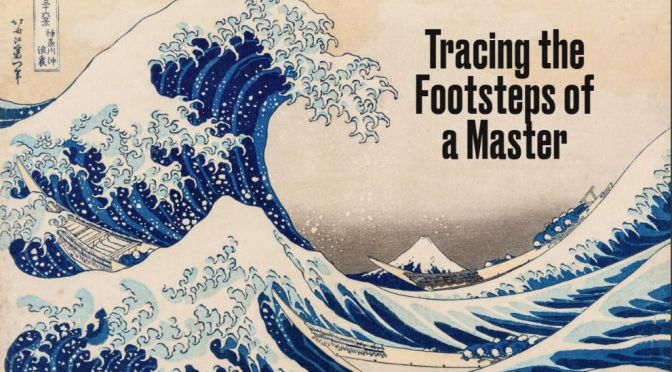
Art: ‘Hokusai. Thirty-Six Views Of Mount Fuji’
Mount Fuji has long been a centerpiece of Japanese cultural imagination, and nothing captures this with more virtuosity than the landmark woodblock print series Thirty-six Views of Mount Fuji by Katsushika Hokusai (1760–1849).
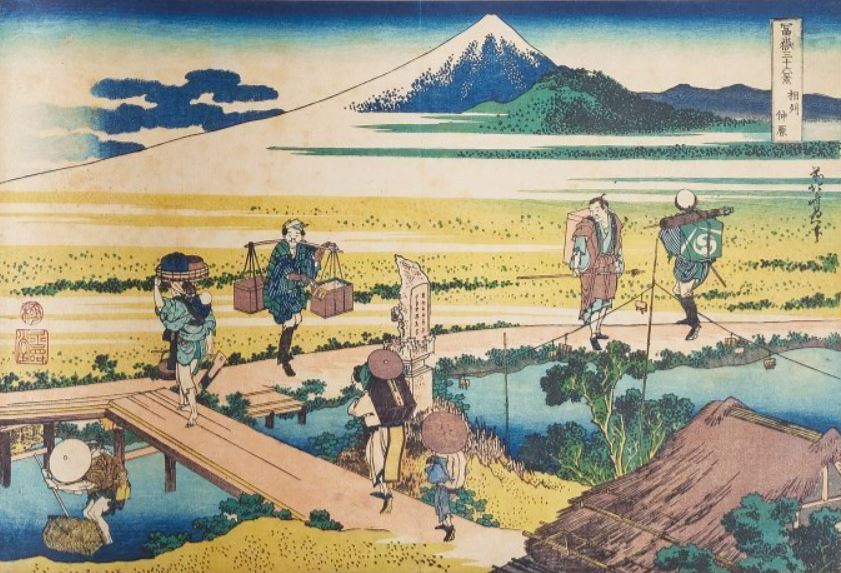
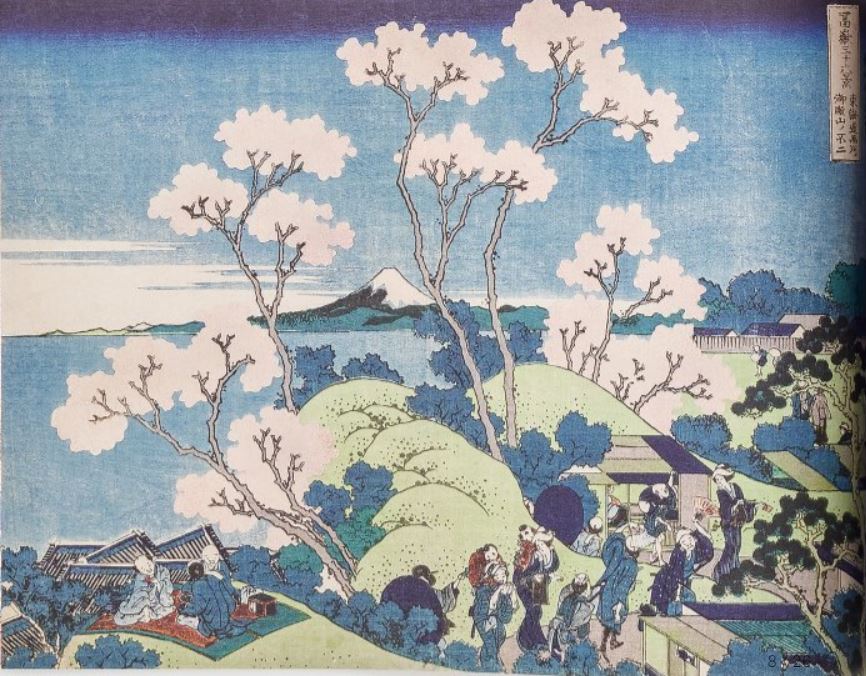

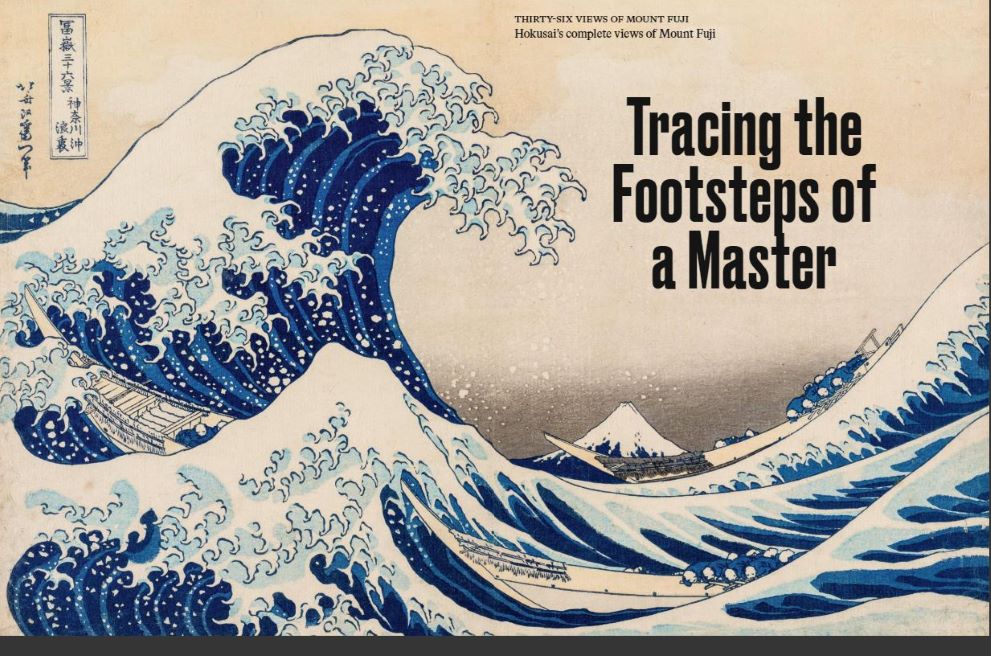
The renowned printmaker documents 19th-century Japan with exceptional artistry and adoration, celebrating its countryside, cities, people, and serene natural beauty. Produced at the peak of Hokusai’s artistic ambition, the series is a quintessential work of ukiyo-e that earned the artist world-wide recognition as a leading master of his craft.
The prints illustrate Hokusai’s own obsession with Mount Fuji as well as the flourishing domestic tourism of the late Edo period. Just as the mountain was a cherished view for travelers heading to the capital Edo (now Tokyo) along the Tōkaidō road, Mount Fuji is the infallible backdrop to each of the series’ unique scenes. Hokusai captures the distinctive landscape and provincial charm of each setting with a vivid palette and exquisite detail. Including the iconic Under the Great Wave off Kanagawa (also The Great Wave), this widely celebrated series is a treasure of international art history.

Books: ‘The Tiny Bee That Hovers At The Center Of The World’ – David Searcy
An ethereal meditation on longing, loss, and time, sweeping from the highways of Texas to the canals of Mars–by the acclaimed essayist and author of Shame and Wonder
David Searcy’s writing is enchanting and peculiar, obsessed with plumbing the mysteries and wonders of our everyday world, the beauty and cruelty of time, and nothing less than what he calls “the whole idea of meaning.” In The Tiny Bee That Hovers at the Center of the World, he leads the reader across the landscapes of his extraordinary mind, moving from the decaying architectural wonder that is the town of Arcosanti, Arizona, to driving the vast, open Texas highway in his much-abused college VW Beetle, to the mysterious, canal-riddled Martian landscape that famed astronomer Percival Lowell first set eyes on, via his telescope, in 1894. Searcy does not come at his ideas directly, but rather digresses and meditates and analyzes until some essential truth has been illuminated–and it is in that journey that the beauty is found.
 Boomers Daily