

A selection of three essential articles read aloud from the latest issue of The Economist. This week, what is China getting wrong? Also, why the world should stand up to Putin (10:43). And, crypto and web3: libertarian dream, or socialist Utopia? (18:27).
Category Archives: Analysis
Political Views: Emmanuel Macron’s Future, Russian War Crimes, Headset Wars
A selection of three essential articles read aloud from the latest issue of The Economist. This week, why Emmanuel Macron’s fate matters beyond France, war crimes in Ukraine (11:05) and we explore the new headset wars between tech firms (16:05).
Analysis: Ukraine Victory Importance, Anti-Media In China, Social Influencers
A selection of three essential articles read aloud from the latest issue of The Economist. This week, why a Ukrainian victory would transform the security of Europe, a terrible plane crash prompts a revealing anti-media backlash in China (11:20) and the serious business of social influencers (18:30).
Political Analysis: Ukraine War & China, Free Trade, War’s Corporate Fallout
A selection of three essential articles read aloud from the latest issue of The Economist. This week: how the war in Ukraine determines China’s view of the world (9:45), confronting Russia shows the tension between free trade and freedom (16:42), and who are the corporate winners and losers in Russia’s war.
Analysis: Drinking Water – Is The World Drying Up?
Only 0.3 percent of the Earth’s total water supply is suitable for human consumption. Ominously, this precious resource is beginning to shrink. Natural water reservoirs are drying up due to climate change.
Glaciologist Daniel Farinotti surveys melting glaciers in the Swiss Alps. If glaciers continue to melt at the current rate, he says, there will be no ice left by the end of the century. The disappearance of glacial meltwater would have fatal consequences. From the heights of the Swiss Alpine glaciers, the documentary travels down to the seafloor, off the coast of Malta. Here, the crew of the German expedition ship “Sonne” wants to track down mysterious freshwater deposits in the Mediterranean.
Next up is Peru where, in a bid to counteract the threat of water shortages, work is underway on projects that use ancient Incan methods.
Political Analysis: Putin’s Repression, Commodity Chaos, China Backs Russia
A selection of three essential articles read aloud from the latest issue of The Economist. This week, why Vladimir Putin is resorting to repression at home; (10:15) how war and sanctions have caused commodities chaos; (16:35) and why Xi Jinping has placed a bet on Russia.
Political Analysis: Putin’s War Escalates, Climate Change, French Debate
A selection of three essential articles read aloud from the latest issue of The Economist. This week: the horror ahead in Ukraine, why climate change must be adapted to as well as opposed (11:25) and why France needs a proper debate ahead of its presidential election (15:40).
Political Analysis: Putin’s War, Economic Fallout From Invasion, Taiwan
A selection of three essential articles read aloud from the latest issue of The Economist. This week, where will Vladimir Putin stop? Plus, the economic consequences of the war in Ukraine (10:35) and how parallels with Taiwan are shaping Asian views of the conflict (16:35).

Analysis: Why U.S. Health Care Is So Expensive (CNBC)
Health-care spending is consistently rising around the world, but the United States is the worst performer when it comes to controlling costs. A lack of universal coverage in the U.S. and a fragmented and heavily commercialized system leads to rising costs and excessive spending. Watch the video to learn more about why health-care costs are rising in the U.S. more than anywhere else and how that can be stopped.
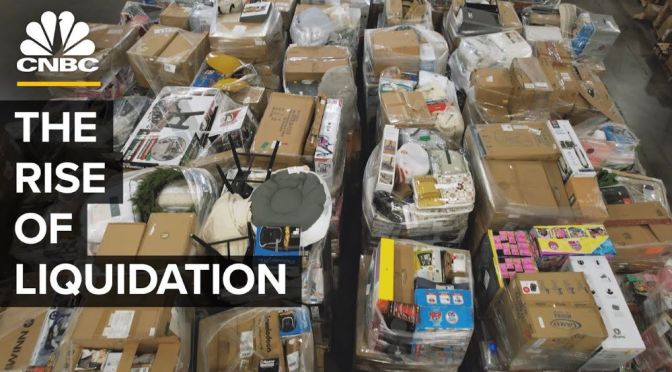
Retail: Rise Of Unwanted Goods Liquidation (CNBC)
A record number of online returns has created a booming $644 billion liquidation market. As supply chain backlogs cause shortages of new goods and Gen Z shoppers demand more sustainable retail options, pain points for one sector of retail are big business for another. The nation’s only major public liquidator, Liquidity Services, resells unclaimed mail, items left at TSA checkpoints, and outdated military vehicles. It also refurbishes highly sought after electronics, from noise-canceling headphones to the machines that make microchips.
CNBC takes you on an exclusive tour inside a Liquidity Services returns warehouse outside Dallas, Texas, where unwanted goods from Amazon and Target are stacked to the ceiling before being resold on Liquidation.com or a variety of other marketplaces. Inside Liquidity Services’ 130,000-square-foot warehouse in Garland, Texas, the aisles aren’t lined with typical merchandise. Instead, they’re stacked with returns from Amazon, Target, Sony, Home Depot, Wayfair and more, all in the process of being liquidated.
 Boomers Daily