
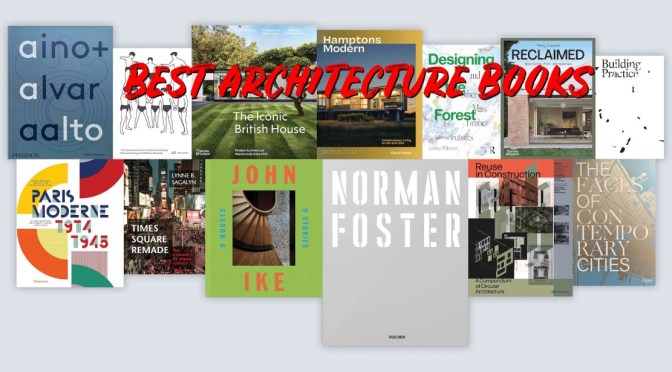
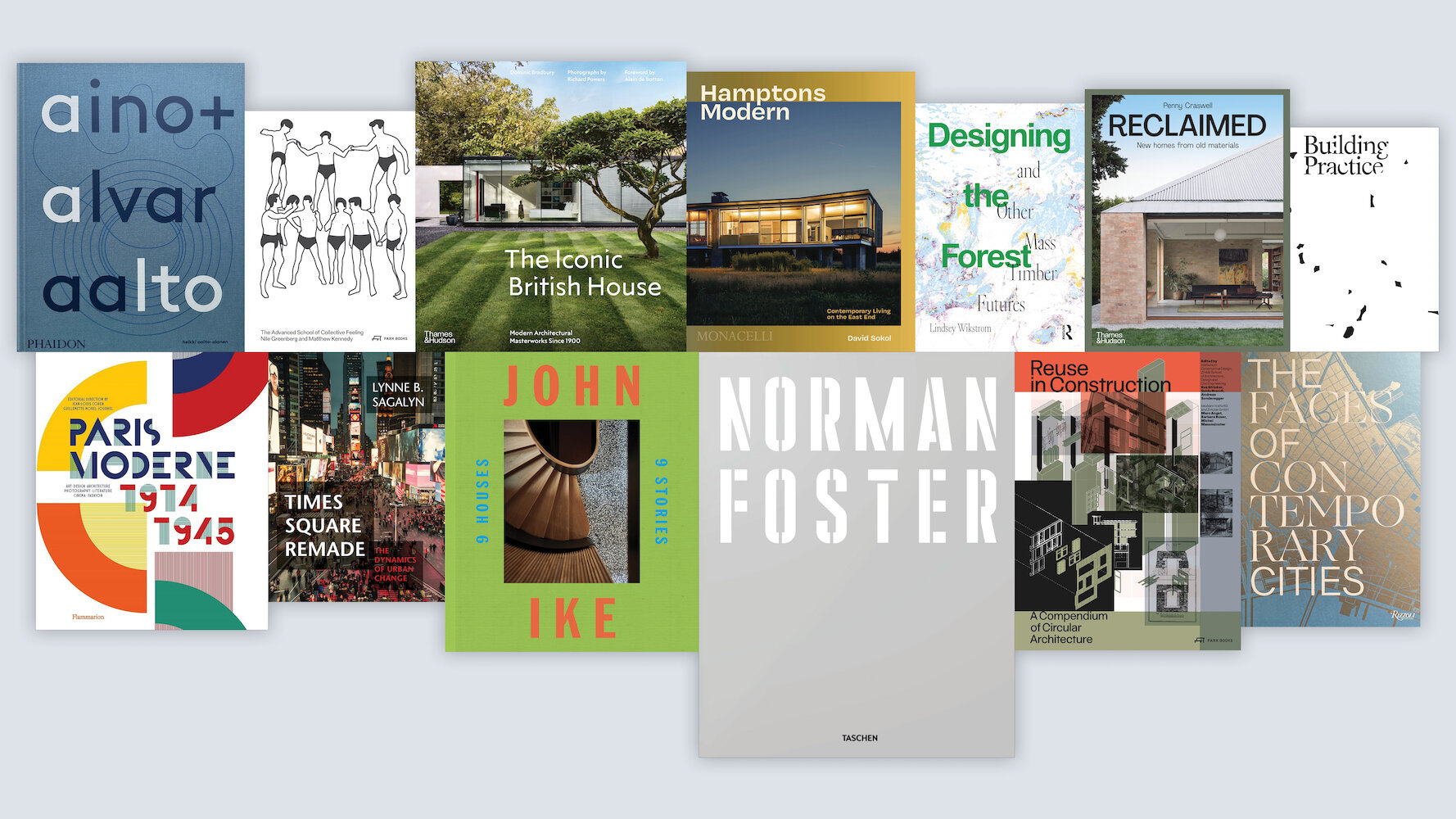

The Iconic British House
by Dominic Bradbury. Foreword by Alain de Botton. Thames & Hudson, 320 pages, $65.
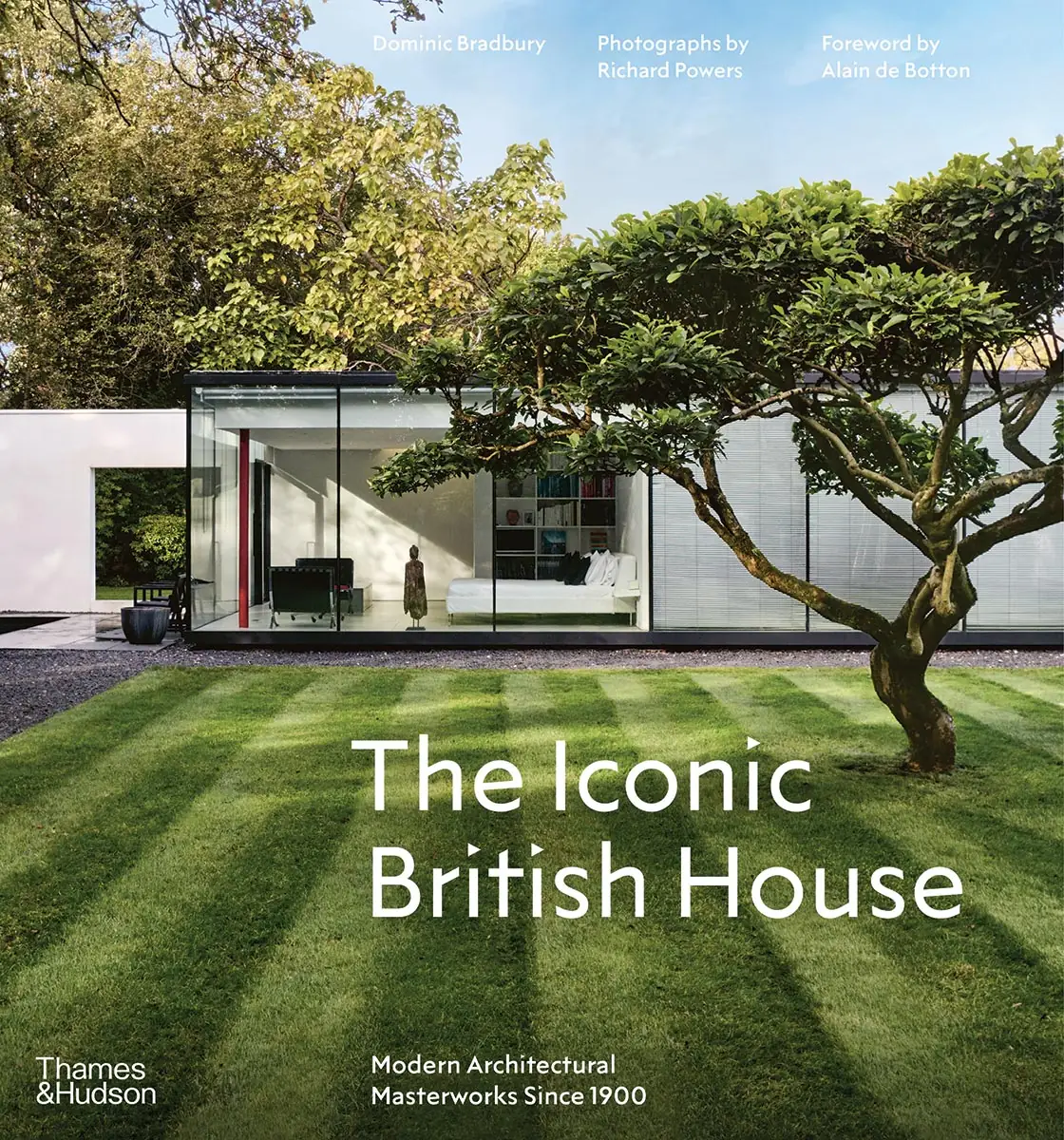
“This book should leave us inspired, and a little angry, in a fruitful way,” writes Alain de Botton in his foreword to this hefty, decade-hopping survey of modern domestic architecture in Britain. Kicking off with an Arts and Crafts treasure in Surrey designed by Edwin Lutyens as a rural retreat for “ladies of small means,” the book’s 50 featured domiciles—lushly photographed by Richard Powers—are pointedly diverse in style and context but unified by their creative flair, ingenuity, and ability to induce acute house envy. Don’t say you weren’t warned. Matt Hickman
Building Practice
edited by Kyle Miller and Molly Hunker. Applied Research + Design Publishing, 400 pages, $35.
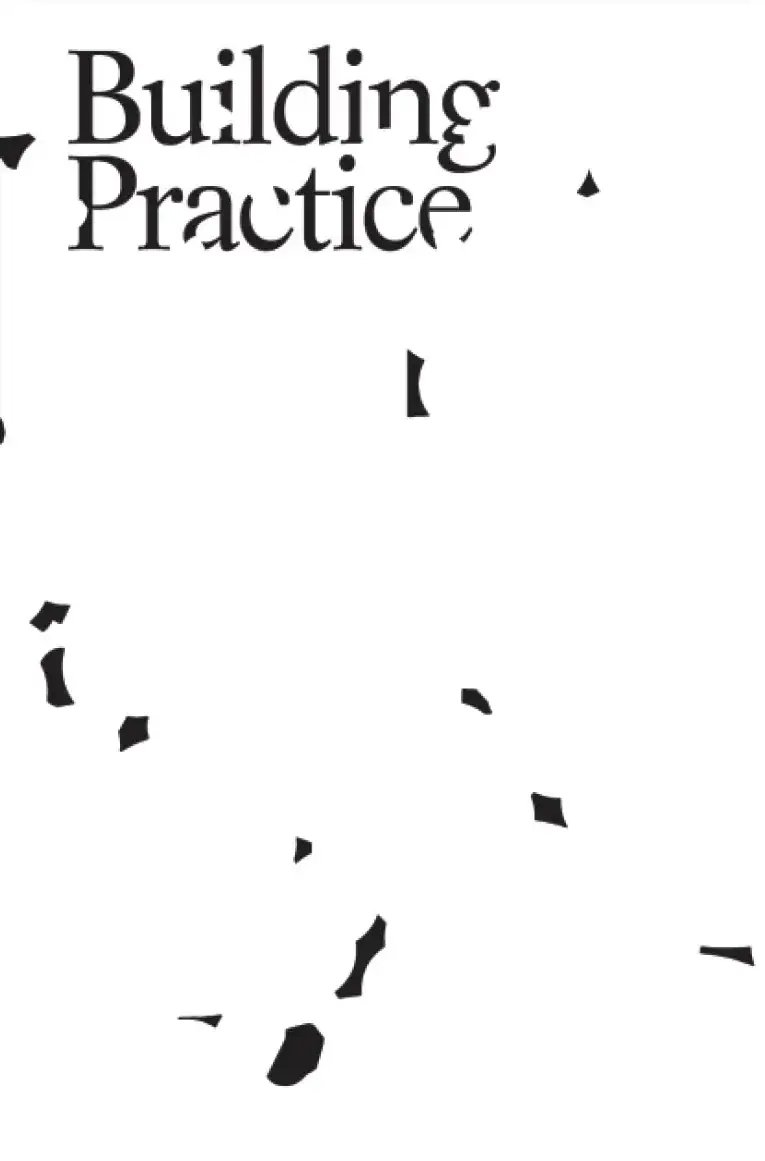
Molly Hunker and Kyle Miller assemble a veritable who’s who of up-and-coming architects, designers, educators, and fabricators in Building Practice. Short, thematic essays, followed by interviews with 32 contributors explore what it means to build a practice, as well as how to practice the skill of building. Far from a run-of-the-mill compilation of flashy projects, this reader on the profession’s next generation offers up valuable insight that many young practitioners would be wise to heed. Leopoldo Villardi
Aino + Alvar Aalto: A Life Together
by Heikki Aalto-Alanen. Thames & Hudson, 352 pages, $150.
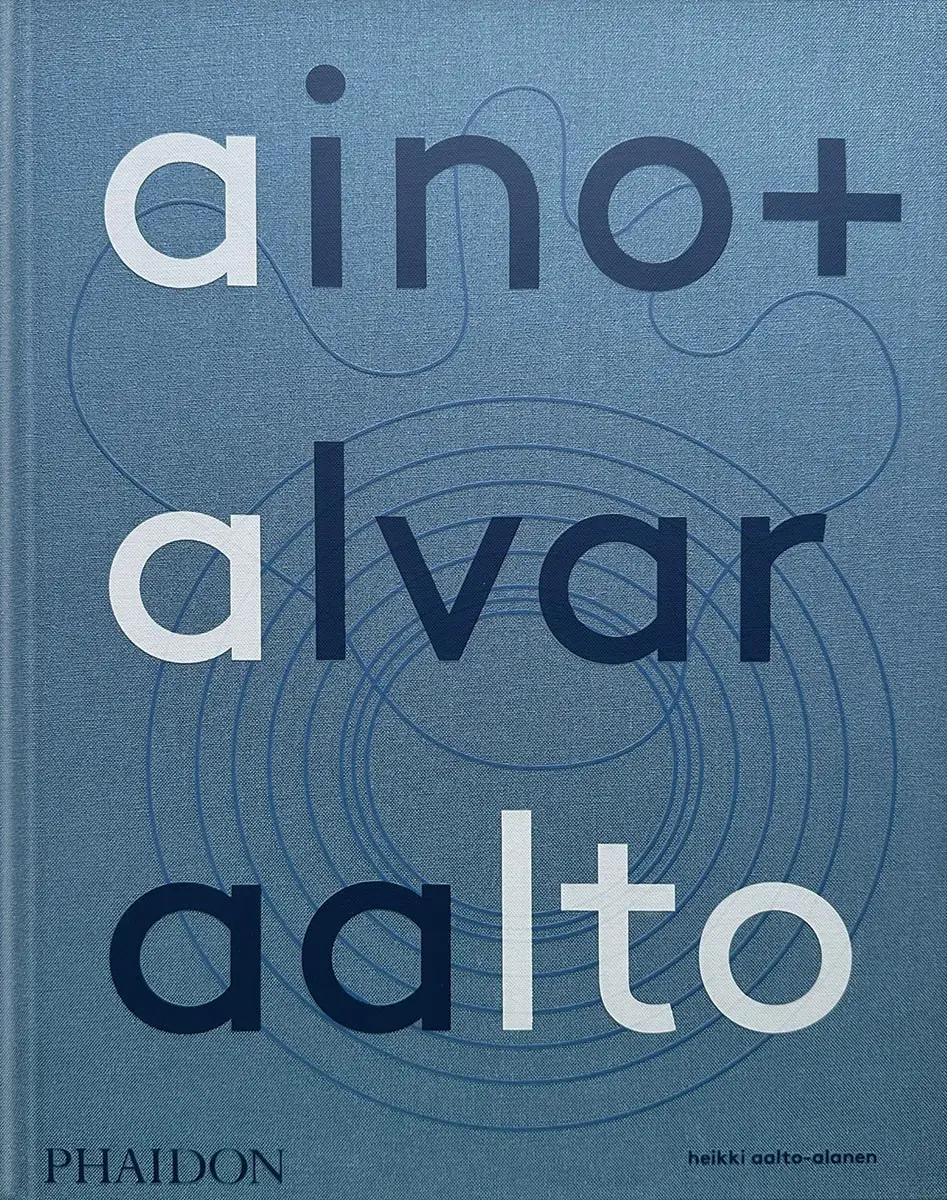
Even though Alvar Aalto remains one of the most studied subjects in architectural history, his grandson Heikki Aalto-Alanen brings readers something new and unexpected—a love story. This deeply personal account of Aino and Alvar’s life together, replete with sketches and photographs, is told through never-before-published letters that reveal Aino’s often overlooked role in the creative partnership. As Sigfried Giedion wrote in 1949, after her unexpected death: “Their true secret is perhaps that, as people, while they are the complete opposites, they are also equals.” LV
Designing the Forest and other Mass Timber Futures
by Lindsey Wikstrom. Routledge, 246 pages, $35.
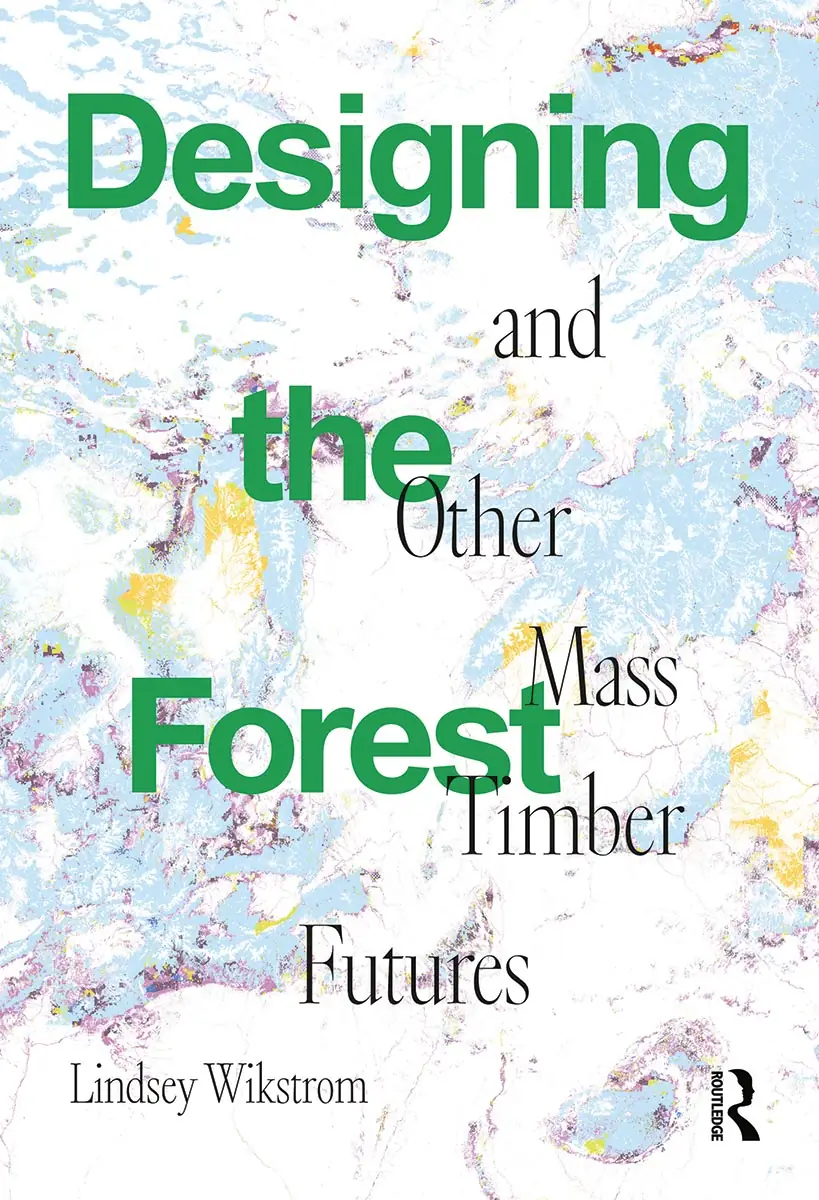
Mass timber is often seen as an ecologically responsible alternative to concrete and steel. But this is not a given, since building at scale with wood introduces a whole set of new challenges. This is why Lindsey Wikstrom’s book is so welcome. While advocating use of mass timber for its carbon-storing capabilities and potential to be nonextractive, she debunks misguided assumptions and probes ethical and environmental considerations. Designing the Forest provides a deep dive into the material’s complexities and its opportunities. Joann Gonchar, FAIA
Paris Moderne: 1914–1945
by Jean-Louis Cohen and Guillemette Morel Journel. Flammarion, 356 pages, $65.
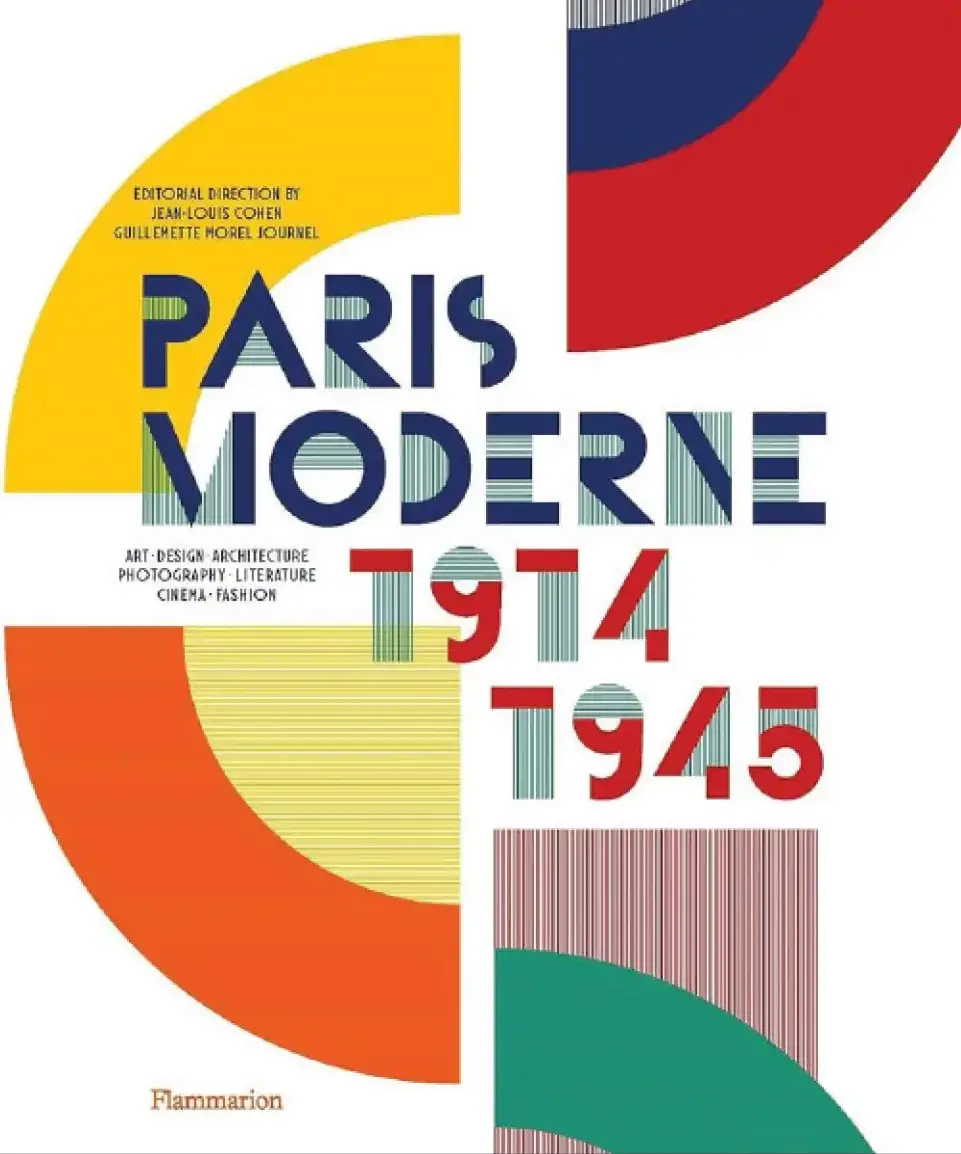
When Jean-Louis Cohen unexpectedly died in August, Gwendolyn Wright wrote in record that the profession had lost “the most insightful, wide-ranging, lyrical, and prolific historian of modern architecture.” Published posthumously, Paris Moderne, 1914–1945 surveys French design culture, from the overlooked to the widely known. Bookended with photo-essays by Antonio Martinelli, this encyclopedic volume would feel at home in the library of any historian or Francophile. LV
The Advanced School of Collective Feeling: Inhabiting Modern Physical Culture 1926–38
by Nile Greenberg and Matthew Kennedy. Park Books, 176 pages, $40.
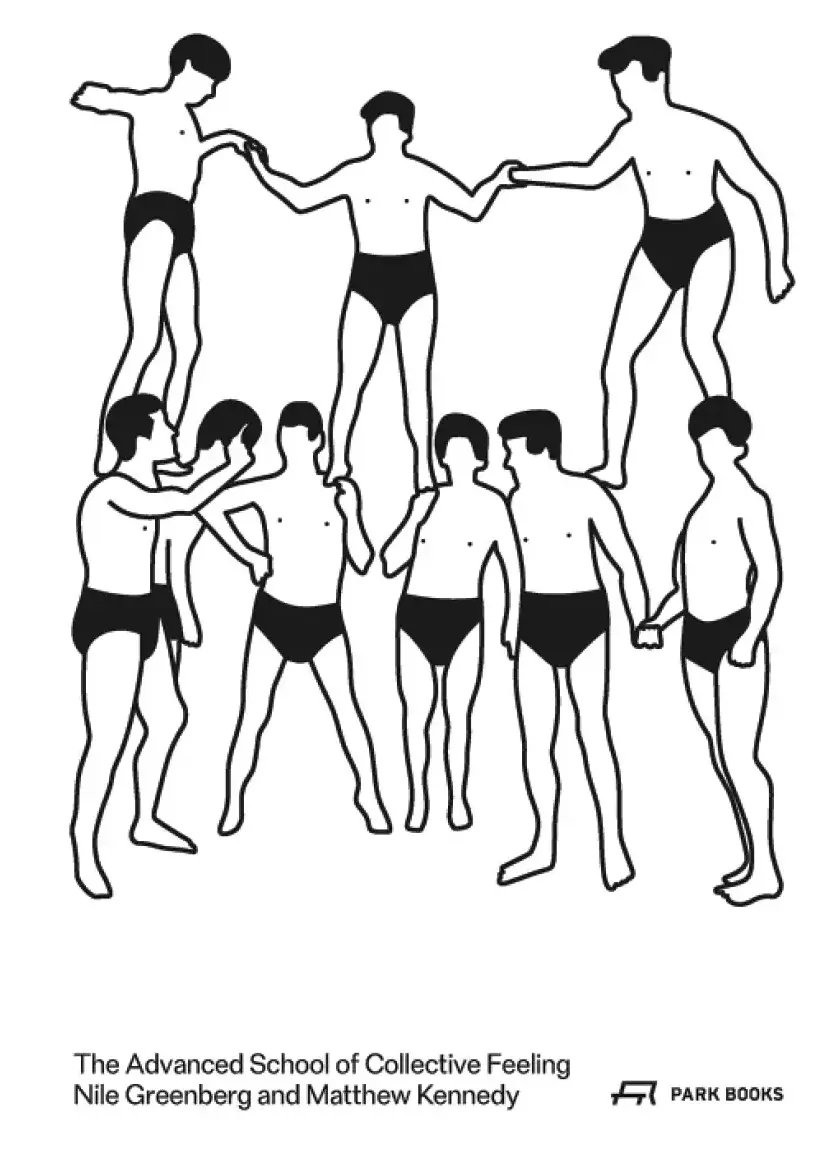
From the scantily clad figures on its cover to a ribbon bookmark that doubles as an architectural scale, The Advanced School of Collective Feeling is every bit as playful as it is a book about play. This jog through the history of physical culture vis-à-vis modern architecture features a series of drawings (beautifully rendered in metallic ink over black paper) and an impressive assortment of archival imagery. Taking the book over the finish line: a collection of somersaulting, weight-lifting, and jeté-ing silhouettes that are bound to elicit more than a few smiles. LV
Reuse in Construction: A Compendium of Circular Architecture
edited by Eva Stricker, Guido Brandi, Andreas Sonderegger, Marc Angst, Barbara Buser, and Michel Massmünster. Park Books, 344 pages, $75.
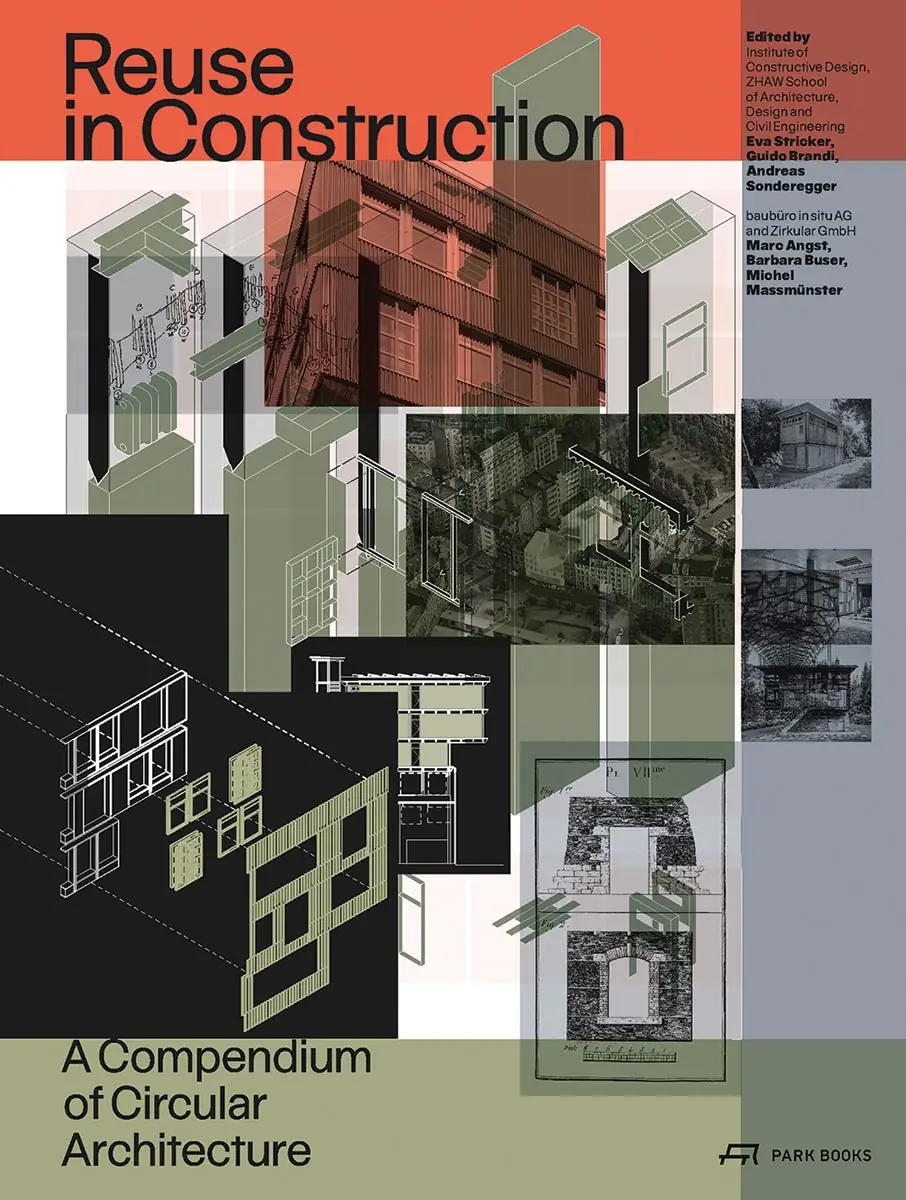
Green-building advocates agree that the construction industry is in dire need of an alternative to its typical “take-make-waste” model. But, so far, circular processes are extremely difficult for most architects to implement. Reuse in Construction is intended to help address this problem with an in-depth documentation of K.188, a building-expansion project in Winterthur, Switzerland, that relied almost exclusively on reused components. In addition to this case study, the book discusses the long history of circularity in architecture, as well as a range of practical concerns, including legal, economic, and energy-related issues. JG
Reclaimed: New Homes from Old Materials
by Penny Craswell. Thames & Hudson, 272 pages, $45.
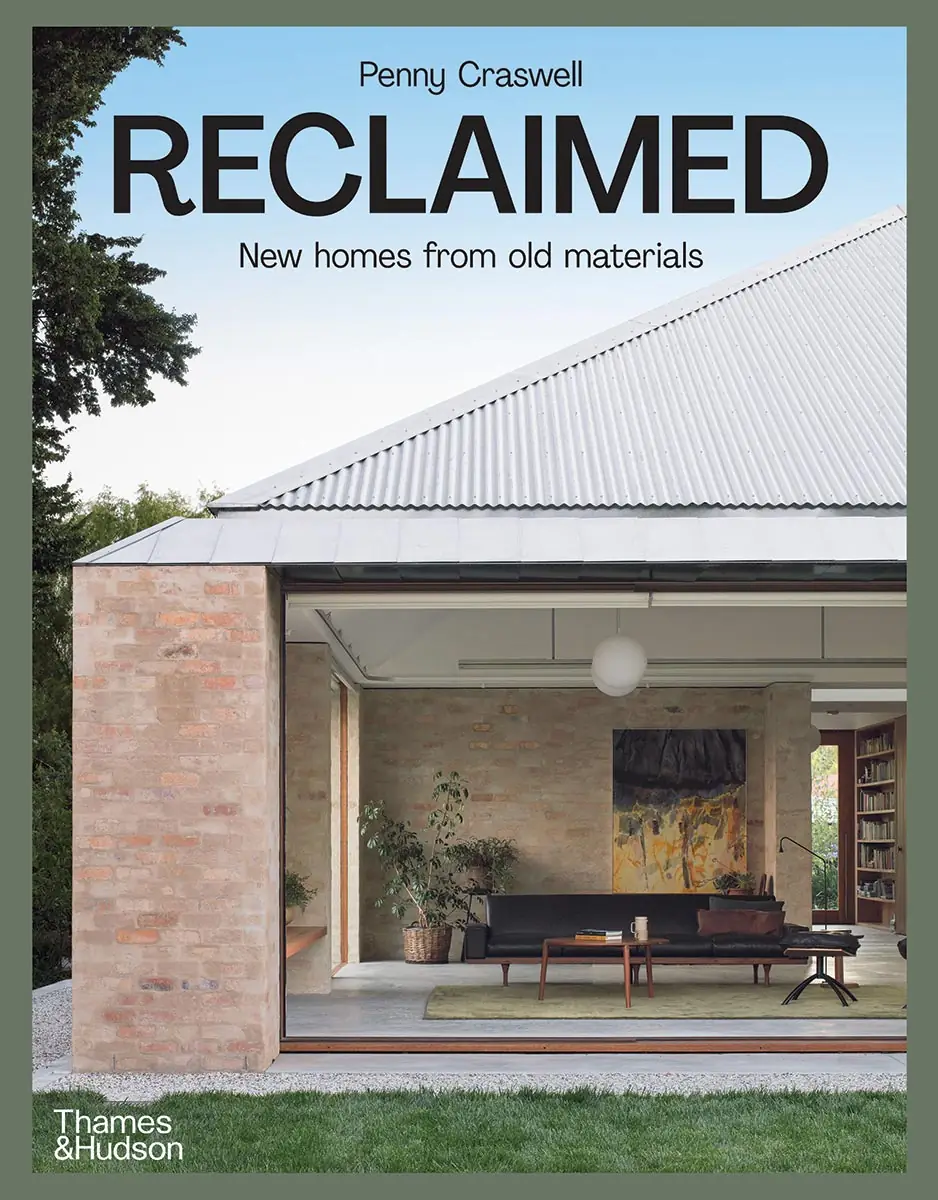
The World Green Building Council estimates that the built environment is responsible for 40 percent of global carbon emissions—10 percent stemming directly from embodied carbon from new materials and construction. Reclaimed offers an alternative to the status quo, demonstrating how to reuse materials for contemporary residential design. Divided into four material categories—brick, timber, metal, and postconsumer waste (denim repurposed as insulation, or recycled-plastic countertops, for example)—this thoughtful guide catalogues 24 houses and apartments across the world. Matthew Marani
Hamptons Modern: Contemporary Living on the East End
by David Sokol. The Monacelli Press, 224 pages, $65.
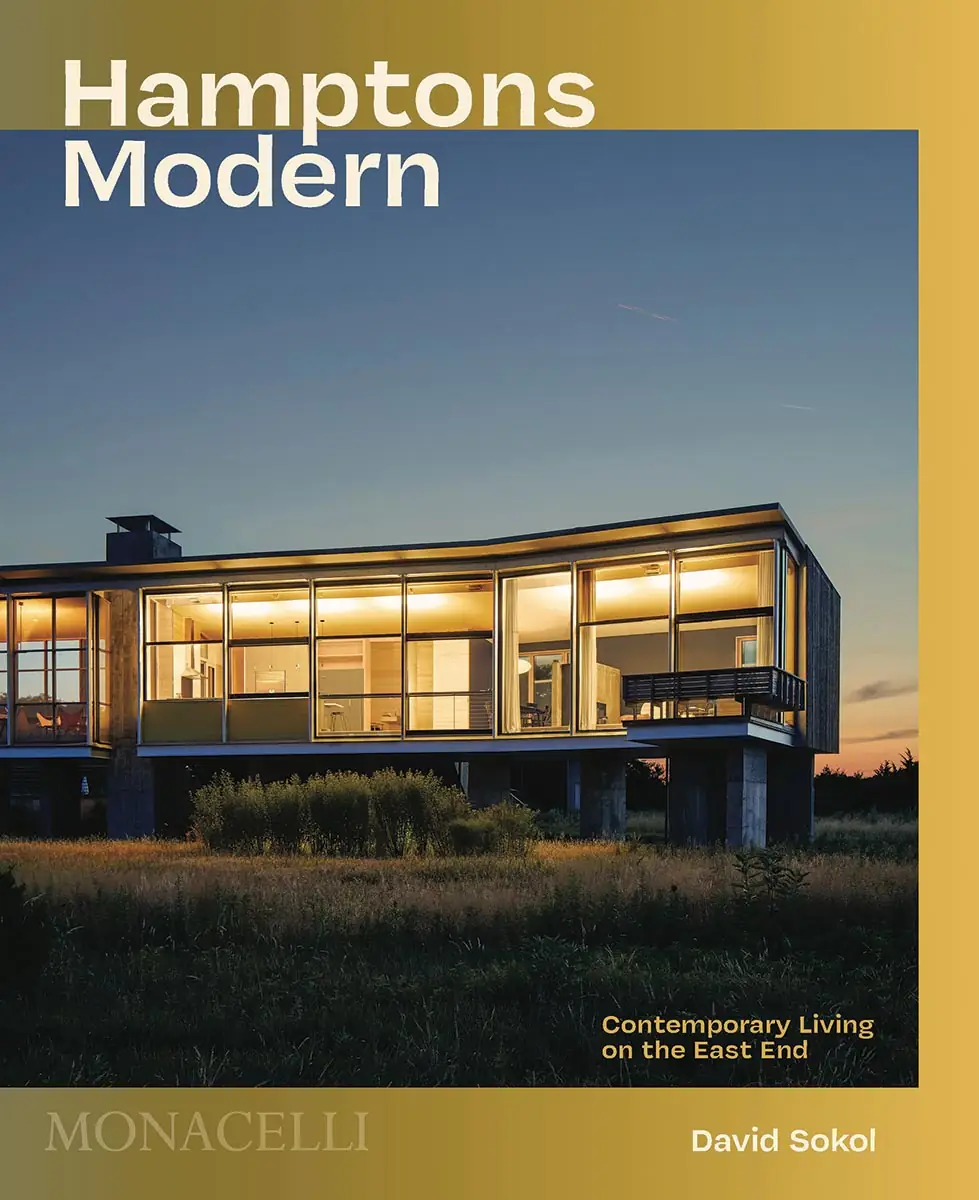
Intrepid New Yorker and record contributing editor David Sokol travels the East End of Long Island, exploring how the area’s roots in Modernism are shaping its contemporary residential architecture (apart from the manses for the rich and famous). Highlighting 18 houses, on both the South and North Forks, Sokol organizes this richly illustrated work into three sections: Stewarding the Past, Extending the Legacy, and Setting New Precedents. Infused with history, anecdotes, and interviews, this engaging ode to a design movement’s influence in time and place would be an asset to many libraries—and it’s a pleasure to read. Linda C. Lentz
John Ike: 9 Houses, 9 Stories
by John Ike and Mitchell Owens. Vendome Press, 304 pages, $75.
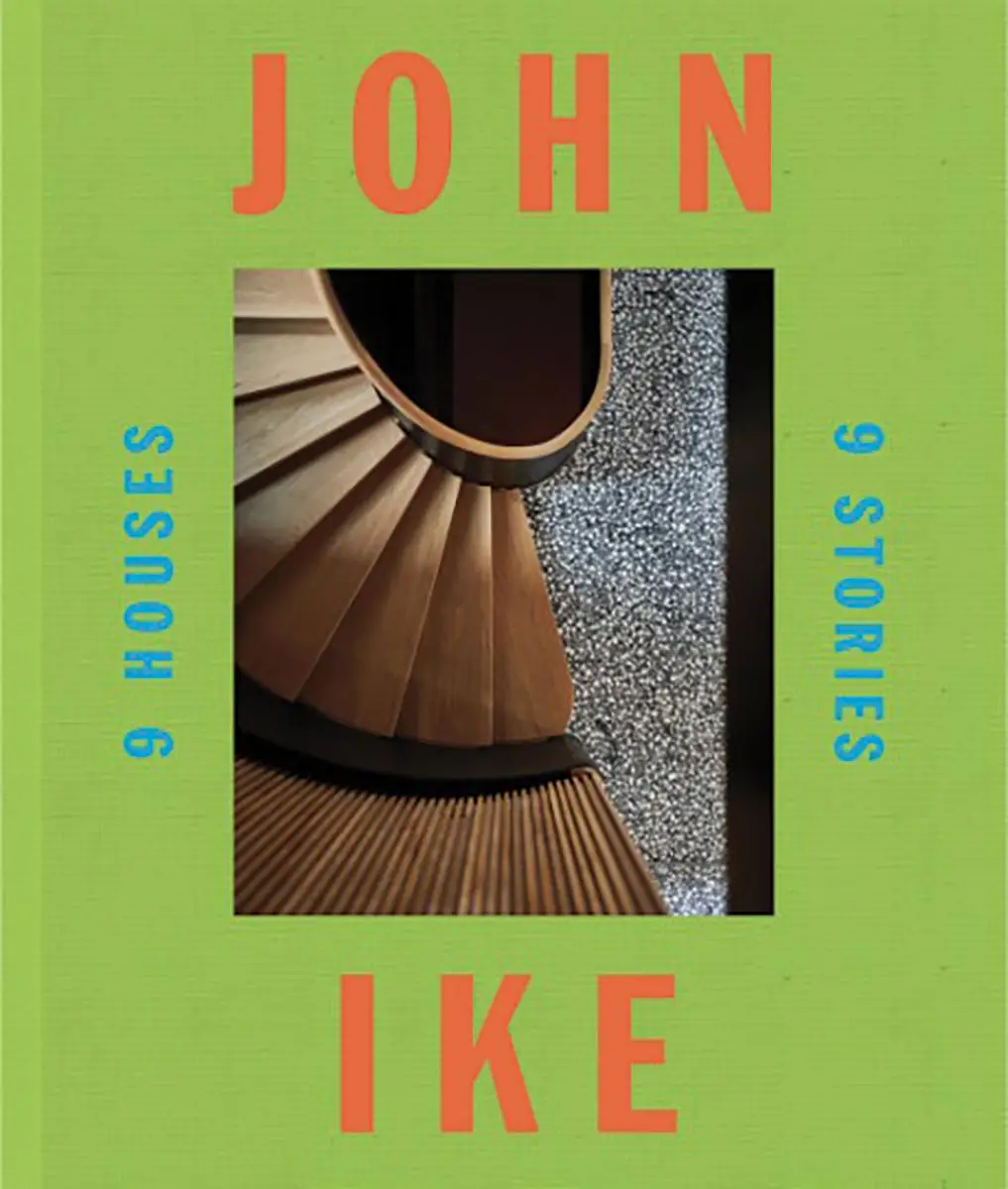
A chartreuse cloth cover with blue and tangerine lettering make this eye-catching showcase of residential work difficult to miss on a bookstore shelf. Nine dwellings—deeply contemporary yet full of historical references—slowly unfold over 304 pages, accompanied by the personal stories behind their making. But, reflecting on the collaborative nature of practice, the storytellers are just as varied as the houses. Among them are clients and contractors, as well as former firm partners Tom Kligerman and Joel Barkley. “9 Houses, 9 Stories is intended as a salute to our work,” Ike writes in the introduction. “It also marks the official end to the 34-year run of Ike Kligerman Barkley.” Each of the three architects has now gone out on his own, and readers will need to patiently wait to see what’s next in store. LV
Times Square Remade: The Dynamics of Urban Change
by Lynne B. Sagalyn. The MIT Press, 440 pages, $40.
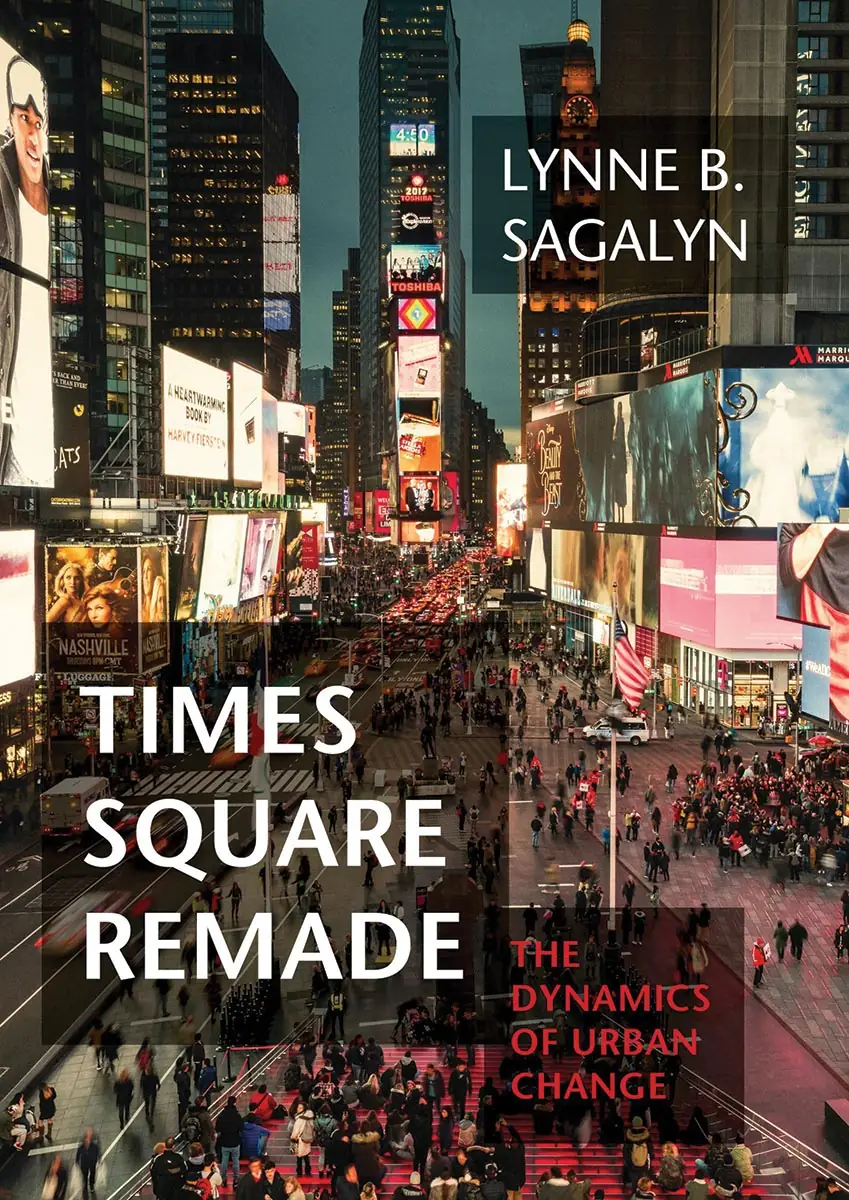
Take a front-row seat to the detailed chronicle of the making, remaking, “ruin,” and revival of New York’s “symbolic soul.” From Times Square’s Gilded Age inception as a highbrow arts destination to its working-class takeover as a carnivalesque playground, then its decline into a destination for pornography and prostitution and the 20-year sanitization campaign that followed, Columbia University professor emerita Lynne Sagalyn doesn’t confine herself to the broad strokes of financial deals or political machinations. She emphasizes the street-level humanity that has persisted at the “crossroads of the world,” throughout the fluctuations in its identity. Pansy Schulman
Norman Foster: Complete Works 1965–Today
by Norman Foster. Taschen, 1,064 pages, $350.
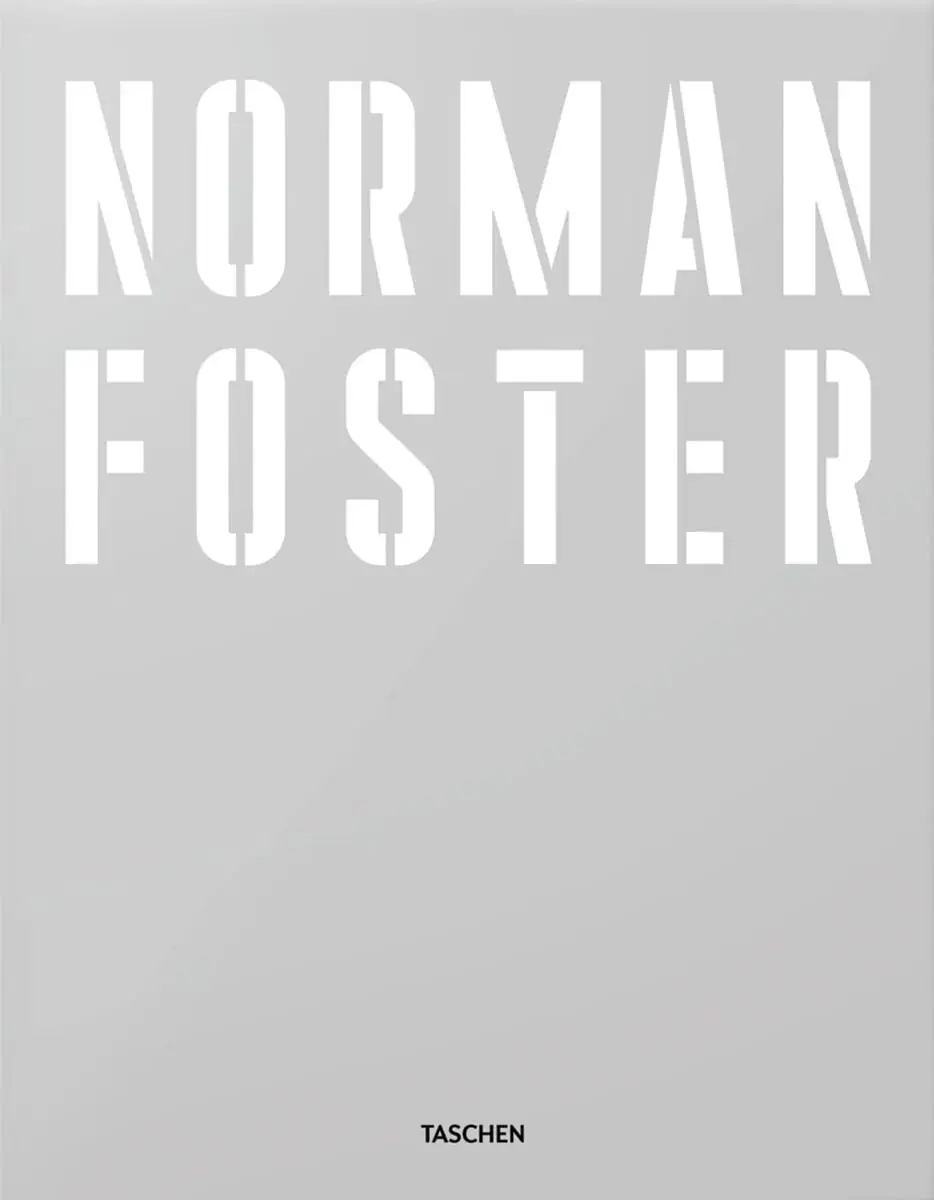
Accompanying the Norman Forster retrospective held at Paris’s Centre Pompidou earlier this year, this monograph is undoubtedly the heavyweight—literally, at 26 pounds—of architecture-book offerings in 2023. Neatly packaged in a 19″ by 15¼” by 5½” cardboard carton, this two-volume edition (one is titled “works” and the other “networks”) presents the Pritzker Prize–winning architect’s life, work, and personal interests in XXL format, with writings by Taschen regular Philip Jodidio and Foster himself. Not suitable for those who prefer to travel light! LV
The Faces of Contemporary Cities
edited by Davide Ponzini. Rizzoli, 240 pages, $65.
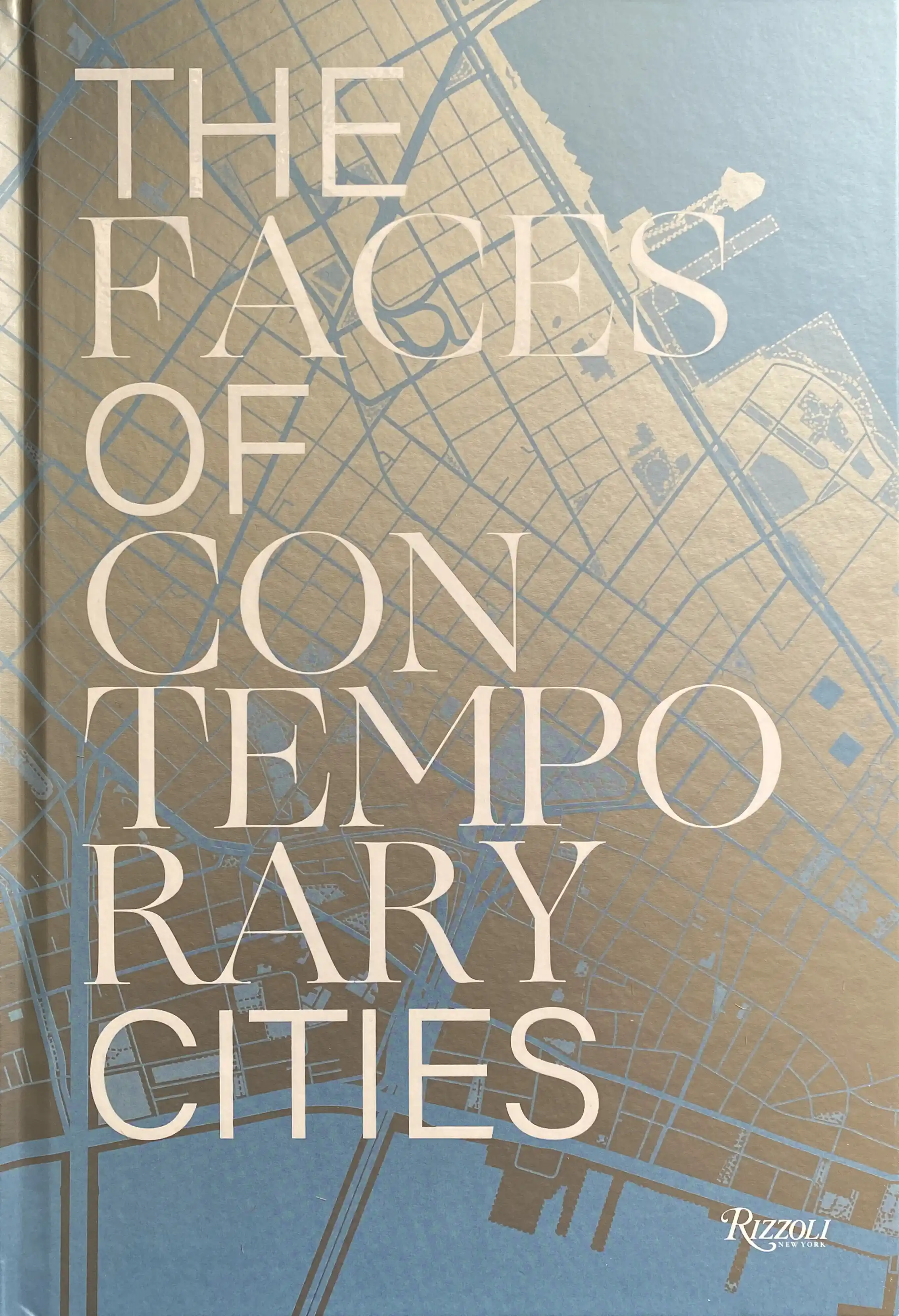
The story of Permasteelisa began in Italy 50 years ago. That small window manufacturer grew to become the company behind the facades of some of the world’s most famous buildings, including Renzo Piano’s Shard in London and Frank Gehry’s Guggenheim in Bilbao. This book reveals how the work of these architectural giants is made possible in part by companies such as Permasteelisa, which draws on its constant research into technology and materials to offer solutions for constructing the most futuristic buildings. With texts by international urban planning scholars and data analysis and georeferencing methodologies developed at the Transnational Architecture and Urbanism Lab (TAU-Lab) of the Politecnico di Milano, the book shows how Permasteelisa’s know-how has allowed it to shape the faces of many contemporary cities such as New York, Paris, London, Berlin, Frankfurt, Milan, Hong Kong, and Sydney.







 Boomers Daily