

From a New Yorker online review:
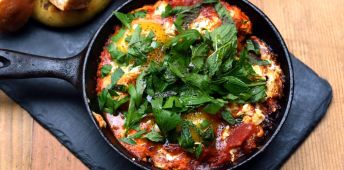 The tantalizing combination of brown butter and fried sage may have its origin in Italy, but it turns out to work just as well with pita as it does with pasta. At Miss Ada, a restaurant in Fort Greene, it gets spooned, nutty and fragrant, over a sweet but earthy carrot hummus, and again over a bowl of fluffy whipped ricotta. The pita—warm, puffy, chewy—goes perfectly, too, with a rich, stretchy stracciatella cheese, its milky surface marbled with little golden ponds of olive oil and topped with, depending on the season, heirloom tomatoes, basil, cucumbers, and red onion, or snap peas, blood orange, ground-cherries, and kumquat.
“Mediterranean with a twist” is how the restaurant describes its food. The chef and owner, Tomer Blechman (late of Bar Bolonat, Gramercy Tavern, and Maialino), is originally from Israel, and the menu is rooted in the traditions and flavor profiles of the Middle East. Sometimes the twist is Italian, sometimes it’s Mexican—the sauce beneath the short-rib skewer is described as “Israeli mole” (made with Middle Eastern spices, chocolate, and harissa), and the Dead Sea #2 cocktail (guava, mezcal, mint, lime) is basically an Israeli margarita—and sometimes the za’atar-crusted salmon is accompanied by Japanese eggplant.
To read more: https://www.newyorker.com/magazine/2019/10/21/miss-ada-and-goldas-modern-spins-on-middle-eastern-cooking

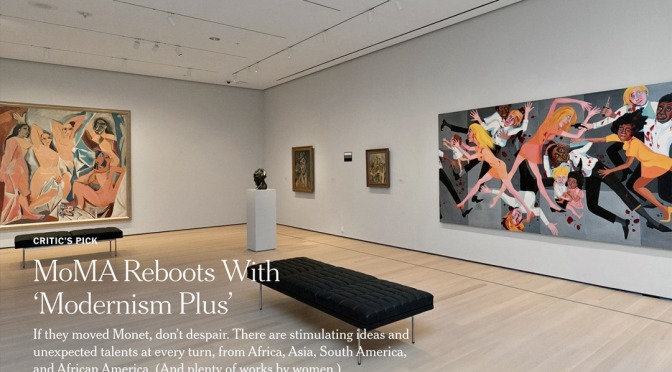
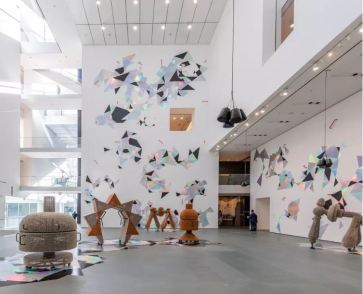 There’s also a special focus on architecture and design in this new approach to the collection: Several galleries are devoted to various aspects of those fields, including “The Vertical City,” an examination of skyscraper construction that includes photos by Berenice Abbott, Hugh Ferriss’s architectural drawings, and other ephemera. Elsewhere, building models of the Guggenheim and a spec design of MoMA by modernist master William Lescaze emphasize the importance of architecture to museums, and vice versa.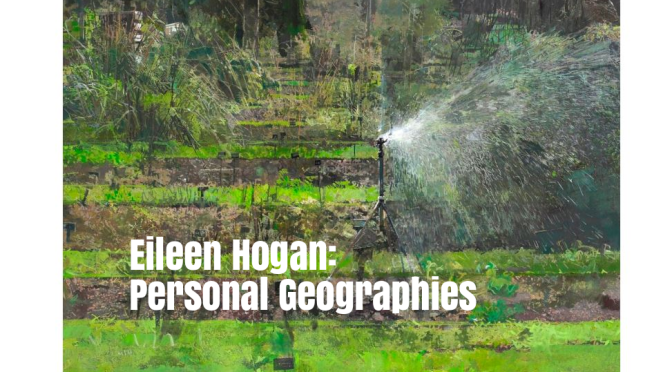
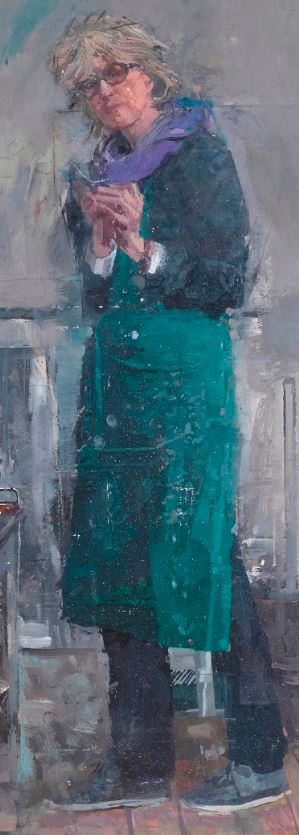 I describe myself as an urban-based painter who is interested in green spaces. Painting and drawing have been seen as profoundly unfashionable for most of my working life, and I have felt sometimes that it was quite eccentric to be a figurative painter with conventional subject matter. Looking back, my insistence on maintaining my practice as a figurative painter now seems more radical than conventional.
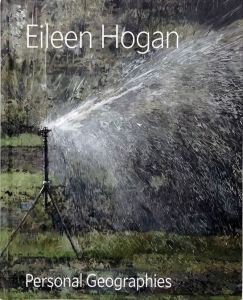 I was very blessed to have the opportunity to catch up with Hogan ahead of her Mayfair exhibition. I find myself entranced by her vibrant paintings that are dense with detail, filling the canvas from edge to edge with layers upon layers of paint. She has also established portraiture practice, her commissions including HRH The Prince of Wales. In a unique style, Hogan paints her sitters whilst they are deep in conversation, capturing unguarded gestures and expressions to create intricate portraits of both honesty and intimacy.

 Boomers Daily