
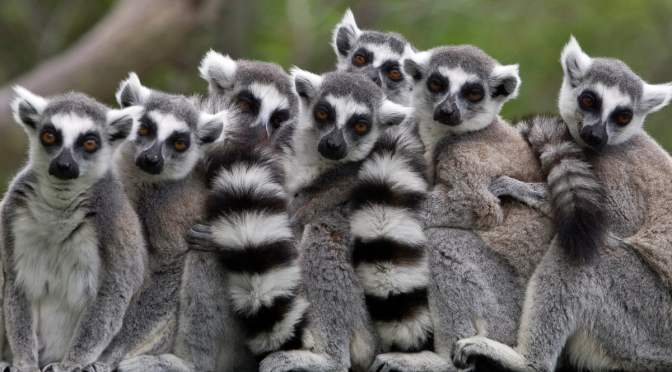
It is probably best not to take advice direct and unfiltered from the animal kingdom – but lemurs are, I think, an exception. They live in matriarchal troops, with an alpha female at their head.
The first lemur I ever met was a female, and she tried to bite me, which was fair, because I was trying to touch her, and humans have done nothing to recommend themselves to lemurs. She was an indri lemur, living in a wildlife sanctuary outside Antananarivo; she had an infant, which was riding not on her front, like a baby monkey, but on her back, like a miniature Lester Piggott. She had wide yellow eyes. William Burroughs, in his lemur-centric eco-surrealist novella Ghost of Chance, described the eyes of a lemur as ‘changing colour with shifts of the light: obsidian, emerald, ruby, opal, amethyst, diamond’. The stare of this indri resembled that of a young man at a nightclub who urgently wishes to tell you about his belief system, but her fur was the softest thing I have ever touched. I was a child, and the indri, which is the largest extant species of lemur, came up to my ribs when standing on her hind legs. She looked, as lemurs do, like a cross between a monkey, a cat, a rat and a human.

 The Economist Morning Briefing, July 14th, 2020: Coronavirus cases surpass 13m and China and America trade insults.
 Coronavirus cases are on the rise in 33 states — and California and Florida hit record high numbers of daily cases last week. Now, hospitals and other medical facilities are feeling déjà vu, as they start to experience personal protective equipment shortages again.
 A selection of three essential articles read aloud from the latest issue of The Economist. This week, how
 Live from Zürich: Tyler Brûlé and his guests discuss the weekend’s news, the Swiss design world and the best recipes for a Sunday dinner.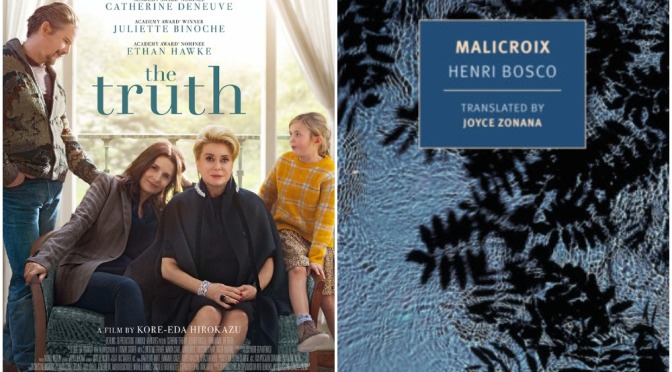
 This week, Medaya speaks with acclaimed filmmaker Hirokazu Kore-eda about his new film, The Truth (La Vérité), starring French film screen legends Catherine Deneuve and Juliette Binoche. Kore-eda discusses complicated family dynamics, the relationship between art and truth-telling and what brought him to France.
 Nature discusses the massive coronavirus outbreak that struck the iconic Californian prison after it rejected expert aid.
 Daniel Mendelsohn discusses Mitchell’s career and new novel, “Utopia Avenue,” and Maria Konnikova talks about “The Biggest Bluff.”
 Boomers Daily