
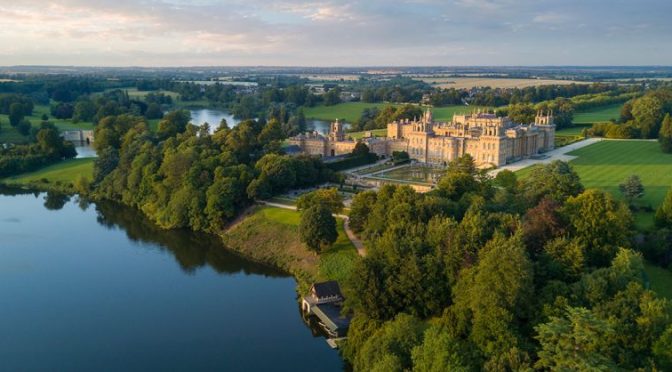
Vast and impersonal country houses, built to create an impression on visitors rather than bestow creature comforts on inhabitants, had been a feature of the English landscape long before Blenheim Palace. Yet this huge complex, the house alone encompassing seven acres of Oxfordshire on completion in 1725, bore comparison with the largest palaces of Europe.
Set to become the historic seat of the Dukes of Marlborough after Queen Anne gifted the manor of Woodstock to the 1st Duke, John Churchill, in 1705, as a reward for his military triumphs, it’s the only English country house — those of bishops aside — that has by longstanding popular consent been accorded the honorific title of palace (it was once described by some as Blenheim Castle).

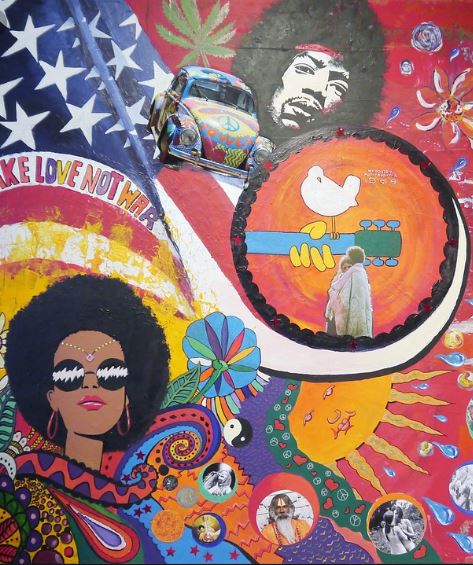 Although the boomers may not have contributed much to the social and cultural changes of the nineteen-sixties, many certainly consumed them, embraced them, and identified with them. Still, the peak year of the boom was 1957, when 4.3 million people were born, and those folks did not go to Woodstock. They were twelve years old. Neither did the rest of the 33.5 million people born between 1957 and 1964. They didn’t start even going to high school until 1971. When the youngest boomer graduated from high school, Ronald Reagan was President and the Vietnam War had been over for seven years.
 Boomers Daily