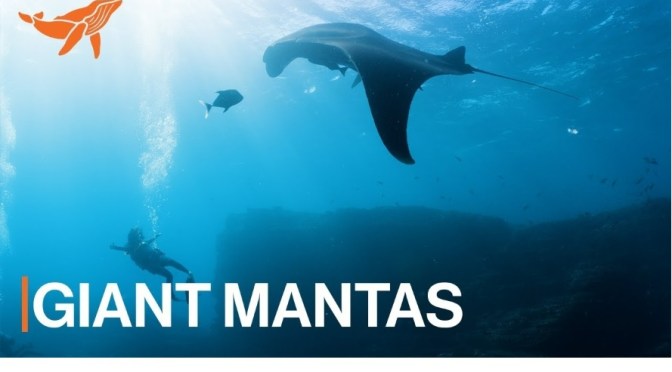
SeaLegacy (May 26, 2023) – Five years after its protection, Mexico’s Revillagigedo National Park bounds with a resurgence of life– welcoming back the region’s incredible native species, like the endangered giant manta ray. Co-founder Cristina Mittermeier and marine scientist Frida Lara explore what’s possible when we give aquatic life space to recover and thrive.
The pair greet a giant manta as an old friend, as it flips, flies, and glides through the water. The curious creature holds great symbolic significance and plays a vital ecological role within the ocean and all the marine life impacted by its sheer presence. The bounty and diversity of life Cristina captures within Revillagigedo National Park prove that protecting our marine ecosystems is the solution to saving our ocean.
Only brightened by the endangered giant manta’s presence, this region’s achievements act as a guiding light of hope for conservation worldwide.
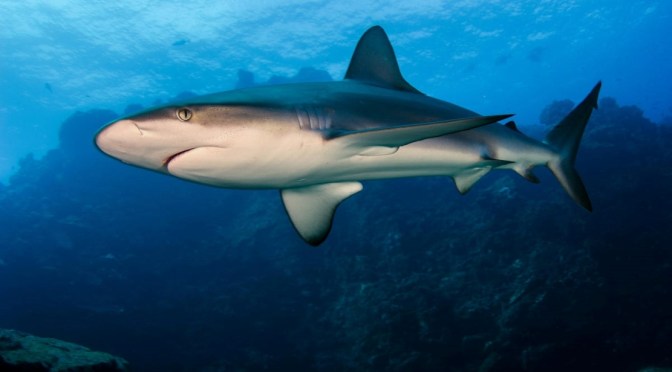
AirPano VR (Janaury 27, 2023) – With fossil records dating back 400 million years, sharks have outlived the dinosaurs and many other forms of life currently on earth. There are more than 1,000 species of sharks and rays, with new species discovered every year.
These majestic top predators that are so essential to the natural order of marine ecosystems now face their most severe threat from overfishing. Many species are threatened with extinction, with some families of rays such as sawfishes in peril. While sharks and rays have been an irreplaceable resource for coastal communities in the developing world for centuries, this unique balance is in danger of being lost forever.
With our oceans severely degraded, restoring sharks is key to improving the resilience of these water bodies to climate change. While sharks’ diverse range of species adds complexity to our conservation efforts, the dwindling numbers of these amazing creatures from overfishing and demand for their fins and meat increases the urgency of the task. Through our multi-pronged strategies, and guided by the Global Priorities for Conserving Sharks and Rays – A 2015-2025 Strategy, we strive to restore the balance between humans and sharks.
A 360° underwater view in the waters off Marsa Alam, Egypt.
Marsa Alam is a resort town on the Red Sea in Egypt. It’s renowned for its sandy beaches and coral reefs. The U-shaped Abu Dabab Bay is known for its sea turtles and dugongs (sea cows). Kite-surf site El Naaba Lagoon is separated from the open sea by a coral reef. Wadi el-Gemal National Park, south of the town, encompasses desert, seagrass beds, reefs and islands.
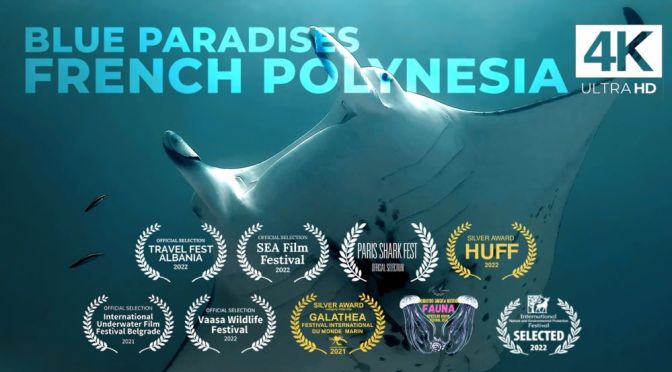
Bora Bora, Fakarava, Ranguiroa, Tahiti, Tikehau, Moorea, Maupiti…
Our Odyssey through these islands and atolls is one of the most spectacular diving expeditions we have had the chance to do. A crystal clear water (visbility can reach 45 meters), hundreds of different reef fish species, corals and pelagic, to sum up : an exceptional beauty both in terms of flora and fauna.
French Polynesia is known as the largest shark santuary in the world, probably the only place in the world where you can see 6 species of sharks in a single dive : Grey reef sharks, Tiger sharks, Black-tip sharks, White-tip sharks, Nurse sharks and Lemon sharks. Yes! In a single dive. The dives are mainly drifting because of the underwater topography of its passes, this is where the show begins, life is teeming: Hammerhead sharks, dolphins, school of barracuda, eagle rays, turtles, manta rays, marbled groupers, tuna, napoleons… We are not going to give you an exhaustive list, because there are around 800 species, I’ll let you imagine. We dived into the main passes:Tiputa, Tumakohua, Garuae, Avatoru,… But the one that offered us the most beautiful spectacle is undoubtedly Tetamanu, the southern pass of Fakarava. Imagine yourself in front of a wall of 700 sharks (We were there the third week of June). If you do not yet practice scuba diving, no worries, you can fully enjoy the beauties that French Polynesia has to offer by practicing snorkeling. In the stunning lagoon of Moorea, you can snorkel with stingrays, black tip sharks and colorful fishes.
If French Polynesia benefits from a unique underwater environment, magnificent coral reefs and amazing lagoons, it is also an earthly paradise, not only for its majestic scenery or its dream beaches but above all for the kindness of the Polynesians (Tahitians). So far we have mainly traveled to the Society Islands and the Tuamotus but we are planning to go in the Austral archipelago to swim with the Humpback whales. Exploring Polynesia is the adventure of a lifetime, because it is the size of Europe.
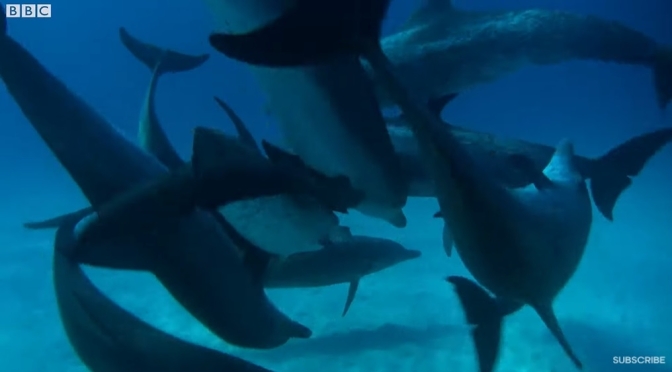
There is a darker side to dolphin communication… Watch as two gangs of male dolphins face off against each other, using synchronised clicks and jaw-clapping to intimidate the other gang.
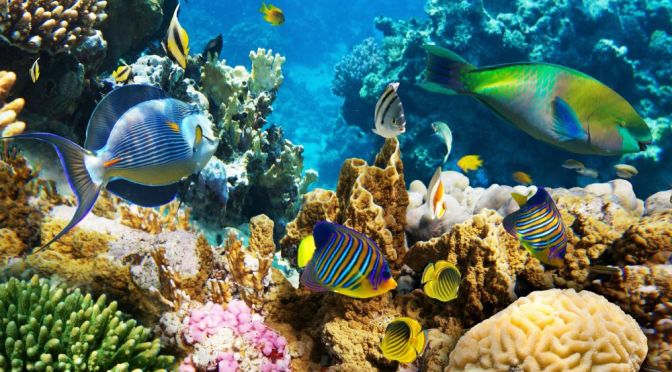
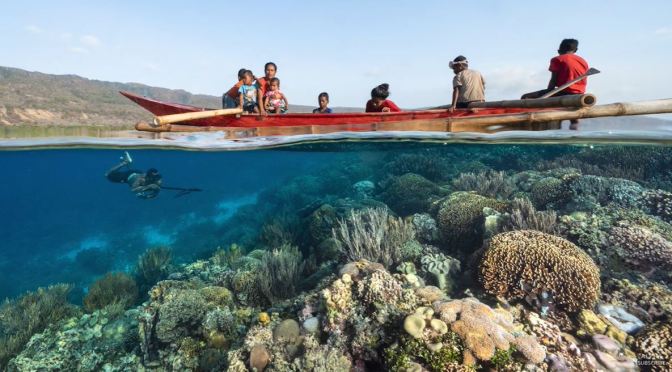
A coral reef is an underwater ecosystem characterized by reef-building corals. Reefs are formed of colonies of coral polyps held together by calcium carbonate. Most coral reefs are built from stony corals, whose polyps cluster in groups.
Go behind the scenes of SeaLegacy’s conservation journey, starting with an incredible Blue Whale photoshoot in the waters off of Timor-Leste. Photographers, filmmakers, conservationists and #SonyArtisan members Cristina Mittermeier, Paul Nicklen and Andy Mann share how impactful storytelling can make a positive impact on essential conservation efforts to protect our planet. Learn more about the conservation efforts in Timor-Leste: https://only.one/
Timor-Leste, or East Timor, a Southeast Asian nation occupying half the island of Timor, is ringed by coral reefs teeming with marine life. Landmarks in the capital, Dili, speak to the country’s struggles for independence from Portugal in 1975 and then Indonesia in 2002. The iconic 27m-tall Cristo Rei de Dili statue sits on a hilltop high over the city, with sweeping views of the surrounding bay.
What does it mean to be connected to our food? What is the balance between taking life and giving life?
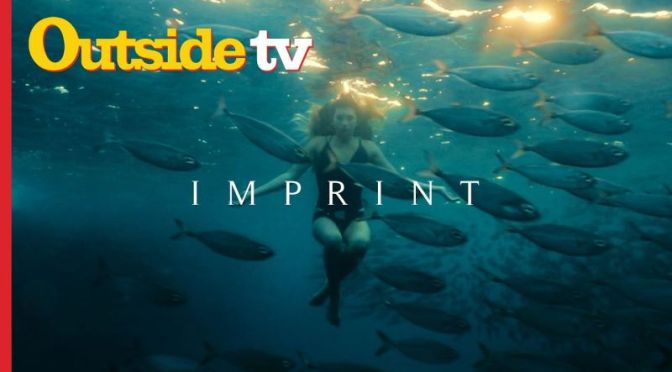
Based on the North Shore of O’ahu, IMPRINT is the story of two souls, whose lives have intertwined with the ocean. Shane Hamamoto, who has lost the ability to spearfish and dive, from barometric trauma now expresses his passion for the ocean through Gyotaku – the traditional art of Japanese fish printing.
Alicia Holland, a young spearfisher woman from the Big Island of Hawai’i, has taken her love for the ocean to support her family and as an outlet through nature. She recognizes that she is growing up in an age of abundance and grocery stores – the aching unnaturalness of modern amenities has had her resort back to the thrill of the hunt.
We follow her life as she navigates the taboos and rewards associated with spearfishing.


 Boomers Daily