
From a Spectator Life online article:
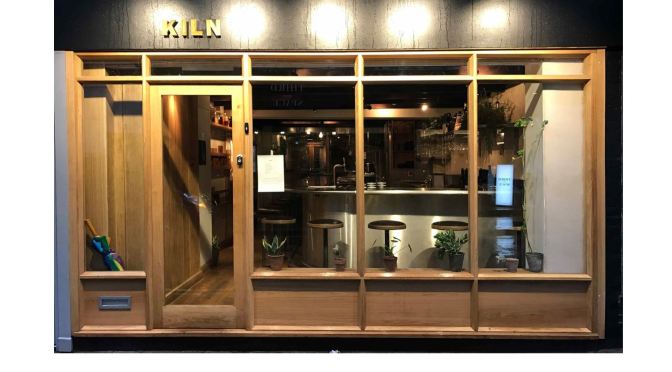
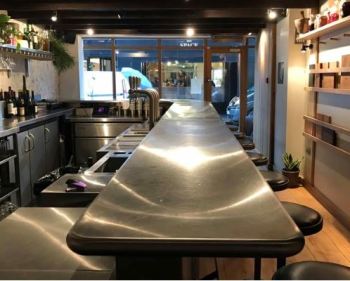 With just four tables, a few counter seats and no reservations, getting a spot at Kiln can be a challenge. But it is one that is absolutely worth the wait.
Chosen as the UK’s Best Restaurant in the 2018 National Restaurant Awards, this Soho hotspot specialises in a roadside barbeque style of Thai cooking. The kiln it is named after is the hulking stove which dominates the restaurant. On it sits countless rustic claypots from which wafts a tempting mix of palm sugar, sweet basil and hot charcoal.The 22 seats along the steel counter are the best in the house, as you can watch the chefs scrupulously chopping, flipping and searing ingredients – most of which have been picked or caught just a few hours before.

At less than £7, the baked glass noodles with Tamworth pork belly and brown crab meat is probably the best value dish in London.
To read more: https://life.spectator.co.uk/articles/the-five-best-thai-restaurants-in-london/

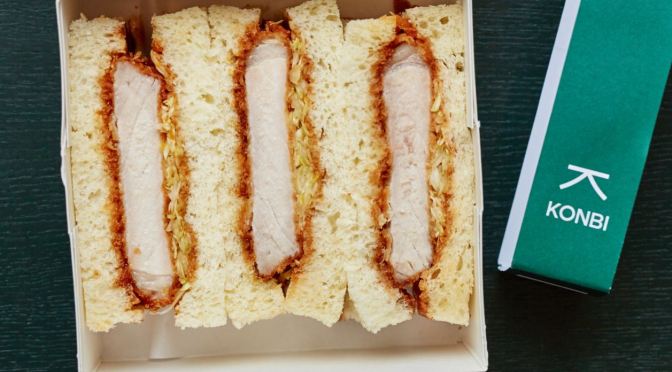
 …Nick Montgomery, who opened Konbi with Akira Akuto; both are alums of David Chang’s Momofuku restaurants in New York. American chefs talk about opening “odes” to little spots they stumbled upon in Tokyo, and while this 10-seat space is indeed Montgomery and Akuto’s ode to Japan’s
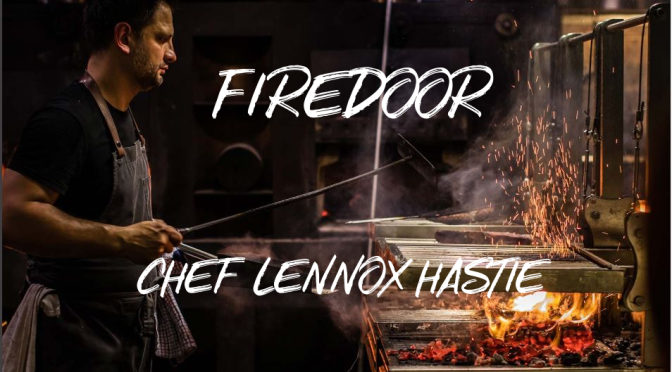
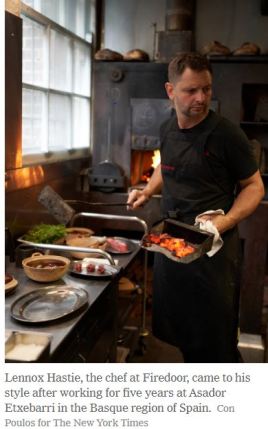 “Australian barbecue” is not, however, what Lennox Hastie, the chef at Firedoor, would use to describe his own cooking. Nor is it a term that’s been used much by anyone to describe any type of cooking. Here, the word “barbecue” is generally synonymous with the American term “cookout,” and, much like the cookout, it remains an integral part of Australia’s national identity.
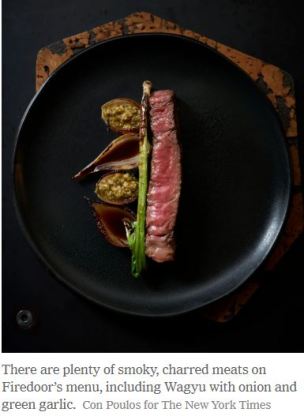 The kitchen is powered entirely by wood — there are no electric or gas ovens, burners or microwaves. Mr. Hastie came to this style after working five years at
 Joe’s Stone Crab in Miami Beach, Fla., is the top-grossing independent restaurant in the country, according to Restaurant Business’ annual ranking of the Top 100 Independents. In its first time in the top spot, the restaurant brought in more than $38 million in 2018.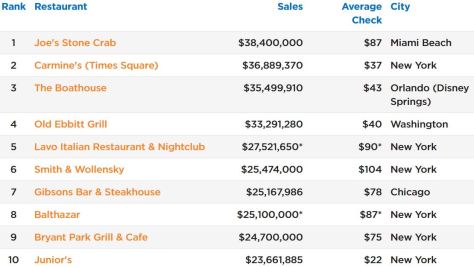
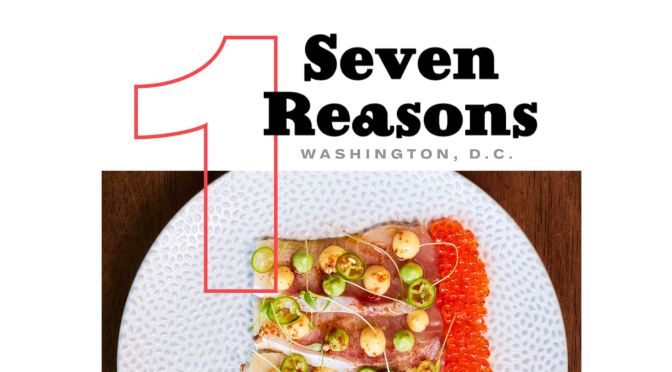
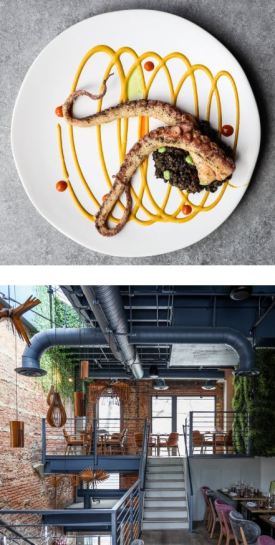 …the Latin American food and cocktails at Seven Reasons—a mountain of black rice topped with prawns and pork cheeks, a salad in which the summery tang of tomatoes has been concentrated into cubes of jelly, a platter of hamachi tiradito whose pink and green splashes of salmon roe and jalapeño could hang in an art gallery—serve up jubilation as a remedy for pain and color as a cure for the blues. Is there almost too much packed into each bite? No one’s complaining. More-is-more extravagance is what makes Seven Reasons a fiesta you never want to stop.
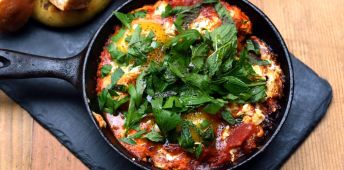 The tantalizing combination of brown butter and fried sage may have its origin in Italy, but it turns out to work just as well with pita as it does with pasta. At Miss Ada, a restaurant in Fort Greene, it gets spooned, nutty and fragrant, over a sweet but earthy carrot hummus, and again over a bowl of fluffy whipped ricotta. The pita—warm, puffy, chewy—goes perfectly, too, with a rich, stretchy stracciatella cheese, its milky surface marbled with little golden ponds of olive oil and topped with, depending on the season, heirloom tomatoes, basil, cucumbers, and red onion, or snap peas, blood orange, ground-cherries, and kumquat.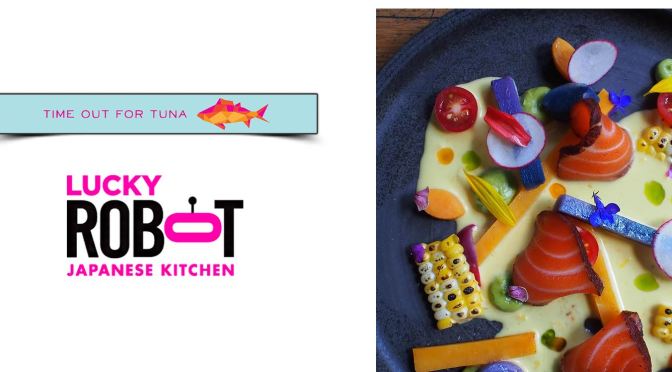
 Chef de cuisine Julio-Cesar Florez, a native of Lima, served as chef de cuisine of the now-defunct Peruvian-themed Isla and has been the sous chef at Lucky Robot since mid-2017, where he began adding subtle Peruvian touches to Huang’s playful Japanese cuisine. Seeing the success of these special menu items, the two decided to take the 6-year old restaurant in this new direction.

 Boomers Daily