The Wall Street Journal (December 14, 2023) – As autonomous driving technology becomes more mainstream, automakers like Waymo and Geely are beginning to make crucial decisions about what their next generation of vehicles will look like.
Video timeline:0:00 The future of the car 0:51 Car seats and safety 3:51 Wheel and trust 5:11 Screens and sickness 7:15 Trusting autonomous cars
So could future driverless cars have no steering wheels? And what could the touchscreen dashboards look like? WSJ’s George Downs explores how the car could evolve when you don’t need to be behind the wheel. #Autonomous#Cars#WSJ
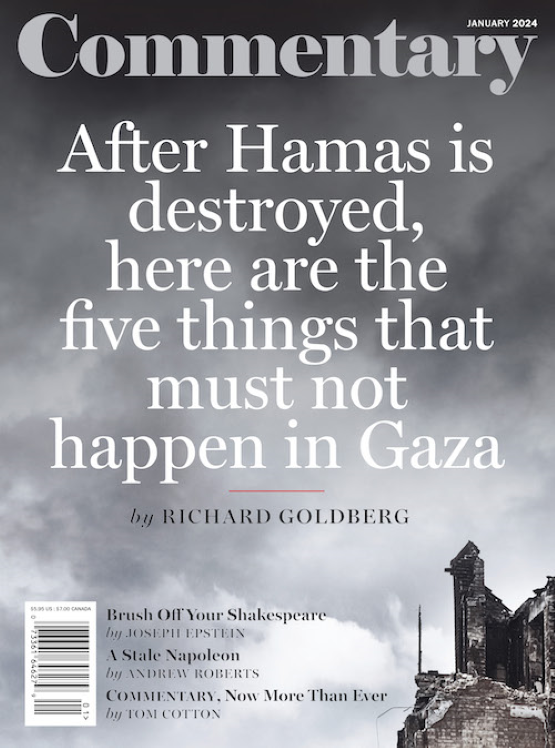
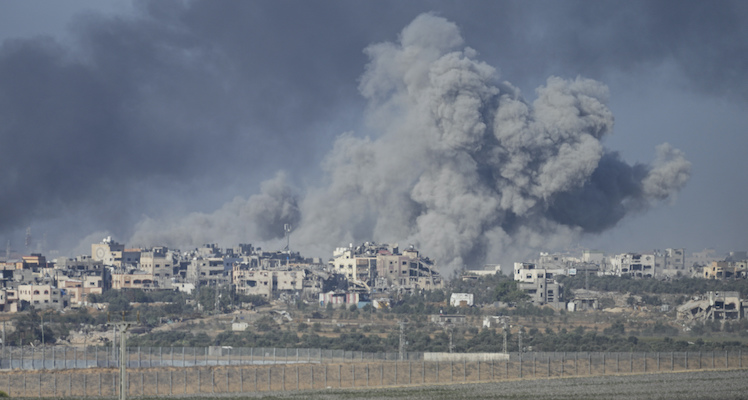
Israel is resolved to remove Hamas and its terrorist infrastructure from the Gaza Strip permanently, and for much of the world, its determination raises one question more than any other: What comes next in Gaza? For those who disapprove of Israel’s actions in the war or those who either passively or actively support the role of Hamas as the Strip’s governing authority, the lack of answers provides a pretext not only to demand a permanent cease-fire but to suggest (often quietly and with a furrowed brow indicating supposed realpolitik wisdom) that the path Israel seems to be making for itself is a dead end from which it needs to be saved.
In his new book, The Conservative Futurist: How to Create the Sci-Fi World We Were Promised,American Enterprise Institute scholar James Pethokoukis writes about the go-go years of the 1960s: Saturn V rockets were blasting to the moon, atomic power promised to make electricity “too cheap to meter,” and sci-fi TV shows like Star Trek depicted new marvels right around the corner.
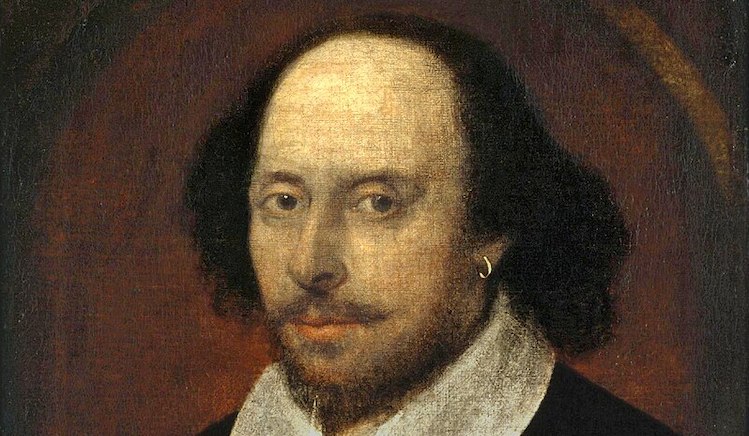
“Joseph,” my friend Edward Shils said to me, “we have spoken about many things, among them about various writers, but we are both too civilized ever to talk about Shakespeare. After all, what could one say?” Yes, what can one say? Over a long writing career, I have never written about Shakespeare, and, best I can recall, among the many millions of words I have produced, have never even quoted him. Truth is, I have long admired Shakespeare without being especially nuts about him.
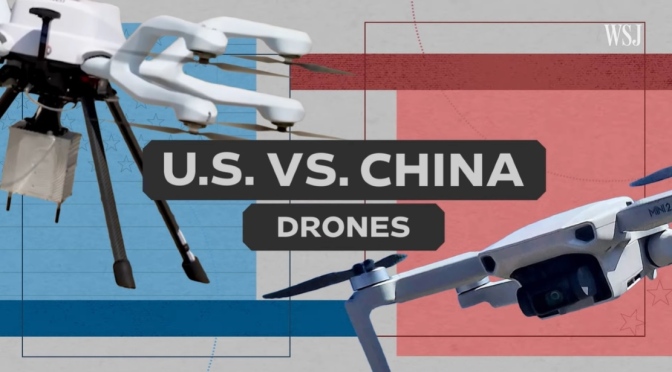
Wall Street Journal (December 6, 2023) – To help counter China, the U.S. military is racing to develop a fleet of next-generation drones. For the Pentagon, it’s not just a matter of gaining the technological edge.
Video timeline: 0:00 Autonomous systems 0:40 The need for next-generation drones 1:49 Scaling up 4:07 Keeping up with China
It’s a race against the clock, as Beijing has militarized islands in the South China Sea, and President Xi Jinping has ordered his military to be ready to invade Taiwan by 2027. Some experts are skeptical the U.S. military can work fast enough to meet its goals.
New Scientist (December 5, 2023) – Stonehenge was built between 3000 and 2000 BC and is one of the world’s most famous prehistoric monuments. Each year, the site attracts thousands of visitors during the summer and winter solstices.
Whether used for ceremonial, astronomical or spiritual events, Stonehenge remains a subject of intrigue. Now, using the latest scientific technologies such as radiocarbon dating and 3D laser scanning, archaeologists are understanding how this colossal stone circle was built and what its purpose was, as well as gaining new insight into how our Stone Age human ancestors lived.
New studies even suggest some of the stones could align with the moon during rare lunar events.
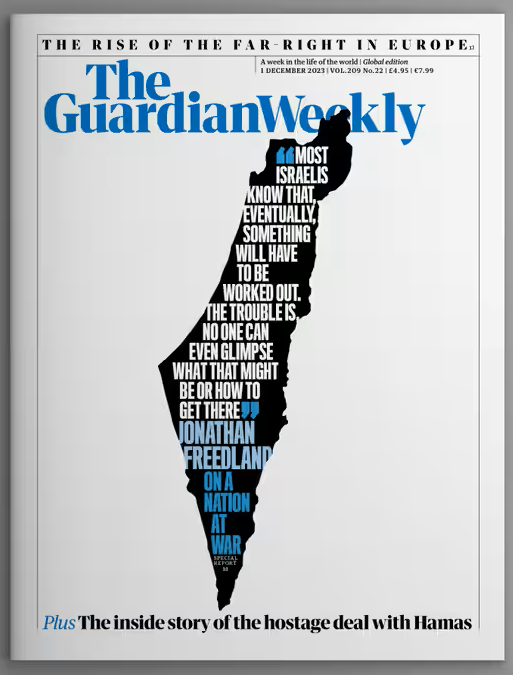
The Guardian Weekly (November 29, 2023) – The new issue features the ceasefire between Israel and Hamas may have been weeks in the making– as detailed this week by Julian Borger and Ruth Michaelson – and led to the release of dozens of hostages on either side, but behind the scenes there was little expectation that it would lead to a longer-term pause in hostilities.
In a special report, almost two months after the deadliest attack on Israel in its 75-year history and as the world focuses on its retaliatory bombardment of Gaza that has seen around 14,000 people killed, Jonathan Freedland finds a country still convulsed with rage and sorrow, unable to see the pain of its Palestinian neighbours as it faces an uncertain future. As one senior Israeli military figure remarked: “It’s not yet post-traumatic stress disorder. We’re still in it.”
The far-right politician Geert Wilders stunned onlookersby finishing well ahead of the field in the Dutch election last week. But race riots in Ireland, a country previously thought immune to such extremism, were equally shocking. Rory Carroll, Lisa O’Carroll and Jon Henley report on contrasting manifestations of the rise of the far right across Europe.
0:15 Kiel is Germany’s first zero-waste city –Kiel has put 107 waste-reducing measures in place. They include practical changes, such as ‘pay-to-throw’, a scheme in which households pay a fee for the amount of landfill waste they generate. Other measures include recycling collection ‘islands’ around the city, discounts for shoppers who bring their own containers and banning disposable products at all city events.
1:33 Gender balanced companies outperform others – According to a BlackRock study of 1,250 of the world’s biggest companies. Over the past decade, the companies with the most equal gender balance achieved a 7.7% average annual return on assets (RoA). Those with the highest share of men delivered a 5.6% RoA, while those with the highest share of women returned a 6.1% RoA. The study concluded it was ‘diversity that counts’ rather than the dominance of a single gender.
3:08 US wants to convert empty offices into homes – The government will offer funding and technical support to help cities turn unused workspaces into affordable apartments. US office vacancy rates have hit a 30-year peak as more staff clock in to work remotely. Meanwhile, rents in the country remain at historic highs after a surge during the pandemic converting offices to apartments can be challenging.
4:48 Rwanda and Kenya open borders to other Africans – Rwanda and Kenya have made significant strides in promoting African unity by opening their borders to other Africans, enabling visa-free travel for all citizens of the continent. This move positions Rwanda as the fourth African nation to remove such restrictions, following Benin, The Gambia, and Seychelles. Kenya is set to join them on December 31, 2023.
_____________________________________________
The World Economic Forum is the International Organization for Public-Private Cooperation. The Forum engages the foremost political, business, cultural and other leaders of society to shape global, regional and industry agendas. We believe that progress happens by bringing together people from all walks of life who have the drive and the influence to make positive change.
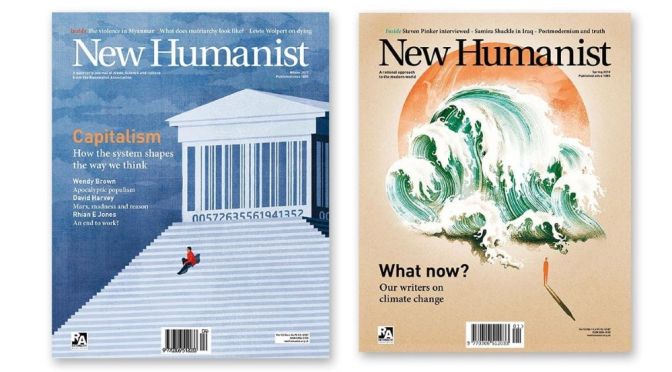
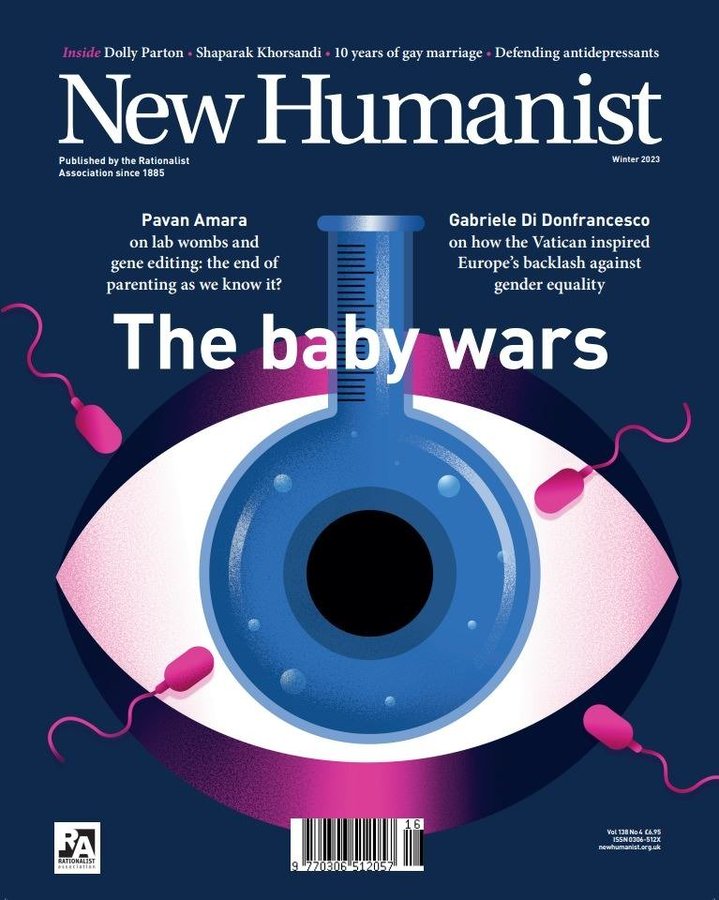
NEW HUMANIST MAGAZINE – WINTER 2023 ISSUE: The new issue features Pavan Amara on the new technologies revolutionising reproduction, Gabriele Di Donfrancesco on Europe’s battle over “family values” and Rachael Lennon on a decade of same-sex marriage, and a new column from Shaparak Khorsandi…
TEDx Talks (November 9, 2023) – Competition is a core part of human nature, and it can drive us to extraordinary feats. But when it goes wrong, the results can be devastating.
Poker champion and science communicator Liv Boeree introduces us to the dark force of game theory driving many of humanity’s biggest social problems — a force that’s now threatening to derail the AI industry.
Olivia “Liv” Boeree is a British science communicator, television presenter and former professional poker player. She is a World Series of Poker and European Poker Tour champion, and is the only female player in history to win both a WSOP bracelet and an EPT event.
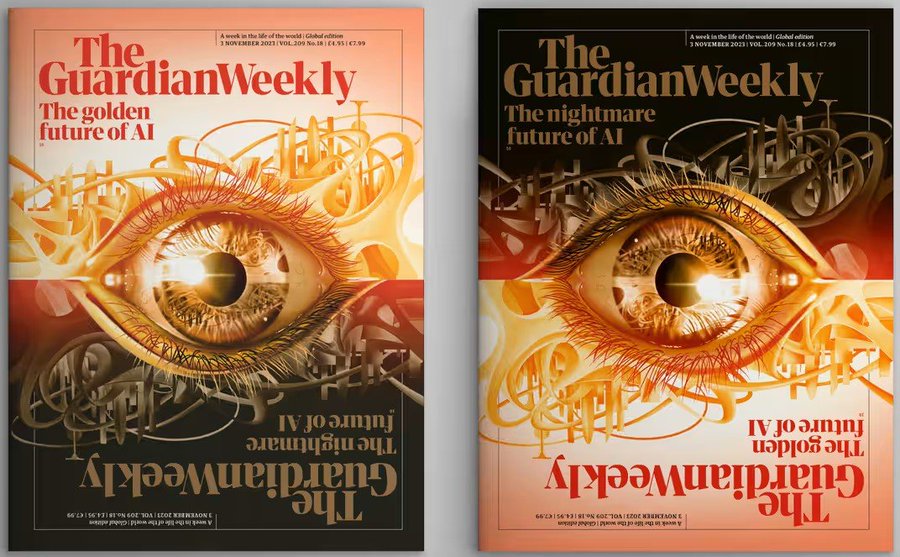
The Guardian Weekly (November 3, 2023) – The new issue features Bletchley Park, the main center of allied second world war codebreakers,and it’s no coincidence that the English country house was chosen as the venue for this week’s landmark summit on safety in artificial intelligence. The age of AI brings opportunities but also significant risks, as a number of experts in the field outlined in an open letter last week.
Global technology editor Dan Milmo discusses the pros and cons with one of the technology’s leading thinkers, Demis Hassabis, the CEO of Google DeepMind, who says the rise of AI must be thought of as seriously as the climate crisis. Then, Observer columnist Sonia Sodha argues that calling for AI to be reined in is not simply a sign of luddism.
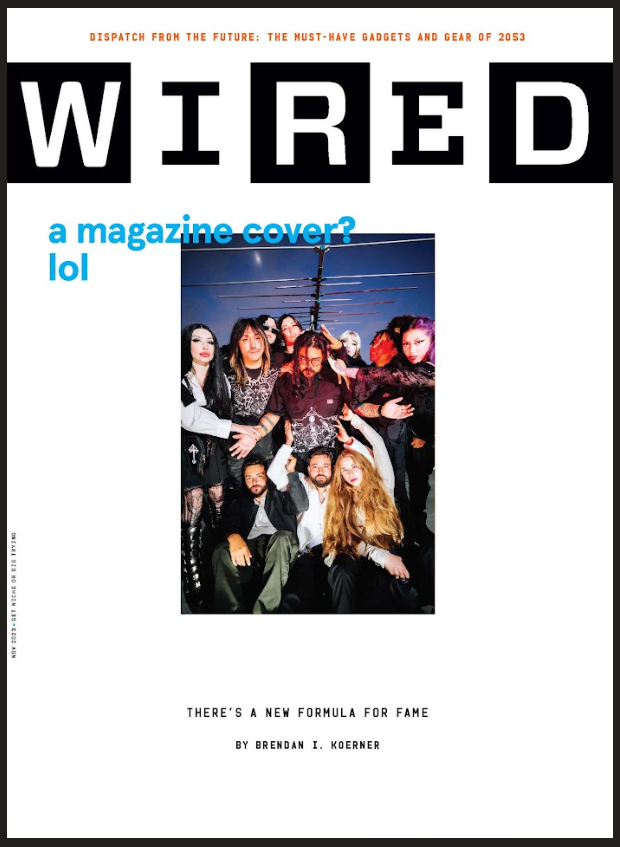
WIRED MAGAZINE (October 31, 2023) – The latest issue features understanding Tik Tok and talent manager Ursus Magana; How Telegram Became a Terrifying Weapon in the Israel-Hamas War; Here’s the Truth Behind the Biggest (and Dumbest) Battery Myths, and more…
The creator economy is fragmented and chaotic. Talent manager Ursus Magana can (almost) make sense of it, with a frenetic formula for gaming the algorithms.
Hamas posted gruesome images and videos that were designed to go viral. Sources argue that Telegram’s lax moderation ensured they were seen around the world.
At around 8 am local time the morning of October 7, Haaretz’s cyber and disinformation reporter, Omer Benjakob, was woken by his wife at their home in the historic port city of Jaffa. Something was happening in southern Israel, she said, but Benjakob shrugged it off, presuming “another round of the same shit.” Flare-ups between the Israel Defense Forces (IDF) and militants in southern Israel are not uncommon. “No, no,” Benjakob’s wife insisted. “It’s more serious.”
Yes, charging your phone overnight is bad for its battery. And no, you don’t need to turn off your device to give the battery a break. Here’s why.
For an object that barely ever leaves our palms, the smartphone can sometimes feel like an arcane piece of wizardry. And nowhere is this more pronounced than when it comes to the fickle battery, which will drop 20 percent charge quicker than you can toggle Bluetooth off, and give up the ghost entirely after a couple of years of charging.
News, Views and Reviews For The Intellectually Curious


















 Boomers Daily