Tag Archives: Sleep

Health Studies: Immune System Cells Rewire And Repair During Sleep

From a Sleep Review Magazine online release:
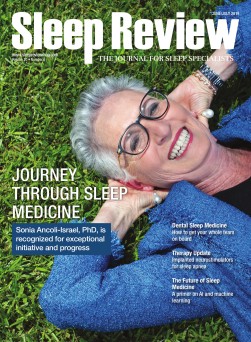
Sleep Review June July 2019The current study points to the role of norepinephrine, a neurotransmitter that signals arousal and stress in the central nervous system. This chemical is present in low levels in the brain while we sleep, but when production ramps up it arouses our nerve cells, causing us to wake up and become alert. The study showed that norepinephrine also acts on a specific receptor, the beta2 adrenergic receptor, which is expressed at high levels in microglia. When this chemical is present in the brain, the microglia slip into a sort of hibernation.

New research shows that immune cells called microglia—which play an important role in reorganizing the connections between nerve cells, fighting infections, and repairing damage—are primarily active during sleep.

The findings, which were conducted in mice and appear in the journal Nature Neuroscience, have implications for brain plasticity, diseases like autism spectrum disorders, schizophrenia, and dementia, which arise when the brain’s networks are not maintained properly, and the ability of the brain to fight off infection and repair the damage following a stroke or other traumatic injury.

To read more: http://www.sleepreviewmag.com/2019/10/during-sleep-immune-cells-rewire/?ref=cl-title

Health Podcasts: Stable Blood Sugar Can Lower Alzheimer’s Risk (NPR)

NPR Health News“The risk for dementia is elevated about twofold in people who have diabetes or metabolic syndrome (a group of risk factors that often precedes diabetes),” Holtzman says. 

…poor sleep is a known risk factor for Alzheimer’s. So maintaining normal blood sugar levels in Alzheimer’s patients could improve their sleep and might even slow down the disease, she says.

Health Studies: Better Diets Reduce Side Effects Of Sleep Deprivation

From a Stanford Medicine online release:

American Journal of Lifestyle MedicineIn a study published online Sept. 10 in the American Journal of Lifestyle Medicine, Hamidi, along with other Stanford researchers, examined survey results on sleep and nutrition from 245 Stanford physicians and found that a better diet is associated with reduced side effects of sleep deprivation. 

Physicians face significant barriers to eating well at work due to long hours, a heavy workload and limited access to healthy meals, snacks and drinks. The findings of this study suggest that by providing healthy options at work, employers could help reduce the brain fogginess, difficulty concentrating and irritability caused by poor sleep among health care providers. And, as a result, help improve patient care.

“Potential mechanisms for the effect of diet on cognitive performance include regulation of hormones, neurotransmitters, and blood flow as well as reduction of oxidative stress and inflammation. The effects of diet on sleep quality have been attributed to the role of dietary factors in regulation of peripheral circadian clocks and to the synthesis of hormones and neurotransmitters that are involved in sleep regulation.”

To read more: http://med.stanford.edu/news/all-news/2019/10/to-fight-effects-of-sleep-deprivation–reach-for-healthy-snacks-.html

Health Studies: Short Sleep Duration And Sleep Disorders Have Adverse Effects On Heart Health

From a Circulation online release:

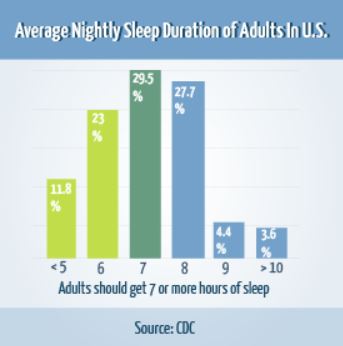
Average hours of nightly sleep…these results indicate that sleep may play an important role in health disparities and may represent a modifiable risk factor (along with diet and physical activity) for cardiometabolic risk in general and cardiometabolic health disparities specifically.
Statement Summary

Our review of the epidemiological data on the impact of sleep duration and disorders on cardiovascular health suggests the following:

  1. Both short- and long-duration sleep and sleep disorders such as SDB and insomnia are associated with adverse cardiometabolic risk profiles and outcomes.

  2. Sleep restriction has a negative impact on energy balance, but it is less clear whether treating sleep disorders has a positive impact on obesity risk.

  3. Treating those with sleep disorders may provide clinical benefits, particularly for blood pressure.

Sleep is increasingly recognized as an important lifestyle contributor to health. However, this has not always been the case, and an increasing number of Americans choose to curtail sleep in favor of other social, leisure, or work-related activities. This has resulted in a decline in average sleep duration over time. Sleep duration, mostly short sleep, and sleep disorders have emerged as being related to adverse cardiometabolic risk, including obesity, hypertension, type 2 diabetes mellitus, and cardiovascular disease.

To read more click on the following link: https://www.ahajournals.org/doi/10.1161/CIR.0000000000000444

Sleep Studies: Hot Bath Or Shower (104 Degrees), 1-2 Hours Before Bedtime Improves Duration And Quality Of Sleep

From Sleep Medicine Review, August 2019:

Sleep Medicine ReviewsPBHWB of 40–42.5 °C was associated with both improved self-rated sleep quality and SE, and when scheduled 1–2 h before bedtime for little as 10 min significant shortening of SOL. These findings are consistent with the mechanism of PBHWB effects being the extent of core body temperature decline achieved by increased blood perfusion to the palms and soles that augments the distal-to-proximal skin temperature gradient to enhance body heat dissipation

To read more click the following link: https://www.sciencedirect.com/science/article/abs/pii/S1087079218301552?via%3Dihub

The following is from “Health News from NPR”:

In their research review, Haghayegh and his colleagues examined results from 17 studies that met criteria for their analysis, i.e. studies that looked at using warm water exposures of various types to aid sleep onset and quality. Some involved body baths, some involved footbaths and one involved a shower. Thirteen of the studies had the full amount of data needed for a quantitative review.

Based on scientists’ review of these studies, a bath or shower of about 104 degrees Fahrenheit before bedtime that lasted for as little as 10 minutes was significantly associated with improved sleep quality, and increased the overall amount of time slept. In at least a couple of studies, taking a bath one or two hours before bedtime decreased the average amount of time it took the study participants to fall asleep — by about nine minutes.

To read more click on following link: https://www.npr.org/sections/health-shots/2019/07/25/745010965/a-warm-bedtime-bath-can-help-you-cool-down-and-sleep-better?utm_source=npr_newsletter&utm_medium=email&utm_content=20190728&utm_campaign=health&utm_term=npr%20news&utm_id=46633831

Boomers Healthy Sleep: Listen To Stephen Fry Read ‘Blue Gold’ About Southern France (Calm)

Stephen Fry is a national treasure in Britain, an Emmy winner, and the narrator of all 7 Harry Potter books.

About Sleep Stories: Calm created a natural sleep aid, in the form of bedtime stories for grown-ups called Sleep Stories.

Visit the “Calm” website for more information:

https://www.calm.com/narrators/41FcQWqIX/stephen-fry

Journal Of Obesity Study Finds Short Duration And High Variability Of Sleep Undermines Weight Loss

“Prospective analysis of 1986 community-dwelling subjects (mean age 65 years, 47% females) with overweight/obesity and metabolic syndrome from the PREDIMED-Plus trial was conducted…

Our findings suggest that the less variability in sleep duration or an adequate sleep duration the greater the success of the lifestyle interventions in adiposity.”

International Journal of Obesity

Click on Journal of Obesity to read article.