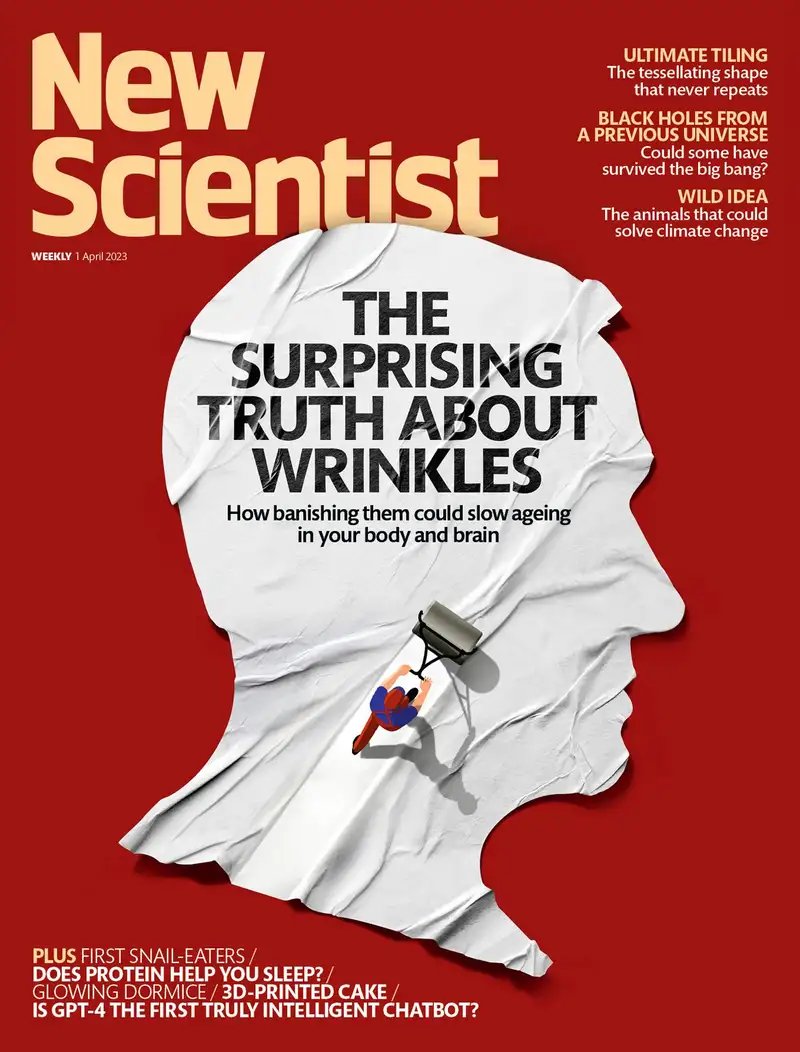
Psychotherapy has never been more available and yet, with so many options, it can be hard to know where to start. Thankfully, researchers are getting to grips with what really works and why
Our understanding of how the brain and immune system interact has changed substantially over the past years and decades. Initially, the brain was thought to be immune privileged and isolated from the rest of the body.
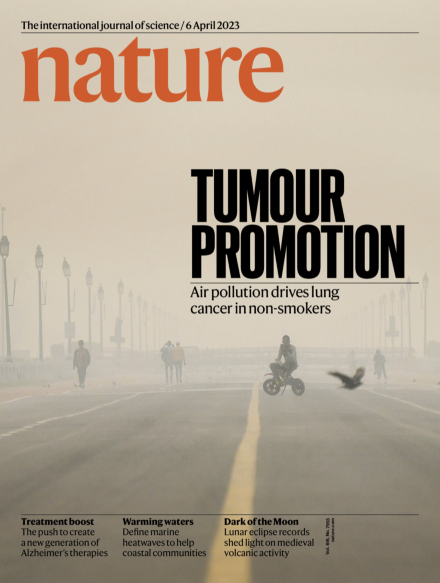
nature Magazine – April 6, 2023 issue: In 1947, Isaac Berenblum proposed that the development of cancer was a two-stage process: the first step introduces mutations into healthy cells, the second then promotes tumour growth through tissue inflammation. In this week’s issue, Charles Swanton and his colleagues investigate the role of particulate matter in prompting the development of non-small-cell lung cancers and find that cancer initiation in response to pollution conforms to Berenblum’s model.
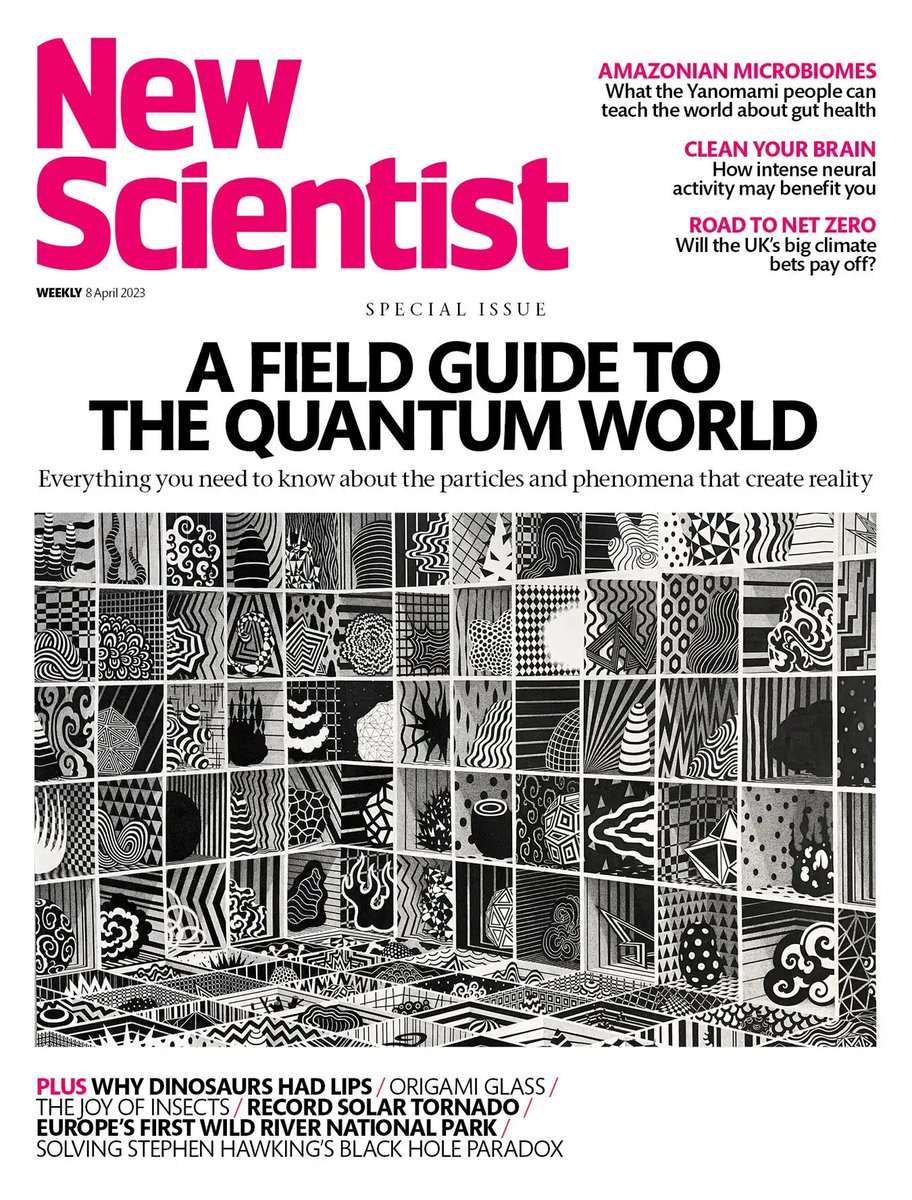
Quantum theory, and the world of subatomic particles and forces it describes, has a daunting reputation for strangeness. And yet, with the right guidance, anyone can enjoy its many wonders
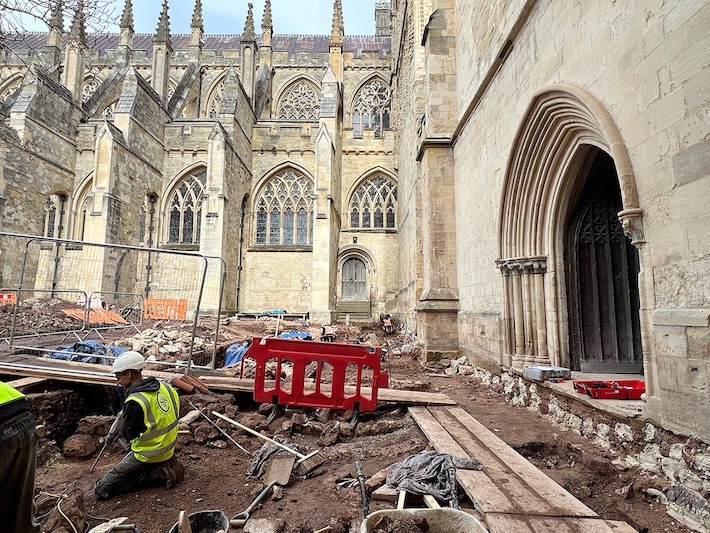
(BBC News reports that traces of a Roman street and timber buildings were uncovered in southwest England at the site of the cloister garden at Exeter Cathedral during an investigation ahead of the construction of a new cloister gallery.
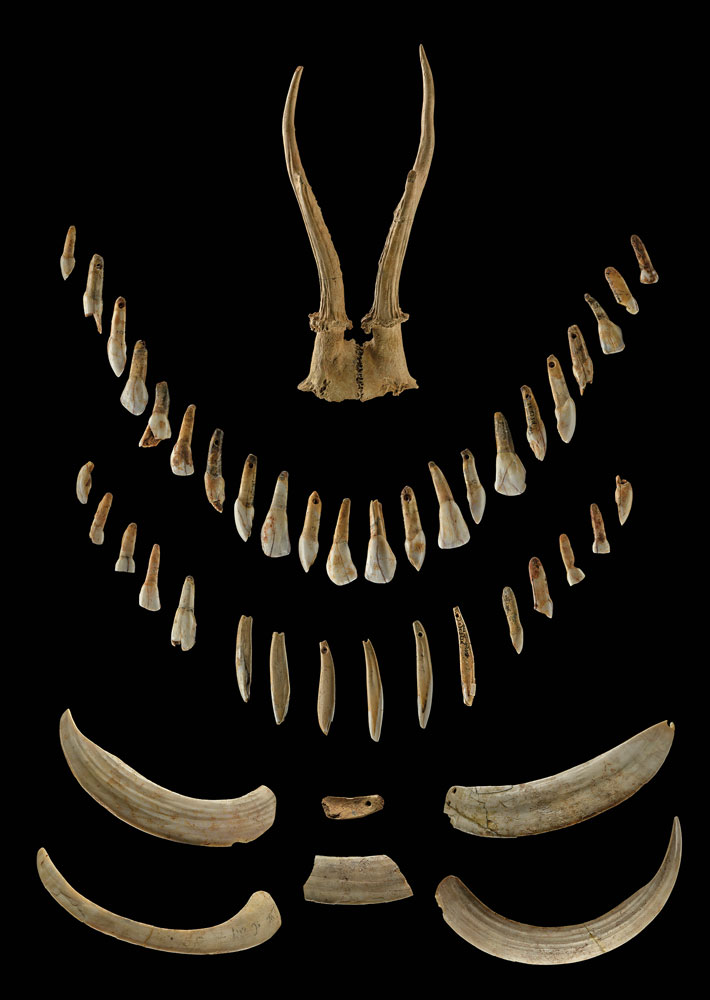
An impressive selection of grave goods including roe deer antlers (top) that could have been worn as a headdress and boars’ teeth (middle) and tusks (above) with holes drilled in them enabling them to be suspended from an animal skin were found in a 9,000-year-old shaman’s burial.
Bad Dürrenberg is a modest spa town in eastern Germany, perched on a bluff overlooking the Saale River. On a Friday afternoon in 1934, workers were laying pipe to supply the spa’s fountain with water when they came across red-tinted earth.
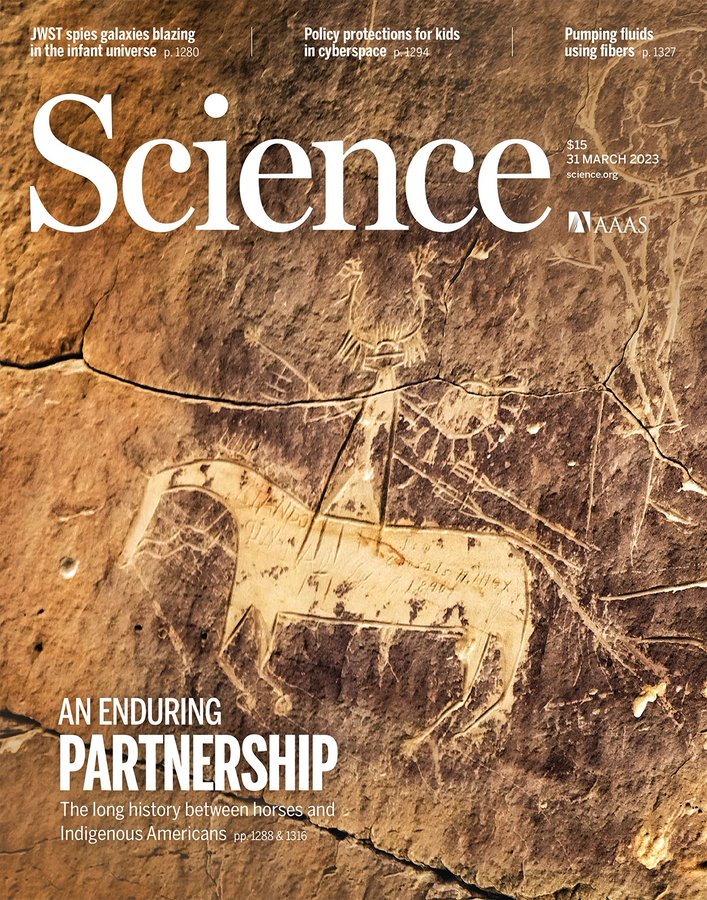
Science Magazine – March 31, 2023 issue: A new analysis shows that Great Plains tribes acquired horses much earlier than some historians had thought, consistent with Indigenous descriptions of a long and enduring partnership with the horse. This petroglyph, from the Tolar site in southern Wyoming, probably dates from soon after the modern horse became widespread in North America in the early 17th century.
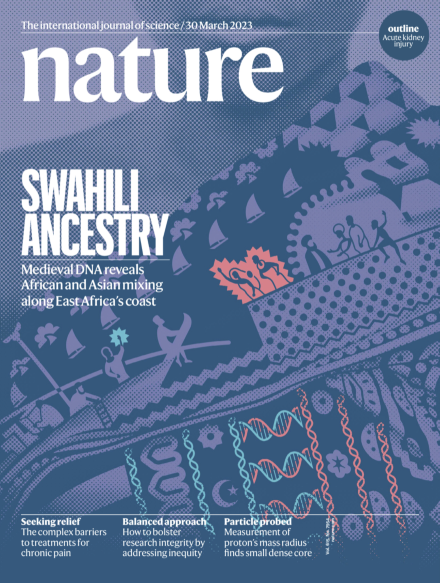
nature Magazine – March 30, 2023 issue: Medieval people on the Swahili coast of East Africa were among the first sub-Saharan people to practise Islam. David Reich, Chapurukha Kusimba and colleagues sequenced DNA from 80 individuals buried in six medieval and early modern coastal Swahili stone towns, dating between 1250 and 1800. Their analysis shows that African women and Asian men began mixing along the East African coast before the year 1000, and that the earliest Asian migrants were of largely Persian origin.
The number of people under 50 with cancer is increasing in many countries and for many different tumour types. Why this is occurring isn’t entirely clear, but it may be due to some aspects of modern life
BBC News (March 26, 2023) – In the 1700s, geologist James Hutton discovered a rock formation in Scotland that transformed how we think about time. Through studying the rocky headland of Siccar Point, Hutton identified the existence of ‘deep time’ – proving that Earth is millions, not thousands, of years old.
James Hutton (1726–1797), a Scottish farmer and naturalist, is known as the founder of modern geology. He was a great observer of the world around him. More importantly, he made carefully reasoned geological arguments. Hutton came to believe that the Earth was perpetually being formed; for example, molten material is forced up into mountains, eroded, and then eroded sediments are washed away.
He recognized that the history of the Earth could be determined by understanding how processes such as erosion and sedimentation work in the present day. His ideas and approach to studying the Earth established geology as a proper science.
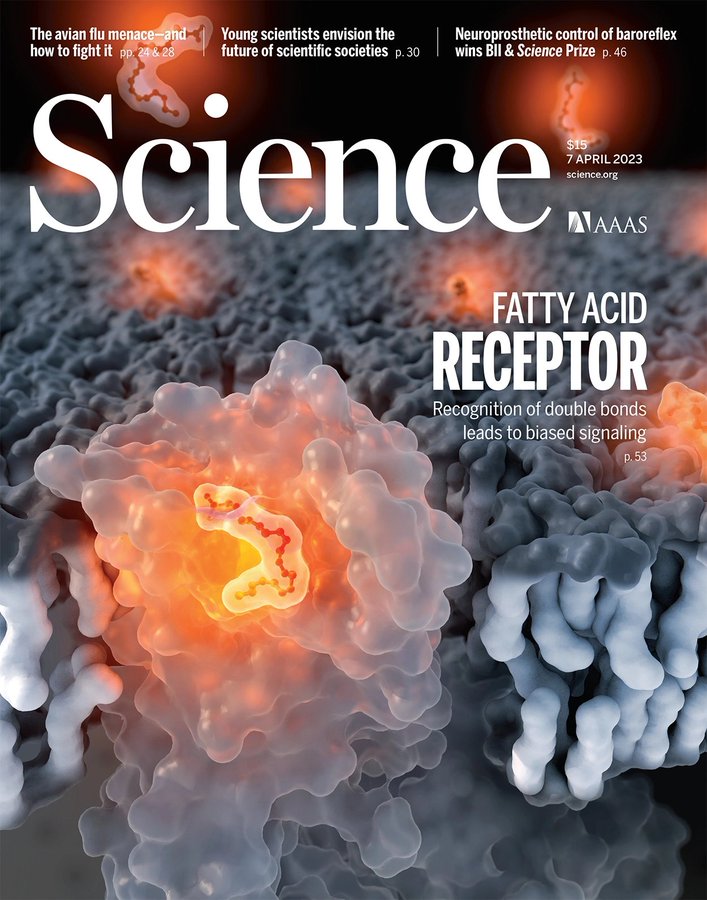
Science Magazine – March 24, 2023 issue: This color-enhanced scanning electron microscopy image shows Ti2CCl2 MXenes grown by chemical vapor deposition. The two-dimensional layers of this material grew perpendicular to the substrate and then folded into microspherical structures. Ion intercalation between two-dimensional MXene sheets has potential for energy storage and other applications.
Workers disinfected Wuhan’s Huanan Seafood Wholesale Market in March 2020, but not before a Chinese research team collected samples there that would reveal the presence of SARS-CoV-2–susceptible mammals.
Virology database cuts off—and then reinstates—scientists who found and analyzed data collected 3 years ago by team in China
If Zhamanshin crater in Kazakhstan is 30 kilometers wide (red ring) instead of 13 kilometers (black ring), as a new study suggests, the impact that made it would have been far more fierce.
“It would be in the range of serious crap happening.”
At a basic level, humanity’s survival odds come down to one thing: the chances of a giant space rock slamming into the planet and sending us the way of the dinosaurs. One way to calibrate that hazard is to look at the size of Earth’s recent large impact craters.
News, Views and Reviews For The Intellectually Curious