Tag Archives: Science

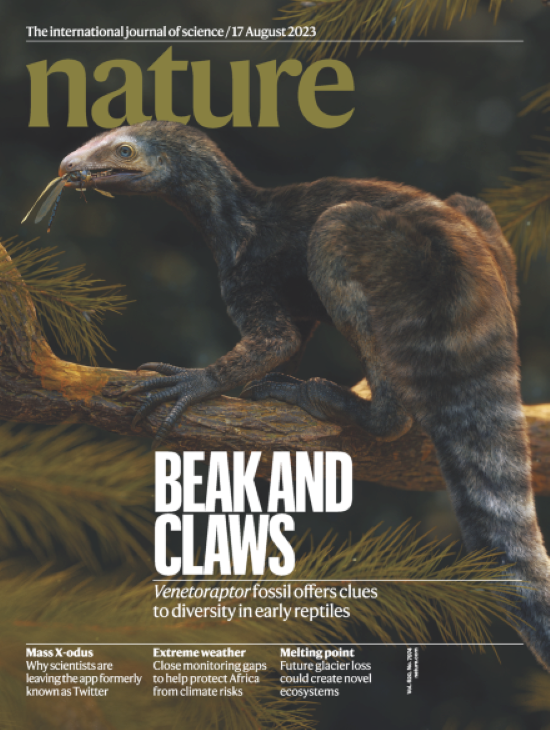
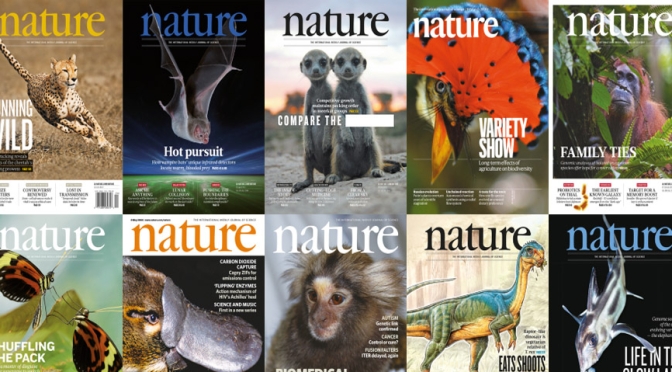
Research Preview: Nature Magazine – August 10, 2023

Volume 620 Issue 7973

nature Magazine – August 10, 2023 issue: Algorithm designs 3D shapes to follow specific pathways; Why Indigenous youth need a voice in the climate debate; DNA leaks linked to inflammageing in the brains of mice; JWST spots what could be a quasar from the early Universe….

JWST spots what could be a quasar from the early Universe

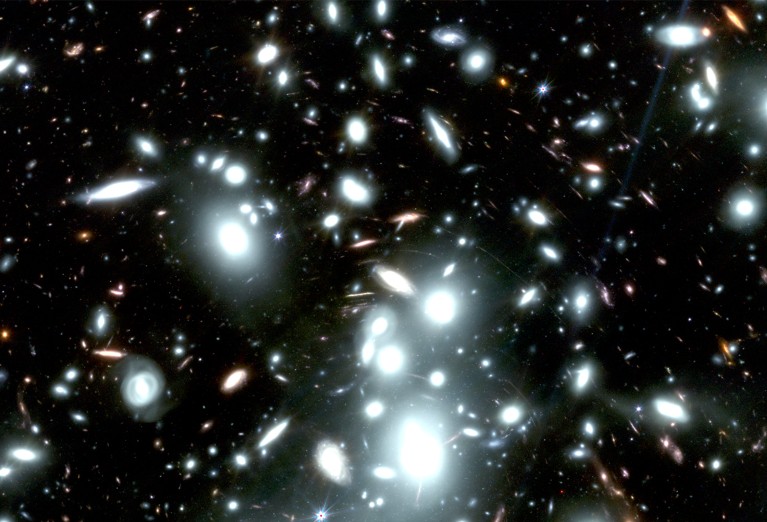
Composite-colour image of the central core of a massive galaxy cluster.

The object’s deep red colour suggests it existed when the Universe was less than 700 million years old.

The James Webb Space Telescope (JWST) has seen what is probably a quasar from the early Universe1.

ChatGPT-like AIs are coming to major science search engines

The Scopus, Dimensions and Web of Science databases are introducing conversational AI search.

A hand holds a phone displaying the OpenAI website ChatGPT.

The conversational AI-powered chatbots that have come to Internet search engines, such as Google’s Bard and Microsoft’s Bing, look increasingly set to change scientific search, too. On 1 August, Dutch publishing giant Elsevier released a ChatGPT-like artificial-intelligence (AI) interface for some users of its Scopus database, and British firm Digital Science announced a closed trial of an AI large language model (LLM) assistant for its Dimensions database. Meanwhile, US firm Clarivate says it’s working on bringing LLMs to its Web of Science database.

Preview: Archaeology Magazine – Sept/Oct 2023

Image

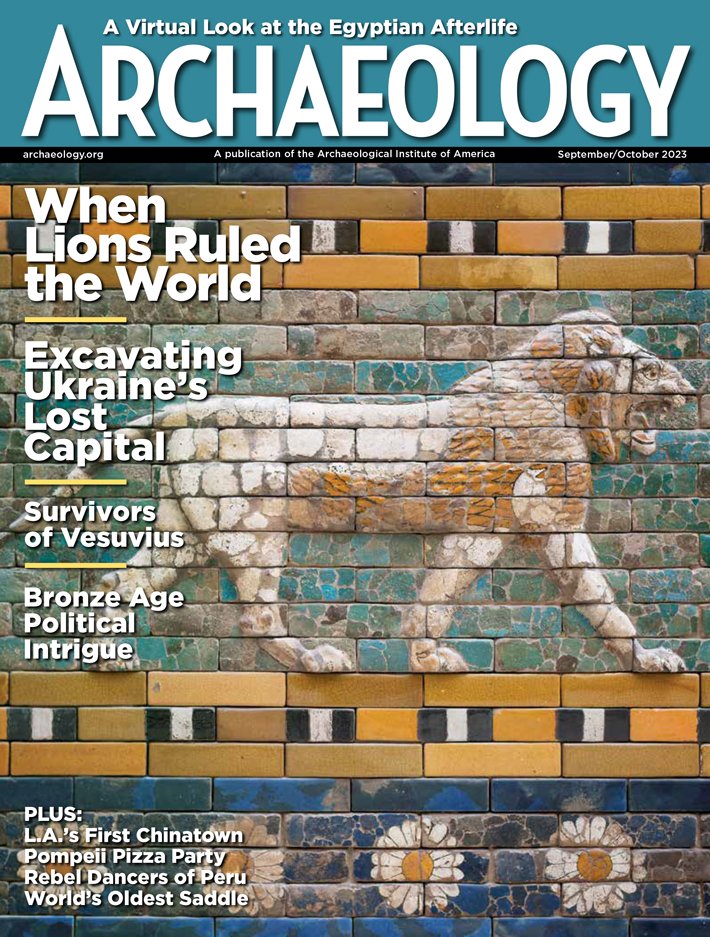
Archaeology Magazine (September/October 2023):

Ukraine’s Lost Capital

Ukraine Batyrn Cossack Citadel
Archaeologists have spent decades excavating the remnants of the Cossack capital of Baturyn in north-central Ukraine. Based on the excavation’s findings, the Ukrainian government has reconstructed the town’s citadel—including the wooden Church of the Resurrection, defensive walls, rampart, and moat—which was destroyed by Russian soldiers in 1708.

In 1708, Peter the Great destroyed Baturyn, a bastion of Cossack independence and culture

By DANIEL WEISS

On November 2, 1708,  thousands of Russian troops acting on the orders of Czar Peter I, known as Peter the Great, stormed Baturyn, the Cossack capital in north-central Ukraine. The Cossack leader, or hetman, Ivan Mazepa—who had been a loyal vassal of the czar until not long before—had departed with much of his army several days earlier to join forces with the Swedish king Charles XII, Peter’s opponent in the Great Northern War (1700–1721). The fortified core of Baturyn consisted of a citadel on a high promontory overlooking the Seim River and a larger adjoining fortress densely packed with buildings, above which soared the brick Cathedral of the Holy Trinity. The citadel and fortress were each surrounded by defensive walls, earthen ramparts, and moats whose sides were lined with logs. Although they sustained heavy losses, the Russian forces managed to seize Baturyn, which proved to be a key victory.

When Lions Were King

Across the ancient world, people adopted the big cats as sacred symbols of power and protection

Secrets of Egypt’s Golden Boy

CT scans offer researchers a virtual look deep inside a mummy’s coffin

Rites of Rebellion

Archaeologists unearth evidence of a 500-year-old resistance movement high in the Andes

Bronze Age Power Players

How Hittite kings forged diplomatic ties with a shadowy Greek city-state

Nature Reviews: Top New Science Books – AUG 2023

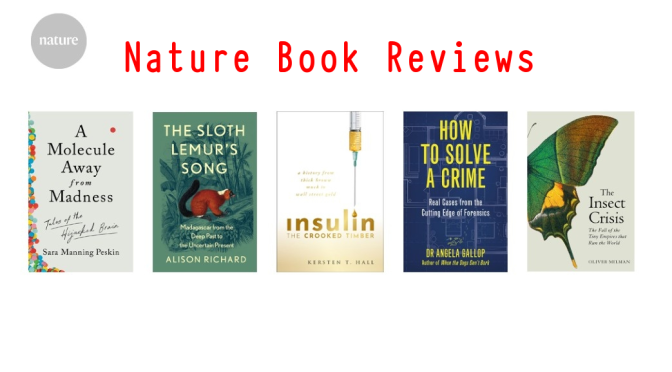
nature Magazine Science Book Reviews – August 4, 2023: The bitter-sweet history of sugar, and the marvels of measurement. Andrew Robinson reviews five of the best science picks.

Life and Afterlife in Ancient China

By Jessica Rawson 

When constructing monumental tombs thousands of years ago, “the Egyptians built up” — with their pyramids — whereas “the Chinese built down”, writes sinologist Jessica Rawson. The geology of China’s dry Loess Plateau permitted the excavation of shafts more than 10 metres deep. These tombs were filled with objects for the afterlife. Rawson’s majestic history explores 11 such monuments and one large sacrificial deposit, dating from 5,000 years ago to the third century bc, with the First Emperor’s protective Terracotta Army.

The World of Sugar

Ulbe Bosma 

Sugar’s societal dominance is a recent development. Granulated sugar was eaten from the sixth century bc in India, but refined sugar became widely available in Europe only in the nineteenth century. Its history is both a story of progress and a bitter-sweet tale of “exploitation, racism, obesity, and environmental destruction”, writes historian Ulbe Bosma in his authoritative, highly readable study — the first to be truly global. Of 12.5 million Africans kidnapped in the Atlantic slave trade, between half and two-thirds were enslaved on sugar plantations.

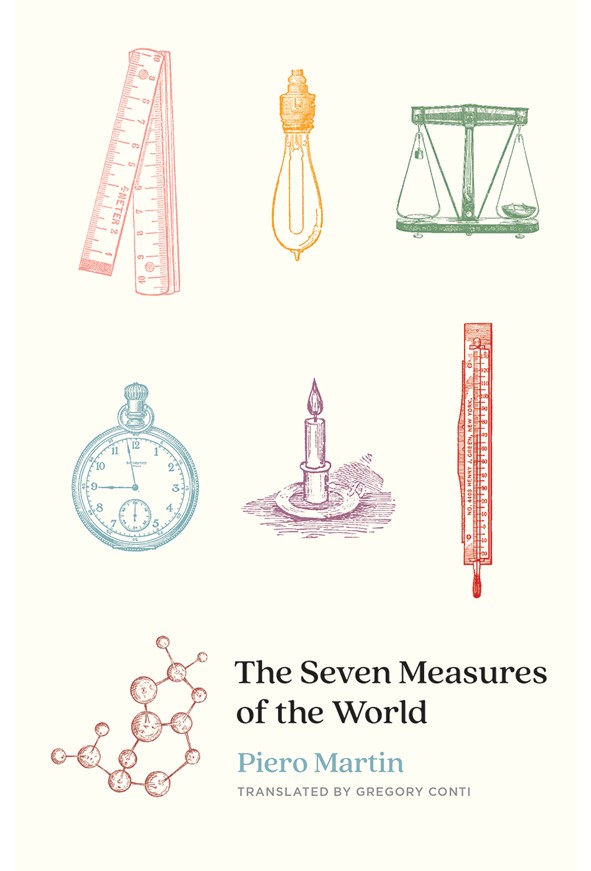
The Seven Measures of the World

Piero Martin (transl. Gregory Conti) 

The great civilizations of the ancient world could use precise measurements — witness the Egyptian pyramids. But their units differed. Not until 1960 was the international system of measurement (SI) introduced, defining the metre, second, kilogram, ampere, kelvin and candela — then the mole in 1971. Each gets a chapter in this concise, anecdotal history by experimental physicist Piero Martin. He stresses the subjective aspect of measurement, such as the idea that the quality of scientific publications matters more than their quantity.

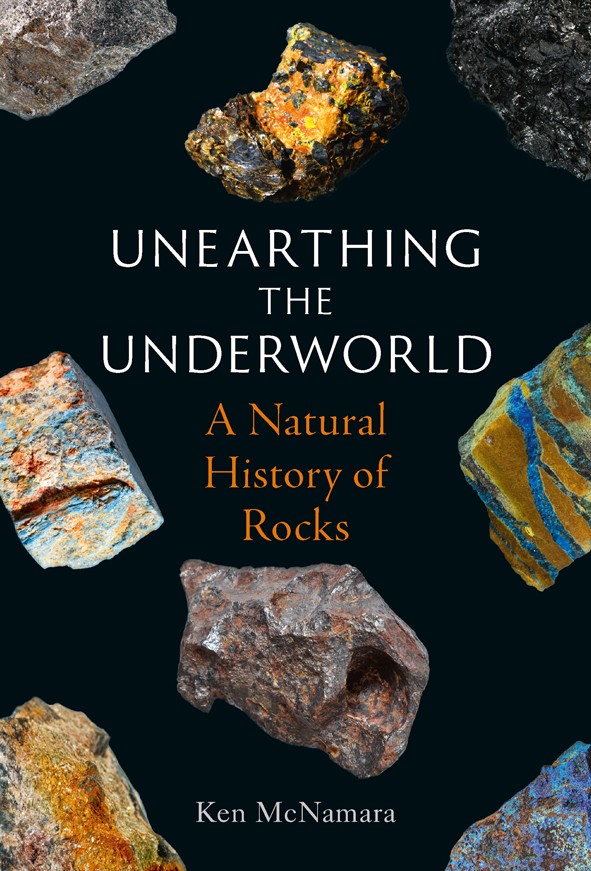
Unearthing the Underworld

By Ken McNamara 

Earth scientist Ken McNamara focuses on palaeontology and evolution. His appealing book about rocks and their lessons — illustrated with fine photographs of fossils — leaves aside igneous and metamorphic rocks, and the wonders of mineralogy. It concentrates instead on sedimentary rocks: mudstones, siltstones, sandstones and limestones, scattered over three-quarters of Earth’s surface in “endless piles”. As he jokily advises: “Ignore rocks at your peril.” But then surely continental drift deserved proper discussion?

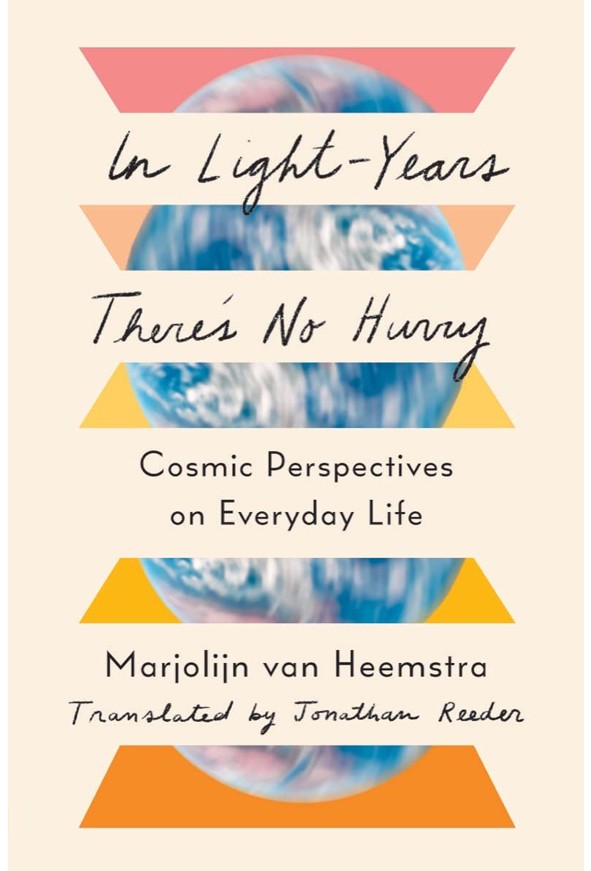
In Light-Years There’s No Hurry

Marjolijn van Heemstra (transl. Jonathan Reeder)

Dutch space reporter Marjolijn van Heemstra is also a poet, novelist and playwright. This translation of her highly personal meditation on the Universe reflects lyrically on the fact that the atmosphere “signifies a boundary”, whereas space “appeals to our notion of boundlessness”. She notes a growing difference of opinion between those who see space exploration as irresponsible because our planet is in deep trouble — environmental and otherwise — and those who regard space as a potential refuge from Earth.

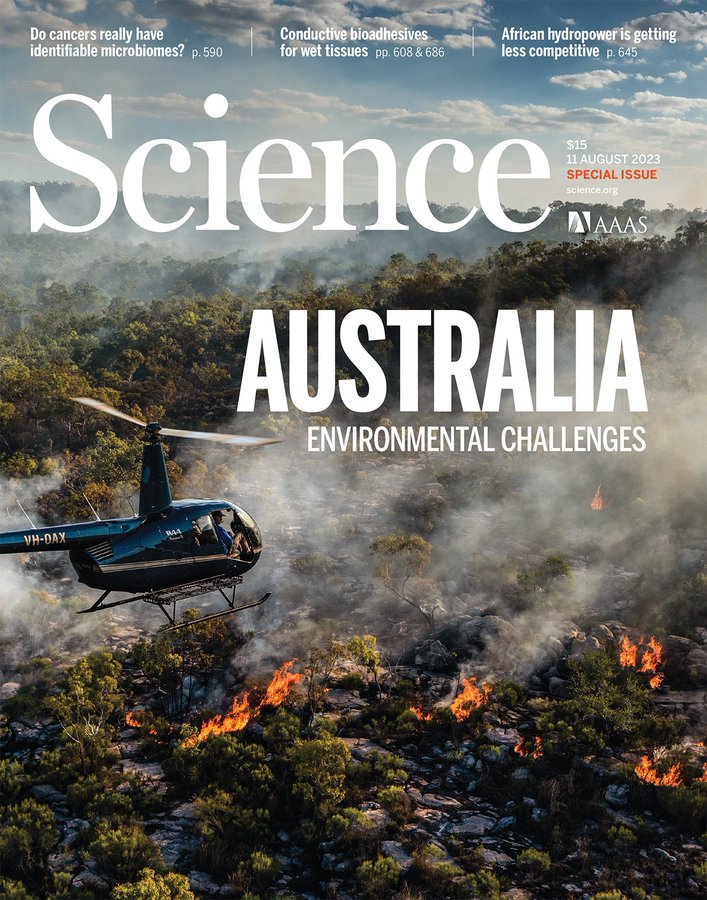
Research Preview: Science Magazine – August 4, 2023

Image

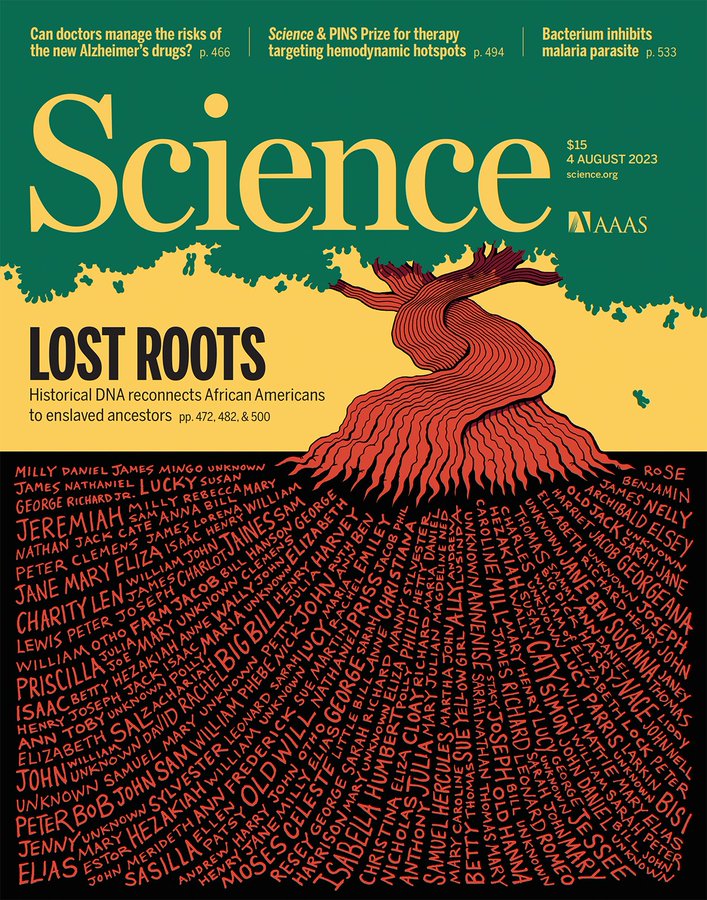
Science Magazine – August 4, 2023 issue: DNA was sequenced from 27 African Americans buried at Catoctin Furnace, Maryland, where enslaved people labored between 1774 and 1850. The tree trunk forms a double helix comprising 27 segments representing each sequenced individual.

‘We’re changing the clouds.’ An unforeseen test of geoengineering is fueling record ocean warmth

Pollution cuts have diminished “ship track” clouds, adding to global warming

Tropical trees deter similar neighbors

Tropical forests host an unusually high diversity of tree species. Strong interactions between individuals are hypothesized to create these patterns. A tree is more likely to survive when surrounded by different tree species with different resource needs, diseases, and herbivores. Kalyuzhny et al. found patterns consistent with this mechanism in a long-term forest plot in Panama. Adult trees in this site are more distant from members of their own species than from other species and more distant than would be expected by chance or by the limits of seed dispersal. This study shows that distances between conspecifics are maintained in adult trees, helping to explain the high diversity of tropical forests.

Research Preview: Nature Magazine – August 3, 2023

Volume 620 Issue 7972

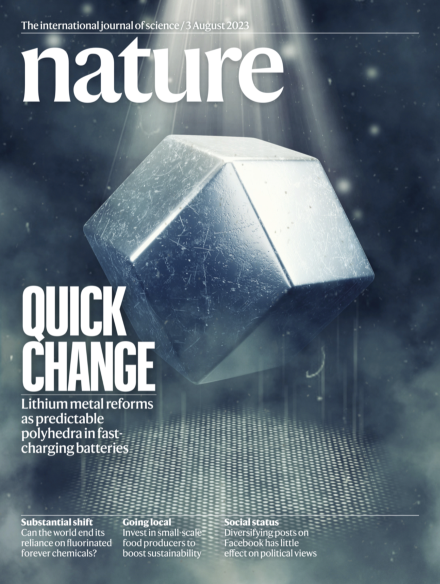
nature Magazine – August 3, 2023 issue: Lithium-metal batteries promise to charge rapidly and to hold more energy than batteries based on lithium ions. Recharging these batteries requires lithium metal to be reformed at the anode, but this process is affected by the battery’s electrolyte and current collector, which causes the shape of the lithium deposits to vary unpredictably, impairing the battery’s performance.

Water crisis: how local technologies can help solve a global problem

Climate change is making water stress worse for billions worldwide. Scaling up both new and traditional solutions must be a priority.

Why heart trouble can lead to sleep trouble

An immune response triggered by cardiac disease affects the function of a gland with a key role in the sleep–wake cycle.

Research Preview: Science Magazine – July 28, 2023

Image

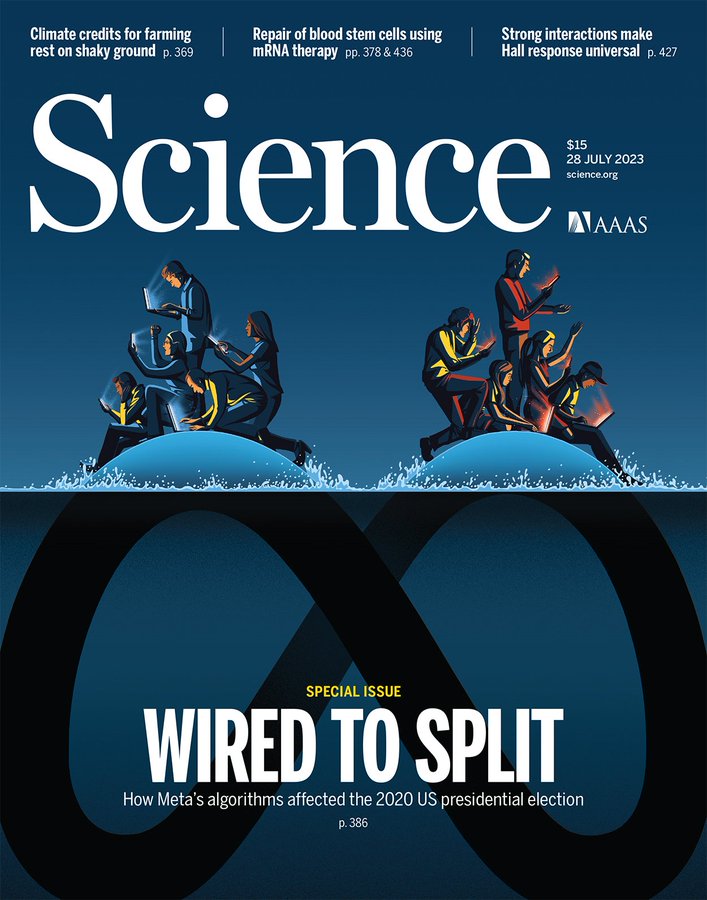
Science Magazine – July 28, 2023 issue: This artwork depicts social media users that are engaged (and often enraged) from the “left” (liberals, blue) and the “right” (conservatives, red) perched on Meta’s logo. Social media algorithms personalize users’ online experiences, recommending engaging content that will interest them and possibly spark outrage.

Social media and elections

The advent of social media forever changed how we consume news. At least half of Americans rely on it for news, and Facebook (owned by parent company Meta) is the most popular. Meta’s Facebook and Instagram platforms are funded through advertisements and generate more revenue when users spend more time on their platforms. To make platforms alluring and increase screen time, tech companies operate on business models that incentivize algorithms that are designed to elevate eye-catching content to the top of users’ feeds—content that captures attention and may go “viral” by stimulating “engagement” through comments, likes, and resharing.

Origin of diamond-bearing eruptions revealed

Deep mantle waves from continental rifting trigger mysterious kimberlite volcanoes

‘I should have done better.’ Stanford head steps down

Probe clears Marc Tessier-Lavigne of misconduct but criticizes lab culture and lack of “appetite” for corrections

Research Preview: Nature Magazine – July 27, 2023

Volume 619 Issue 7971

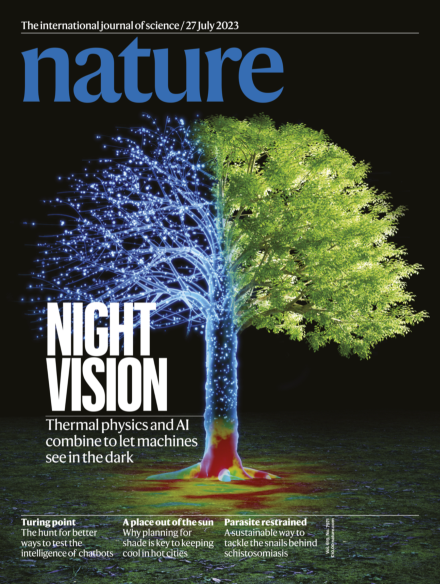
nature Magazine -July 27, 2023 issue: HADAR (heat-assisted detection and ranging) combines thermal physics and infrared imaging with machine learning to discern an object in pitch darkness as though it  is illuminated by broad daylight.

ChatGPT is a black box: how AI research can break it open

Despite their wide use, large language models are still mysterious. Revealing their true nature is urgent and important.

A lethal fungal infection gets a hand from the body’s own defences

Bloodstream infections by a common fungus are less deadly in mice engineered to have lower levels of a protein secreted by immune cells.

Research Preview: Science Magazine – July 21, 2023

Image

Science Magazine – July 21, 2023 issue: The cover depicts an x-ray of a human skeleton walking. Researchers extracted 23 skeletal proportions from 30,000 individuals using deep learning. Coupled with genetic and biobank data, more than 100 genetic variants associated with these proportions were identified. These analyses shed light on the evolution of the skeletal form, which facilitates bipedalism, and reveal connections to musculoskeletal disorders.

Hollywood movie aside, just how good a physicist was Oppenheimer?

A-bomb architect “was no Einstein,” historian says, but he did Nobel-level work on black holes

Deglaciation of northwestern Greenland during Marine Isotope Stage 11

Research Preview: Nature Magazine – July 20, 2023

Volume 619 Issue 7970

nature Magazine -July 20, 2023 issue: Launched in 2018, the Human Biomolecular Atlas Program (HuBMAP) aims to map how cell types are arranged in the human body. The initiative is both developing and then deploying the necessary technology to create maps of organs at single-cell resolution.

This quiet lake could mark the start of a new Anthropocene epoch

An aerial view of Crawford Lake.

The dawn of a new geological epoch is recorded in the contaminated sediment at the bottom of Crawford Lake in Canada.

The official marker for the start of a new Anthropocene epoch should be a small Canadian lake whose sediments capture chemical traces of the fallout from nuclear bombs and other forms of environmental degradation. That’s a proposal out today from researchers who have spent 14 years debating when and how humanity began altering the planet.

How to introduce quantum computers without slowing economic growth

To smooth the path of the quantum revolution, researchers and governments must predict and prepare for the traps ahead.

Research Preview: Science Magazine – July 14, 2023

Image

Science Magazine – July 14, 2023 issue: There have been huge strides in the development and application of artificial intelligence (AI) to science and society. But will AI eclipse humans, or will we find a way to safely and fairly collaborate, allowing us to reach further? 

A machine-intelligent world

Huge strides have been made in the development of machine-learning algorithms to generate what is commonly called artifi cial intelligence (AI). Looking to the forefront of how AI is being used in science and society reveals many benefi ts, as well as grand challenges, that must be addressed.

Leveraging artificial intelligence in the fight against infectious diseases

Despite advances in molecular biology, genetics, computation, and medicinal chemistry, infectious disease remains an ominous threat to public health. Addressing the challenges posed by pathogen outbreaks, pandemics, and antimicrobial resistance will require concerted interdisciplinary efforts.