National Geographic (November 14, 2023) – Dominica: The Nature Island (2023) follows the National Geographic Pristine Seas team as they partner with local leadership to conduct the first full-island survey of the marine ecosystems around the island.
The scientific results from the international team’s weeks of work will help inform the Dominican government and its people in their resilience planning to ensure their marine environment’s irreplaceable assets continue to sustain the well-being of many generations of Dominicans.
After the harrowing experiences of Hurricane Maria in 2017, Dominica committed to transforming the island into the world’s first climate resilient nation.
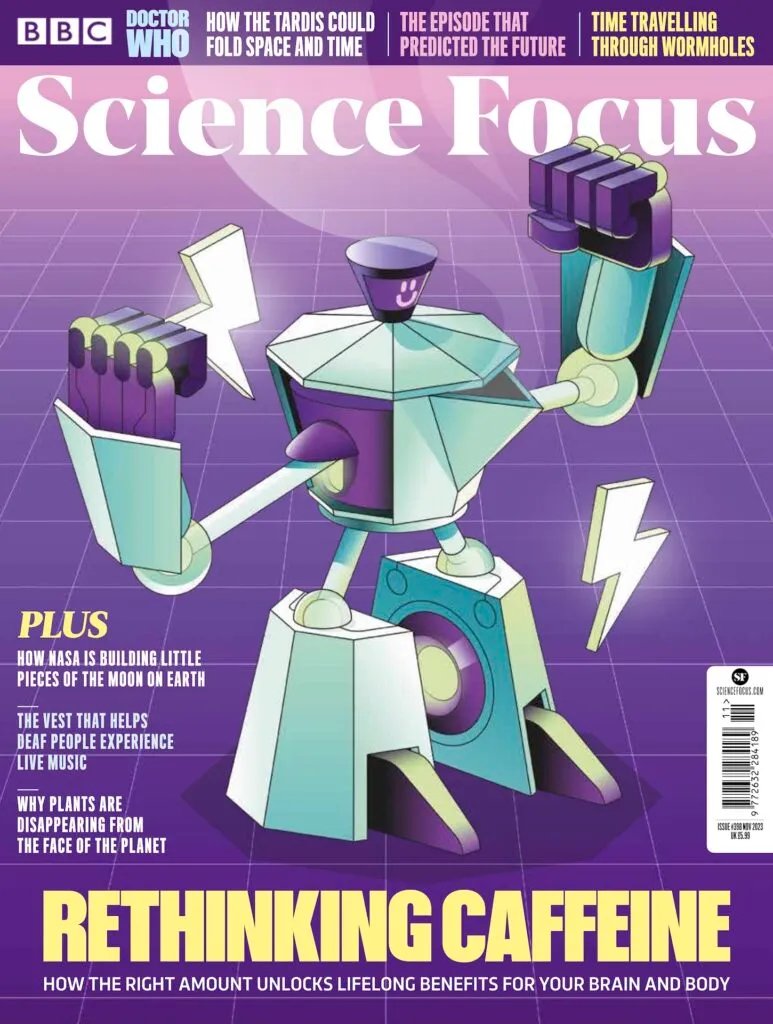
At 60 years old, Doctor Who, the BBC show following the adventures of the regenerating Time Lord, continues to be highly enjoyable fiction. But it’s science fiction. The Gallifreyan takes science seriously… so we take a closer look at some of the science of Doctor Who, from time travel and the TARDIS to invading Cybermen and rogue planets.
How to make the Moon on Earth
The expense and prestige involved in sending landers and rovers to the Moon means you can’t afford for them not to work when they get there. But the lunar landscape is like nothing here on Earth. So how, and where do you test equipment that’s bound for the Moon?
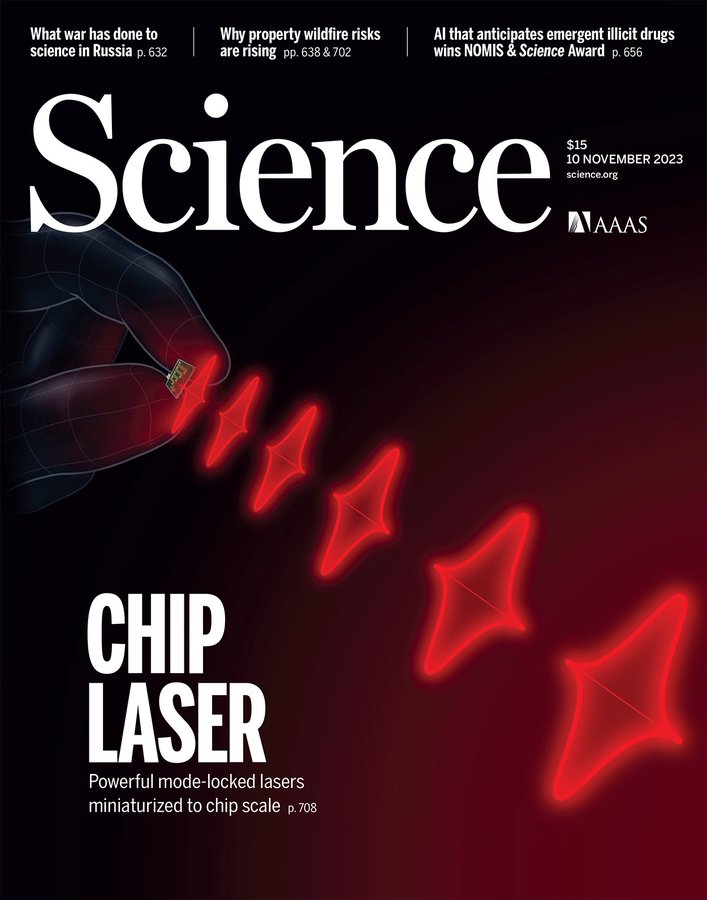
Science Magazine – November 10, 2023:The new issue features Mode-locked “chip lasers” generating intense ultrashort pulses of light have been the backbone of ultrafast sciences and technologies.
In thinking about the challenge of getting artificial intelligence (AI) to understand our complex world, I recalled a Twitter post from a user of Tesla’s self-driving system. The user tweeted that his car kept stopping abruptly at a particular location for no apparent reason. Then he noticed a billboard advertisement on the side of the road, featuring a sheriff holding up a stop sign. The car’s vision system had interpreted this as an actual stop sign, and slammed on the brakes.
Though it lies in ruins on the northeast coast of England, Kilton Castle was once an imposing stone fortress, home to several noble families, and—it appears—at least eight cats. Archaeological excavations in the 1960s uncovered a well, at the bottom of which lay the bones of several felines dating back to the 14th century. The animals were an odd mix: Some were domestic cats, but other, larger specimens appeared to be European wildcats, a fierce, burly species that has inhabited the continent for hundreds of thousands of years.
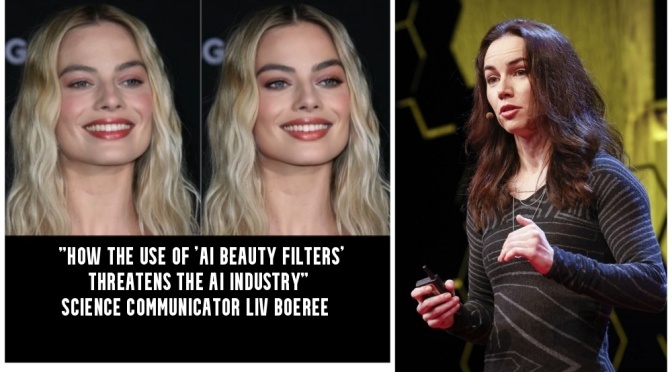
TEDx Talks (November 9, 2023) – Competition is a core part of human nature, and it can drive us to extraordinary feats. But when it goes wrong, the results can be devastating.
Poker champion and science communicator Liv Boeree introduces us to the dark force of game theory driving many of humanity’s biggest social problems — a force that’s now threatening to derail the AI industry.
Olivia “Liv” Boeree is a British science communicator, television presenter and former professional poker player. She is a World Series of Poker and European Poker Tour champion, and is the only female player in history to win both a WSOP bracelet and an EPT event.
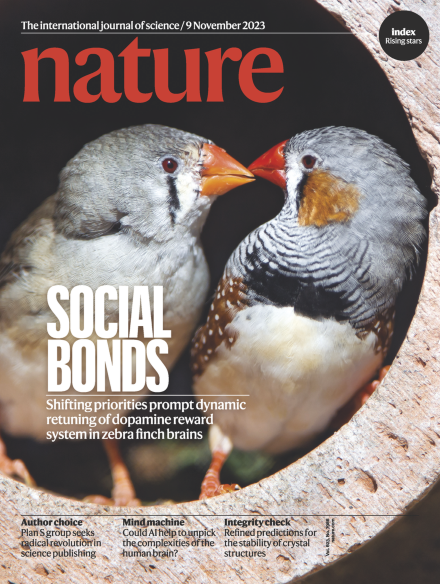
nature Magazine – November 9, 2023:The latest issue cover features the changes in dopamine signals in male zebra finches (depicted on the cover), as they engage in activities such as drinking, song evaluation and courting. The researchers found that dopamine responses are dynamically adjusted based on the birds’ current priorities.
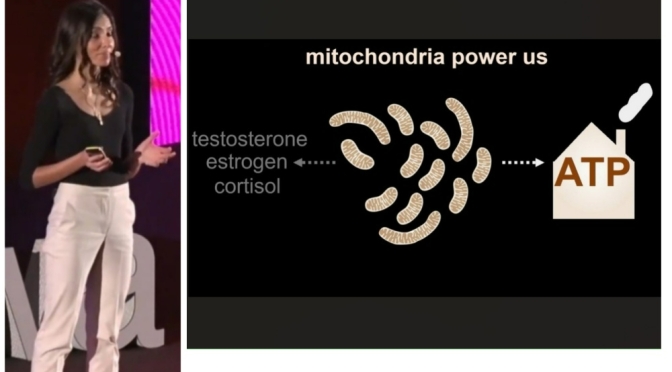
TEDx Talks (November 4, 2023) – Approximately 1.5 billion years ago, a lone bacterium found its way into a larger cell. The exchanges that transpired between the two are considered to have driven the evolution of this bacterium into the organelle we now call the mitochondrion.
Emerging research suggests that mitochondria are not simply the ‘powerhouses’ of the cell, but also function as cellular guardians against microbial intruders. Consequently, maintaining mitochondrial health is not only vital for our well-being, but may serve to protect us against infectious disease.
Dr. Lena Pernas started as a Max Planck Research Group Leader at the MPI Biology for Ageing (Cologne, Germany) in late 2018, where her lab investigates the organelle and metabolic dynamics of the host-pathogen interaction. Her lab will open its doors at UCLA in the Metabolism Research Theme in 2023.
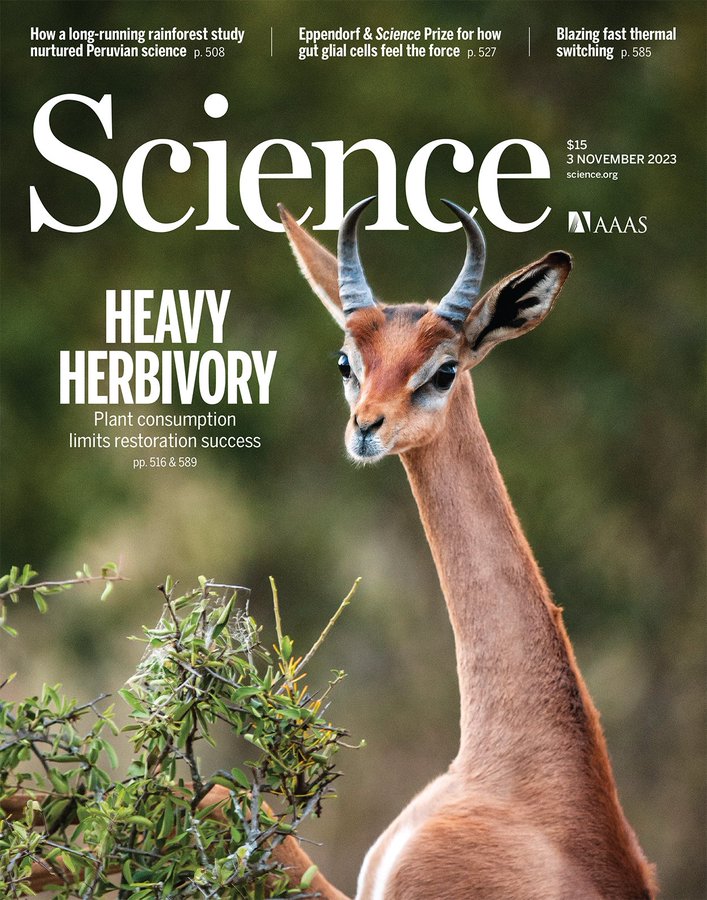
Science Magazine – November 3, 2023: The new issue features Heavy Herbivory – Plant consumption limits restoration success; How a long-running rainforest study nurtured Peruvian science; No easy way to explain cosmic expansion mystery; Ancient fish reveal the origin of the shoulder in vertebrates, and more…
New Scientist Magazine (November 4, 2023): This issue features How healthy are you really? – New tests to give you the answer; The origins of Life; Machine Unlearning – Can we ever teach an AI to forget?; Moths that mimic spiders; Did wind help sculpt the Sphinx; and more…
nature Magazine – November 2, 2023: The latest issue cover features an artist’s impression of the collision between the protoplanet Theia and proto-Earth about 4.5 billion years ago. It has been suggested that it was this ‘Giant Impact’ that formed the Moon, but direct evidence for the existence of Theia remains elusive.
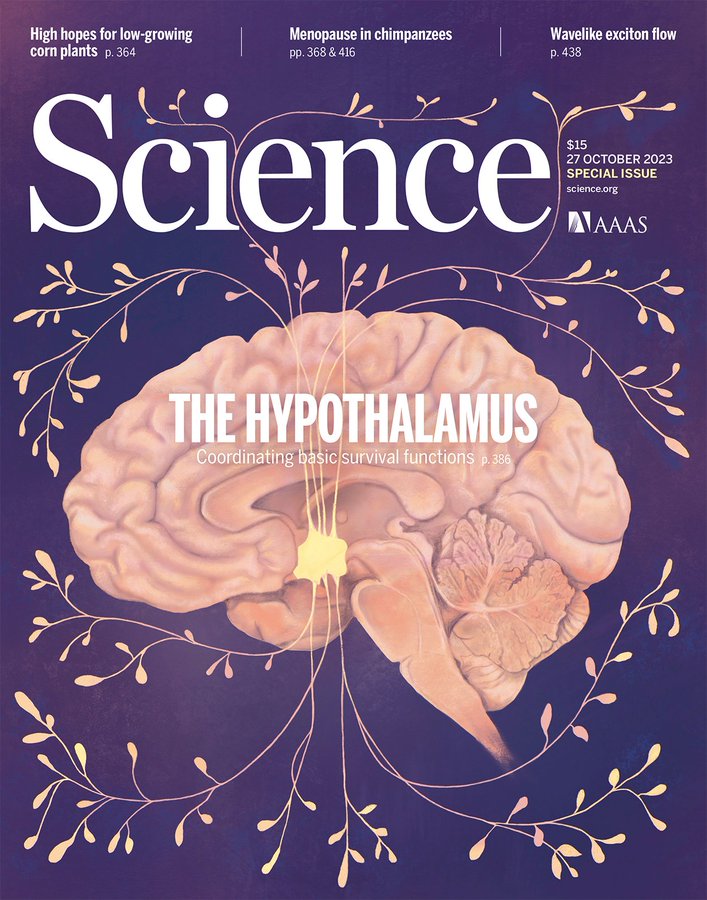
Science Magazine – October 27, 2023: The new issue features The Hypothalamus – Coordinating basic survival functions; High hopes for low-growing corn plants; A quantum process in a laser microchip….
If you pause for a second and think about the activities that occupy most of your day, presumably sleeping, eating, and engaging in social interactions are among the first that come to your mind. Perhaps surprisingly, a small area buried deep inside the brain, called the hypothalamus, is responsible for coordinating neuronal signals related to these activities. By controlling the homeostasis of the neuroendocrine, limbic, and autonomic nervous systems, the hypothalamus is a key brain region for many physiological and pathological processes. Despite its small size, the hypothalamus has a complex cellular organization and circuitry that determine its structural and functional organization. It is composed of 11 nuclei grouped by their location and has vast, mostly bidirectional connections with many neuronal and endocrine systems.
Plants bred or engineered to be short can stand up better to windstorms. They could also boost yields and benefit the environment
To an interstate traveler—or anyone lost in a corn maze—the most impressive feature of corn is its stature. Modern corn can grow twice as tall as a person, but height has drawbacks, making the plants vulnerable to wind and more difficult for farmers to tend. Plant scientists think corn can be improved by making it shorter, and leading seed companies are doing that through both conventional breeding and genetic engineering. Bayer has launched a short variety in Mexico, another company is selling its versions in the United States, and more are getting involved.
News, Views and Reviews For The Intellectually Curious










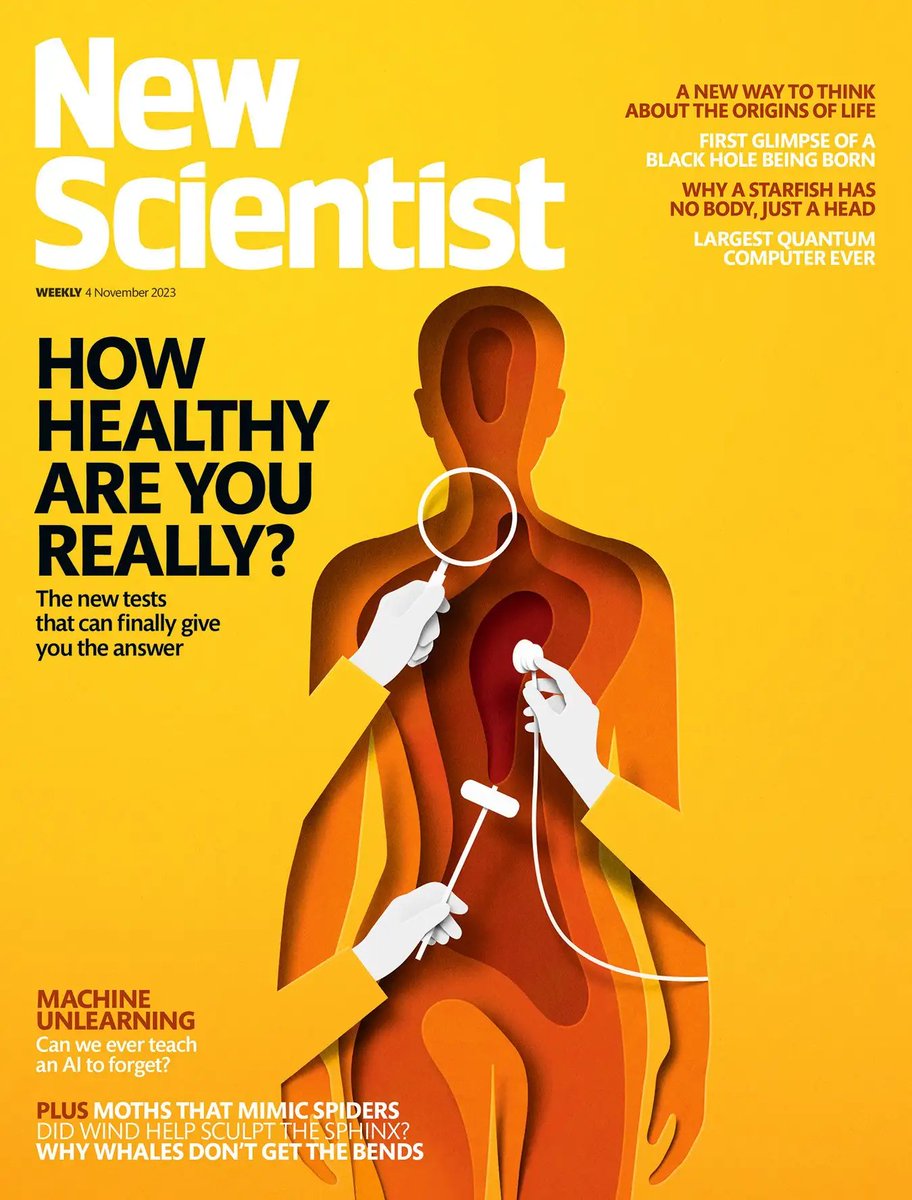
 New Scientist Magazine (November 4, 2023): This issue features How healthy are you really? – New tests to give you the answer; The origins of Life; Machine Unlearning – Can we ever teach an AI to forget?; Moths that mimic spiders; Did wind help sculpt the Sphinx; and more…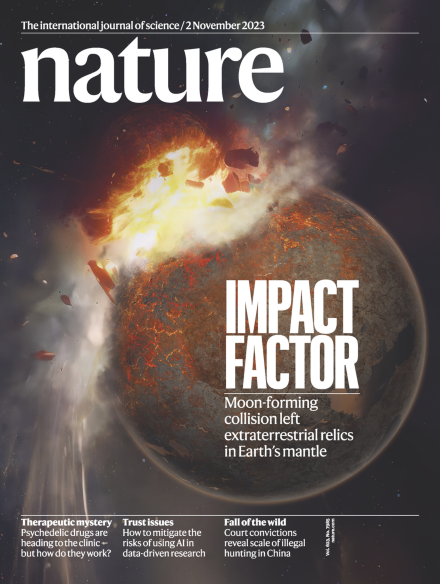

 Boomers Daily