
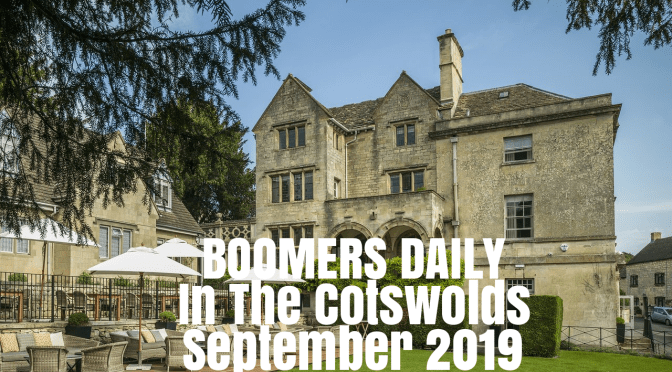
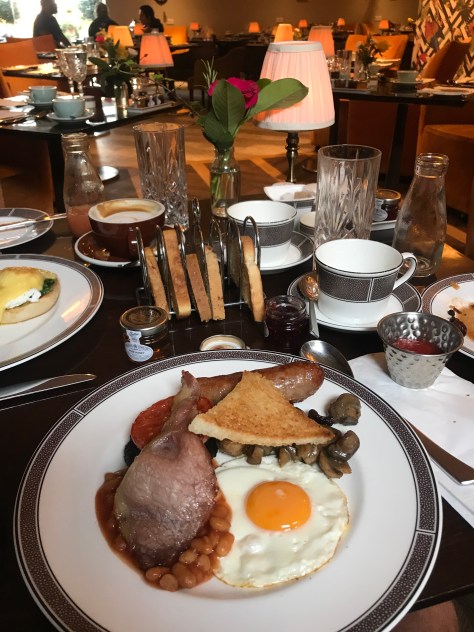
A quiet night’s sleep was followed by a sumptuous breakfast downstairs at The Bird.
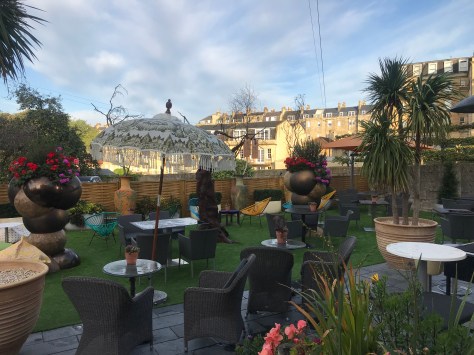
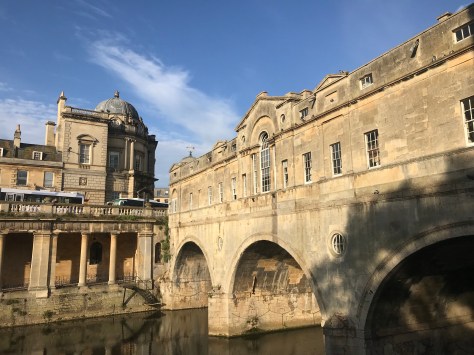
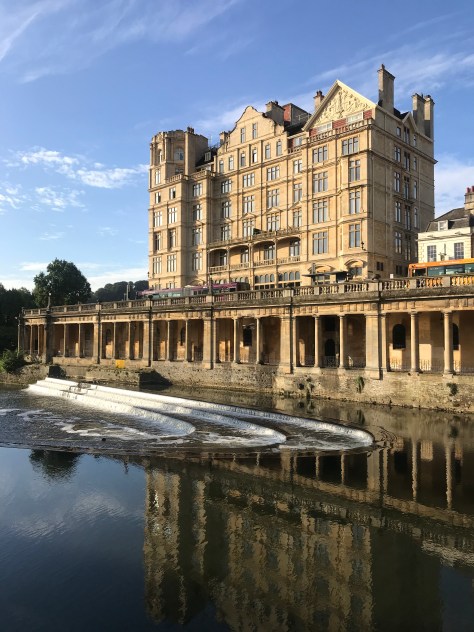
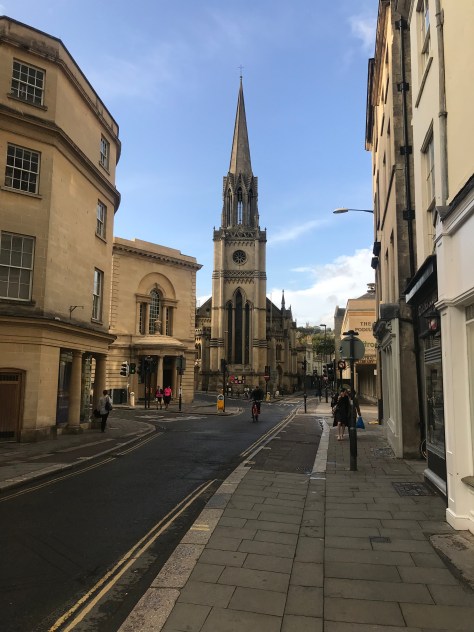
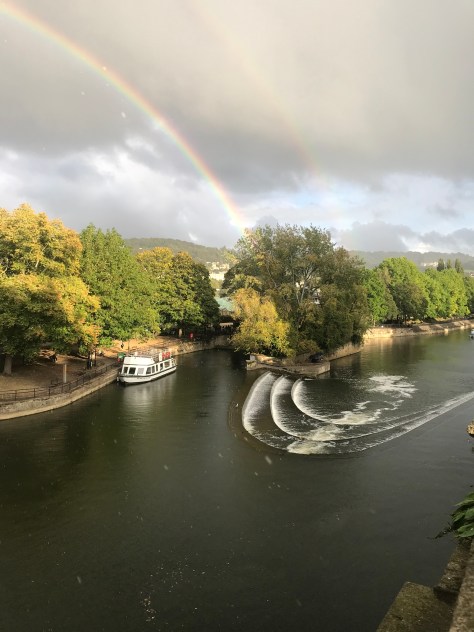
After checking out, we left bags in the car and walked into Bath via the Pulteney Bridge.
The Roman Baths site opened at 9 am today (Monday) and we took the self-guided tour with headset. It did not disappoint.
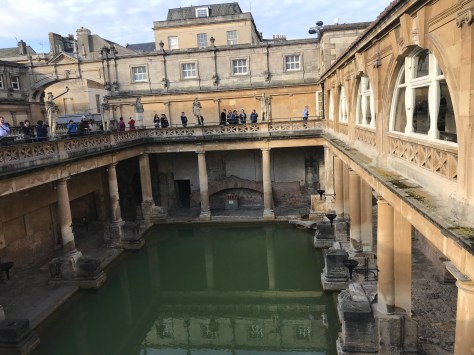
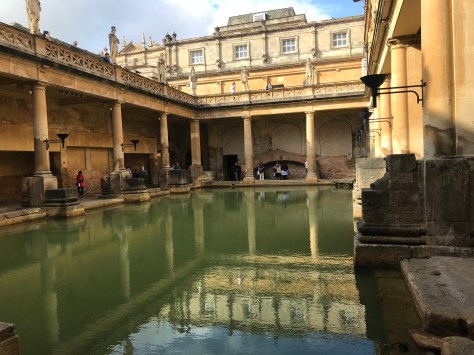
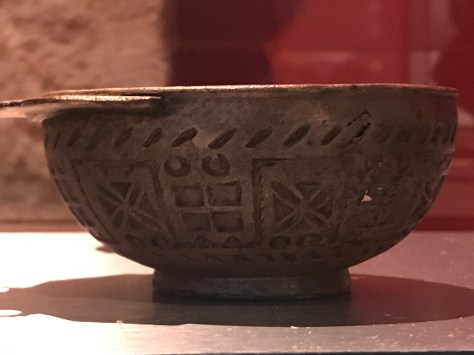
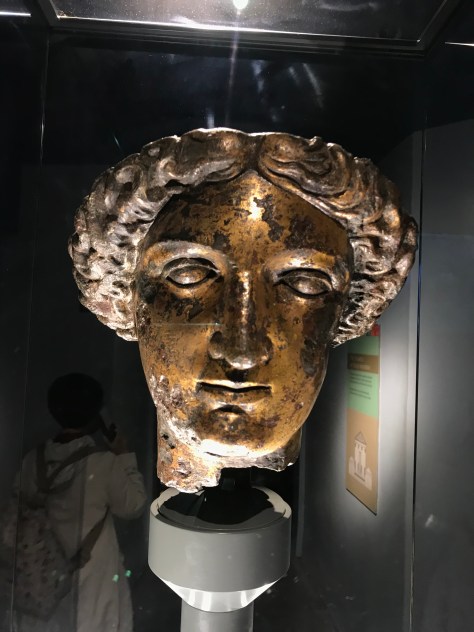
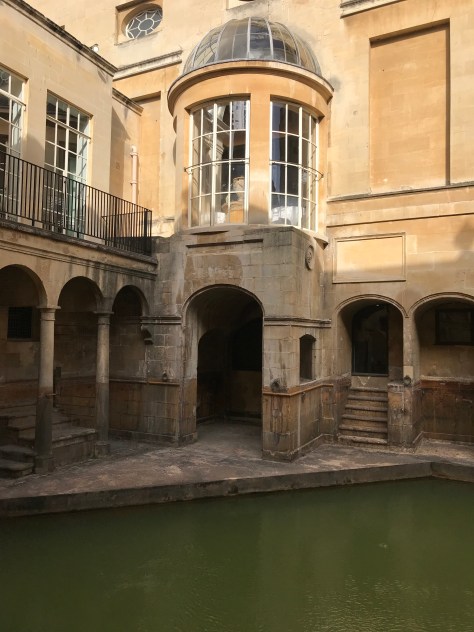
This is the finest example of a Roman Bath in the world and established Bath as a destination to visit from all over the Roman and Mediterranean world.
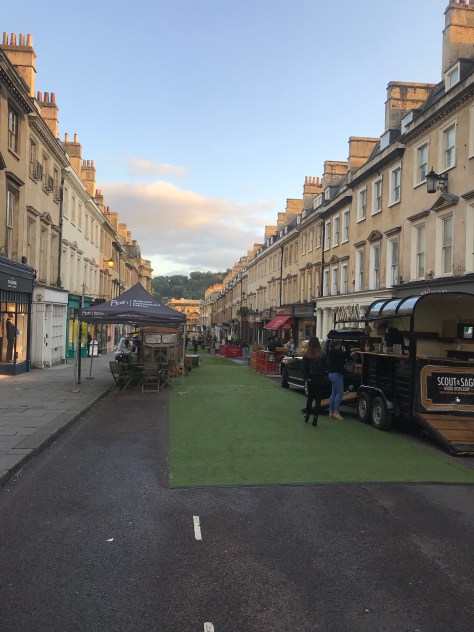
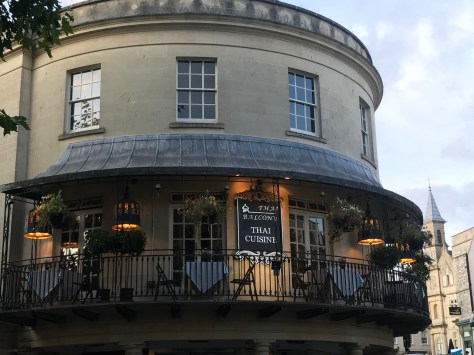
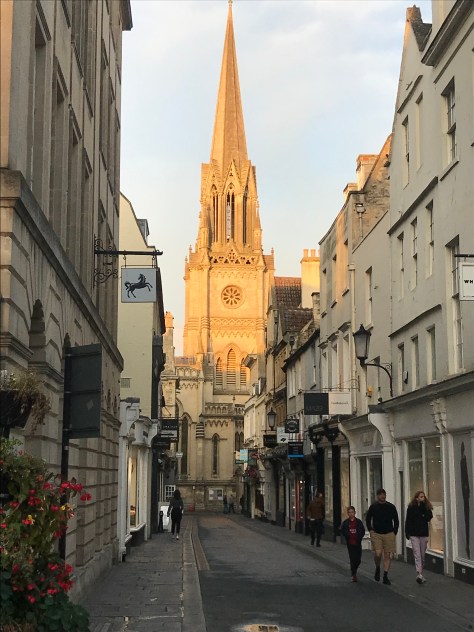
We then walked through the town and boarded a double deck bus to tour the rest of the city.
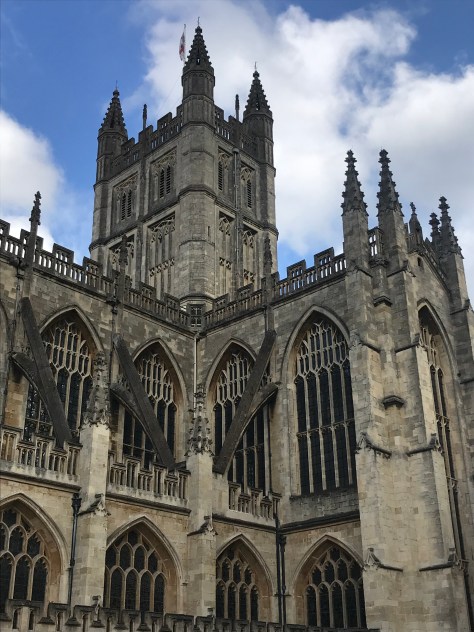
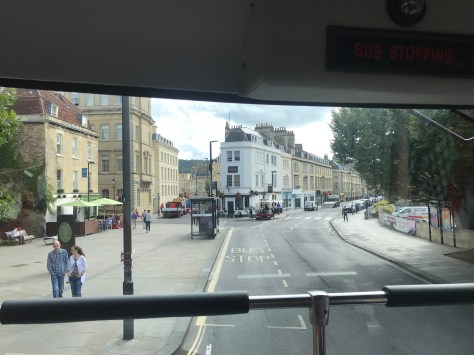
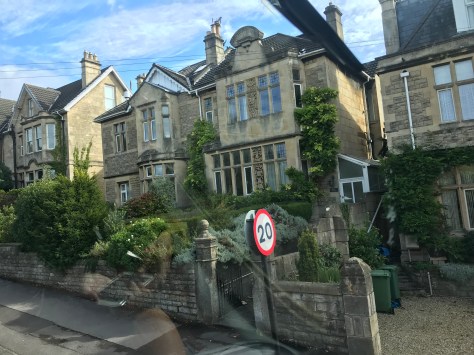
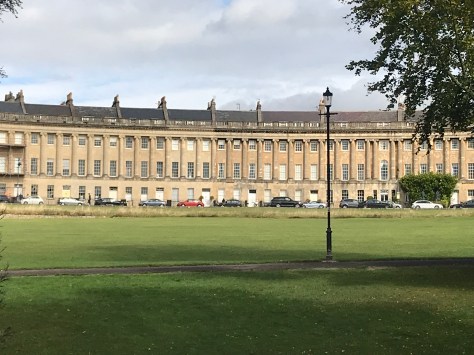
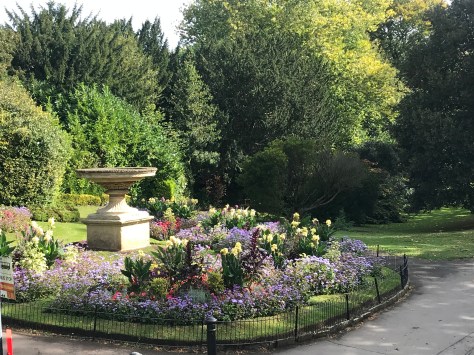
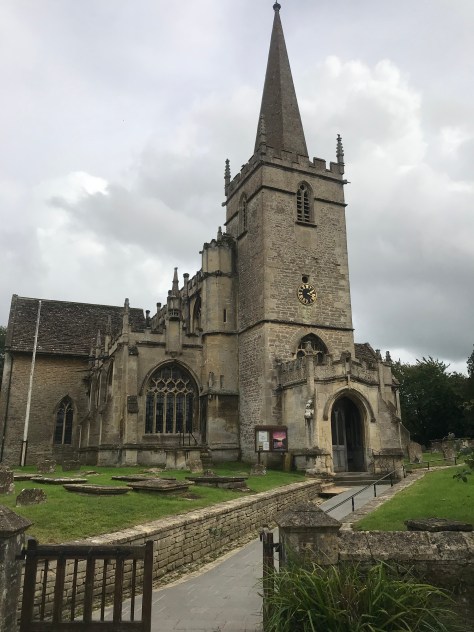
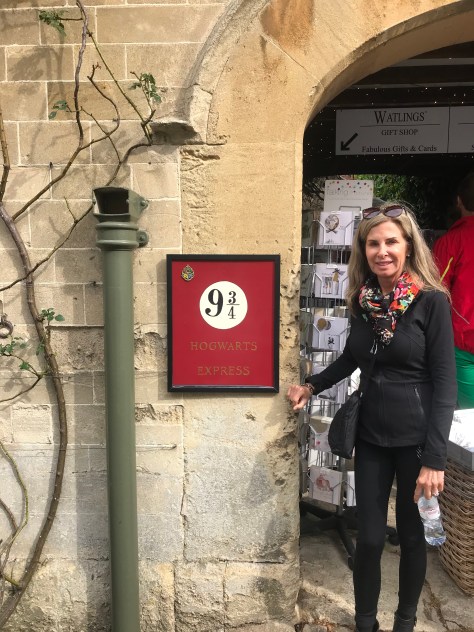
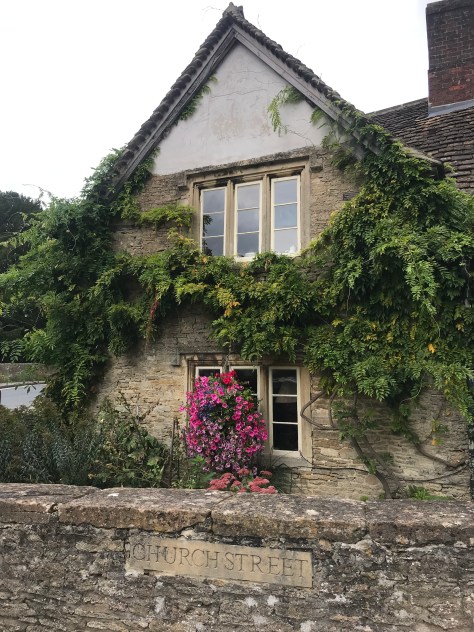
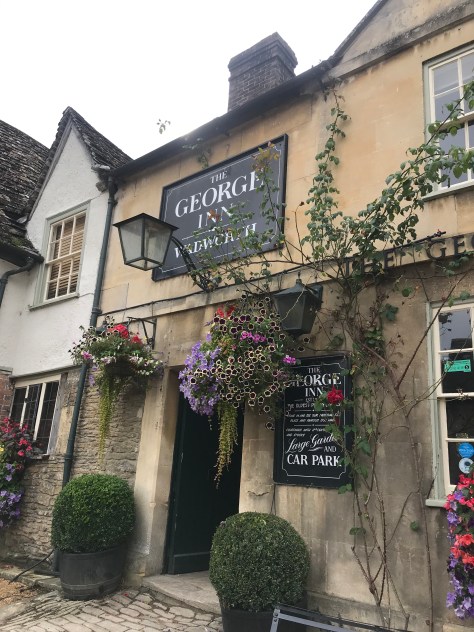
We left Bath and headed north into the Cotswolds. First stop was a quaint village called Castle Combe.
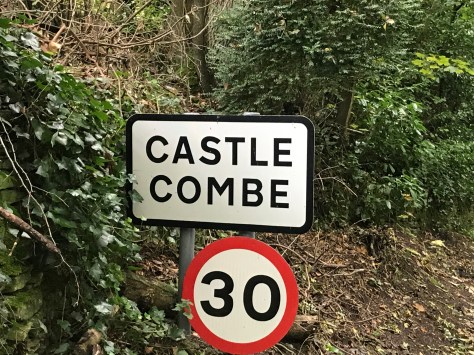
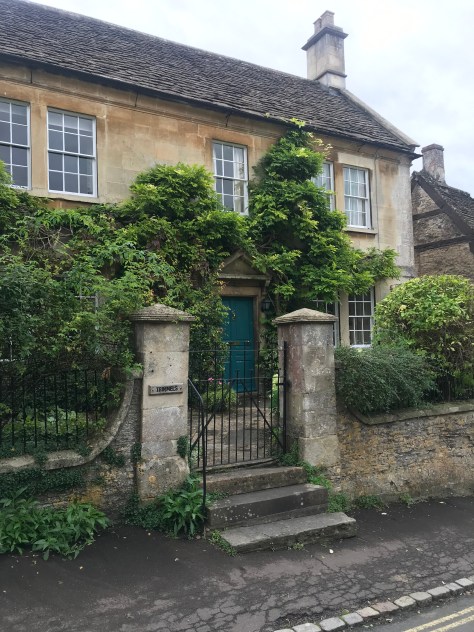
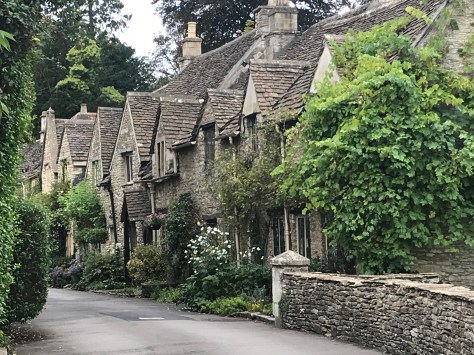
Lunch followed at The Salutation Inn, a pub just up the road.
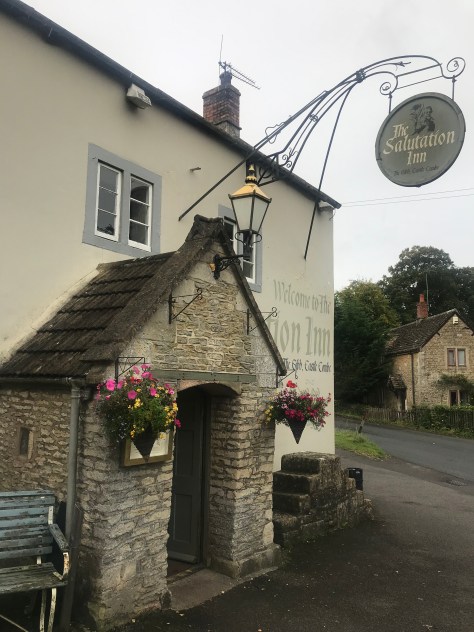
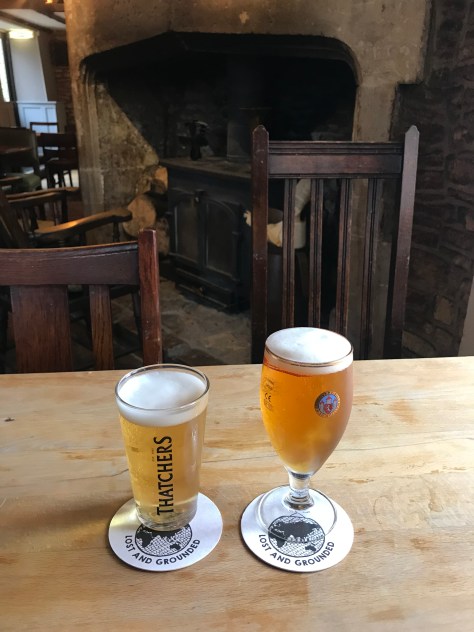
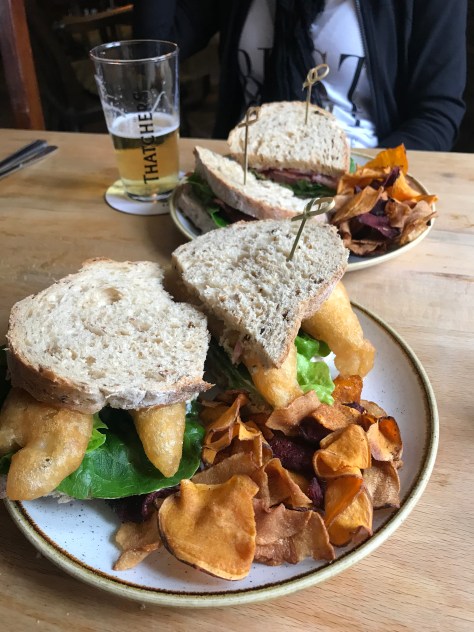
The Finger Fish and BLT sandwiches on dark bread were amazing.
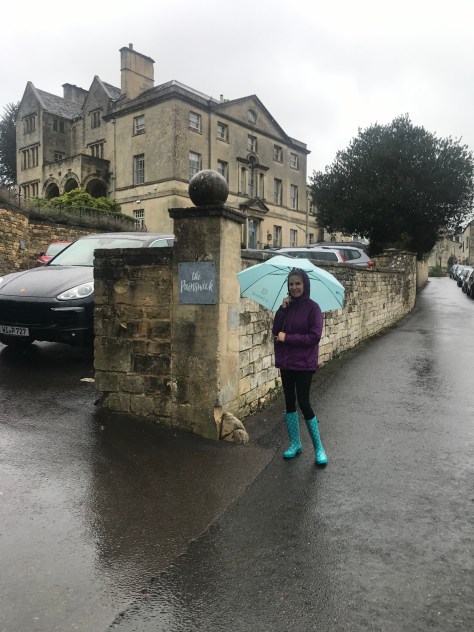
The final destination was Painswick where we were booked for the night at The Painswick, the 2016 Hotel of the Year in England as voted by The Telegraph in London. We arrived in a slight rain and found fires going downstairs and upstairs.
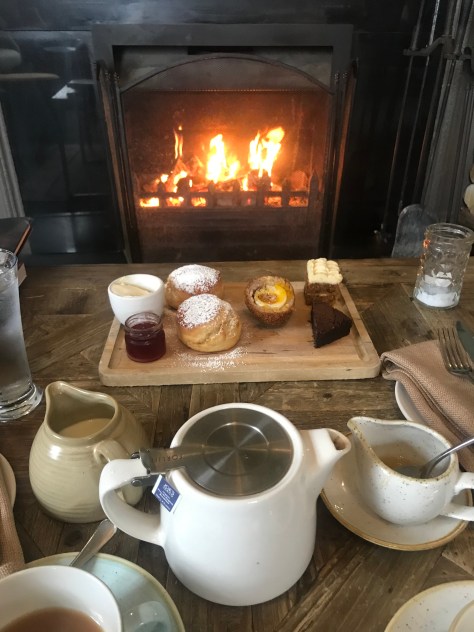
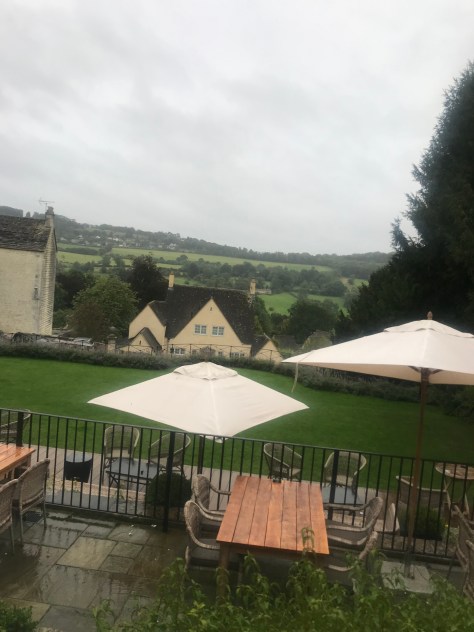
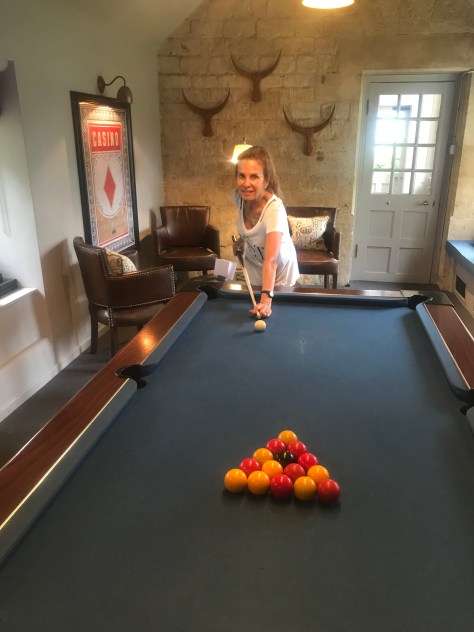
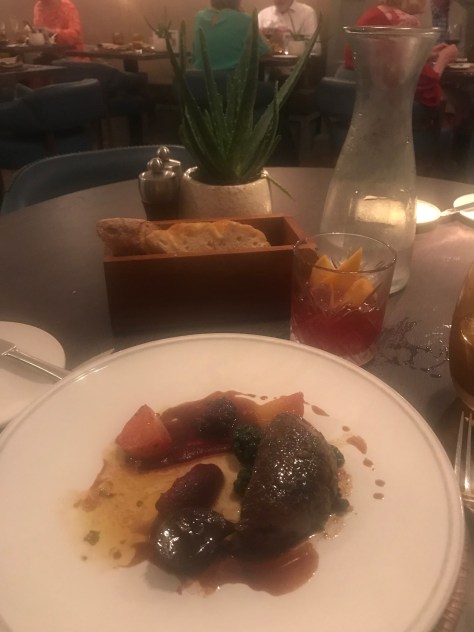
We finished with dinner in the hotel dining room. Order the Grouse with a Negroni.
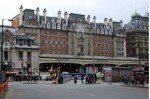 Picked up a very nice BMW 520 Diesel at Victoria Station at 9:30 am. GPS is a must as there is always a learning curve driving on the left side of the road.
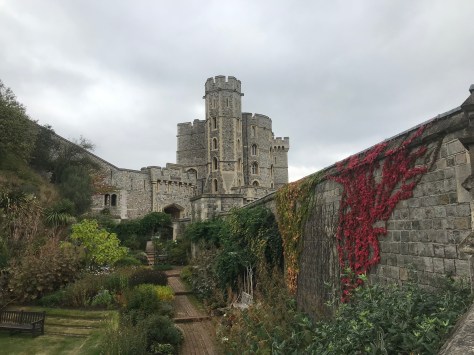
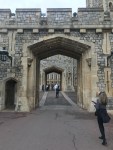 Drove to Windsor Castle and arrived at about 11. Very light crowds as it was threatening rain, but the tour did not disappoint. Beautiful collections of gold and silver work, paintings by Hans Holbein the Younger (who painted Henry VIII and Thomas Cromwell in the 16th Century), and amazing tapestries.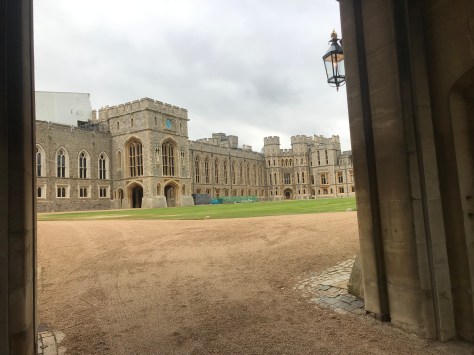
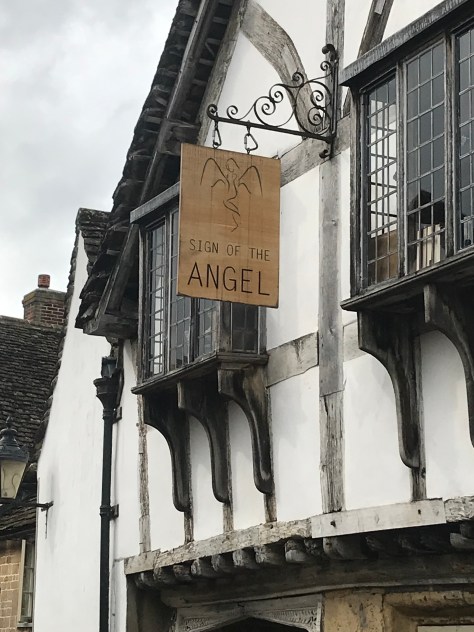
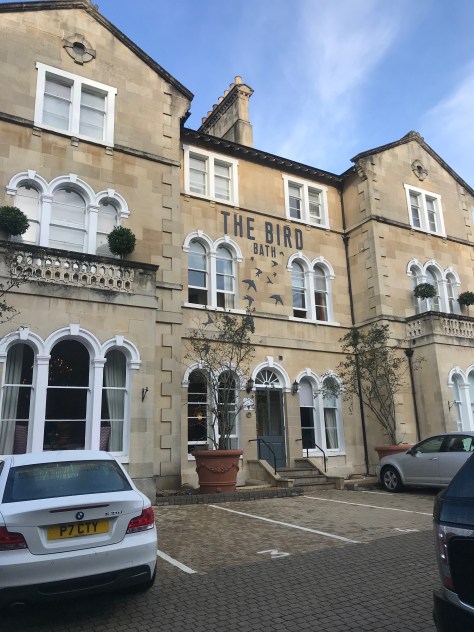
 After a quick pint of a Wadworth Swordfish Rum Infused Ale, we finished the drive at our Hotel, The Bird, in Bath.
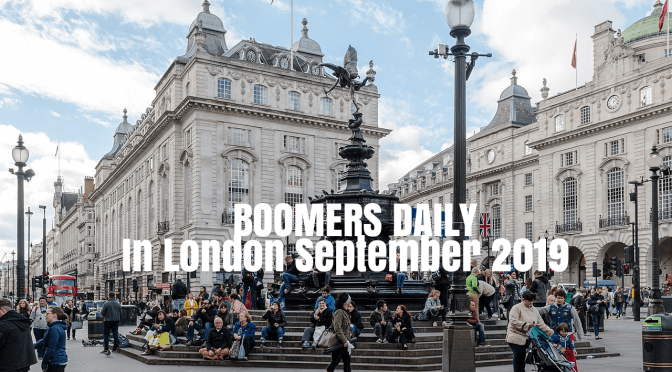
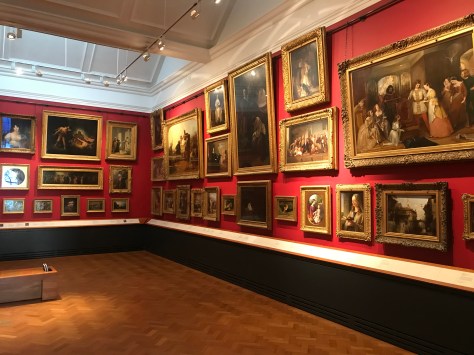
 After a great British breakfast, hopped on the Tube at Tower Hill and headed for the South Kensington station. Arrived at the Victoria & Albert Museum as it opened at 10.

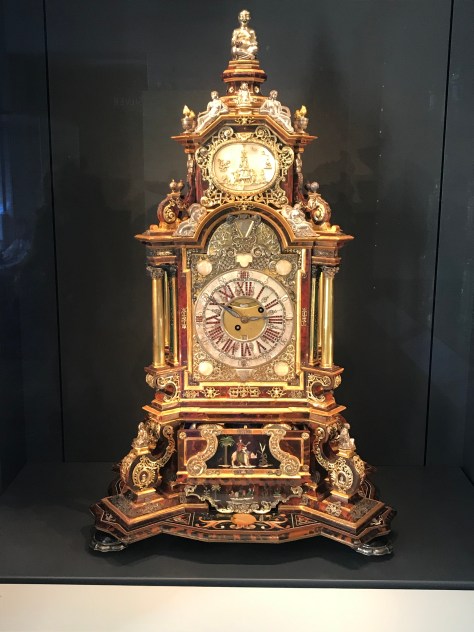

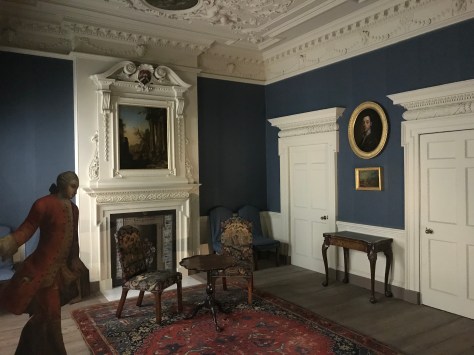

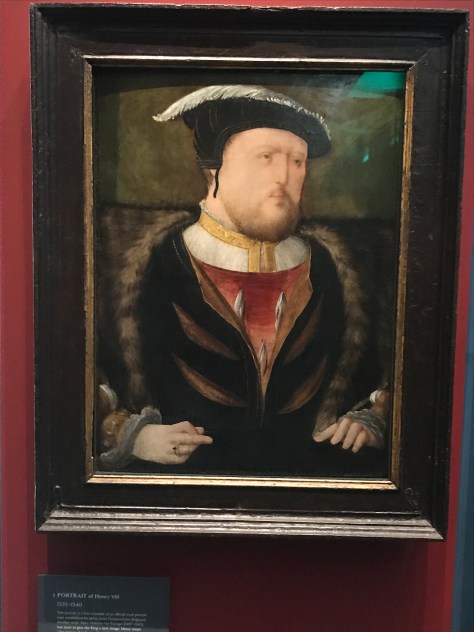

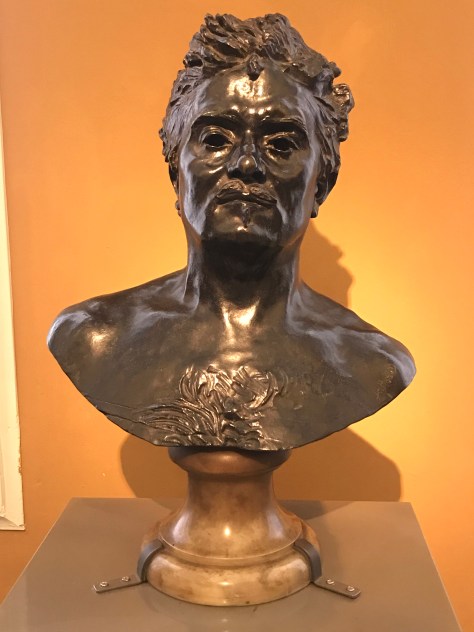

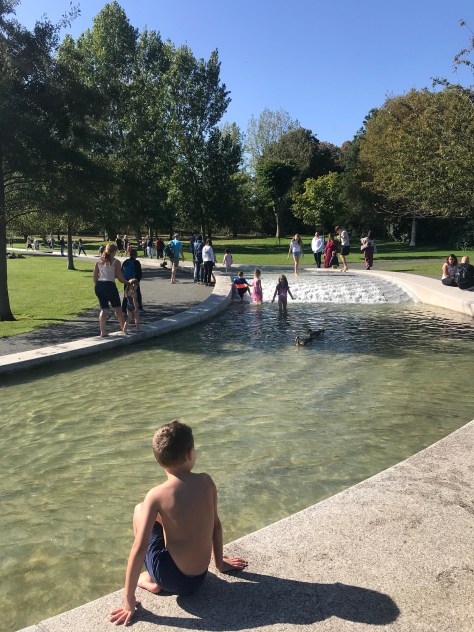


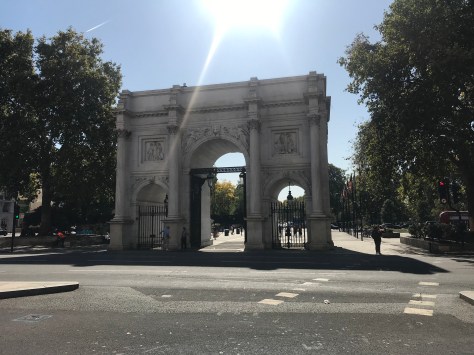











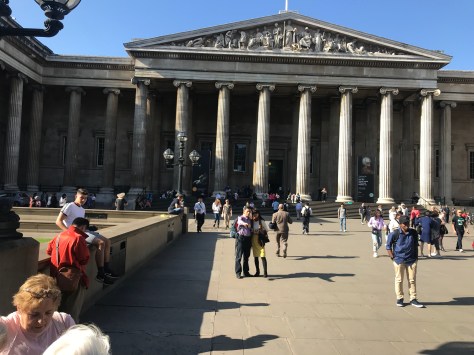
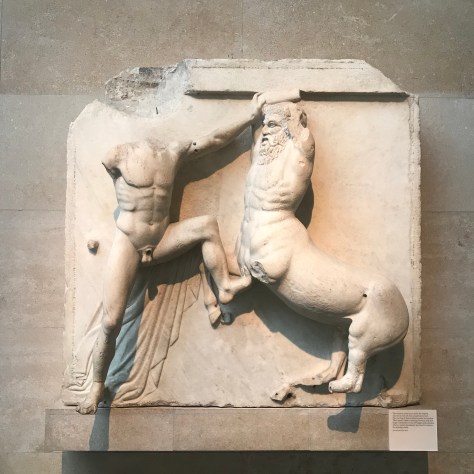
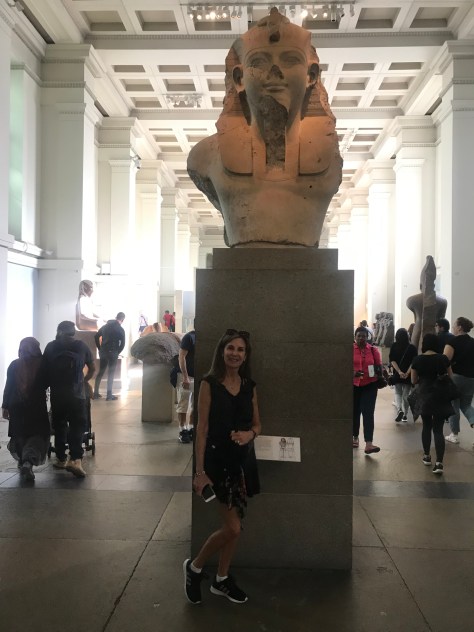
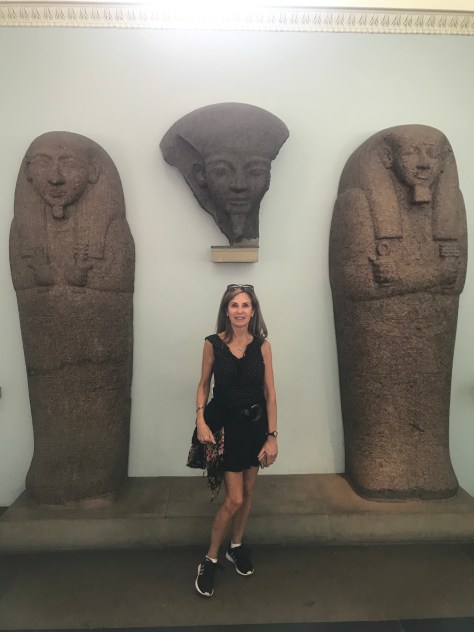
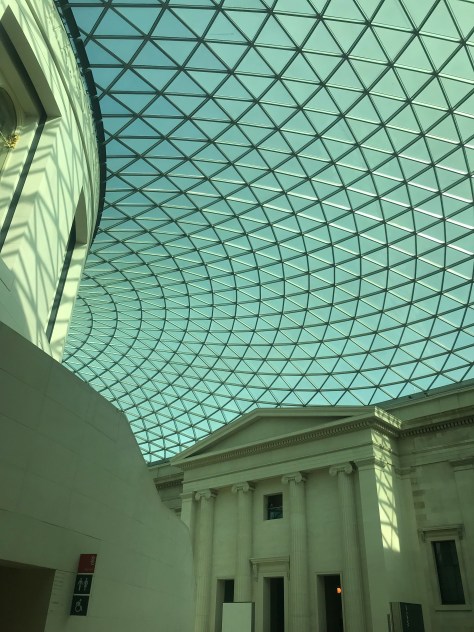
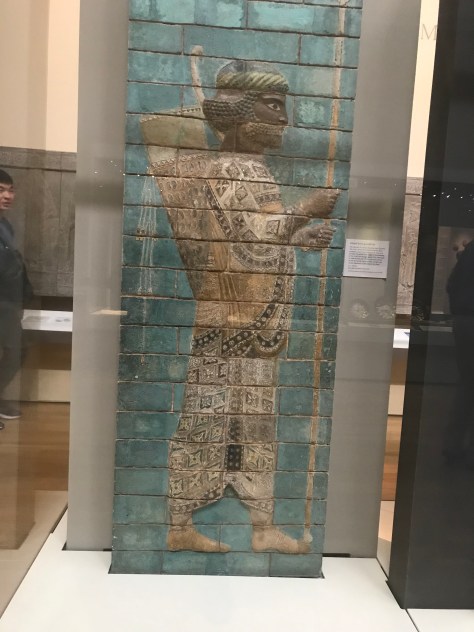


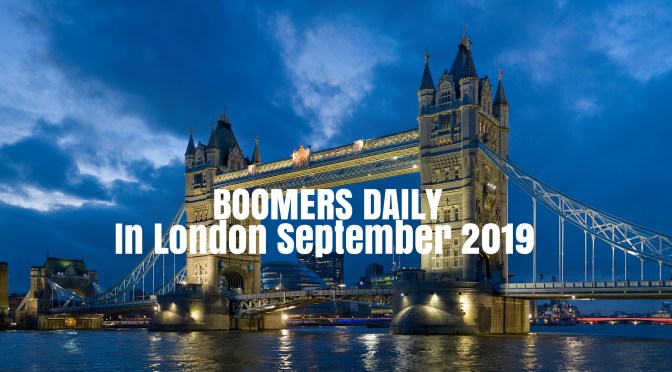
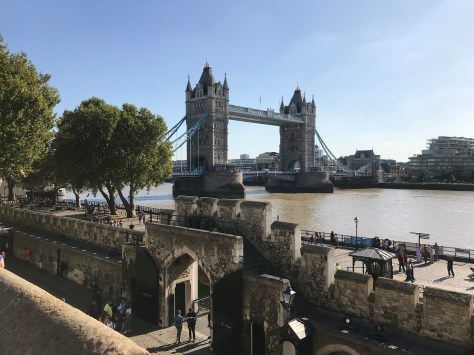
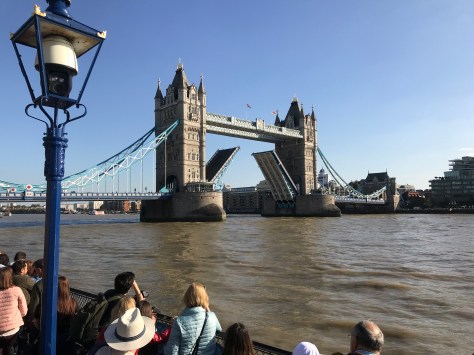
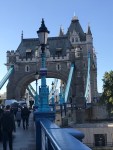 Set out at 9 am across Tower Bridge and experienced South Bank.
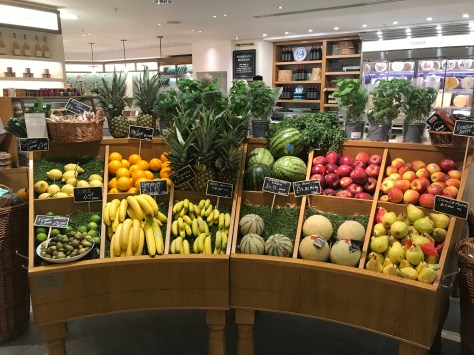
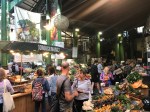 Borough Market is a must visit and it delivered delicious stall after stall of every cheese, meat, vegetable and savory or sweet foods.
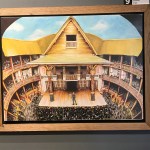 We then continued along the Thames for a quick view of Shakespeare’s Globe, followed by a tour of the Tate Modern.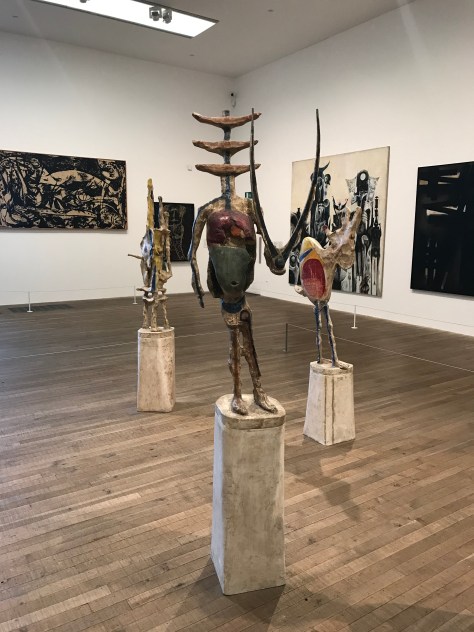
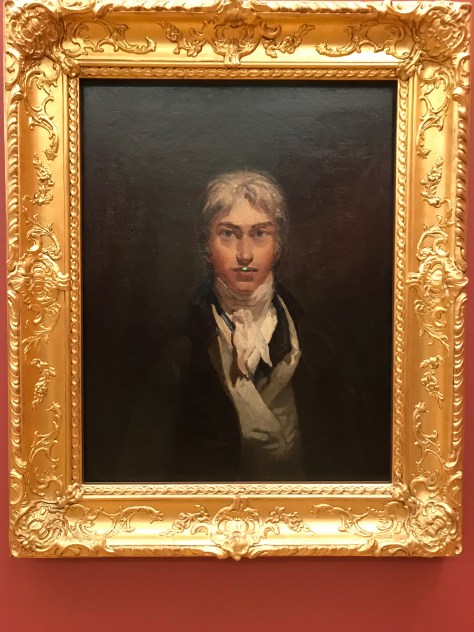
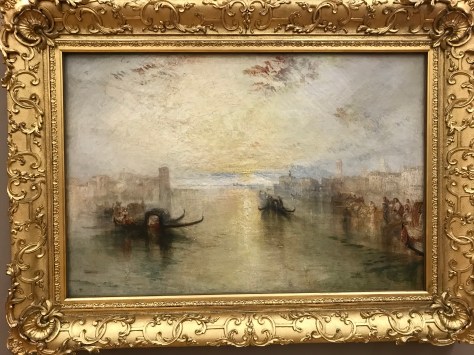
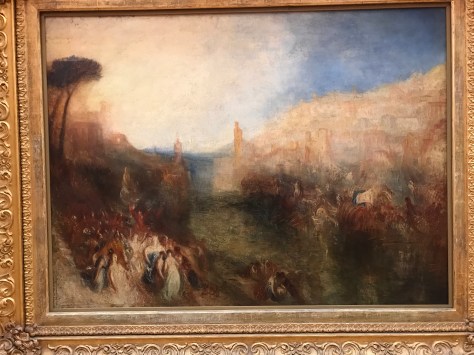
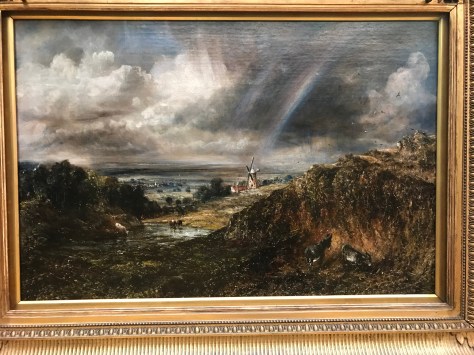
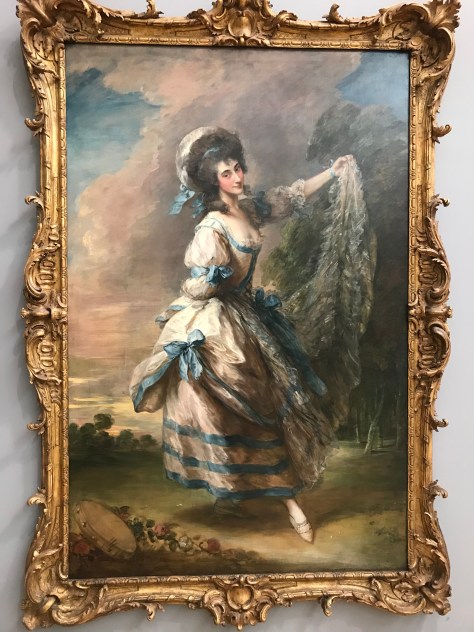
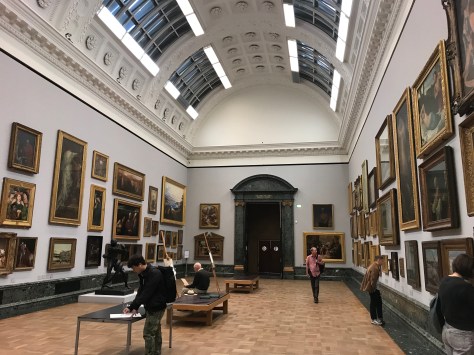
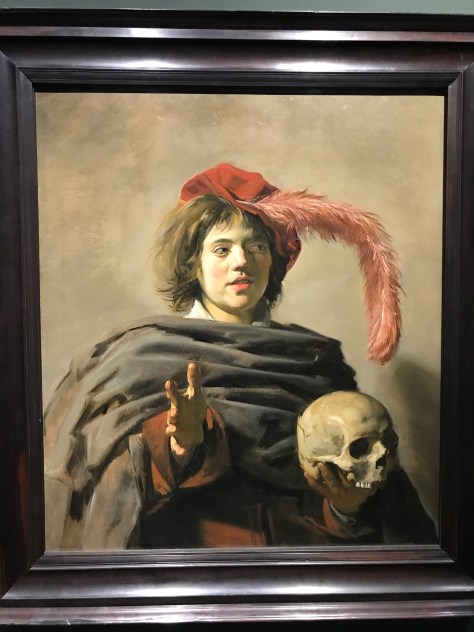
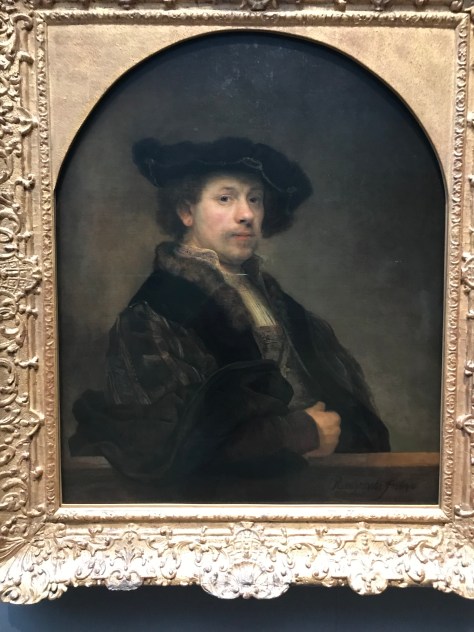
 Headed north to Buckingham Palace before walking through St. James Park to the National Gallery.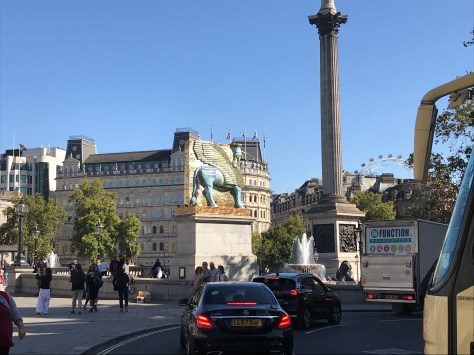
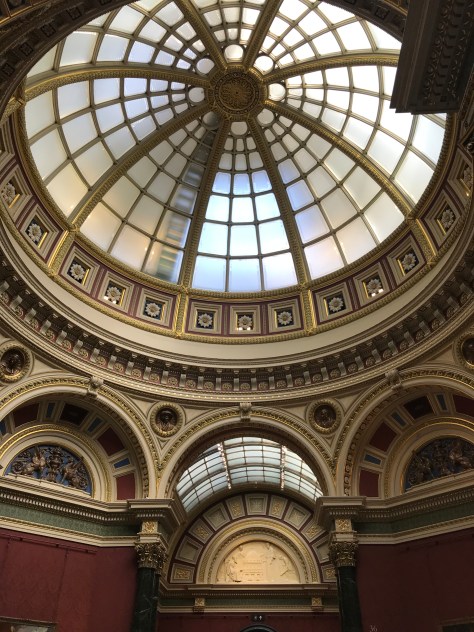
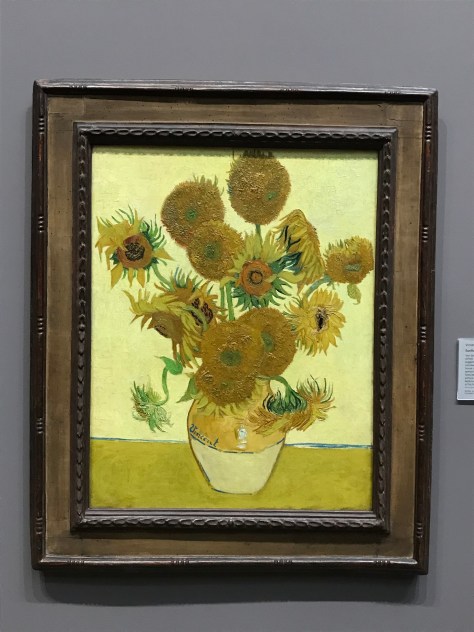
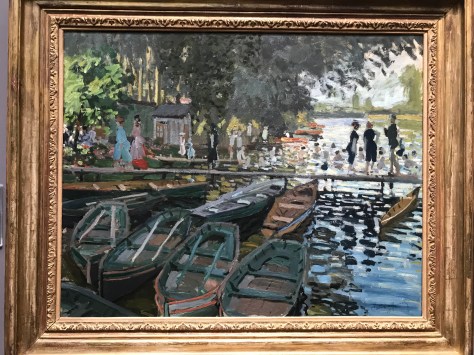
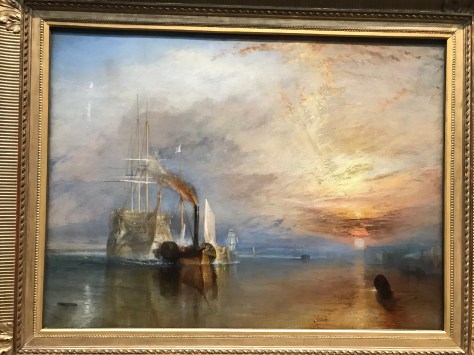
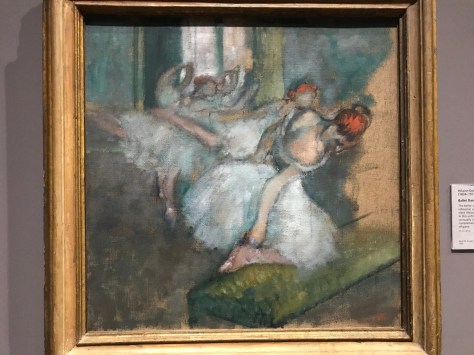
 Heathrow Express to Paddington Station in 20 minutes.
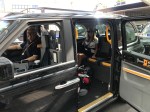 Grab a Black Cab outside and enjoy a great ride to your hotel near the Tower Bridge.
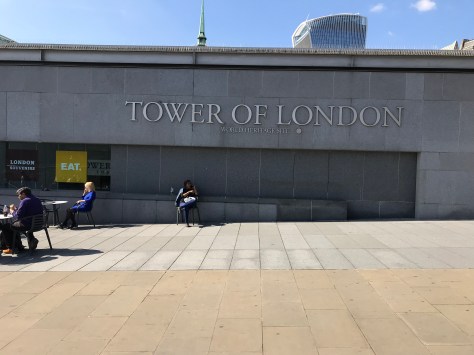
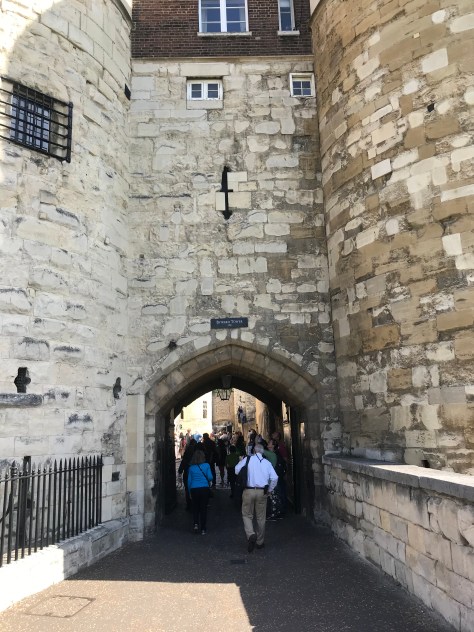
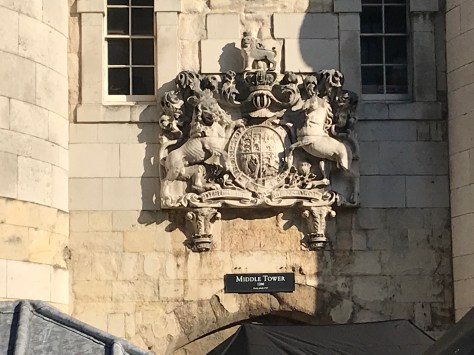
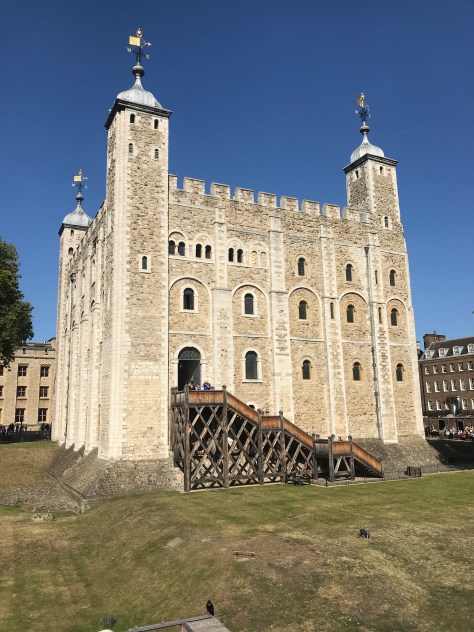
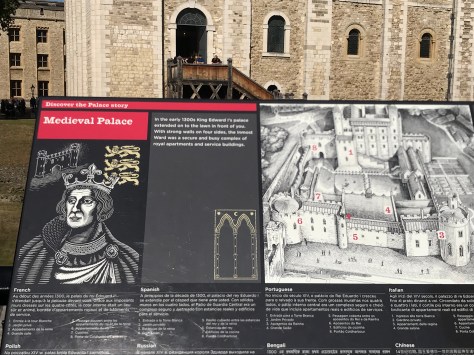
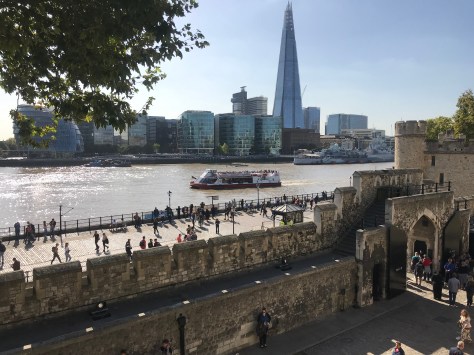
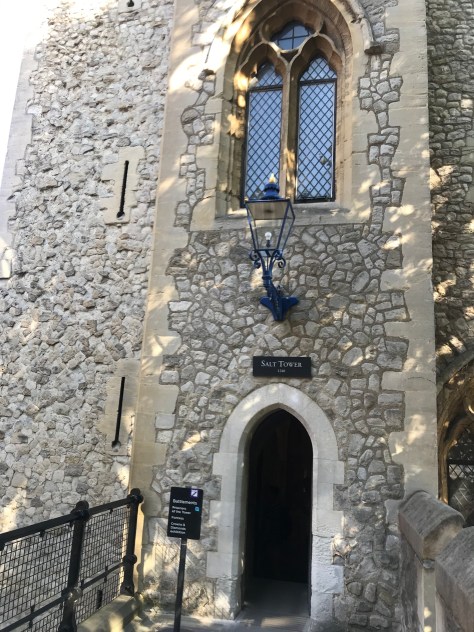
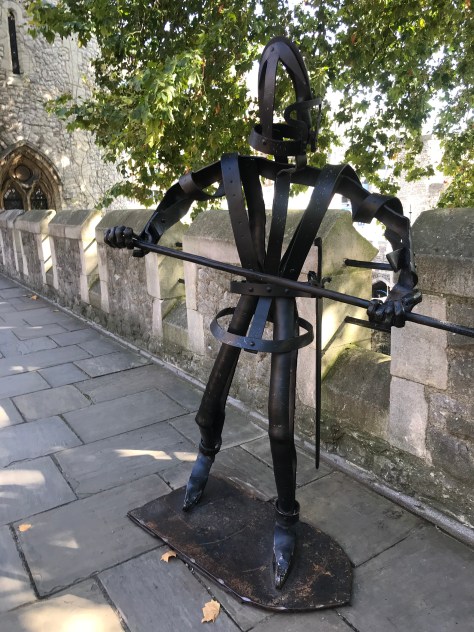
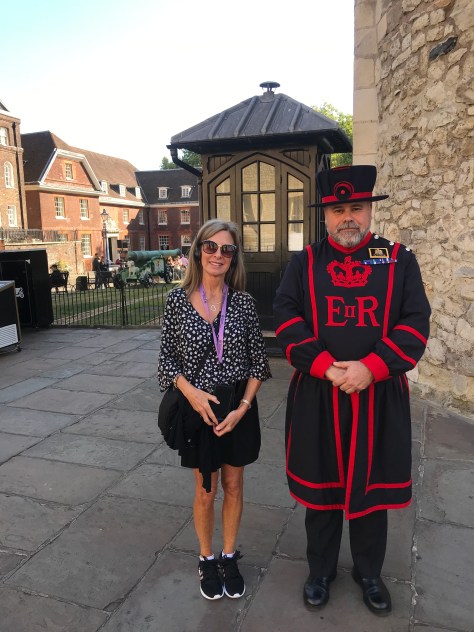
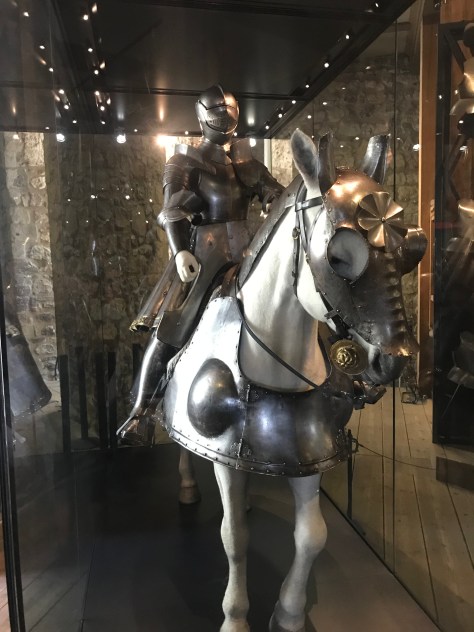
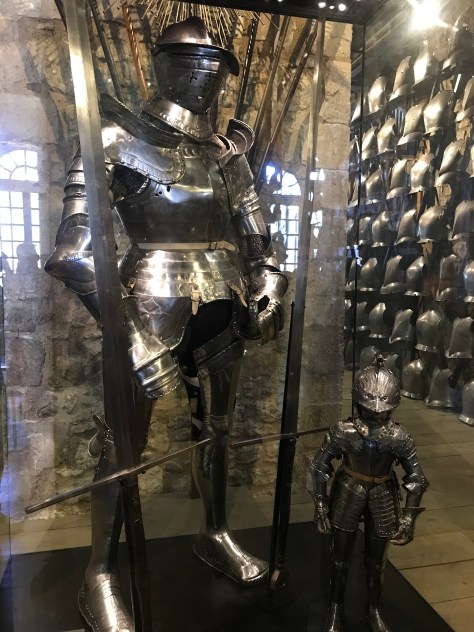
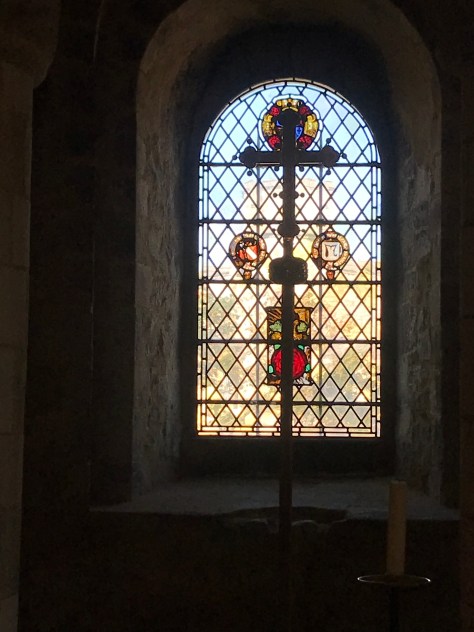
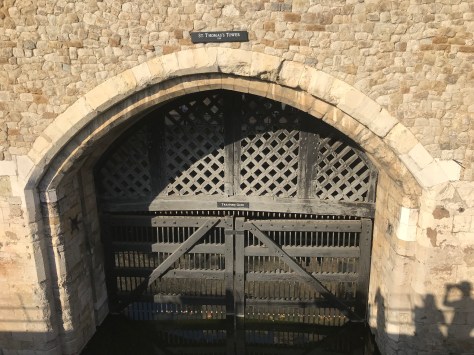
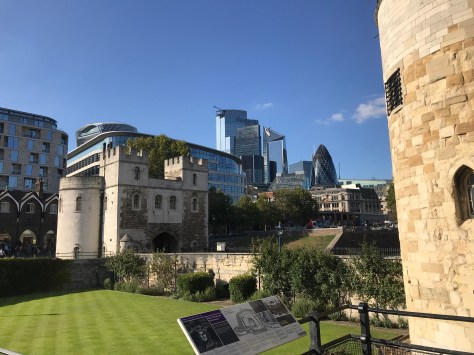
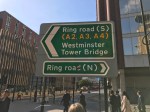 Check into your hotel and walk over for a 2-3 hour tour of the Tower of London.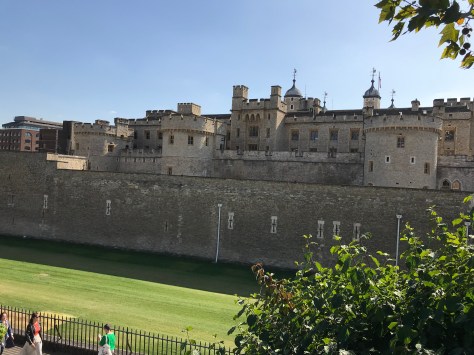
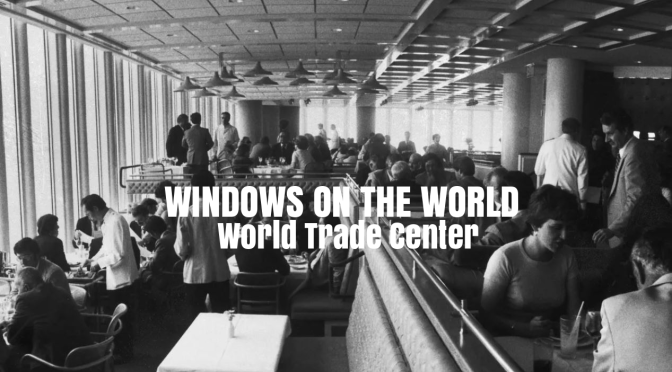
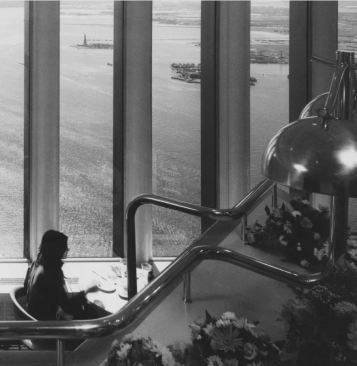 The light is different, higher contrast. Real-life chiaroscuro. And sound is muted, still, almost absent. Except when the wind is kicking up a tremendous, otherworldly, howl. And the city looks so small, innocent, like a child’s train set, the Statue of Liberty a tchotchke in a tourist shop. Sixty-mile views that reach the Hudson Highlands up north, the Atlantic Ocean to the east and south, and, much closer, planes landing and taking off at three major airports.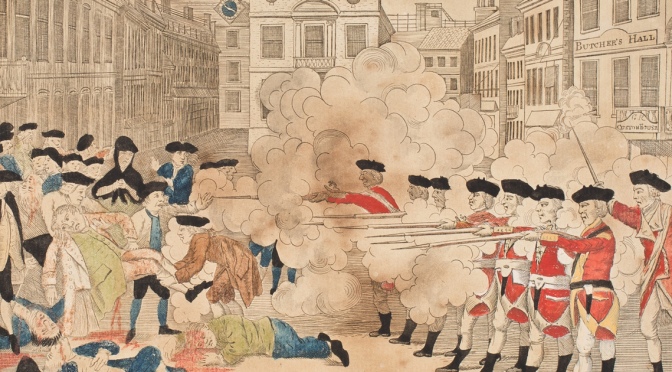
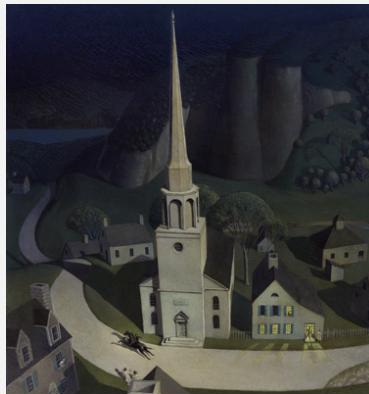 Revere’s place in history was cemented by
  The exhibition was organized by the
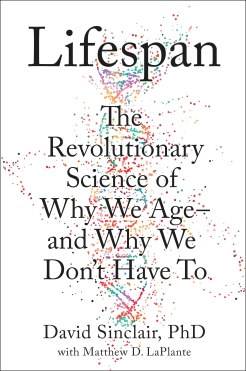 Lifespan, by geneticist David Sinclair and journalist Matthew LaPlante, provides a vision of a not-too-distant future in which living beyond 120 will be commonplace. For Sinclair and LaPlante, the answer lies in understanding and leveraging why we age…
 “It’s a way of life that’s gone and I don’t think it’s a bad state that it’s gone. But realistically it must’ve been livable on a level by pretty well everyone involved or it wouldn’t have gone on for a thousand years.”
 Boomers Daily