He famously captured industrial America—the Brooklyn Bridge, Pittsburgh’s steel mills—with his monumental canvases. But the painter Joseph Stella (1877-1946) looked to nature for respite, escaping his Manhattan studio to visit the New York Botanical Garden and to paint in southern Italy, where he grew up. “My devout wish,” the artist wrote, “[is] that my every working day might begin and end—as a good omen—with the light, gay painting of a flower.”
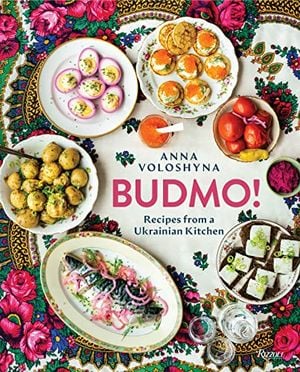
In this colorful cookbook you’ll find recipes for dishes like cold borscht, dark cherry varenyky and sweet pumpkin rice kasha from Ukrainian native Anna Voloshyna, who moved to California in 2011. Known for hosting pop-up dinners and cooking classes, Voloshyna is also a food stylist, photographer and blogger. In her debut cookbook, she offers modern and American spins on the typical dishes she grew up with, and she also includes details like food origins, customs and traditions in each recipe’s headnote. Budmo, which is how Ukrainians say “cheers,” shares the country’s complicated history that has led up to the current war, while simultaneously celebrating its varied and vibrant cuisine.
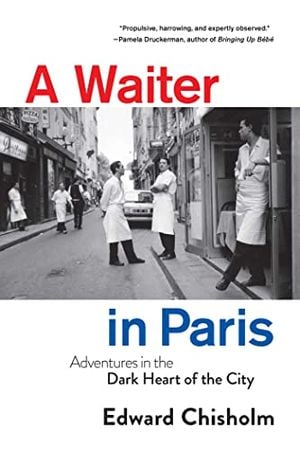
“It’s the boundary between two worlds: the Paris you see and the Paris you don’t,” writes Edward Chisholm, an Englishman who moved to Paris in 2012 and spent several years as a waiter while trying to build up his writing career. Now, his debut book, a no-holds-barred memoir detailing his time waiting tables in one of the world’s hottest restaurant cities, reveals what really goes on behind the scenes of fine dining establishments. This book is the next generation of Anthony Bourdain’s Kitchen Confidentialand Stephanie Danler’s Sweetbitter, with Chisholm exposing the often-shocking mayhem of the restaurant kitchen in visceral detail. He deftly uses the Parisian restaurant as a microcosm for France as a whole, with immigrants, people of color and blue-collar workers at the bottom of the food chain.
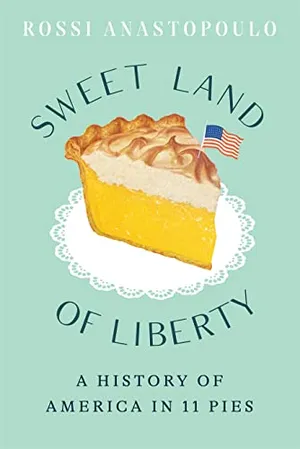
Ever wonder how apple pie became a symbol of America? Food writer and editor Rossi Anastopoulo slices into the history of pie in the good ol’ US of A, from pumpkin pie on Thanksgiving to apple pie on Independence Day, using the iconic American dessert to tell the story of a country. Still, it’s not all sweet, as she details how molasses pie traces its origin to slavery and Jell-O pie reveals the history of gender disparity in our country. All in all, Anastopoulo shares interesting facts behind 11 all-American pies, like how the first recipe for American apple pie appeared in a 1796 cookbook called American Cookery, which is believed to be the first cookbook ever published in the newly minted United States. The book includes a recipe for each pie, too.
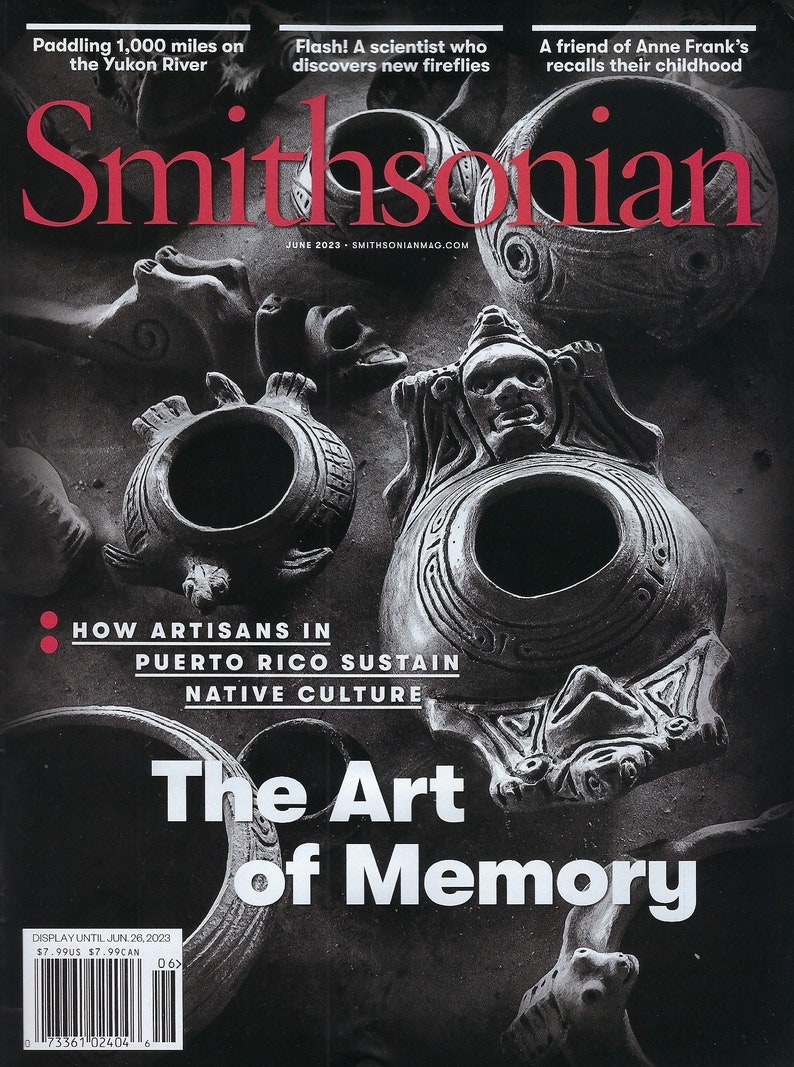
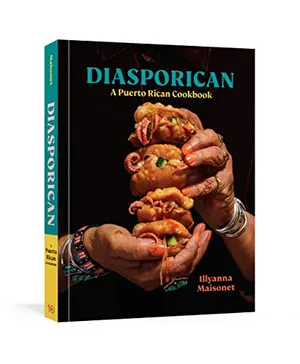
Part memoir and part cookbook, this debut from our country’s first Puerto Rican food columnist Illyanna Maisonet dives into the author’s personal family recipes, which she painstakingly documented from her extended relatives through the years, and also includes her interpretation of dishes by Puerto Rican friends, chefs and roadside food vendors. There are 90 recipes including traditional Puerto Rican dishes like tostones, pernil and mofongo. Other highlights include sloppy joes and sancocho. But more than just the recipes, Maisonet shares how migration and colonization have influenced and progressed Puerto Rican food, ingredients and techniques. In explaining why her family wraps their pasteles in foil, Maisonet writes in her intimate, conversational style, “When you think of my grandma coming to Sacramento as a 17-year-old mother of two in 1956, you have to wonder where the hell would she have found banana leaves in Northern California?” She posits that this progression is no less authentic than the original method, and that the resourcefulness of Puerto Ricans has evolved their cuisine into what it is today: dynamic and delicious.
The empty promise of the Sixth Amendment, Siegfried & Roy’s rise and fall, a Guggenheim scapegoat, and independence for Puerto Rico. Plus stopping election deniers, Atlanta hip-hop, Orhan Pamuk, ABBA Voyage, a bygone Boston, new fiction, and more.
Beset by natural disasters, Puerto Rico did not seem ready for a pandemic—but our correspondent finds it has done better than the rest of America. And an intriguing new idea in the mystery of how Earth got its water.
Science Senior Correspondent Daniel Clery regales host Sarah Crespi with tales about the most important work to come from 57 years of research at the now-defunct Arecibo Observatory and plans for the future of the site.
Sarah also talks with Toman Barsbai, an associate professor in the school of economics at the University of Bristol, about the influence of ecology on human behavior—can we figure out how many of our behaviors are related to the different environments where we live? Barsbai and colleagues took on this question by comparing behaviors around finding food, reproduction, and social hierarchy in three groups of animals living in the same places: foraging humans, nonhuman mammals, and birds.
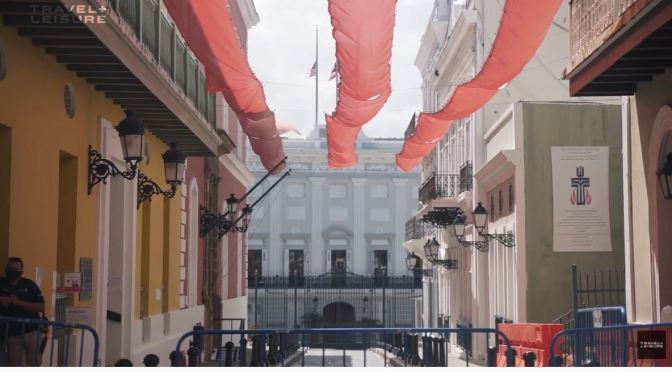
Planning your next vacation? Expert tour guide, David Rodriguez, takes us on a virtual walking tour of Puerto Rico’s capital and largest city – San Juan. Discover in-depth details of the city’s renowned rich history and culture, including the location of the WWII American Bunker, The University of Puerto Rico School of Art, and the invention of the ever-popular piña colada.
News, Views and Reviews For The Intellectually Curious


:focal(1405x1057:1406x1058)/https://tf-cmsv2-smithsonianmag-media.s3.amazonaws.com/filer_public/58/3d/583dcc03-3d6e-44e0-9ed5-c794761dbc5a/jun2023_b01_prologue.jpg)
/https://tf-cmsv2-smithsonianmag-media.s3.amazonaws.com/filer_public/ed/74/ed74a32d-9c13-4800-9187-de14f431f9a9/opener_v1.jpg)



 Boomers Daily