

As the year comes to a close, we review the best science, the best stories, and the best books from 2019. Our end-of-the-year episode kicks off with Host Sarah Crespi and Online News Editor David Grimm talking about the top online stories on things like human self-domestication, the “wood wide web,” and more.
News Editor Tim Appenzeller joins Sarah to discuss Science’s 2019 Breakthrough of the Year, some of the contenders for breakthrough, also known as runners-up, and a breakdown—when science and politics just didn’t seem to mix this year.
Finally, Science books editor Valerie Thompson brings her favorites from the world of science-inflected media. She and Sarah talk about some of the best books reviewed in Science this year, a food extinction book we should have reviewed, a pair of science-centric films, and even an award-winning birding board game.

 Today, Monday December 16, marks 75 years since the beginning of one of World War II’s most savage battles. In December 1944, the Nazi army surprised U.S. and Allied forces in the frozen forests of Belgium. Badly outnumbered, the U.S. lost 10,000 soldiers amid frigid conditions in the war’s deadliest conflict. John Yang reports on the commemoration of what became known as the Battle of the Bulge.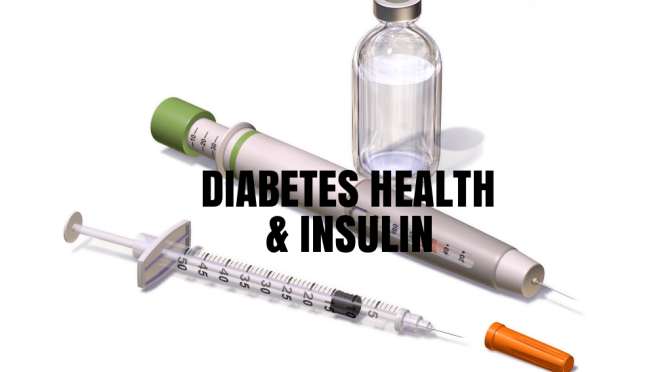
 In people with Type 1 diabetes, the pancreas can’t make insulin. Those with the condition require several doses of insulin a day and spent $5,705 per person on it in 2016, an increase of $2,841, or 99%, per person since 2012, according to the nonprofit
  Costs continue to rise, so much so that almost half of people with diabetes have temporarily skipped taking their insulin, according to a 2018 survey by UpWell Health, a Salt Lake City company that provides home delivery of medications and supplies for chronic conditions.

 Syndicated columnist Mark Shields and New York Times columnist David Brooks join Judy Woodruff to discuss the week’s political news, including the House Judiciary Committee’s passage of articles of impeachment along party lines, Republicans’ defense of President Trump, how impeachment affects Trump politically, what the Horowitz report says about the FBI and a bombshell report on the Afghan war.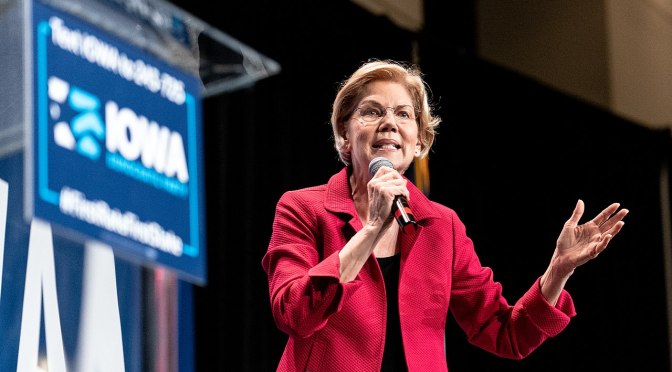
 In Part 3 of our series on pivotal moments in the lives of the 2020 Democratic presidential contenders, we spoke with Elizabeth Warren about how she came to be known as the blow-it-up candidate. The Massachusetts senator describes her transformation from Republican law professor to progressive candidate for the Democratic presidential nomination.
 With help from Andrew Ross Sorkin, a financial columnist at The Times and founder of DealBook; Harry Reid, a former Senate majority leader; and David Axelrod, a former Obama adviser, we explore Ms. Warren’s rise to prominence as an advocate for overhauling the financial system — and why those beliefs can help us understand her run for president now.
 Melvyn Bragg and guests discuss the history and social impact of coffee. From its origins in Ethiopia, coffea arabica spread through the Ottoman Empire before reaching Western Europe where, in the 17th century, coffee houses were becoming established.
 About one-third of people with epilepsy are treatment resistant. Up until now, epilepsy treatments have focused on taming seizures rather than the source of the disease and for good reason—so many roads lead to epilepsy: traumatic brain injury, extreme fever and infection, and genetic disorders, to name a few. Staff Writer Jennifer Couzin-Frankel talks with host Sarah Crespi about researchers that are
 Listen to the latest from the world of science, brought to you by Benjamin Thompson and Nick Howe. This week, the embattled field of social priming, and the latest sounds from a big acoustic meeting.
 NPR’s Tamara Keith and Amy Walter of the Cook Political Report join Amna Nawaz to discuss the latest political news, including campaign sparring between Sen. Elizabeth Warren and Pete Buttigieg and which candidates might leverage it, how much transparency matters to Democratic voters, lack of racial diversity in the next debate and reaction to the inspector general’s report on the Russia probe.
 Boomers Daily