
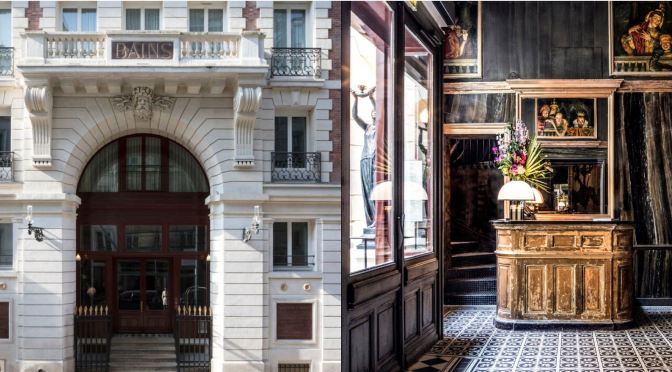
From a The Spaces online review:
French literary greats Marcel Proust and Émile Zola visited Les Bains after its opening as a bathhouse in the late 19th century. Decades later in 1978, designer Philippe Stark transformed the place into a nightclub, welcoming a different calibre of guests through its doors. David Bowie, Mick Jagger and Karl Lagerfeld were among the people to make a splash at this Paris institution.
The new Les Bains hotel, revamped by architect Vincent Bastie, features a restored grand entrance that stays true to its Haussmannian roots. Designers Tristan Auer and Denis Montel were drafted in to design the interiors, while outdoor areas have also received an update, including the courtyard, opened up to draw in more light.
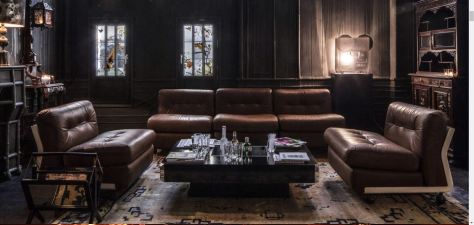
Les Bains, the iconic Paris nightclub, has reopened as a 39-room hotel five years after partygoers last enjoyed a drink and a dance. It’s the latest chapter in the life of the 1885 Haussmannian building, which has played host to a who’s who of the creative world.
Les Bains will retain its famous party spirit when the bar, club and restaurant open later this month. And the likes of Jagger and Bowie might still feel the need to let their hair down when they step onto the dance floor, which mimics Stark’s chequered design from 1978.
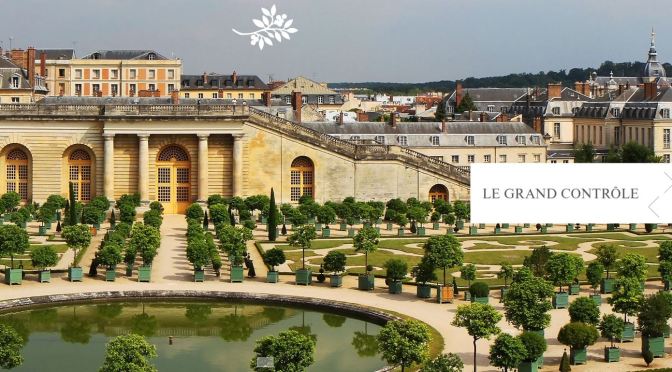
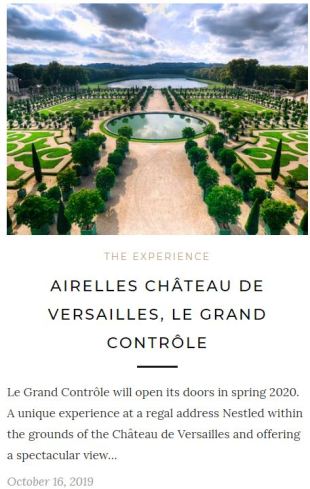 Part of the luxury hotel chain Les Airelles, Le Grand Contrôle is named for the building it will occupy—a 17th-century structure once used as the finance hub of the palace. The hotel will have 14 rooms, some of them apartments, as well as a wellness center, indoor swimming pool, and an Alain Ducase restaurant.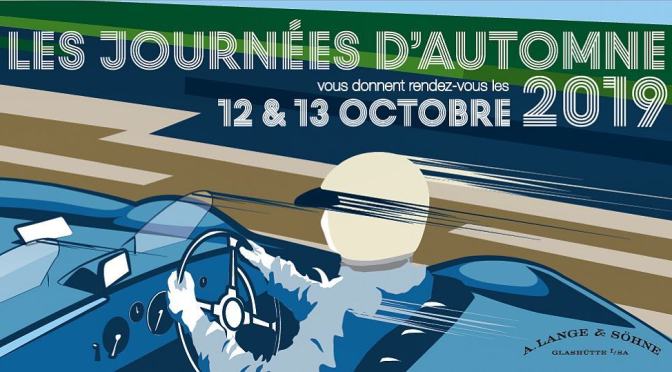
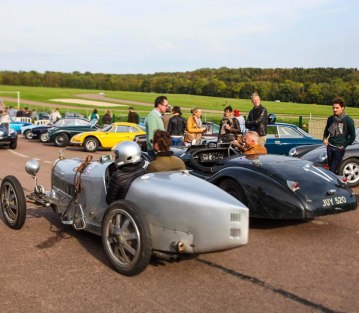 Enthusiasts and friends travelled from France, England, Belgium, the Netherlands, Switzerland, America and even Argentina to enjoy great food and wine (we were in the Champagne region, after all), even better locations and roads and a truly diverse selection of classic cars. Wilhelm Schmid – the ever-passionate CEO of A. Lange & Söhne, Journées d’Automne’s low-key title sponsor – drove his stunning Porsche 911S from Dresden together with his wife Yvonne. “For me, this event is the highlight of my personal motoring year,” he told me. “I wouldn’t miss it for the world.”
 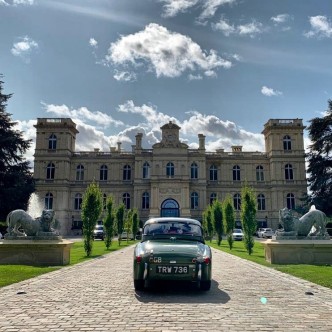 Journées d’Automne. It sounds a bit like the title of a romance novel by Rosamunde Pilcher, but it’s actually a wonderful classic car meeting that takes place every October just east of Paris. What began several years ago as an autumnal outing for a small number of car-minded friends has evolved into a large yet intimate get-together and an insider’s tip for celebrating the end of the events season in style.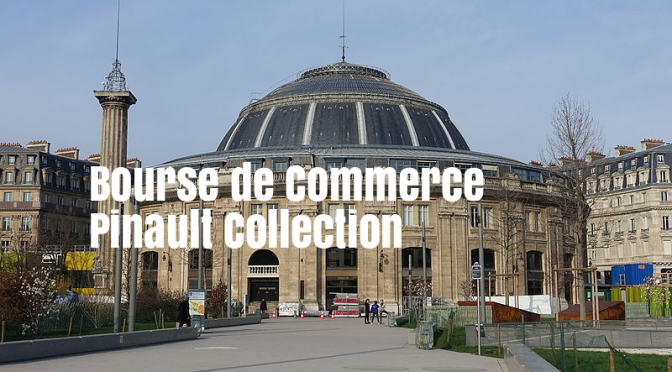
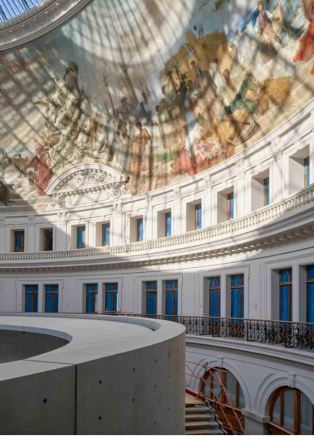 The plans for the venue were previously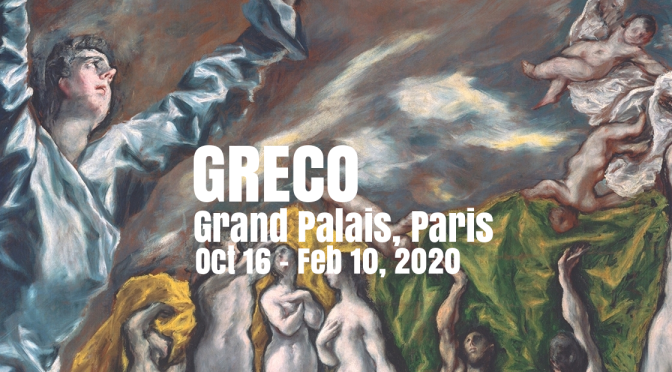
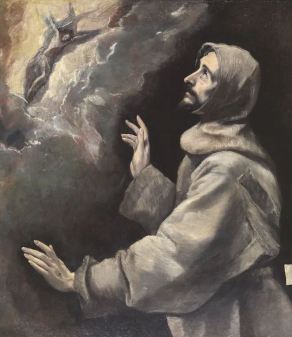 Rediscovered in the late 19th century, celebrated by authors, acknowledged and embraced by the 20th century avant-garde, the artist has enjoyed the dual prestige of tradition and modernity, linking Titian to the Fauvists and Mannerism to Cubism, Expressionism, Vorticism and Abstraction up to the Action painting.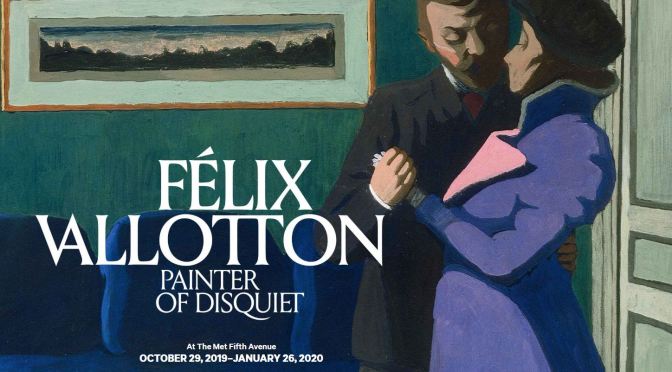
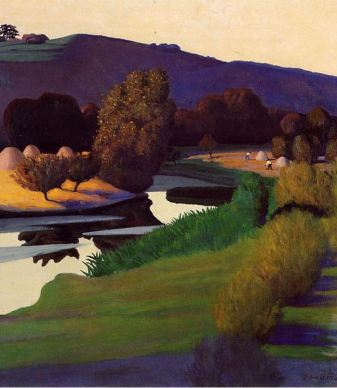 Witness to the radical aesthetics that gripped Paris in the late nineteenth and early twentieth centuries, Vallotton developed his own singular voice. Today we recognize him as a distinctive artist of his generation. His lampooning wit, subversive satire, and wry humor is apparent everywhere in his artistic production. Vallotton’s trenchant woodcuts of the 1890s solidified his reputation as a printmaker of the first rank while boldly messaging his left-wing politics.
 dozen lenders. Swiss-born and Paris-educated, Vallotton (1865–1925) created lasting imagery of fin-de-siècle Paris.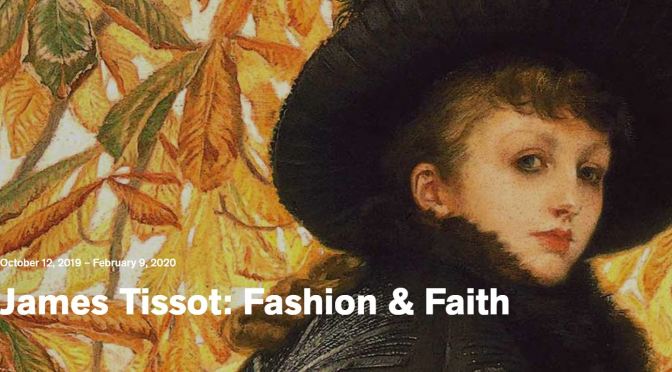
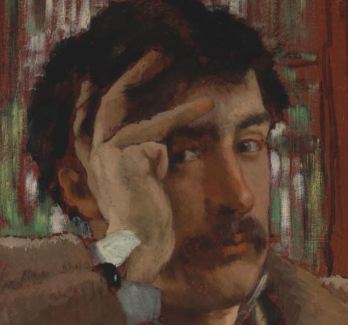 Tissot consistently defied convention in both his professional and personal life. His contributions to the academy and the avant-garde are documented by participation at diverse venues such as the Paris Salon as well as London’s Royal Academy and the Grosvenor and Dudley Galleries. This exhibition explores his multifaceted career with a fresh perspective and original scholarship and will also question where and how Tissot should be situated in narratives of the nineteenth-century canon.
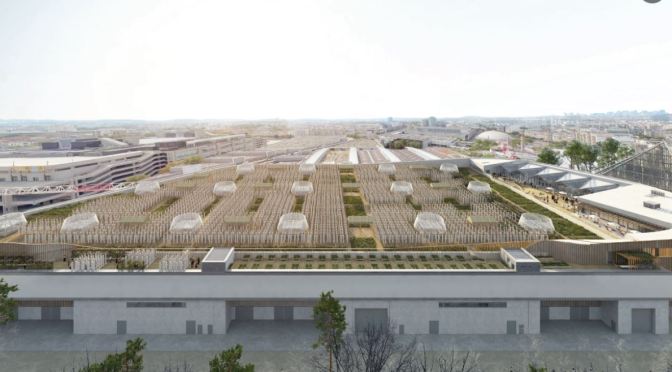
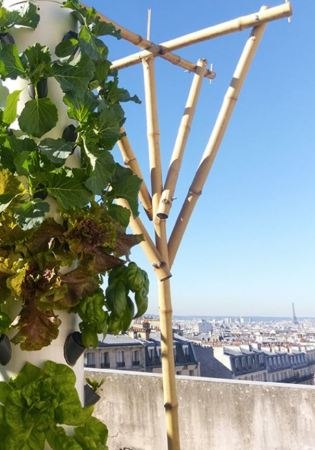 Next year, French company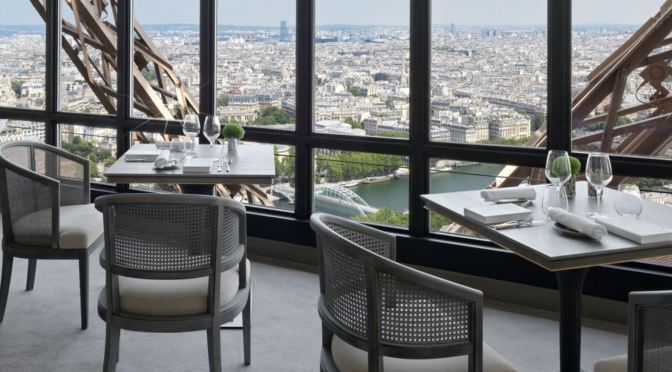
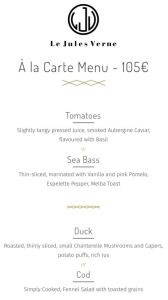 Eating well on the Dame de Fer, a.k.a. the Iron Lady or Eiffel Tower, is tradition. When it first opened in 1889, there were already four restaurants on the first floor, tucked away in wooden pavilions. And to celebrate the landmark’s 130th birthday this year, three-Michelin-starred chef Frédéric Anton (of Le Pré Catelan in the Bois de Boulogne) will take the helm of the City of Light’s highest gastronomic destination, soaring 410 feet above the city.
 Boomers Daily