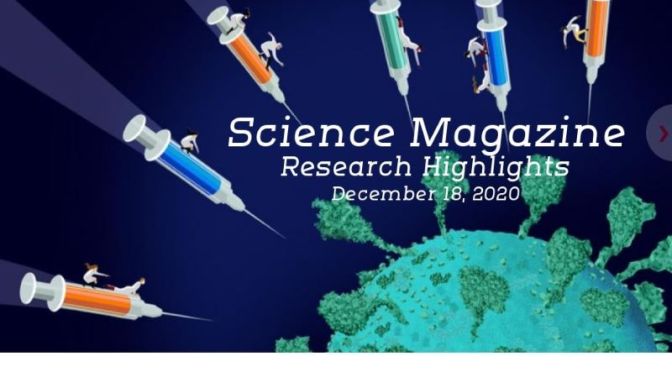


Our last episode of the year is a celebration of science in 2020. First, host Sarah Crespi talks with Online News Editor David Grimm about some of the top online news stories of the year—from how undertaker bees detect the dead to the first board game of death. (It’s not as grim as it sounds.)
Sarah then talks with Online News Editor Catherine Matacic about the Breakthrough of the Year, scientific breakdowns, and some of the runners-up—amazing accomplishments in science achieved in the face of a global pandemic. Finally, Book Review Editor Valerie Thompson joins Sarah to discuss highlights from the books section—on topics as varied as eating wild foods to how the materials we make end up shaping us.

Lawmakers near relief deal with second round of stimulus checks, do Americans trust the vaccine, and drinking red wine and eating cheese could reduce cognitive decline.
Joe Biden officially captures enough electoral votes to win the presidency, William Barr to resign as Attorney General, and Florida man pays neighbors’ utility bills for 2nd straight Christmas.

Monocle’s Emma Nelson covers the weekend’s top stories with Vincent McAviney, Florian Egli, Guy DeLauney – and Tyler Brûlé.
U.S. nears final vaccine review as daily national deaths top 3,250, Facebook hit with antitrust lawsuits, and Florida sheriff deputies deliver meals to kids doing virtual school.
NPR News Now reports: President-Elect Biden’s ‘First 100 Days Agenda’, new Cabinet nominees and other top news.
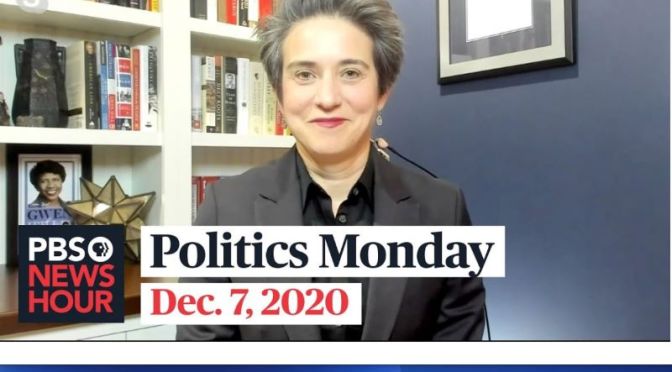
Amy Walter of the Cook Political and Errin Haines of The 19th News join Amna Nawaz to discuss the latest political news, including President-elect Joe Biden’s selections for his healthcare team, President Donald Trump’s election challenges, and Georgia’s U.S. Senate runoff.

A.M. Edition for Dec. 7. What to expect from stimulus negotiations in Washington. China’s rising exports generate a record trade surplus. Rudy Giuliani tests positive for Covid-19. Plus, tips for staying safe in the break room. Marc Stewart hosts.

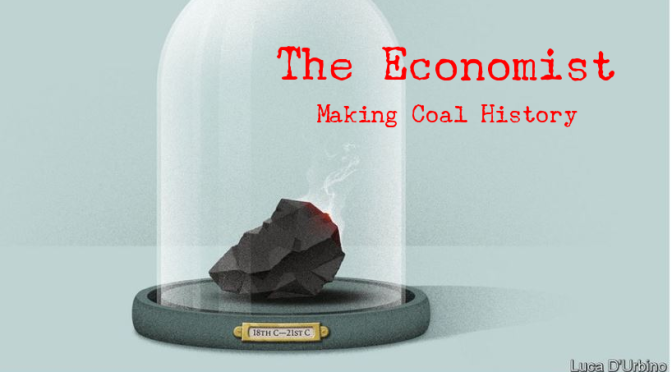
A selection of three essential articles read aloud from the latest issue of The Economist. This week: killing coal, Joe Biden and Iran (10:30), and how Taiwan’s economy remains resilient (16:20)


 Boomers Daily