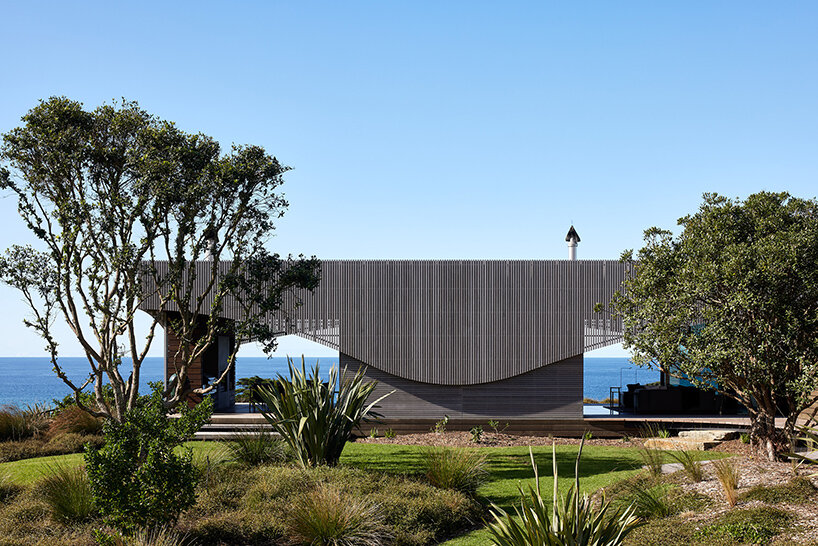
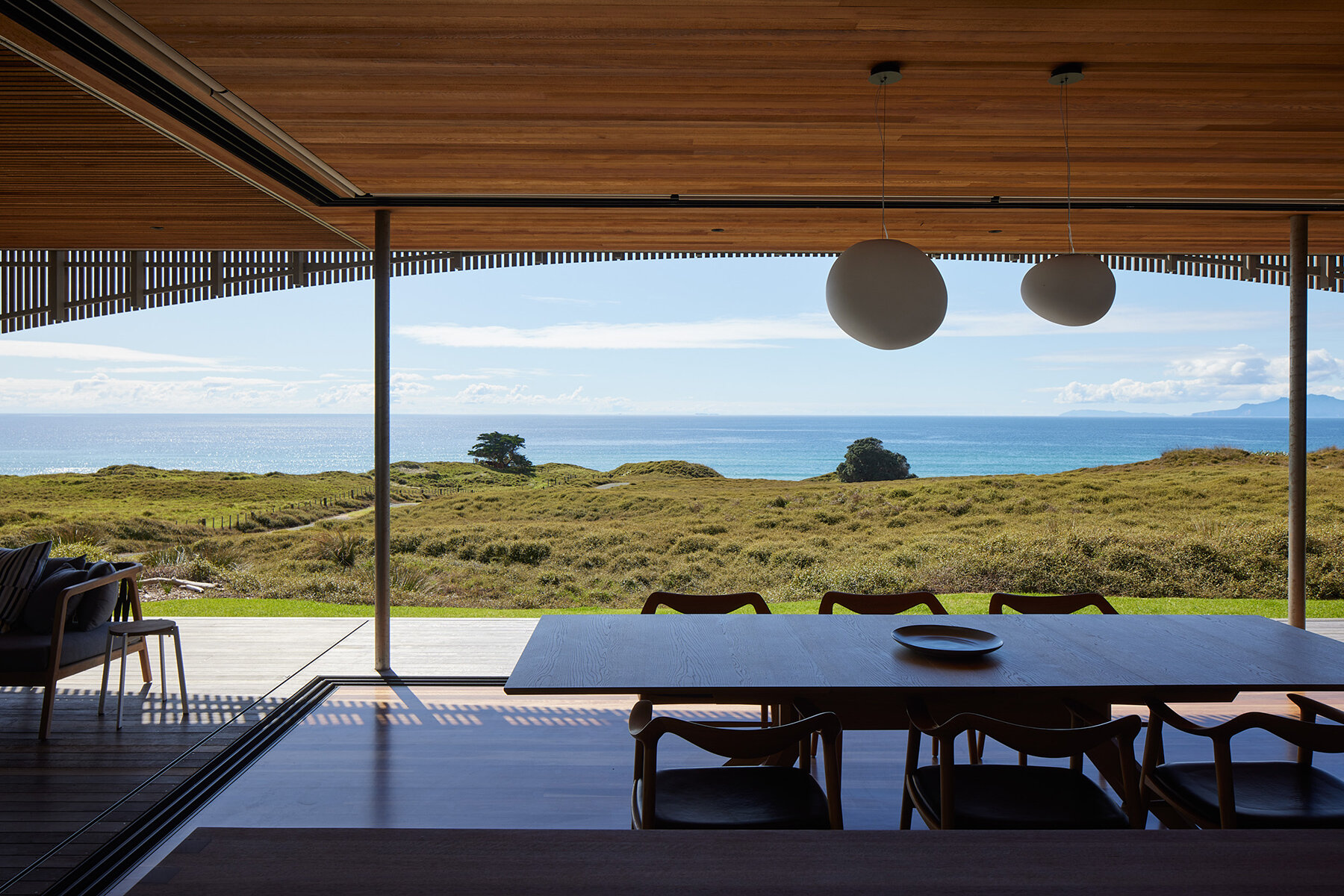
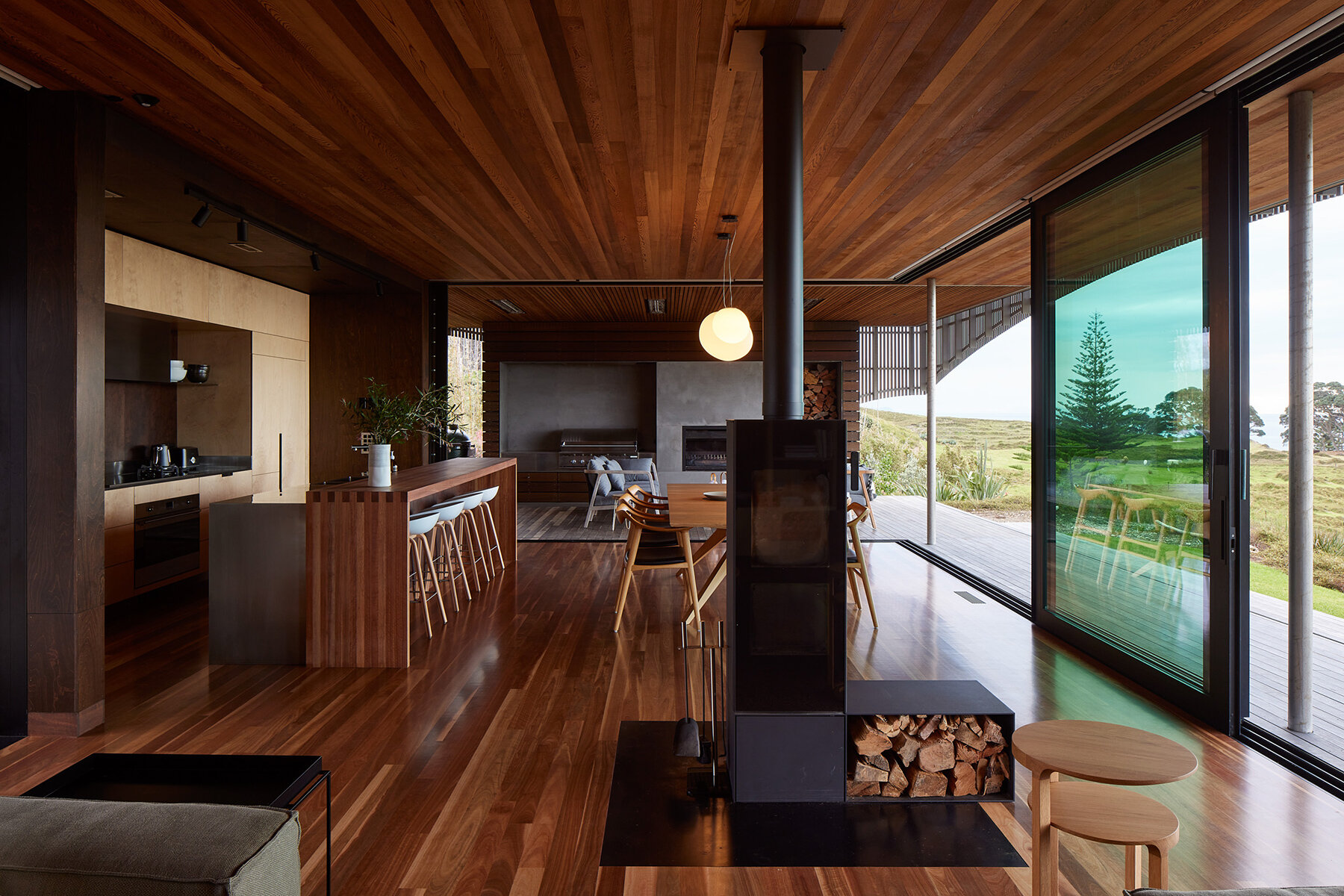
Auckland-based studio Herbst Architects takes to an expansive dunescape along the eastern coast of New Zealand to construct its Dune House.
The dwelling is designed in celebration of its undulating site, which is covered with a native flowering plant known as Muehlenbeckia to create a lush, green landscape rolling downward to the beach.
The project comprises a main house with two bedrooms and two smaller ‘sleepout’ structures, following the needs of the client, while it is perched two hundred meters from the high-water mark — following local regulations. Thus, the home is safe from flooding and enjoys sweeping views of the sparkling horizon.
World Economic Forum – Stories of the Week November 4, 2022:
0:15 – This small airport is Europe’s largest outdoor music venue – The 20-hectare RCF Arena is located on the fringes of Reggio Emilia Airport, just outside Bologna in northern Italy.
01:38 – 7 tips to create a healthy remote working culture from this fully remote team – Tango is a software company with 30 team members working remotely. With all employees working remotely, they ask new hires to write a personal user manual with questions such as ‘how do you like to receive feedback’ and ‘what’s commonly misunderstood about you?’. They also suggest that each team member shares their thoughts on the week; they can celebrate each other, highlight customer feedback or just talk about something going on in their life. Here are some more of their tips for remote workers.
03:31 – This is India’s first solar powered village – Modhera in the state of Gujarat has round-the-clock solar energy with 12 hectares of land covered in solar panels.
04:31 – New Zealand’s parliament has more women than men – New Zealand now has 60 women lawmakers and 59 men in Parliament after Soraya Peke-Mason was recently sworn in as an MP.
The World Economic Forum is the International Organization for Public-Private Cooperation. The Forum engages the foremost political, business, cultural and other leaders of society to shape global, regional and industry agendas. We believe that progress happens by bringing together people from all walks of life who have the drive and the influence to make positive change.
The Local Project – In crafting Lower Shotover House, the architect designs a hidden home that offers a dramatic interior landscape to complement the impressive external context, ensuring it was built for residing in place. Crafted by Bureaux, the home embraces a natural materiality as the means to connecting to the outdoors.
Video timeline: 00:00 – Introduction to the Hidden Home 00:26 – Bunkering Into the Side of the Hill 01:00 – The Materials Used 01:40 – The Importance of Creating A Robust Home 02:10 – The Soft Pools of Light Throughout the Home 02:30 – Creating a Warm and Dramatic Feel 02:58 – The Building Aspect 03:29 – The Views from the Upstairs Bunk Room 03:51 – The Green Roof 04:17 – A Dramatic Kitchen 04:29 – Finding Joy in the Movement Between the Tight Spaces 04:51 – Creating A Timeless Masterpiece
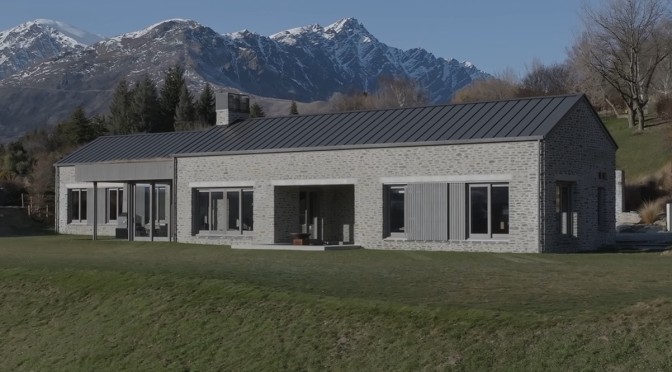
Based in Queenstown, Lower Shotover House faces north, overlooking the Shotover River and Coronet Peak. The architect designs a hidden home that takes inspiration from the old musterer’s huts settled on the mountainside. Capitalising on the protective quality of the hill, the structures look out upon the landscape with a feeling of safety. Importantly, the architect designs a hidden home that utilises a stone composition and a house tour reveals the resulting echo of the rugged surrounds, as well as the proposition of permanence.
In materiality, Lower Shotover House reflects a playful interpretation of the natural context. The architect designs a hidden home that sees stone, black travertine and charcoal timber interior linings combine to establish a cosy interior design. Crafted in recognition of the clients’ lifestyle, Bureaux enforces a robust material palette that can withstand the markings of an active family in a timeless fashion. A dramatic home, Lower Shotover House features rich timber walls, carefully framed windows and pools of soft lighting.
The architect designs a hidden home in which residents are led through the interior with ease; a project where nothing is over-lit and the architecture captures both the compression and expansion of space. Residents must ascend a step in order to enter the kitchen, suggesting an element of theatricality within the experience of the home. As the architect designs a hidden home, they consider the relevance of orientation to the outcome. Lower Shotover House faces north and, as such, measures are put into place to retain heat and maximise the impact of the sweeping views.
While stone walls and a green roof influence the thermal quality of the building, doors measuring three metres high can be pushed back in order to control the thermal climate of the interior. The green roof also engages the surrounding hillside mass, blurring the boundary between landscape and home. Immersing occupants in the mountainside experience, Lower Shotover House forms the ideal place of retreat. Through a process of consideration, the architect designs a hidden home that, though contemporary, is ultimately defined by a prevailing sense of timelessness.
Sitting above the dunes on a plateau, Light Mine is an extraordinary home by Crosson Architects that embraces expansive views of the Coromandel Peninsula. Entering from the southern end of the house, the Light Mine house tour unfolds like a book, seeing Crosson Architects offer a carefully planned story from beginning to end.
Video timeline: 00:00 – Introduction to the Extraordinary New Zealand Home 00:43 – An Extraordinary Site 01:12 – A Choreographed Journey 01:30 – The History Behind the Gold Mining 02:10 – The Light Shafts 02:48 – Tying the Material Palette into Context 03:02 – Cladding Built From the Land 03:32 – Moulding and Blending into the Location Overtime 03:48 – The Extraordinary Craftsmanship 04:33 – A Reference to the Interior of a Gold Mine 05:08 – The Variations of Light Quality
Separated into interconnecting pods, Light Mine is a single level family home that takes inspiration from the dunes and headlands behind and becomes a unique structural form for future generations to enjoy. In designing the home, Crosson Architects looked to the gold mining history of the area, finding inspiration from a historical drawing of a gold mine shaft. As such, the architects have designed a series of geometric pods. Serving as unique structural elements, these inserts work together to break up the horizontal design of the extraordinary home.
Embraced by the clients after many conversations with Crosson Architects, the diagonal inserts offer a sense of scale and character to the home that relates to the surrounding landscape. From within, the diagonal shafts bring a playful and unique movement of light that instils changing characteristics; placed strategically over the living and dining areas, they offer variations of light as the sun shuffles through the extraordinary home.
Notably, the light shaft in the main bedroom offers glimpses of the night sky, capturing the Milky Way and stars above. Understanding that the extraordinary home needed to meld and blend into its surroundings over time, Crosson Architects has used reclaimed local native tōtara timber for the exterior cladding, enhancing the home’s horizontality and settling it into its surrounds. Overall, a cohesive approach to colour and materiality ensures the home reflects the surrounding landscape. Dark timber has been employed on the exterior, referencing the rock of the headland behind; inside, the use of light timber speaks to the sand dunes beyond.
The band sawn timber used extensively throughout the interior design creates a warm reprieve from the outside. In contrast, the kitchen and bathrooms feature dark timber veneer, which also nods to the gold mines while creating visual interest in each internal space. Challenged to design something that was both memorable and laid back, Crosson Architects has delivered an extraordinary home, which references Light Mine’s historical context and incorporates the changing colours of the day to emphasise its unique character.
October Project of the Month | Scarborough Béton Brut | Young Architects.
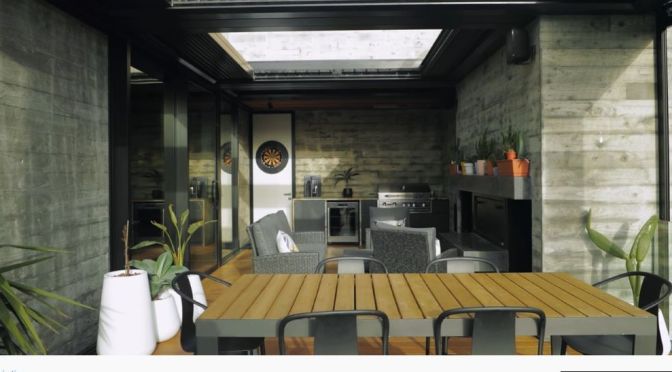
Raw concrete, extensive glazing, and timber accents dominate the design of this home nestled in the hills above Christchurch’s seaside suburb of Sumner. Perched on the edge of a dormant volcano on a 30 degree slope, the form hasn’t been compromised. The structure emerges from the landscape in cubed sections.
Keas are remarkable birds: playful, belligerent and smart. So smart in fact that some scientists believe they have the intelligence of a 4-year old human.
The kea is a species of large parrot in the family Nestoridae found in the forested and alpine regions of the South Island of New Zealand. About 48 cm long, it is mostly olive-green with a brilliant orange under its wings and has a large, narrow, curved, grey-brown upper beak.
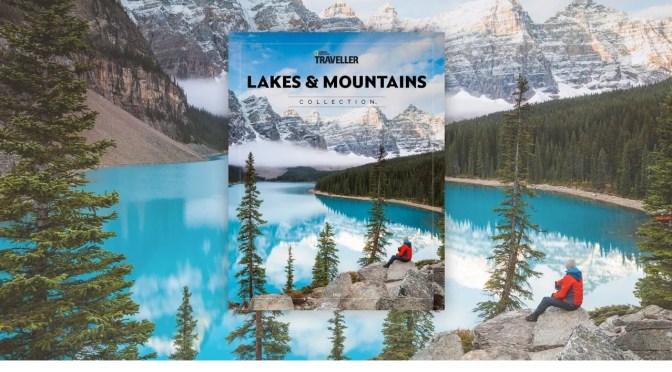
Keen runners seeking more inspirational landscapes can join a new tour by CMH Heli-Skiing & Summer Adventures to discover the wild beauty of the Bugaboos in the heart of the Canadian wilderness. Soar over verdant forest trails, rugged mountain tops and granite spires in a helicopter before being dropped on a summit. Runners will revel in the sunny skies, breathtaking panoramas and plenty of breaks, often in crystal-clear glaciated lakes. The day ends back at base camp, a spacious fly-in backcountry luxury lodge where guests can relax with a massage, sauna or a soak in a hot tub.
Where to stay: CMH Bugaboos log-hewn lodge at the base of Bugaboo Glacier offers gourmet dining, swimming and a rooftop hot tub. From $3,025 (£1,926) for three nights/four days including meals, helicopter flights, guide, equipment and local transfers.
2. Heli-biking in New Zealand
Cycle far from the crowds in the Wanaka region past glaciers and lakes on gentle high-country trails and tricky single tracks that combine easy free-wheeling with adrenaline pumping fun. For seasoned cyclists, the four-hour Mount Burke trail is the holy grail of mountain bike trips with riders ferried to the top by chopper to avoid the uphill grind. Soak up the scenery at 4,593ft before braving the epic downhill descent through scenic valleys and farmland to the glassy waters of Lake Wanaka and Lake Hawea for a gourmet picnic.
Where to stay: Minaret Station, an off-grid lavish four-chalet lodge accessible by only helicopter or boat, located at 7,000ft with a valley to one side and Lake Wanaka to the other. Five nights from £5,250pp, including four nights’ full-board at Minaret Station with return helicopter transfers, excluding international flights, with Black Tomato.
Preparing to go heli-biking in New Zealand.
PHOTOGRAPH BY FREDRIK LARSSON
3. Glacier hiking in France
Head to Saint Martin de Belleville to traverse the Glacier de Chavière and conquer not one, but three cols, or mountain paths, at altitudes of around 10,000ft. Set off at dawn, after learning how to use an ice axe and crampons, to begin an energetic climb attached by a rope to an expert guide. Enjoy incredible views of snow-covered ridges, steep couloirs and rock towers, but take care where you place your feet as some narrow paths come dangerously close to crevices with sheer drops. After reaching the three cols — Col de Thorens, Col Pierre Lory and Col du Bouchet — return to Val Thorens in the early afternoon for a leisurely lunch.
Where to stay: The renovated four-star Hotel Lodji at the base of Saint Martin with cosy bar, restaurant, sunny terrace and spa. Rooms from €150 (£129) a night.
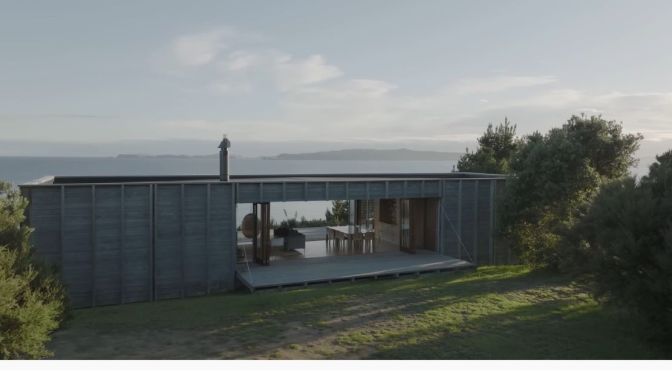
Coromandel Bach, an architect’s own tiny cabin, is designed by Crosson Architects as a functional holiday home. The timber residence is the ideal place of retreat away from busy urban life. Settled on the eastern side of The Coromandel Peninsula, Coromandel Bach is an architect’s own tiny cabin.
Video timeline: 00:00 – The Local Project Print Publication 00:10 – Introduction to the Architect’s Own Tiny Cabin 00:36 – Designing Using Timber 01:35 – The Perfect Holiday House 02:33 – Entering the Tiny Cabin 03:19 – The Bathroom 04:00 – The Kitchen and Dining Spaces 04:23 – An Experimental Home 05:42 – Celebrating Success 06:04
The holiday house sits on a site with no other buildings; no bush, just a north-facing view to white sandy beaches and a series of islands. As an architect’s own tiny cabin, Coromandel Bach expresses a studious approach to form and function. In a manner reminiscent of a suitcase, the architecture of the home can fold open or closed depending on the needs of the occupant, protecting its interior from the natural elements in some instances or embracing the outdoors in others.
The inspiration underpinning Coromandel Bach’s ‘refined camping’ is thoroughly executed, as would be expected in an architect’s own tiny cabin. Crosson Architects omits curtains and drapes from the interior design, enabling occupants to rise with the sun. Nature is celebrated using natural timber and through innovative features such as a bathtub on wheels that allows bathing outdoors in the morning sun or under the stars.
A unique example of an architect’s own tiny cabin, Coromandal Bach is a textural building with an innate sense of dynamism. The residential experience proposed by Crosson Architects is synonymous with the experience of nature.
A holiday home with a dual focus, Clifftop House maximises coastal views whilst maintaining a sense of privacy. Created by Ponting Fitzgerald Architects with appliances from Fisher & Paykel, the holiday house has a surprising relationship to its context.
Chapters: 00:00 – Introduction to the Holiday House 00:39 – The Client Brief 01:12 – Entering the House 02:16 – Designing the Kitchen 03:09 – The Master Bedroom 03:25 – Design Inspired by Context 04:21 – Connection to Nature 04:59 – A Unique Perspective
Settled into a coastal community on the Coromandel Peninsula, Clifftop House sits on a ledge overlooking Hahei Beach. While the holiday house has access to striking vistas, including views to Mercury Islands, the unusual topography also leaves the home within eyeshot of other properties. To foster a sense of privacy, Ponting Fitzgerald Architects purposefully restricts access to the surrounding context in some parts of the home.
The atmospheric interior of the holiday house distinctly contrasts the coastal scene outside – however, the top floor of the residence sees a large, covered deck flow out to the view, re-establishing the connection to nature in dramatic fashion. As an interior element of the design, the kitchen of Clifftop House contributes to the feeling of retreat from the outdoors. Dark American oak cabinetry establishes a modest and unimposing space, complemented by the seamless insertion of appliances by Fisher & Paykel.
The result sees the internal architecture play a dominant role in the holiday house, guiding occupants through the home and towards the view. A gentle imposition on its context, Clifftop House is defined by its architectural discretion. Ponting Fitzgerald Architects ensures that, despite having access to incredible views, the holiday house appears as a mere canopy from the perspective of the beach.
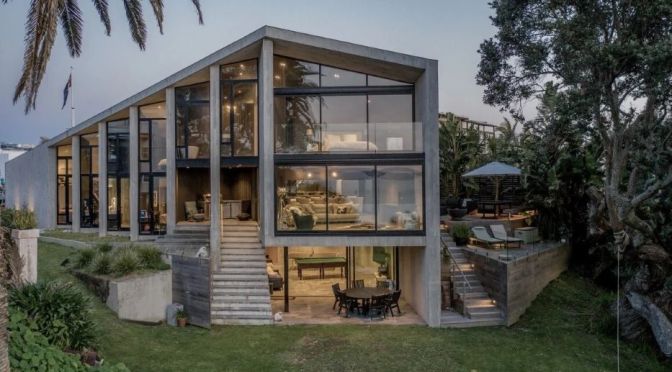
As an architectural house, The Sandcastle by Ponting Fitzgerald Architects champions the creative and structural benefits of concrete. Inspired by a sandcastle and built by Bannan Construction, the sculptural building is firmly established within its coastal context.
00:00 – An Introduction to the Architectural House 00:53 – Creating a Sandcastle 01:19 – Entering the House 02:06 – Building for the Coastal Climate 02:32 – A Unique Use of Concrete 03:37 – Materiality 04:07 – Lighting in the House 04:25 – Unique Qualities of the House 05:00 – What the Builder is Most Proud Of
Built within the inner harbour zone of Point Chevalier, The Sandcastle is situated directly above the shore. Sitting on a bluff of land that resembles a sand dune in constitution, the three-storey concrete home is conceived as an architectural house that naturally extends from the surrounding landscape. A house tour of The Sandcastle evidences its status as an architectural house, with the form of the building representing a playful yet sophisticated interpretation of a sandcastle. Concrete plays an important role in realising the shape of the home, offering endless formal possibilities in its pre-set, liquid state. Ponting Fitzgerald Architects crafts a dynamic materiality that withstands the erosive coastal climate. Although the concrete exterior interacts with the salt, wind and water of the environment – gracefully expressing the passage of time through a weather-beaten appearance – The Sandcastle maintains its structural integrity, establishing itself as an architectural house embedded in the landscape. With the help of Bannan Construction, Ponting Fitzgerald Architects creates an architectural house that is both rugged in nature and refined in form and concept. The Sandcastle stands as an enduring aspect of the coast; a solid piece of architecture, made in recognition of place.
News, Views and Reviews For The Intellectually Curious










 Boomers Daily