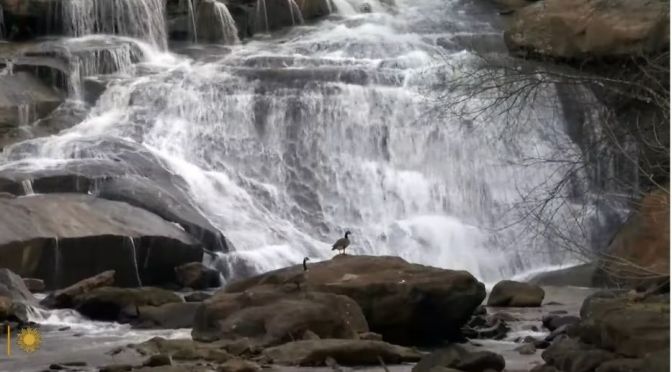
“Sunday Morning” takes us under waterfalls on the Reedy River near Greenville, South Carolina. Videographer: Kevin Kjergaard.
The Reedy River is a tributary of the Saluda River, about 65 miles long, in northwestern South Carolina in the United States. Via the Saluda and Congaree rivers, it is part of the watershed of the Santee River, which flows to the Atlantic Ocean.
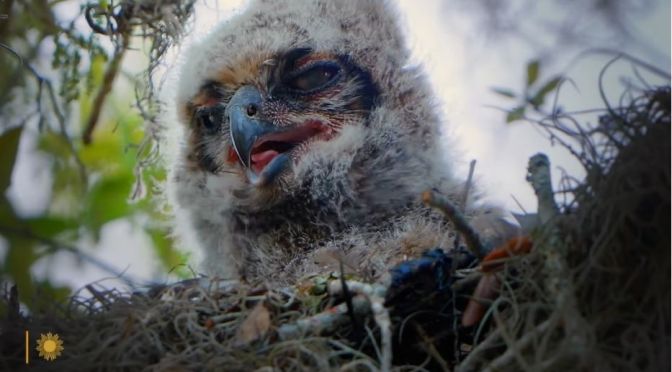
“Sunday Morning” takes us to Titusville, Florida, where a great horned owl chick is being cared for by Mom and Dad. Videographer: Doug Jensen.
Great horned owls are usually 18 – 25 inches tall, have tall ear tufts, and large yellow eyes. Their size, ear tufts, and eyes make them easily recognizable when seen during daylight hours.
They are found throughout Florida and roost in large, messy nests, in tall trees. The female is larger than the male, but the male has a larger and deeper voice box.
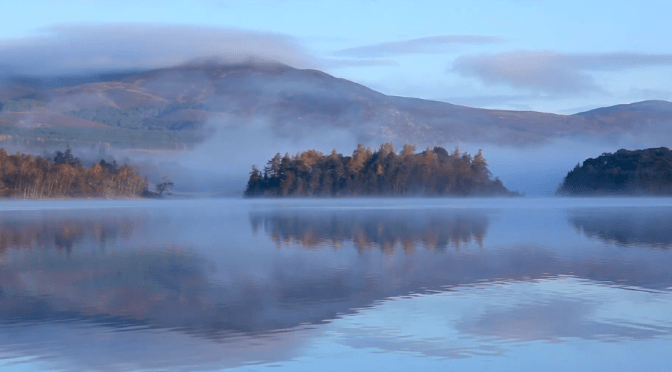
“When it comes to climate change, scale is essential. We need to be scaling up our work and being really bold and ambitious, and that’s exactly what Cairngorms Connect is.” Find out how Scotland’s largest landscape-scale restoration project is fighting back against climate change in our new film for Cairngorms Connect.
Roughly 18,000 people reside within the 4,528 square kilometre national park. The largest communities are Aviemore, Ballater, Braemar, Grantown-on-Spey, Kingussie, Newtonmore, and Tomintoul. Tourism makes up about 80% of the economy.[4] In 2018, 1.9 million tourism visits were recorded. The majority of visitors are domestic, with 25 per cent coming from elsewhere in the UK, and 21 per cent being from other countries.
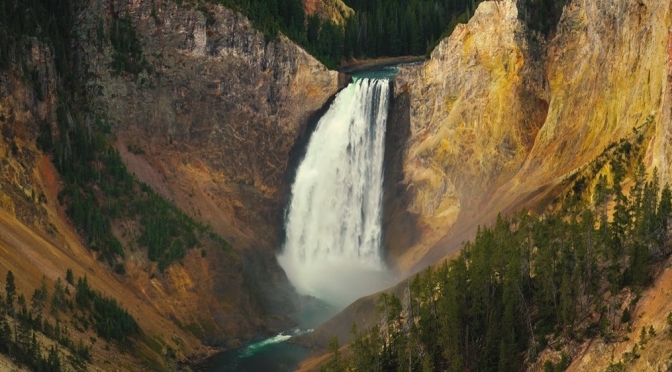
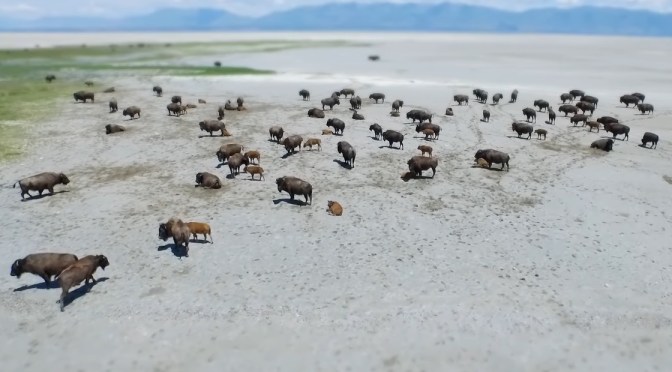
Wyoming is a state in the Mountain West subregion of the Western United States. The 10th largest state by area, it is also the least populous and least densely populated state in the contiguous United States. Wikipedia
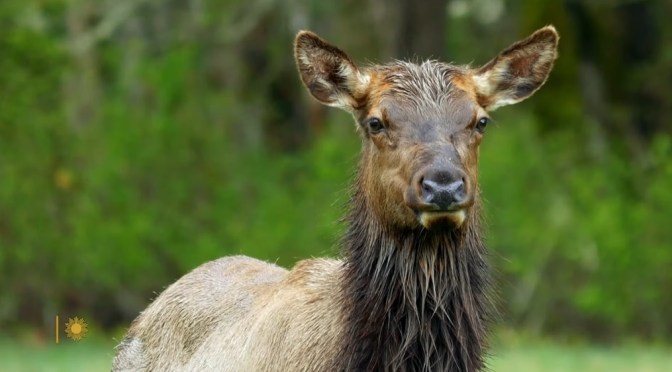
“Sunday Morning” takes us among the elk and turkeys at the Great Smoky Mountains National Park in North Carolina. Videographer: Scot Miller.
Elk are the second-heftiest members of the deer family, after the bigger and darker-haired moose. While there’s really no mixing up those two giant deer, the names are definitely a cause for confusion from an international perspective. In Europe, what North Americans call moose are known as “elk.” The word “moose” is an indigenous North American (likely Algonquin) word, and in New England, early European colonists distinguished between the “black moose”—the moose as we know it today—and the “grey moose,” or elk.
Turn off the lights and connect with nature. Join us as we reflect on our mission to create a world where all live thrives by celebrating Earth hour this evening at 8:30PM.
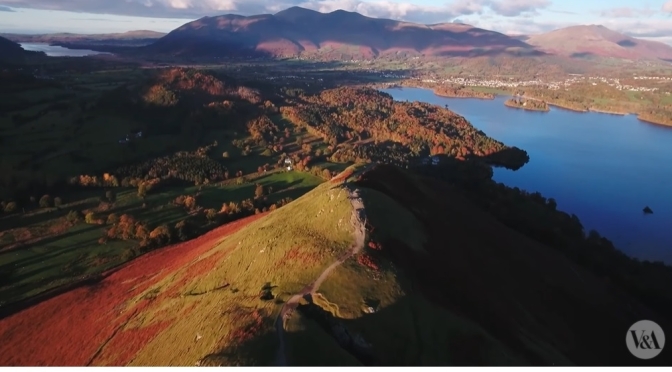
From dawn to dusk. Sit back, relax, and be transported to the Lake District with a specially commissioned immersive film that celebrates the sights and sounds of a landscape that inspired Beatrix Potter.
The Lake District is a region and national park in Cumbria, North West England known for its glacial lakes and rugged fell mountains. Beatrix Potter eventually settled here after growing up in her ‘unloved birthplace’ of London, becoming an award-winning sheep farmer and respected member of the local community.
When Potter died aged 77 on 22 December 1943, she left 14 farms and more than 4,000 acres to the National Trust. Produced and directed by award-winning filmmaker and photographer Terry Abraham, this film captures intimate shots of the native wildlife that Potter would have sketched and later immortalised in her storybooks, alongside epic panoramic footage of its mountains and lakes, featuring locations where Potter lived, worked and admired:
Catbells and Derwentwater Newlands Valley Watendlath Yew Tree Farm, Coniston Tarn Hows Hill Top and Near Sawrey Esthwaite Water Ullswater Great Langdale
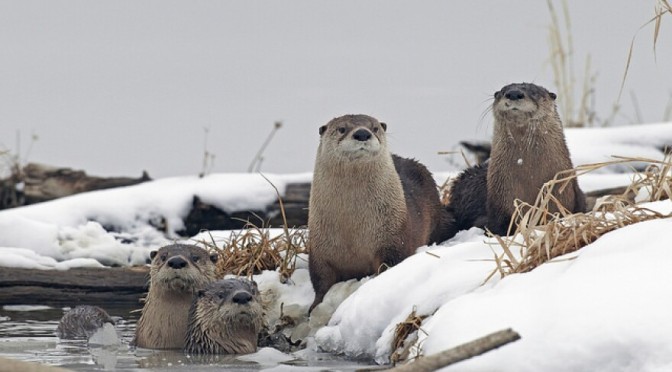
“Sunday Morning” visits otters on the hunt for fish at a pond in Portland, Maine. Videographer: Mauricio Handler.
The North American River Otter (Lontra canadensis) is the species of otter found in Maine, and you’ll find lots of them along the entire coast (and probably inland as well). River otters are mostly nocturnal members of the weasel family (Mustelidae) and rather large, growing up to 3.5 feet long and weighing around 30 pounds. They are referred to as “semi-aquatic,” since they spend most of their waking hours in water and come to land when denning, moving from one body of water to another, or marking a territory.
Kilian Schönberger – I’m a professional photographer & geographer from Germany; born in 1985. My aspiration was always to cut my path as a photographer with an own creative perspective – despite beeing colourblind. I recognized that I could turn this so-called disadvantage into a strength, too and developed my own unique photographic view: E.g. while getting a picture of a chaotic forest scene, I can’t clearly distinguish the different green and brown tones. Brushing aside this “handicap” I don’t care about those tones and just concentrate on the patterns of the wood to achieve an impressive image structure. Currently I have two residences: One in Cologne and one near Ratisbona in Bavaria. My photographic work concerns the whole range of topics from natural landscapes to cityscapes. Remote rural areas are photographically as interesting as the lifestyle and architecture of urban melting pots. Both worlds fascinate me and so I try to capture my individual view of these changing and challenging environments. For landscape photography I prefer temperate and high latitudes and alpine landscapes. I like the harsh beauty of those areas and the peculiar melancholy that surrounds them. Regions which I am interested in are Norway, Iceland, the Alps, Scotland, the Pacific Northwest, Saxon Switzerland, Kamchatka, Patagonia, New Zealand, the Altai Mountains, Canada and Siberia. After a dozen years in the Rhineland (Bonn & Cologne) I’ve moved to the Bavarian Alps close to Lake Chiemsee in 2021. So large parts of the Alps like the Dolomites, but also my home region in Eastern Bavaria is easier to reach for me now.
News, Views and Reviews For The Intellectually Curious


 Boomers Daily